
July Employment Growth Driven by Services Sector Amid Youth Unemployment Crisis
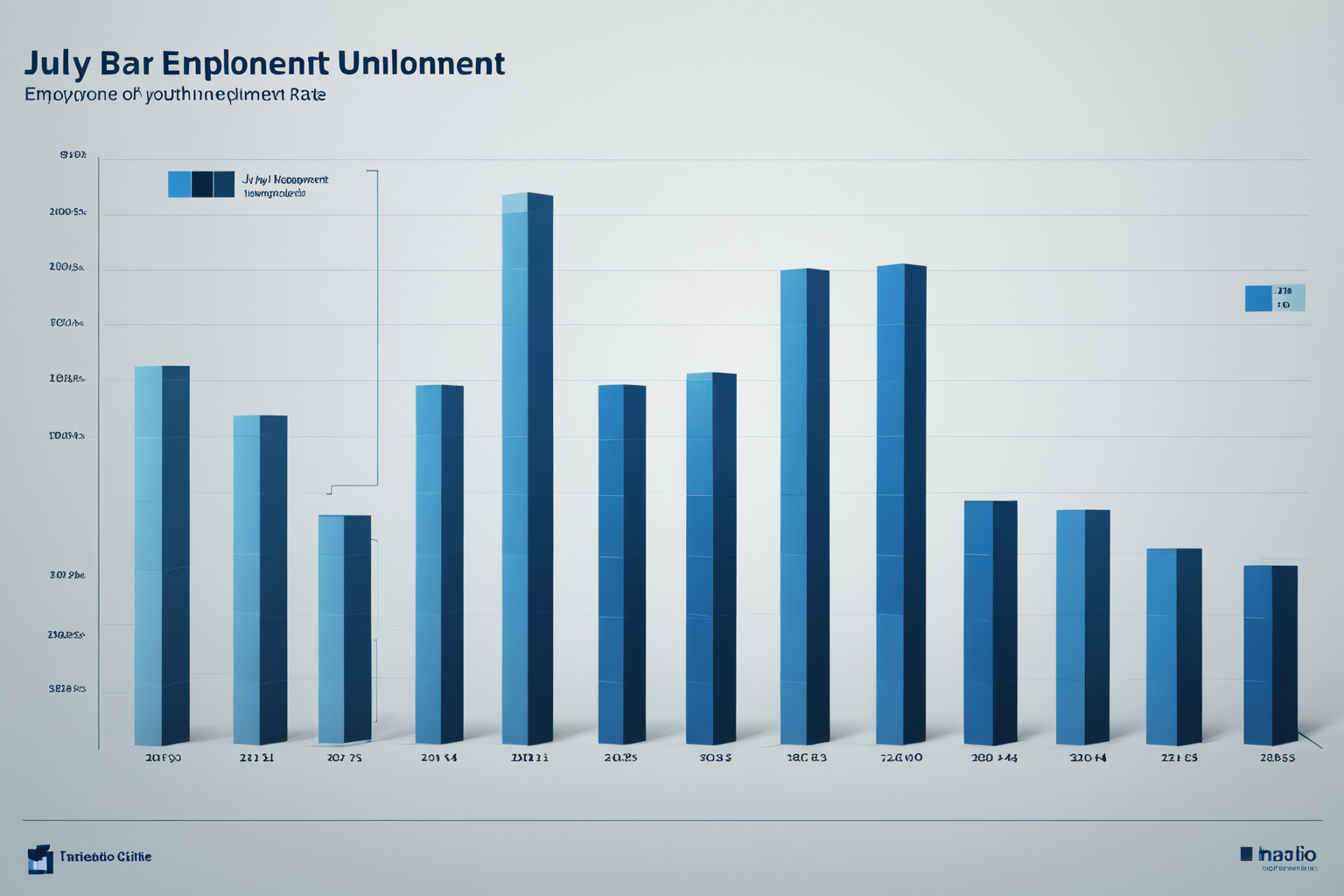
July Employment Growth and Youth Unemployment Deterioration
July employment rose by 108,000 people, showing recovery from the previous month, but youth unemployment reached a four-year high. The government plans to release its 'Youth Job Recovery Plan' in Q3 as it addresses growing imbalances in the labor market structure.
Services Sector-Driven Employment Growth and Youth Employment Deterioration
The July employment increase was led by the services sector, while manufacturing and construction sectors continued to see declining employment. Specifically, youth unemployment (ages 15-29) reached a four-year high, with employment numbers dropping by 190,000. This marks a 26-month consecutive decline, highlighting severe structural imbalances in the labor market.
The government plans to release its 'Youth Job Recovery Plan' by Q3, and despite increased semiconductor exports, the proportion of employed people did not rise significantly. In Gwangju and Jeonnam regions, youth employment is declining with low wages exacerbating job-seeking difficulties.
Deepening Regional Employment Imbalances
Gwangju and Jeonnam face shortages of both workers and jobs, with the food industry hitting growth limits due to labor shortages. In Chungbuk, retail and restaurant services saw strong growth, but manufacturing employment share reached a historical low in Daegu and Gyeongbuk.
Employment rates in Seoul (69.8%) remain higher than non-Seoul regions (66.3%), with increasing economic activity among elderly populations. Employment growth by those aged 60+ has driven overall employment increases, contrasting sharply with deteriorating youth employment conditions—a structural issue that has drawn attention.
International Debate Over Revised Employment Statistics
The U.S. revised July employment data as a 'shock,' prompting political responses. Former President Trump dismissed the statistics agency director over dissatisfaction with employment figures, and the Federal Reserve lowered its likelihood of raising interest rates. However, this has no direct relevance to South Korea's employment situation, so it did not impact government response.
Government Youth Job Recovery Plan
The government plans to release its 'Youth Job Recovery Plan' by Q3, with specific policies expected to address youth employment deterioration. The plan is likely to include region-specific support measures aimed at reducing the gap between Seoul and non-Seoul regions.
So far, publicly available information includes the government's announcement to fully implement the 'Youth New Deal,' focusing on strengthening support for young people and vulnerable groups. However, specific implementation details and budget scale remain undisclosed, with expectations that they will be revealed in Q3.
Analyzing Structural Employment Imbalances
In July's employment statistics, while the services sector led to increased employment, youth employment conditions worsened. The four-year high in youth unemployment and declining employment numbers indicate structural issues. Manufacturing and construction job losses continue, reflecting a decline in jobs preferred by young people.
In Gwangju and Jeonnam regions, decreasing youth employment with low wages has intensified job-seeking difficulties. This reflects limitations in regional economic activation, highlighting the need for government-targeted support at the regional level.
In Chungbuk, retail and food service sectors saw strong growth, but manufacturing employment share reached a historical low in Daegu and Gyeongbuk. This indicates differing regional industrial structures, directly impacting youth employment conditions.
Government Policies and Market Response
The government announced its intention to fully implement the 'Youth New Deal,' strengthening support for young people and vulnerable groups. However, despite increased semiconductor exports, the proportion of employed individuals did not rise significantly—indicating a mismatch between changing employment structures and industrial structure.
U.S. revisions to employment statistics and subsequent political debates are unrelated to Korea's situation, so they have not affected government response. Nevertheless, potential impacts from international economic changes on Korea's exports and employment should be monitored.
Future Outlook and Response Strategies
The government plans to release its Youth Job Recovery Plan by Q3, which is expected to help improve the employment situation once specific details are revealed. Region-specific support measures aimed at reducing the gap between Seoul and non-Seoul regions are anticipated to be included.
Additional government support is needed in Gwangju and Jeonnam to address declining youth employment and wage issues. Similarly, Daegu and Gyeongbuk, where manufacturing job share remains low, urgently need strategies to stabilize youth employment.
Key Information to Note
The July employment increase and deteriorating youth unemployment represent structural problems. The government's 'Youth Job Recovery Plan' is expected to address these issues. However, more specific measures addressing regional employment imbalances and industrial structure changes are necessary.
The government plans to release the Youth Job Recovery Plan in Q3, where specific implementation details and budget scale will be disclosed. Region-specific support policies aimed at reducing the gap between Seoul and non-Seoul regions are also expected to be included.
Frequently Asked Questions
What caused youth unemployment to reach a four-year high?
Youth unemployment deterioration stems from declining job opportunities in manufacturing and construction sectors, contrasting with service-sector-led employment growth. Specifically, fewer jobs in industries preferred by young people have led to rising unemployment rates.
How is the government planning its Youth Job Recovery Plan?
The government plans to fully implement the 'Youth New Deal' by strengthening support for young people and vulnerable groups. Specific details will be released in Q3, including region-specific support measures aimed at reducing the Seoul-non-Seoul employment gap.
Why is youth employment declining in Gwangju and Jeonnam?
In Gwangju and Jeonnam, there's a shortage of both workers and jobs, with industries like food production hitting growth limits due to labor shortages. Low wages have led many young people to move elsewhere, resulting in declining employment numbers.
Frequently Asked Questions
July employment statistics show contrasting trends: rising employment driven by services but worsening youth unemployment. Structural issues and regional imbalances are deepening. The government plans to release its 'Youth Job Recovery Plan' in Q3, where specific support measures and budget details will be disclosed. Region-specific policies to reduce the Seoul-non-Seoul employment gap are urgent, and creating jobs aligned with industrial structure is needed for youth employment stability.
You can view similar articles in one place.
View Related ArticlesFAQ
What caused youth unemployment to reach a four-year high?
Youth unemployment deterioration stems from declining job opportunities in manufacturing and construction sectors, contrasting with service-sector-led employment growth. Specifically, fewer jobs in industries preferred by young people have led to rising unemployment rates.
How is the government planning its Youth Job Recovery Plan?
The government plans to fully implement the 'Youth New Deal' by strengthening support for young people and vulnerable groups. Specific details will be released in Q3, including region-specific support measures aimed at reducing the Seoul-non-Seoul employment gap.
Why is youth employment declining in Gwangju and Jeonnam?
In Gwangju and Jeonnam, there's a shortage of both workers and jobs, with industries like food production hitting growth limits due to labor shortages. Low wages have led many young people to move elsewhere, resulting in declining employment numbers.
Korean Source
This article is an English localization of a Korean-language report from BlogScore. Original: 7월 취업자 증가, 서비스업이 주도한 이유와 향후 전망