
July Consumer Price Index Rises 2.8%, Government Response Plan?
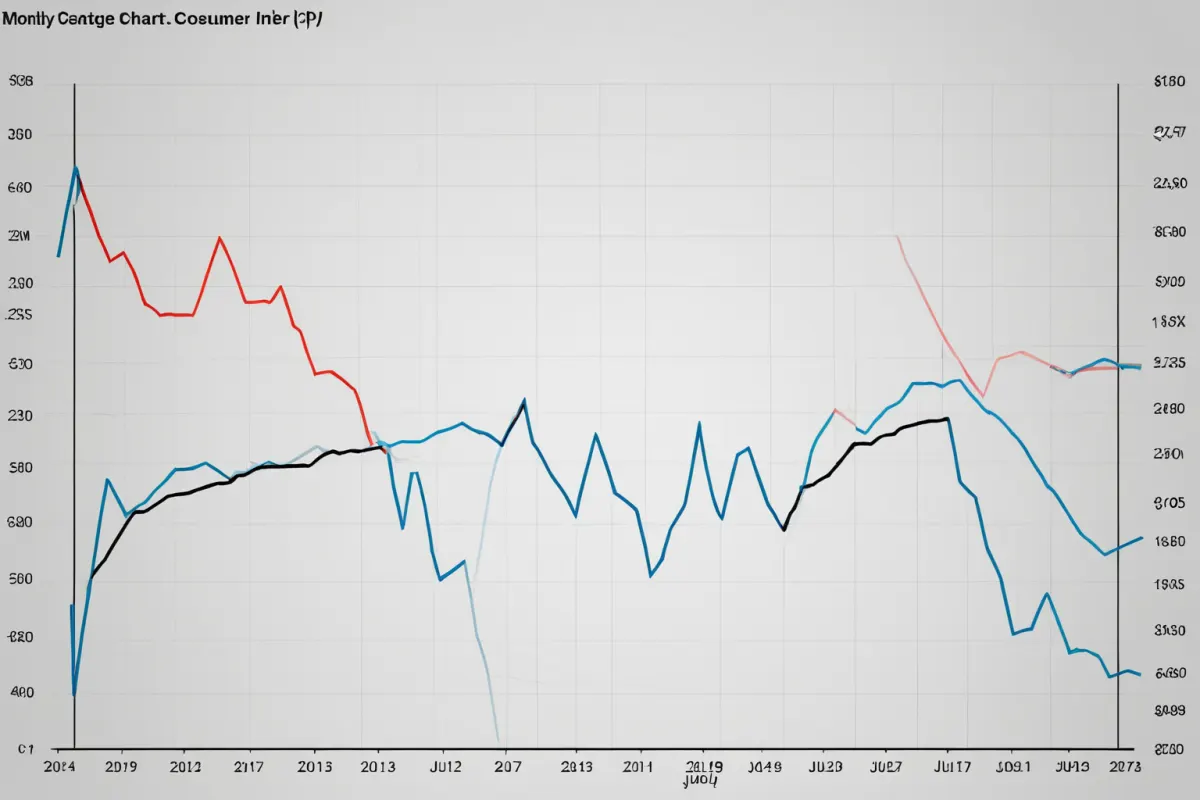
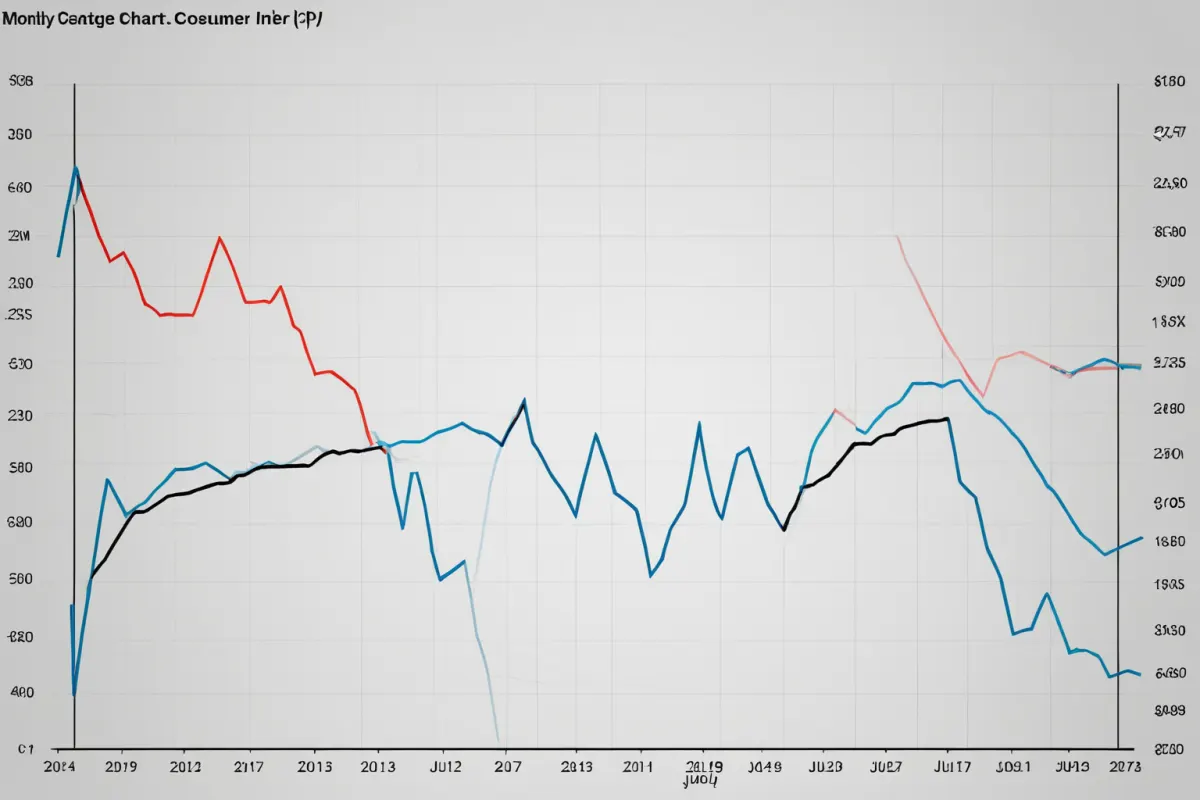
July Consumer Price Index at 2.8%, Returning to 2% Range After Three Months
The July consumer price index rose by 2.8%, marking the first time in three months that it has returned to the 2% range, thanks to stabilized oil and agricultural prices. The government is focusing on measures such as maximum pricing and livelihood cost support to ease inflation pressures.
Government Response Measures and Price Trends
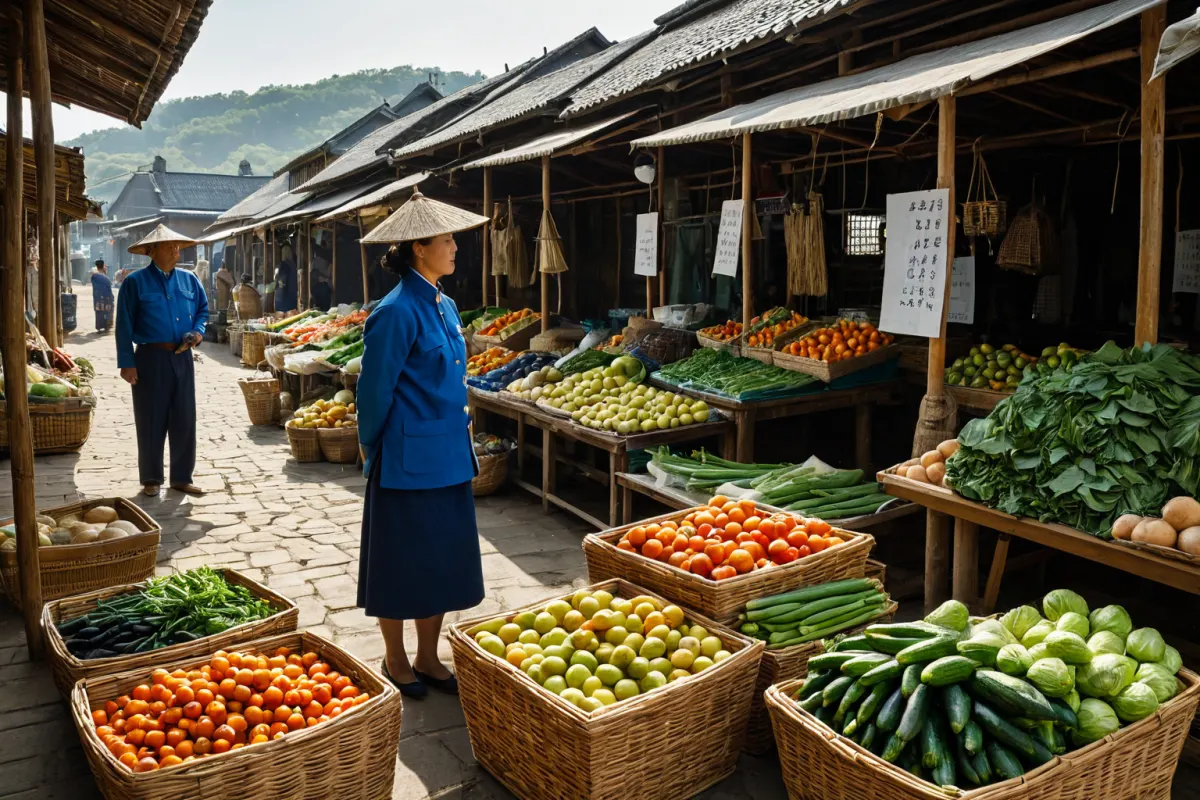
The July consumer price index rose 0.3 percentage points less than expected due to the oil maximum pricing system. The government has already invested 22 billion won in discounts for agricultural, livestock, and aquatic products through June, with plans to inject an additional 1 trillion won for livelihood cost stability.
The prices of agricultural and livestock products rose by only 0.5%, contributing to overall consumer price stability. To maintain this trend, the government plans to continue expanding imports and implementing discount policies.
Expected Inflation Pressure in August
In August, inflation pressure is expected to increase by 0.8 percentage points due to the base effect of SKT's telecom discount policy. This follows the end of last year's similar discount program, prompting the government to prepare additional response measures.
While Japan's central bank recently raised interest rates for the first time in 31 years to 1%, South Korea has yet to announce specific countermeasures. The potential rise in import prices due to Japan's rate hike requires attention.
Trends in Core Inflation and Oil Prices
Core inflation reached its highest point in 31 months, but overall price stability was maintained as agricultural prices fell. Due to the government's maximum pricing system, oil price increases have slowed, contributing to July's consumer price stability.
Rising core inflation is attributed to higher service sector and food prices, particularly due to increased cooling costs from heatwaves and rising restaurant prices.
Government Measures for Livelihood Cost Stability
The government has announced a 1 trillion won investment for livelihood cost stability, aiming to suppress price increases through agricultural and livestock product discounts and expanded imports. By June, 22 billion won had already been invested to maintain the downward trend in agricultural prices.
Specifically, the government is preparing additional support measures to address rising prices due to heatwaves and the base effect of telecom discounts, which are seen as strategic responses to anticipated inflation pressures in August.
Changes in International Economic Environment
The specific impact of Japan's interest rate hike on South Korea remains unclear. However, there is potential for increased import price pressure due to higher Japanese rates, which could affect consumer prices after August.
The government is preparing additional response measures considering external variables like Japan's rate increase, though no concrete plans have been announced yet.
Analysis of July Consumer Price Index Increase
The 2.8% rise in the July consumer price index, returning to the 2% range after three months, is attributed to stable oil prices and falling agricultural costs. Government measures appear to be contributing to price stability.
The stabilization of oil and agricultural prices has been analyzed as a result of the government's maximum pricing system and agricultural product discount support, playing an important role in maintaining consumer price increases within the 2% range.
Expected Price Trends for August
In August, additional inflation pressure is expected due to the base effect of SKT's telecom discounts. This follows the end of the discount program that was active through July, prompting the government to prepare supplementary support measures.
The potential rise in import prices from Japan's interest rate hike must also be considered, which could impact consumer prices after August.
Verification of Government Policy Effectiveness
Government policies such as maximum pricing and agricultural product discounts have positively impacted price stability. The slowdown in July's consumer price index growth to 2.8% reflects these policy effects.
The discount support for agricultural and livestock products, already invested at a scale of 22 billion won through June, has contributed to maintaining the downward trend in agricultural prices. The government plans to expand this initiative to further stabilize livelihood costs.
Information to Verify
The specific impact of Japan's central bank rate hike on South Korea remains unconfirmed and could be a significant factor influencing price trends after August.
The 0.8 percentage point increase in inflation pressure due to the base effect of SKT's telecom discounts has been confirmed, with the government preparing additional support measures accordingly.
Frequently Asked Questions
How was July's consumer price index determined?
It returned to the 2% range after three months due to stable oil prices and falling agricultural costs.
What measures has the government taken to stabilize prices?
The government has implemented maximum pricing for oil and discount support (22 billion won invested by June) for agricultural, livestock, and aquatic products.
What inflation pressures are expected in August?
A 0.8 percentage point increase is expected due to the base effect of SKT's telecom discounts, along with potential import price rises from Japan's interest rate hike.
Frequently Asked Questions
The July consumer price index rose to 2.8%, returning to the 2% range after three months, reflecting the effectiveness of government policies such as maximum pricing and agricultural product discounts. However, August is expected to bring additional inflation pressures from the base effect of SKT's telecom discounts and potential import price increases due to Japan's interest rate hike. The government plans to announce further measures for livelihood cost stability.
The specific impact of Japan's central bank rate hike remains unconfirmed and could be a key factor in post-August price trends. The government needs to prepare rapid countermeasures considering changes in the international economic environment.
You can view similar articles on this topic all at once.
View Related ArticlesFAQ
How was July's consumer price index determined?
It returned to the 2% range after three months due to stable oil prices and falling agricultural costs.
What measures has the government taken to stabilize prices?
The government has implemented maximum pricing for oil and discount support (22 billion won invested by June) for agricultural, livestock, and aquatic products.
What inflation pressures are expected in August?
A 0.8 percentage point increase is expected due to the base effect of SKT's telecom discounts, along with potential import price rises from Japan's interest rate hike.
Korean Source
This article is an English localization of a Korean-language report from BlogScore. Original: 7월 소비자물가 2.8% 상승, 정부 대응 방안은?