
Jiu-Jitsu Gi vs. Taekwondo Uniform: Key Differences in Care and Maintenance
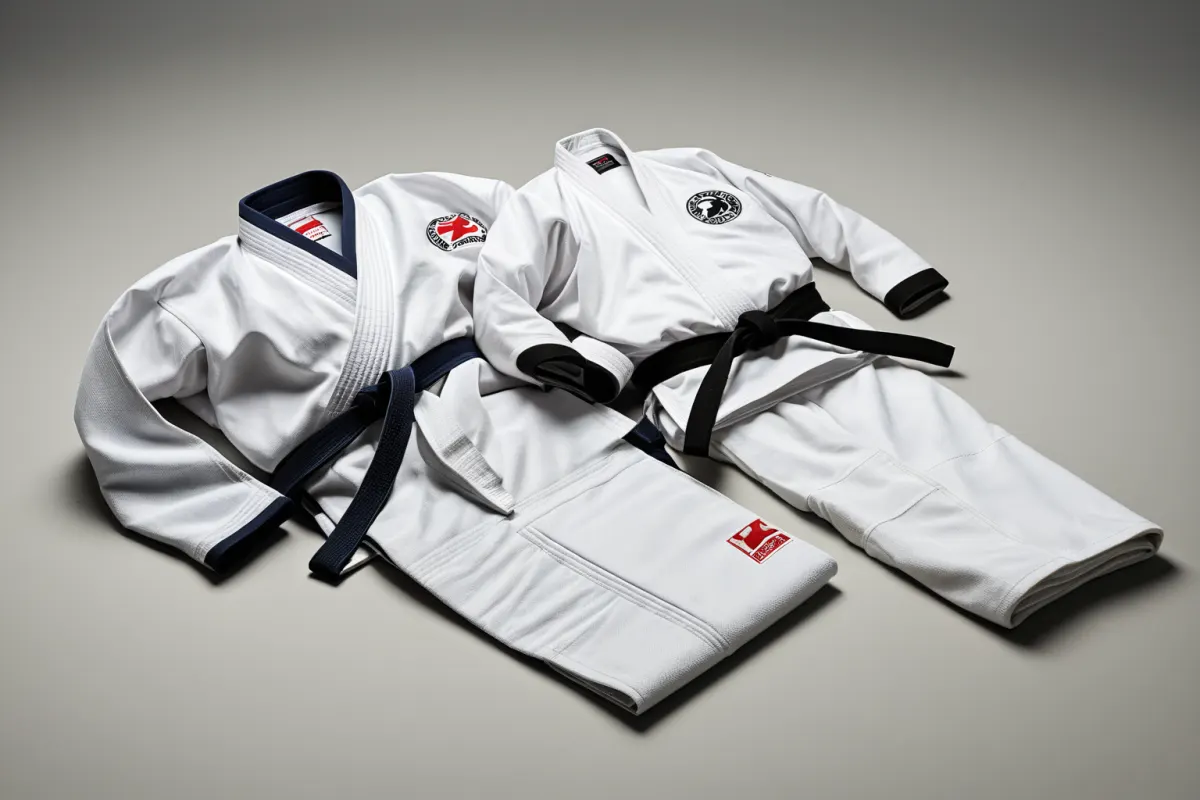
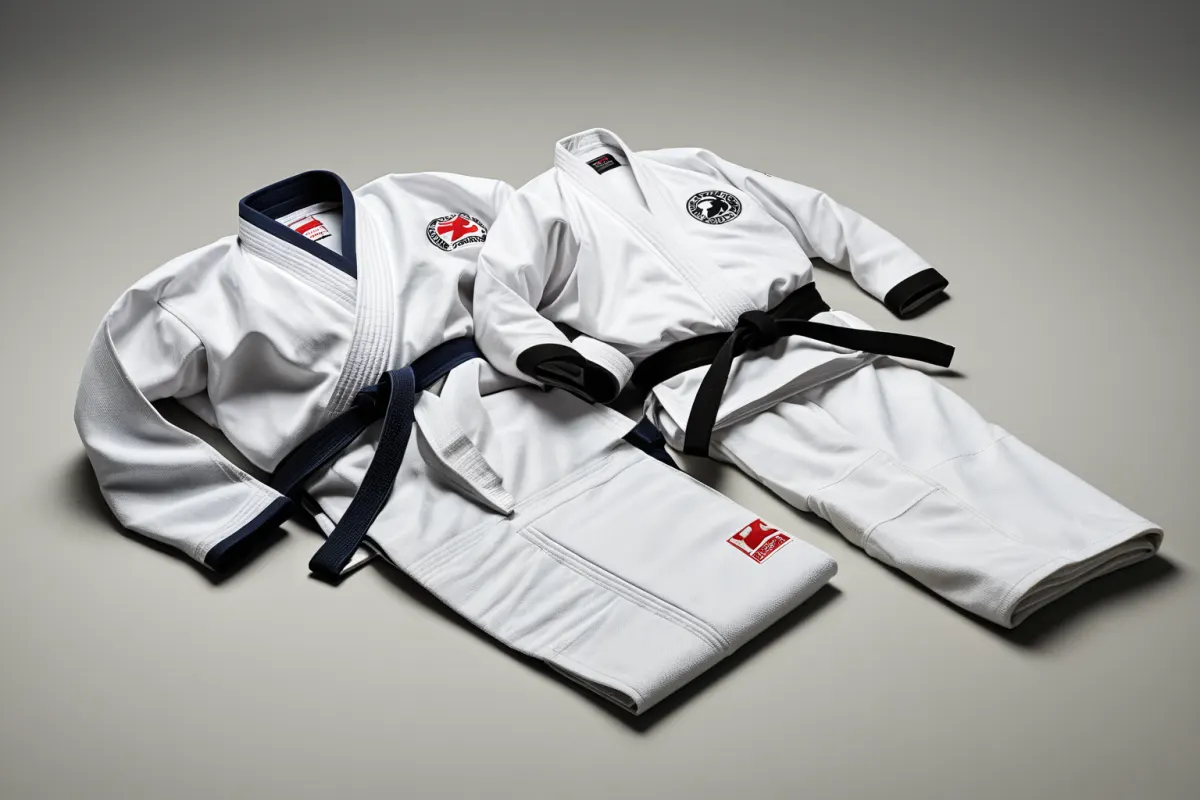
The care methods for jiu-jitsu gis and taekwondo uniforms are more different than you might expect. To put it simply, jiu-jitsu gis require stronger washing care because of sweat and frequent grappling contact, while taekwondo uniforms, with their relatively lightweight fabric, prioritize maintaining shape and preventing discoloration.
Both might seem like they can just be tossed in the washing machine, but in reality, differences in fabric thickness, how much sweat odor sets in, and friction frequency make a big difference. Even with the same white uniform, different care habits can significantly affect longevity.
The Key to Jiu-Jitsu Gi Care: Removing Sweat Odor
Jiu-jitsu involves a lot of ground work and prolonged grappling, so sweat and body odor tend to deeply penetrate the fabric. Therefore, the goal of washing isn't just to make it look clean—it's about removing odors and bacteria as quickly as possible.
It's important to air out your gi immediately after practice. Leaving it in a bag for too long lets odors seep into the fabric, making them hard to remove even after washing. Simply unfolding it and laying it flat at home can make a noticeable difference.
When washing, lukewarm or cold water is safest. Hot water may help with stains but repeated use can cause shrinking or damage to the fabric. Especially for thicker gis, avoid high-temperature washes even if they don't look clean right away—opting for gentler methods is safer.
See more articles on similar topics in one place.
View Related ArticlesThe Key to Taekwondo Uniform Care: Maintaining Shape and White Color
Compared to jiu-jitsu gis, taekwondo uniforms are lighter and experience less friction, so while odor management is still important, maintaining the shape of collars, sleeves, and pant legs often requires more attention. Frequent ironing or excessive twisting can easily distort the shape.
White uniforms tend to yellow if care is neglected, so rinsing off stains immediately after practice is a good habit. Especially around the neck and underarms—areas where sweat accumulates—it's helpful to do a quick hand wash before washing to prevent discoloration.
Avoid leaving your uniform in direct sunlight for long periods after washing. While sunlight may seem to disinfect, repeated exposure can cause white uniforms to turn dull or weaken the fabric.
Check Fabric Labels Before Washing
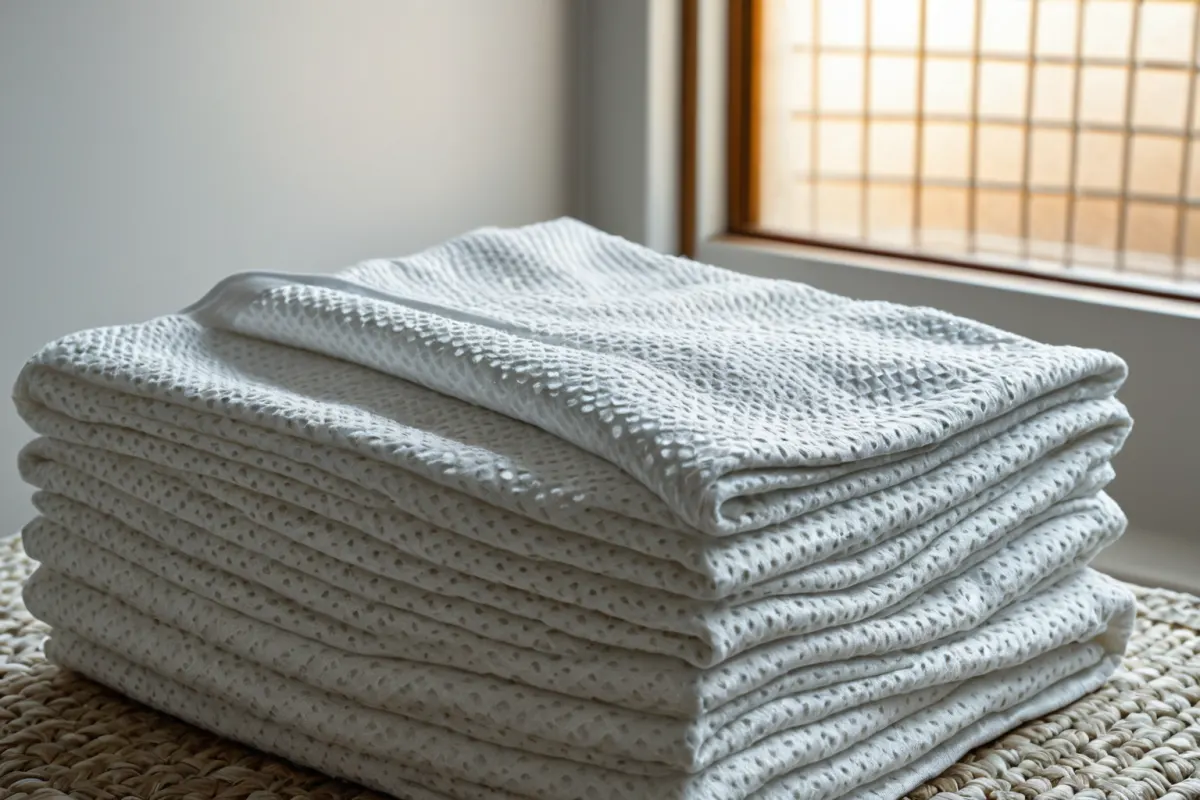
Proper care begins by checking the fabric label. High cotton content absorbs sweat well but dries slowly, while polyester blends are easier to maintain but may be sensitive to heat.
For example, if your jiu-jitsu gi is made mostly of thick cotton, it's better to wash it inside out in a mesh bag rather than scrubbing hard. Conversely, for lighter and thinner taekwondo uniforms, using a gentle washing cycle with less spin can help reduce wrinkles.
Brand differences also matter. Some brands like Adidas Combat Sports emphasize sport-specific fabric design, making care easier—but since fabrics vary between products, it's always best to check the label before applying any method consistently.
Washing Habits That Reduce Odor and Shrinkage
One common mistake when washing either type of uniform is overusing fabric softener. While softeners may improve scent, they reduce sweat absorption and can leave residue inside the fabric, causing odors to linger longer.
If you're not washing many items at once, hand-washing separately is ideal. Even if it's the same color as other clothes, washing with regular t-shirts increases friction and can damage the unique texture of your uniform more quickly. Also, separate uniforms with velcro or zippers from other garments to avoid snags.
Avoid over-spinning during the spin cycle. Focus on removing water, then hang it up immediately to minimize wrinkles. Jiu-jitsu gis are thicker and take longer to dry, so spreading out sleeves and pant legs in a well-ventilated area helps them dry evenly.
Real-Life Care Examples
For example, let's say you attended jiu-jitsu class on Monday evening. As soon as you get home, take your gi out of the bag, turn it inside out, and lay it flat to air. Lightly dampen sweat-stained areas with lukewarm water before placing it in a mesh bag for washing. Washing it first thing Tuesday morning will leave much less odor.
For taekwondo uniforms worn 2–3 times a week, rinsing sweat-stained areas immediately and doing a full wash once or twice a week is more practical than aggressive daily washing. Before competitions or promotions, double-check the collar and sleeve ends for any needed adjustments to keep a neat appearance.
For children's taekwondo uniforms, which get dirty quickly due to high activity levels, gently rubbing the neck area before washing helps maintain the white color. In contrast, adult jiu-jitsu gis absorb sweat deeply, so avoiding delays in washing is the most important point for longevity.
Differences in Storage Habits
Storage is just as important as washing. Folding a gi while it's still damp can cause odors to return, and storing it with moisture leads to faster fabric deterioration. After drying completely, airing it out one more time is recommended.
For long-term storage, use breathable covers or cotton storage boxes instead of plastic wrap. Jiu-jitsu gis are thicker and prone to creasing if stored under pressure, so avoid overcrowding them. Taekwondo uniforms require a neat appearance, so folding along consistent lines helps maintain their look for the next wear. Also, store black belts or belt ends separately to prevent moisture from causing discoloration.
Key Care Points Vary by Uniform Type
Jiu-jitsu gis need stronger washing responses due to thickness, friction, and sweat odor, while taekwondo uniforms focus on preserving white color and shape. Even though both are sport uniforms, different usage environments mean care methods must vary accordingly.
To extend the life of your uniform, consistent habits matter more than expensive detergents. Just following these four simple steps—airing immediately after practice, checking labels before washing, avoiding excessive heat, and drying promptly after washing—can significantly improve longevity.
If you're buying a jiu-jitsu gi for the first time, consider convenience in washing as part of your selection. Similarly, when choosing a taekwondo uniform, look beyond design to how quickly the fabric dries, which can reduce maintenance stress.
FAQ
Q1. Should I wash my jiu-jitsu gi every time after practice?
If possible, yes. Since it involves a lot of sweat and grappling contact, odors and stains tend to set in easily.
Q2. Can I use fabric softener on taekwondo uniforms?
A small amount is okay occasionally, but frequent heavy use isn't recommended as it can reduce absorbency and leave residue.
Q3. How do I prevent white uniforms from yellowing?
Don't leave sweat stains sitting too long—rinse them off immediately after practice, minimize direct sunlight drying, and pay special attention to the neck and underarm areas.
Care for your uniform is ultimately about building habits for longevity. Recent products have been improving fabric and finishing techniques, so always check the product label of newly purchased gis or uniforms before applying any care method.
Keep exploring similar topics.
View Category ArticlesFAQ
Should I wash my jiu-jitsu gi every time after practice?
If possible, yes. Since it involves a lot of sweat and grappling contact, odors and stains tend to set in easily.
Can I use fabric softener on taekwondo uniforms?
A small amount is okay occasionally, but frequent heavy use isn't recommended as it can reduce absorbency and leave residue.
How do I prevent white uniforms from yellowing?
Don't leave sweat stains sitting too long—rinse them off immediately after practice, minimize direct sunlight drying, and pay special attention to the neck and underarm areas.
Korean Source
This article is an English localization of a Korean-language report from BlogScore. Original: 주짓수도복과 태권도 도복, 관리법 차이 정리