
Understanding Flood Damage Compensation and Application Process in Jeonnam-Gwangju
Understanding Flood Damage Compensation and Application Process in Jeonnam-Gwangju
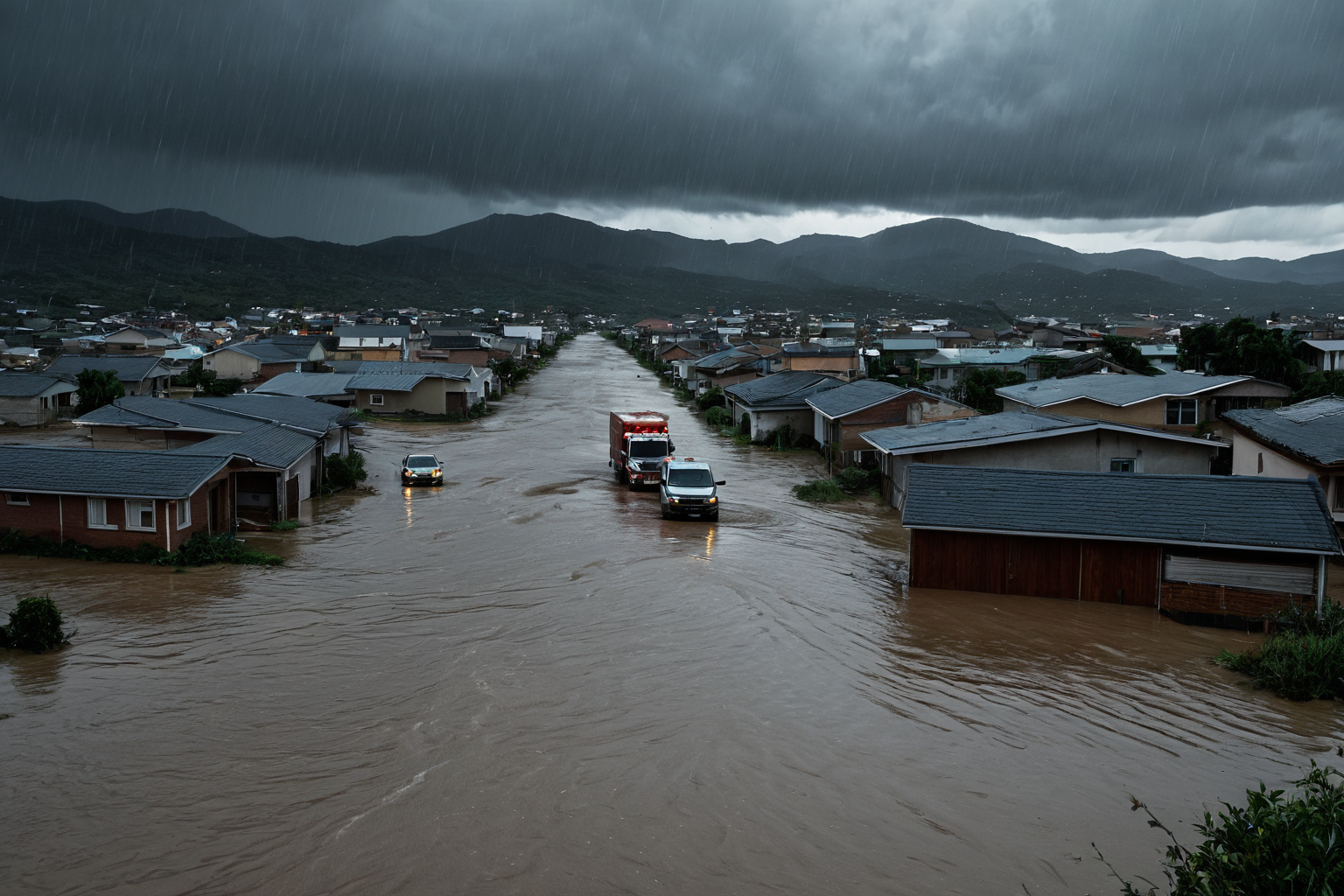
Floods caused by heavy rainfall between August 30-31, 2026, led to a total of 83 reported damages across the Jeonnam-Gwangju region. In particular, Bosing recorded hourly rainfall of 124.6mm, while Yeonggwang experienced extreme rain of 344-345.5mm within a single day, causing widespread flooding and isolation.
Bosing, Gwangyang, and Suncheon areas saw upgraded flood warnings, with the damage rate for Kimje's Nonggong agricultural area adjusted from 15% to 30%. However, unauthorized constructions are excluded from compensation, and the city of Gwangju is considering demolition or relocation of Yangdong Bokgae Sangga, a historically flood-prone area.
Specific compensation standards and application procedures for vehicle and road damage have not yet been released. Relevant information can be found on the Jeonnam Province and Gwangju City websites, with further updates to follow soon.
Flood Damage Overview
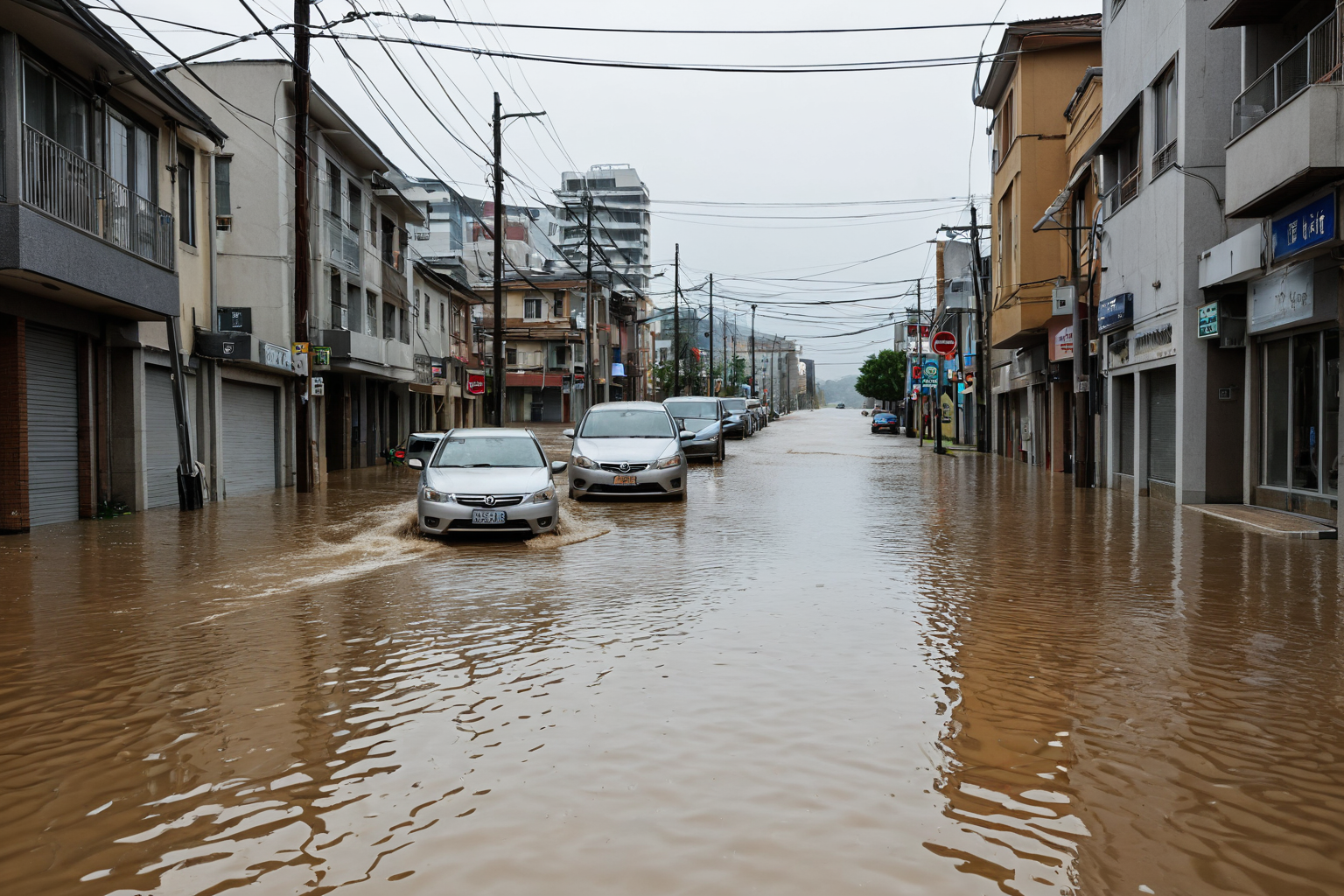
On August 30 in Bosing (Deokryang-myeon), hourly rainfall reached up to 124.6mm, causing widespread home flooding and isolation incidents. That day, flood warnings were issued for Bosing, Gwangyang, and Suncheon areas, with Jeonnam Province beginning to receive damage reports.
On August 31 in Yeonggwang Nakkwoldo, a total of 550mm of rain fell over two days. This caused widespread flooding across the area, isolating residents. Notably, nearly 344-345.5mm of rain fell within one day in Yeonggwang, worsening the damage.
By August 31, Jeonnam Province had received a total of 83 flood-related damage reports, mostly involving home and road flooding. In Gwangju Metropolitan City, 87 roads were submerged, with significant vehicle damage reported.
Damage Scale and Analysis
Bosing experienced flooding due to hourly rainfall of up to 124.6mm, affecting homes and farmland. This level matches the intensity of a heavy rain warning issued by the Korea Meteorological Administration. Flood warnings were activated in Bosing, Gwangyang, and Suncheon areas, prompting residents to evacuate.
In Yeonggwang Nakkwoldo, two days saw a total of 550mm of rainfall, with one day alone recording 344-345.5mm of rain, causing widespread flooding. Residents in the area were assisted by fire departments and rescue teams during isolation incidents.
Kimje's Nonggong agricultural area suffered flood damage, with the damage rate adjusted from 15% to 30%. This adjustment is a key factor in the compensation process for farmers. However, unauthorized constructions are not eligible for compensation, causing confusion among residents.
Compensation Policies and Systems
Jeonnam Province and Gwangju City operate systems to compensate flood-related damages. However, specific standards and application procedures have yet to be made public. Some media outlets reported the existence of a system for compensating flood damage but did not provide detailed information.
Gwangju is considering demolishing or relocating Yangdong Bokgae Sangga, an area prone to repeated flooding. This measure aims to prevent future floods and improve residents' living conditions.
Vehicle and road damage compensation is handled by relevant departments, but specific procedures and standards remain undisclosed. Jeonnam Province and Gwangju City plan to post notices on their websites with further details.
Response Measures and Safety Information
Residents affected by floods should immediately report incidents to fire stations or local authorities. Jeonnam Province operates a 24-hour emergency center to handle damage reports.
To proceed with compensation, residents must prepare relevant documents. For home flooding damage, a loss assessment report and insurance certificate are required. Agricultural damage may be compensated through agricultural insurance programs.
Gwangju is reviewing plans to demolish or relocate Yangdong Bokgae Sangga, a historically flood-prone area, as part of efforts to prevent future floods. Residents can check the city's website for updates on this initiative.
Key Information to Verify
Residents should verify the latest compensation standards and application methods through official websites of Jeonnam Province and Gwangju City. Key information includes:
- Compensation scope: Home flooding, road flooding, agricultural damage, etc.
- Application period: Not yet announced
- Necessary documents: Loss assessment report, insurance certificate, copy of identification
Compensation-related information can be found on the Jeonnam Province and Gwangju City websites. Updates will be provided promptly as more details become available. Residents are advised to regularly check these pages for the latest information.
Frequently Asked Questions
Are unauthorized constructions eligible for compensation?
No, unauthorized constructions are excluded from compensation. This decision is based on relevant laws and regulations.
How does the compensation process work after reporting damage?
After reporting damage, residents will receive a loss assessment before submitting required documents for compensation. Specific procedures have not yet been released.
Is Gwangju City planning to demolish or relocate flood-prone areas?
Yes, Gwangju is considering the demolition and relocation of Yangdong Bokgae Sangga as part of a strategy to prevent future floods. This initiative aims to improve residents' living conditions.
Frequently Asked Questions
The August 2026 floods in Jeonnam-Gwangju caused significant damage, but compensation guidelines and procedures remain incomplete. Residents should check the official websites of Jeonnam Province and Gwangju City for updates and prepare necessary documents.
Once specific standards are released, residents can apply quickly. Long-term measures include reviewing plans to demolish or relocate historically flood-prone areas like Yangdong Bokgae Sangga, which will help ensure resident safety. Authorities are working to provide timely support as more information becomes available.
You can view similar articles on this topic in one place.
View Related ArticlesFAQ
Are unauthorized constructions eligible for compensation?
No, unauthorized constructions are excluded from compensation. This decision is based on relevant laws and regulations.
How does the compensation process work after reporting damage?
After reporting damage, residents will receive a loss assessment before submitting required documents for compensation. Specific procedures have not yet been released.
Is Gwangju City planning to demolish or relocate flood-prone areas?
Yes, Gwangju is considering the demolition and relocation of Yangdong Bokgae Sangga as part of a strategy to prevent future floods. This initiative aims to improve residents' living conditions.
Korean Source
This article is an English localization of a Korean-language report from BlogScore. Original: 전남광주 폭우 피해 보상 기준과 신청 방법