
How Firefighters Responded to the Jeonju Songcheondong Market Fire in 2026
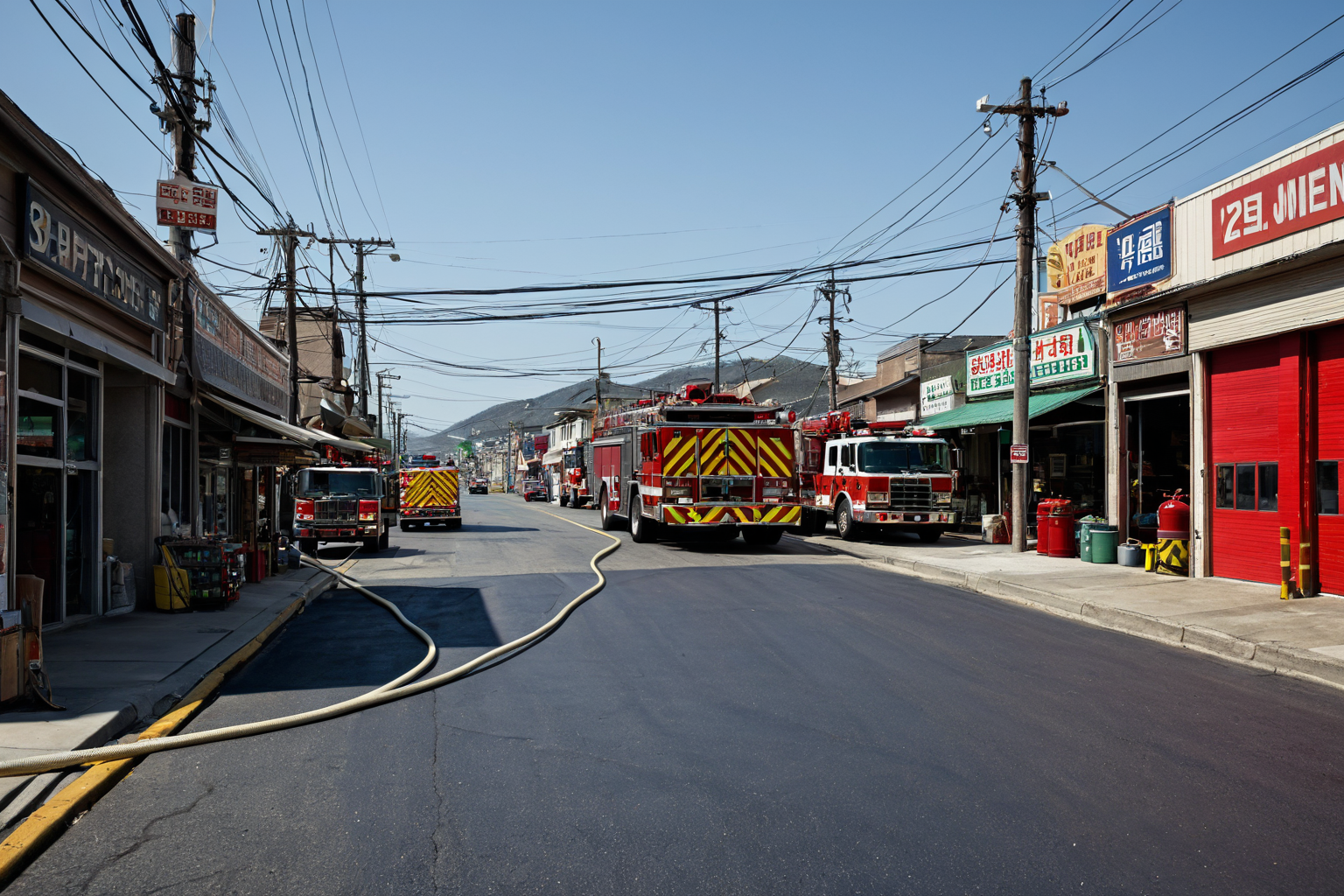
A fire broke out at the Jeonju Songcheondong Farmers' Market on August 10, 2026, and was extinguished within 4 hours and 20 minutes through systematic firefighting efforts. This case has drawn attention to how the fire department activated Level 2 response protocols and strengthened capabilities through emergency rescue control team training by Jongno Fire Station. While the cause of the fire remains undetermined, it appears that the market's structure—exempt from mandatory sprinkler installation—contributed to the scale of damage.
Location and Response Levels for the Jeonju Songcheondong Fire
The fire occurred around 7 a.m. on August 10, 2026, at the Jeonju Songcheondong Farmers' Market. The fire department immediately activated Level 2 response and dispatched personnel and equipment to the scene. This action reflected the significant scale and risk of the incident, following procedures similar to those used during the Incheon Coupang Logistics Center fire.
The fire was extinguished in 4 hours and 20 minutes, demonstrating how rapid response and training by Jongno Fire Station's emergency rescue control team contributed to effective firefighting. The market is located in an area with mixed commercial and residential zones, raising concerns about potential large-scale damage. However, thanks to the swift actions of firefighters, there were no casualties.
Notably, the Songcheondong area features a mix of commercial and residential spaces due to urban development, making evacuation routes and safe distances critical during fires. In this case, evacuations for nearby businesses and residents proceeded smoothly, with special support provided for vulnerable groups such as elderly individuals and people with disabilities. This approach aligns with recent revisions to urban fire response protocols emphasizing community cooperation between local authorities and the fire department.
Incident Details and Damage Assessment
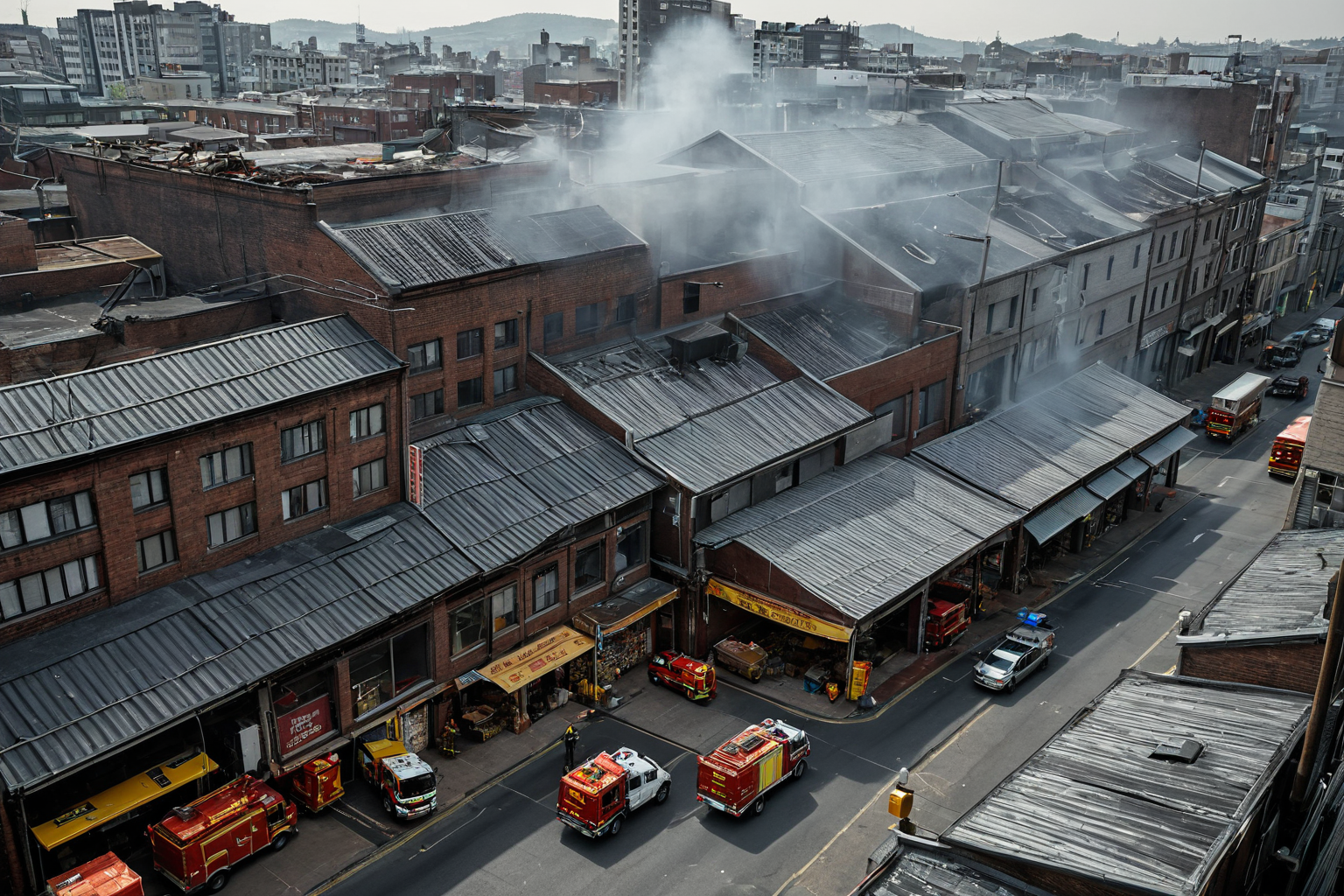
After the fire broke out, firefighters began on-site investigations and extinguished it within 4 hours and 20 minutes. While the cause remains undetermined, structural issues at the market made identifying the ignition point difficult, as evidenced by a collapsed roof. Total damages were estimated at approximately 1.1 billion won (about $800,000), with analysis suggesting that the absence of mandatory sprinklers contributed to the damage.
The farmers' market is not required to have sprinkler systems installed under current regulations. This lack of early fire suppression capabilities was a limitation during this incident and highlights a broader issue in safety management for similar facilities. Given that such markets store diverse products like seafood and meat, fires can spread rapidly, increasing pressure on firefighting efforts.
During the fire, vendors voluntarily assisted with evacuations, and local residents and business associations collaborated to support firefighting efforts, showcasing strong community solidarity. This was seen as a positive example of building social safety nets in urban disaster management. Firefighters also analyzed CCTV footage from before and after the incident to determine the cause but faced challenges identifying the exact ignition point.
Fire Cause Investigation and Sprinkler System Issues
The fire's origin remains undetermined, with difficulties in pinpointing the exact ignition location due to structural characteristics of the market. The delay in initial firefighting efforts contributed to a larger scale of damage. The absence of mandatory sprinklers highlighted limitations in fire response capabilities.
Debates about whether certain facilities should be required to install sprinklers have existed for some time, but this incident has drawn attention to structural and management issues at the market. Fire departments believe that safety inspections for non-mandatory sprinkler facilities need strengthening. Given the high fire risk in large commercial spaces like farmers' markets, there is growing discussion about expanding mandatory sprinkler installation requirements through revised fire safety laws.
The scale of damage due to lack of sprinklers is notably significant compared to similar nationwide cases. For instance, during a 2023 fire at a commercial building in Gangnam District, Seoul, the presence of sprinklers reduced damages by approximately 50%—demonstrating how critical early fire suppression systems are.
Fire Department Response Procedures and Safety Information
Upon the fire's outbreak, the department immediately activated Level 2 response and dispatched personnel and equipment. This is standard procedure for incidents involving significant scale or risk. Jongno Fire Station had previously strengthened capabilities through emergency rescue control team training and tabletop exercises during the first half of the year.
The firefighting process followed a similar pattern to that used in the Incheon Coupang Logistics Center fire, validating the department's systematic approach. Additionally, 5 million won (about $4,000) in financial support has been provided to affected vendors, with plans underway for new business facilities to replace damaged ones. This assistance was coordinated by the fire department and local stakeholders.
During investigations, firefighters focused on determining the cause through detailed analysis of the scene. This aligns with recent revisions to fire safety laws emphasizing enhanced cause determination. The equipment and personnel deployment during this incident will serve as reference material for future similar cases.
Key Information to Verify and Future Actions
The exact cause remains undetermined, requiring further investigation. Additionally, the safety management of facilities exempt from mandatory sprinkler installation must be reviewed. The fire department plans to improve response procedures and safety measures based on this incident.
Particularly, discussions about making sprinkler installations mandatory for large commercial spaces like farmers' markets are expected to intensify. Fire departments plan to continue enhancing training and exercises to ensure rapid responses in future incidents. They are also exploring ways to strengthen collaboration with local residents and business associations to develop disaster preparedness plans.
Based on this incident, the fire department aims to revise safety inspection standards for different facilities and expand regular inspections and educational programs for non-sprinkler-equipped buildings. The goal is to prevent fires and improve response capabilities through these measures.
Frequently Asked Questions
What is the first action taken by firefighters when a fire occurs?
Upon discovering a fire, report it immediately to the fire department and activate Level 1 response. This applies when the fire's scale and risk are low.
What triggers a Level 2 response from the fire department?
A Level 2 response is activated when a fire spreads significantly or poses a high risk of casualties. This follows standard systematic procedures for such incidents.
Which facilities are exempt from mandatory sprinkler installation requirements?
Buildings not required to have sprinklers under current regulations, which typically apply only to certain sizes or types of structures as defined by fire safety laws. Large markets like farmers' markets may also fall outside mandatory sprinkler requirements.
You can view similar articles on this topic in one place.
View Related ArticlesFAQ
What is the first action taken by firefighters when a fire occurs?
Upon discovering a fire, report it immediately to the fire department and activate Level 1 response. This applies when the fire's scale and risk are low.
What triggers a Level 2 response from the fire department?
A Level 2 response is activated when a fire spreads significantly or poses a high risk of casualties. This follows standard systematic procedures for such incidents.
Which facilities are exempt from mandatory sprinkler installation requirements?
Buildings not required to have sprinklers under current regulations, which typically apply only to certain sizes or types of structures as defined by fire safety laws. Large markets like farmers' markets may also fall outside mandatory sprinkler requirements.
Korean Source
This article is an English localization of a Korean-language report from BlogScore. Original: 전주 송천동 화재 발생 시 소방서 대응 절차와 주의 사항