
Key Fire Response Tips and Prevention Measures for Jeonju Songcheondong Market
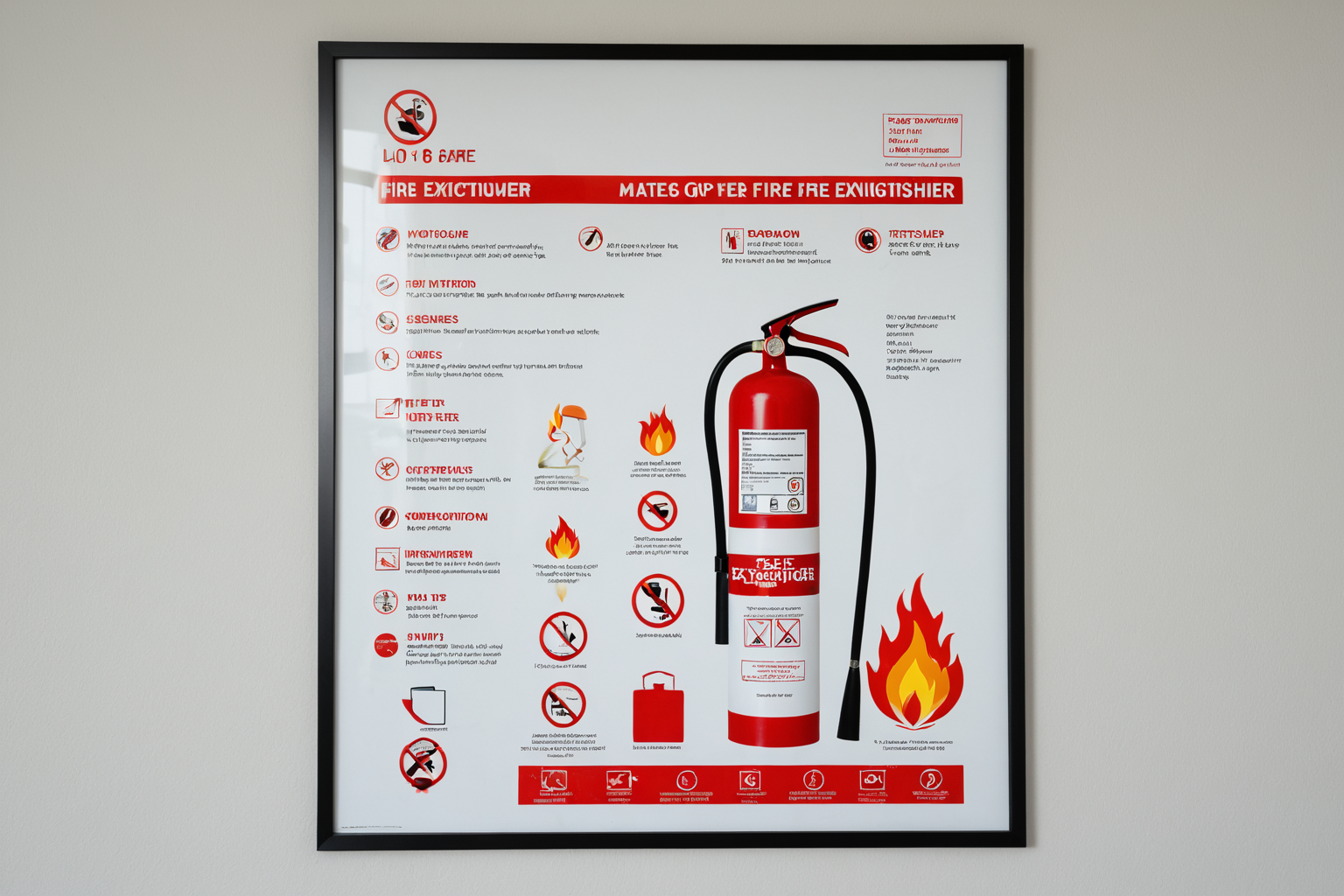
Fire Response Protocols for Jeonju Songcheondong Market
The recent fire at the Jeonju Songcheondong Agricultural Market was extinguished within four hours, with initial use of fire extinguishers playing a key role in preventing spread. The market, which has been operating for 33 years without sprinkler systems, is particularly vulnerable to fires, especially during extreme heatwaves. With August average temperatures in Jeonju exceeding 32°C and frequent heatwave conditions, the risk of fire due to outdated electrical wiring and lack of sprinklers has increased significantly.
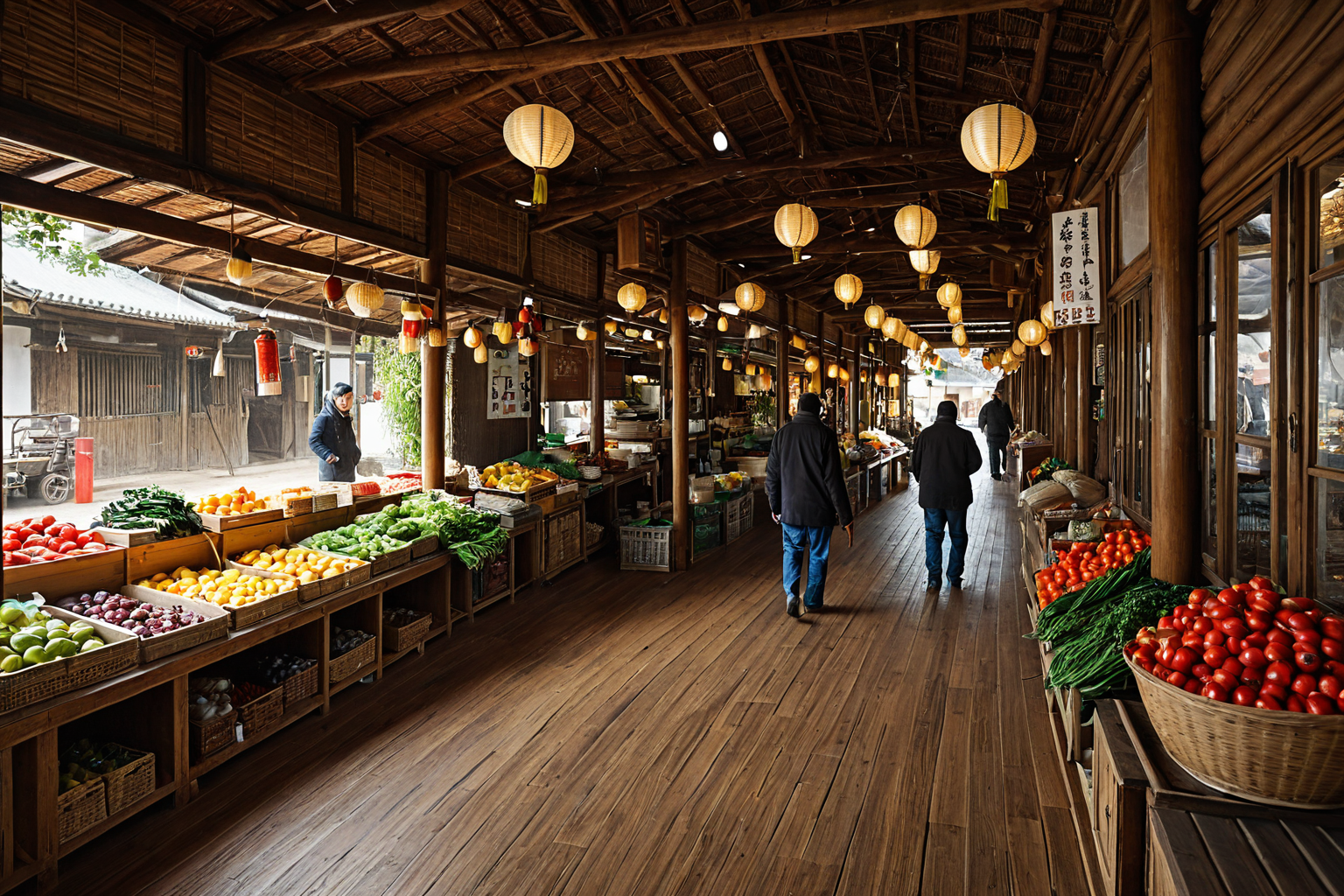
Fire Incident Details and Extinguishing Process
A fire broke out on August 9, 2026, at the live seafood section of the Jeonju Songcheondong Agricultural Market. Fire Response Level 2 was immediately activated. Initial firefighting efforts by market vendors using fire extinguishers prevented further spread. According to reports, within ten minutes of ignition, vendor intervention with fire extinguishers stopped the fire from escalating, which proved critical before firefighters arrived. The fire was contained within four hours, avoiding a major disaster despite impacting businesses ahead of Chuseok (Korean Thanksgiving). Fire authorities activated Level 2 response immediately, deploying three fire trucks and 15 personnel. Nearby vendors and residents also assisted with evacuations.
Vulnerability Analysis of the Market Structure
The Songcheondong Agricultural Wholesale Market has been operating for 33 years without adequate safety facilities. The absence of sprinklers, combined with outdated electrical wiring, increases fire risks—especially during extreme heatwaves. According to July 2026 data from the Korea Meteorological Administration, average daily high temperatures in Jeonbuk exceeded 35°C for over ten consecutive days, causing electrical equipment overheating and raising fire hazards.
The effectiveness of sprinklers was demonstrated at a Jeonju hotel during a fire incident caused by arson. Sprinklers enabled early containment, preventing a major disaster. The hotel completed sprinkler installation in 2024, significantly improving its fire response capabilities. This case serves as an important lesson for the market. Additionally, Jeonju Deokjin Fire Station has conducted regular safety inspections at traditional temples ahead of Buddha's Birthday (Buddha's Birthday), highlighting the need for consistent facility maintenance and upgrades.
Recent incidents involving falls among apartment management staff and carbon monoxide poisoning also underscore the importance of internal safety management. In a July 2026 incident, an apartment manager left a rooftop access door unlocked, causing a fall hazard, while carbon monoxide poisoning resulted from improper use of heating equipment.
Response Protocols and Prevention Strategies
The most critical action during a fire is immediate use of fire extinguishers. Vendors and staff should maintain daily-checked extinguishers and undergo regular training on their use. The location of fire equipment must be clearly marked, with weekly drills to ensure familiarity. For example, extinguishers should be placed in easily accessible locations, with usage demonstrated at least once a week.
Regular safety inspections and facility improvements are essential, as seen in Jeonju Deokjin Fire Station's pre-Buddha's Birthday temple inspections. The market’s electrical wiring must be inspected every three years, while sprinkler installation should be completed as soon as possible. To address rising fire risks during extreme heatwaves, temperature monitoring systems within facilities are recommended. Additionally, electrical equipment safety standards should be strengthened, and outdated wiring replaced immediately.
Understanding Fire Response Level 2 procedures is also important. Level 2 activates when a fire poses an escalation risk, prompting the fire department to deploy additional resources for containment.
Key Information to Verify
To ensure proper fire response, verify the market’s facility maintenance status and sprinkler installation. Also consider increased fire risks during extreme heatwaves. Jeju City conducts annual fire safety inspections to check electrical wiring and extinguisher conditions. Training on fire response procedures and equipment use is essential following a fire incident.
Jeonju Deokjin Fire Station provides residents with at least three annual fire drills, enabling swift responses during emergencies.
Frequently Asked Questions
What should be done first if a fire breaks out?
Attempt initial firefighting using a fire extinguisher, then immediately call 119 (Korean emergency number) and evacuate.
What safety issues does the Songcheondong Agricultural Market face?
The market is aging (33 years old), lacks sprinklers, and has outdated electrical wiring, making it vulnerable to fires.
What should be regularly inspected for fire prevention?
Daily checks of extinguishers, sprinklers, and electrical wiring status, along with regular training on equipment use.
You can view similar articles in one place.
View Related ArticlesFAQ
What should be done first if a fire breaks out?
Attempt initial firefighting using a fire extinguisher, then immediately call 119 (Korean emergency number) and evacuate.
What safety issues does the Songcheondong Agricultural Market face?
The market is aging (33 years old), lacks sprinklers, and has outdated electrical wiring, making it vulnerable to fires.
What should be regularly inspected for fire prevention?
Daily checks of extinguishers, sprinklers, and electrical wiring status, along with regular training on equipment use.
Korean Source
This article is an English localization of a Korean-language report from BlogScore. Original: 전주 송천동 화재 대응 시 주의할 점과 예방법