
Jeonju Agricultural and Fisheries Market Fire: Current Situation and Damage Assessment
Key Points Summary
A fire broke out at the live seafood section of Jeonju Songcheon-dong Agricultural and Fisheries Market at 9:08 PM on August 9, 2026. The incident occurred just before the autumn sea bream harvest season and Chuseok (Korean Thanksgiving) holiday period, making the economic impact more severe. Firefighters fully extinguished the blaze within 4 hours and 20 minutes with no casualties. However, 19 stalls in the live seafood section were completely destroyed, with 16 merchants safely evacuated.
Fire Location and Damage Scale
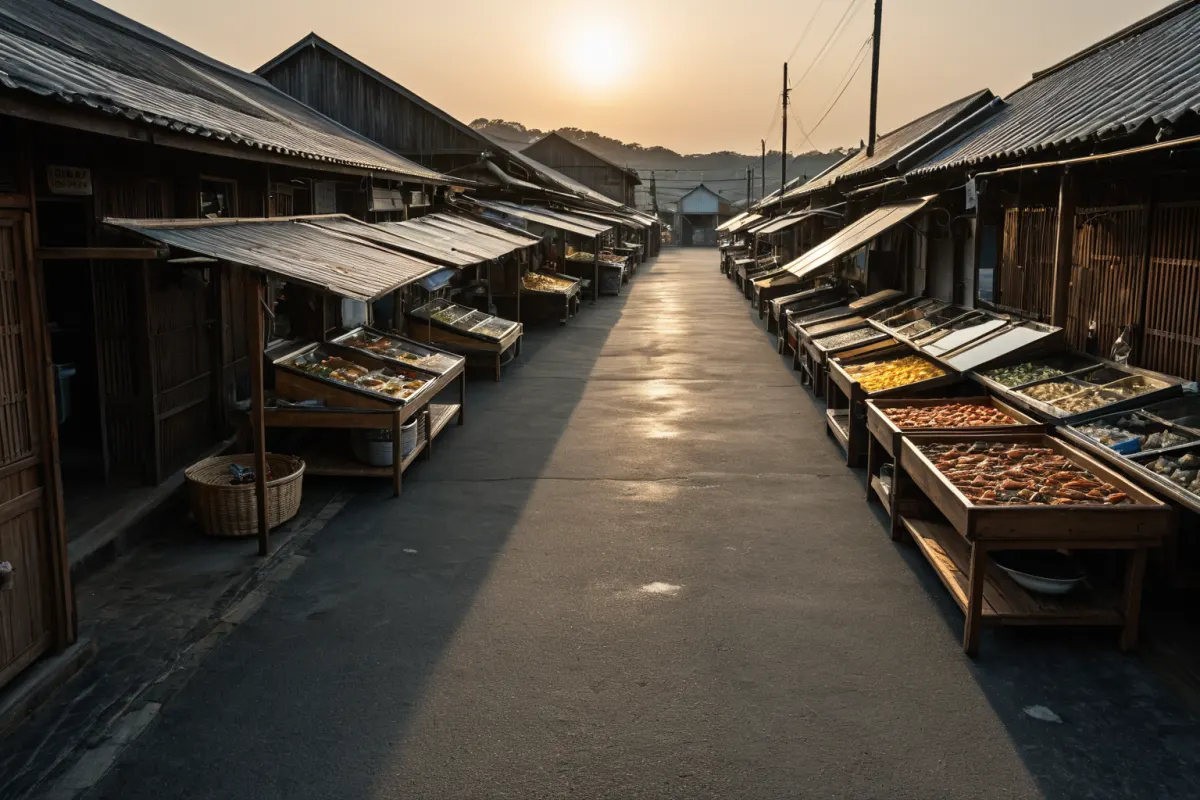
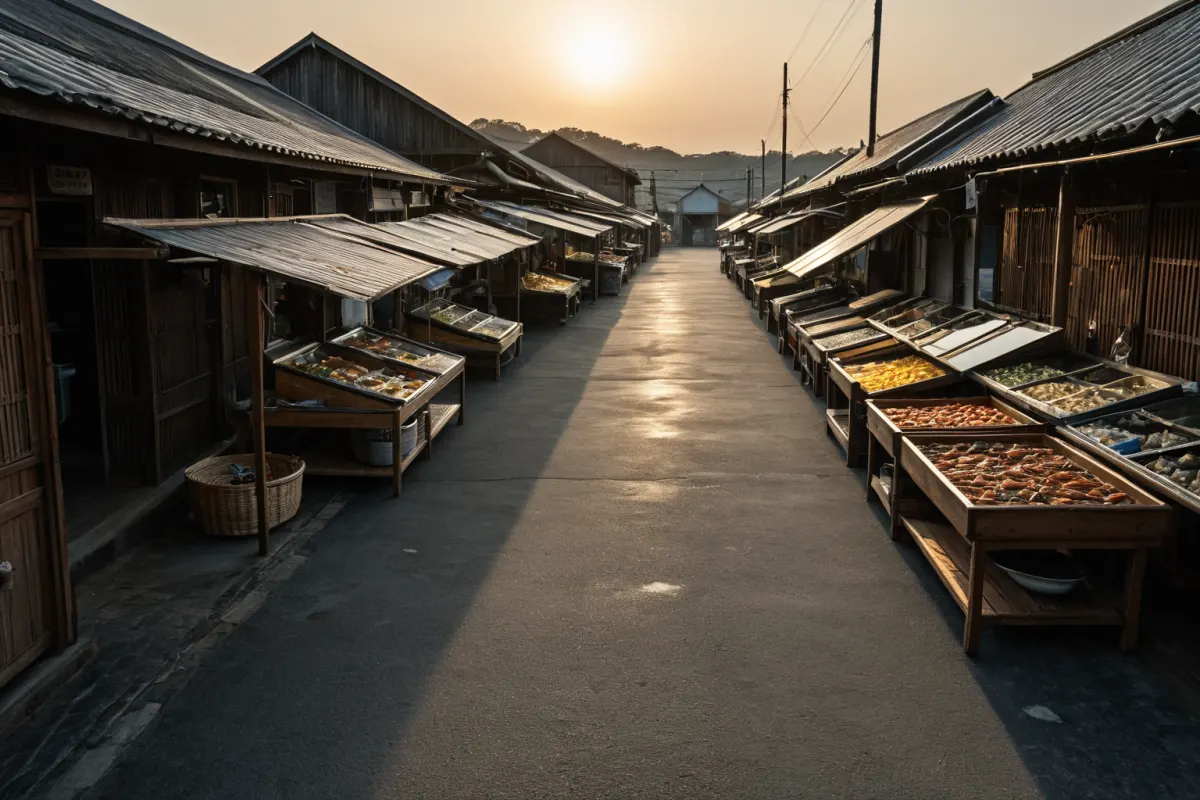
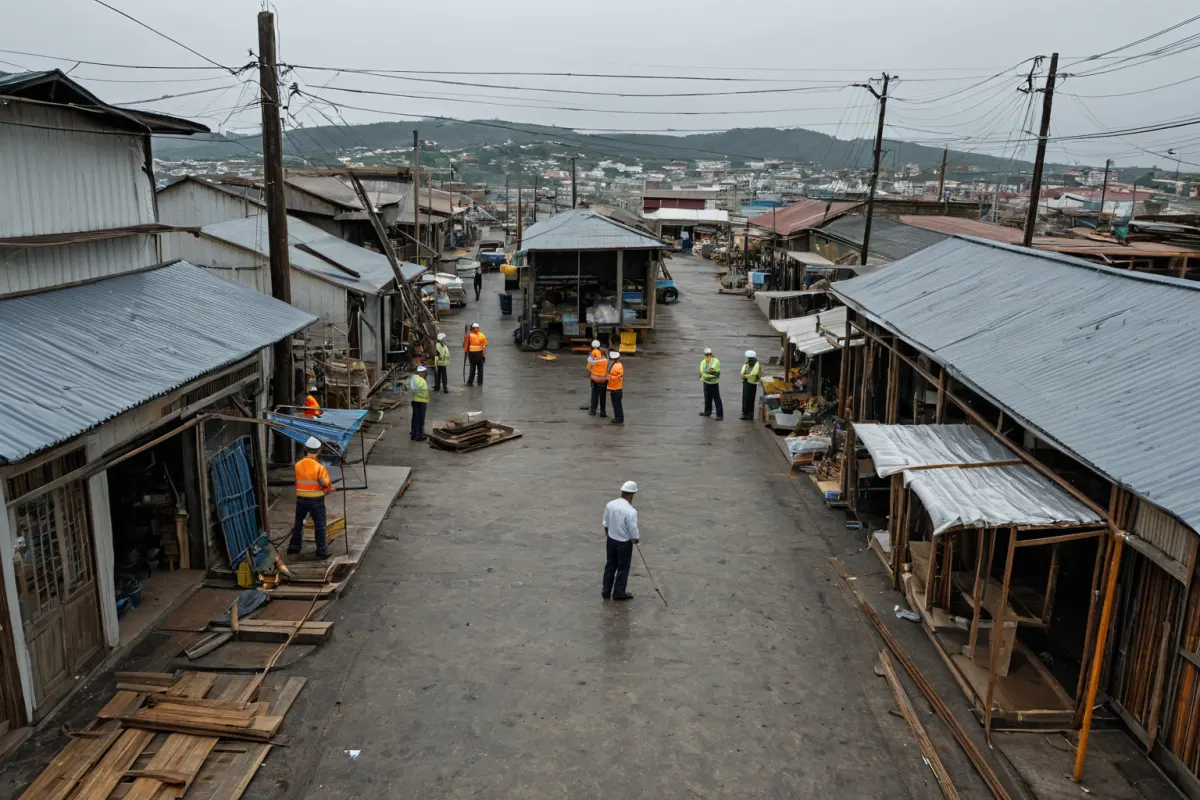
The fire started at the live seafood section of Songcheon-dong Agricultural and Fisheries Market, a key hub for seafood trading in Jeonju region. This area was preparing for high demand during the autumn sea bream season and Chuseok holiday period when the fire occurred. Nineteen stalls were completely destroyed, with additional damage feared from roof collapse as debris is being cleared. Authorities stated that large-scale recovery efforts are needed as this fire took away many merchants' goods and livelihoods.
The live seafood section is a core area of Jeonju Agricultural and Fisheries Market where seafood trading and processing businesses concentrate. The market serves as an important commercial space driving the local economy, with most of the 19 affected stalls being seafood specialists. The fire may temporarily disrupt traditional seafood trading systems and logistics networks, significantly impacting the regional economy.
At the time of the fire, merchants were preparing goods ahead of the autumn sea bream harvest season and Chuseok holiday when seafood demand typically surges. This means the economic losses from the fire are expected to be higher than usual. Merchants who had prepared for Chuseok have lost all their pre-stocked merchandise, increasing financial burdens.
Recovery Measures and Support Plans
Mayor Joo-hoon Cho met directly with affected merchants shortly after the fire, promising support measures. The mayor stated that emergency funds and recovery costs will be provided to alleviate merchants' financial burden, aiming for normal operations before Chuseok holiday period. Jeonju City Council is also visiting the scene to hear merchants' concerns and discussing budget allocation and support plans for recovery.
Jeonju City is making all-out efforts for recovery, with site inspections starting from August 10 and government-level support requests planned. As the agricultural and fisheries market serves as a core pillar of local economy, rapid recovery is required to prevent wider economic impact across the region.
The city will provide guidance on insurance processing procedures and government subsidy applications for merchants. Additionally, collaborating with other markets in the area, they plan to establish temporary trading spaces allowing merchants to resume operations quickly. This is one of several concrete plans aimed at normalizing the market before Chuseok holiday period, expected to contribute to regional economic recovery.
Spring Sprinkler System Exclusion and Cause Investigation
The fire occurred while sprinkler systems were not mandatory for this facility. According to fire regulations, sprinklers are required based on building use and size, but the market appears to fall outside these requirements. Jeonju City plans to strengthen safety inspections at all markets and commercial facilities as a preventive measure against future incidents.
The absence of sprinkler systems is considered one of the key factors that worsened fire damage. Fire regulations require sprinklers for buildings over 500 square meters or certain facility types, but the live seafood section of the market did not meet these criteria, so installation was not mandatory. However, given the scale of damage from this incident, there are calls to reconsider whether current regulatory standards match real-world needs.
Investigation into the cause is facing difficulties due to roof collapse and debris removal. Authorities are investigating potential electrical factors or external impacts as possible causes, with additional evidence collection and on-site analysis planned to determine exact causes. They are also reviewing safety inspection records and management status at the time of the fire.
Future Schedule and What Readers Should Note
Jeonju City will begin developing detailed recovery plans starting August 10, with financial support measures for merchants to be announced by August 15. By August 20, they plan to complete safety inspections of all markets and commercial facilities, while reviewing potential revisions to expand mandatory sprinkler installation requirements.
Readers should take note of structural issues at the fire site and lapses in safety management, especially focusing on whether the market can be restored before Chuseok holiday period. Merchants need to verify government subsidy procedures and insurance claims during recovery, while collaborating with local communities for rapid business resumption.
Interest is high regarding whether the market can return to normal operation before Chuseok holiday, as this directly affects merchants' livelihoods and regional economic recovery. Jeonju City is exploring various support measures for this purpose. Considering potential wider impact on other markets and commercial facilities, they plan to expand safety inspections and preventive measures.
Frequently Asked Questions
What is the scale of damage from the fire?
Nineteen stalls were completely destroyed with all 16 merchants safely evacuated. The absence of mandatory sprinkler systems, which should have been required for this facility type, has been cited as a factor that worsened the damage.
When will recovery work be completed?
Starting August 10, detailed recovery plans will be developed with financial support measures to be announced by August 15. The goal is normal operation before Chuseok holiday period.
Why did the absence of sprinkler systems worsen fire damage?
According to fire regulations, sprinklers are required based on building use and size, but this market fell outside these requirements. As a result, fire suppression was delayed and damage increased.
You can view similar articles about this topic in one place.
View Related ArticlesFAQ
What is the scale of damage from the fire?
Nineteen stalls were completely destroyed with all 16 merchants safely evacuated. The absence of mandatory sprinkler systems, which should have been required for this facility type, has been cited as a factor that worsened the damage.
When will recovery work be completed?
Starting August 10, detailed recovery plans will be developed with financial support measures to be announced by August 15. The goal is normal operation before Chuseok holiday period.
Why did the absence of sprinkler systems worsen fire damage?
According to fire regulations, sprinklers are required based on building use and size, but this market fell outside these requirements. As a result, fire suppression was delayed and damage increased.
Korean Source
This article is an English localization of a Korean-language report from BlogScore. Original: 전주 농수산물시장 화재 사고 현장 상황, 피해 규모 확인