
Analysis of the Jeonju Agricultural and Fisheries Market Fire: Causes and Prevention Measures
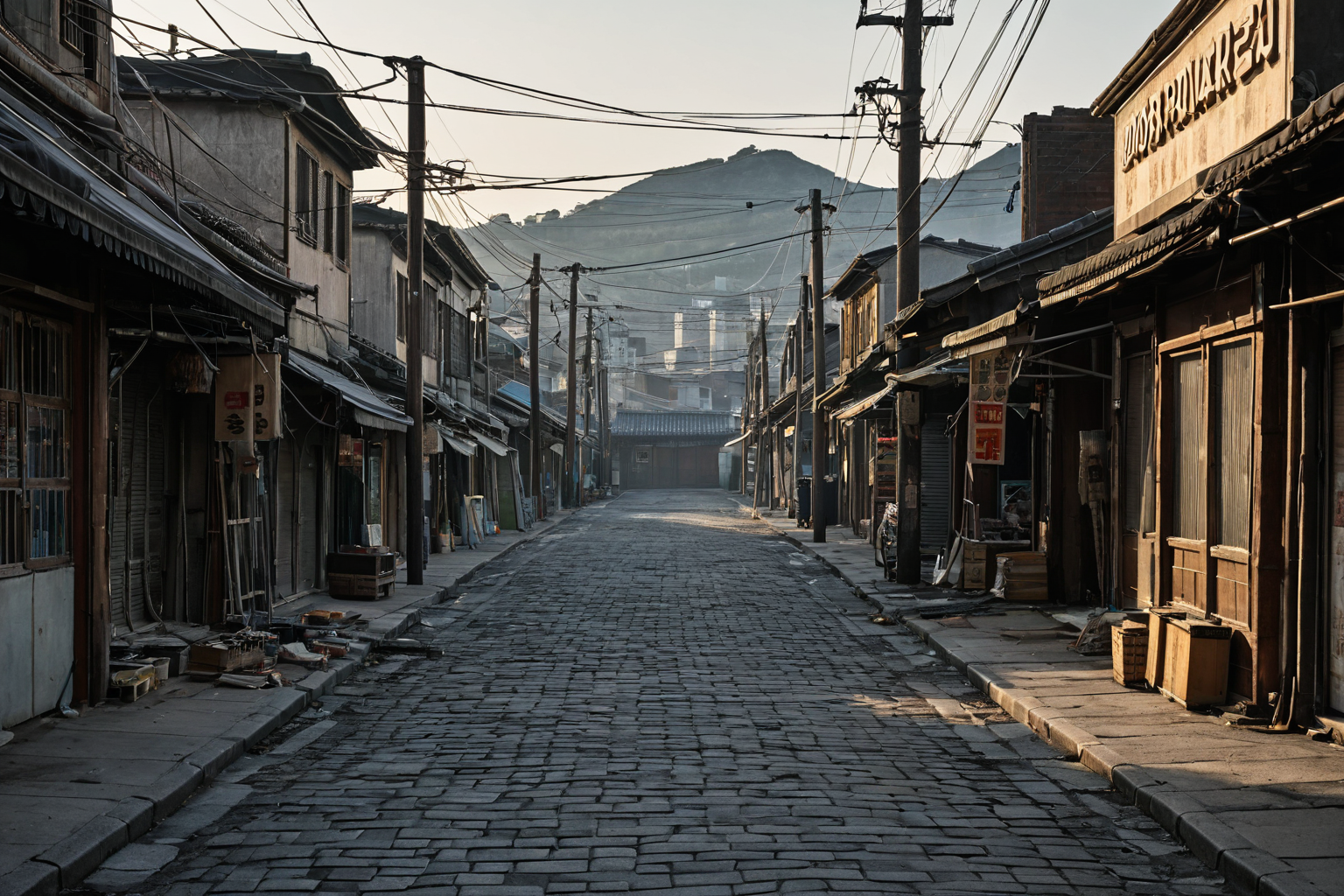
Analysis of the Jeonju Agricultural and Fisheries Market Fire
The August 10, 2026 fire at Jeonju Songcheondong Agricultural and Fisheries Market was inconclusive regarding its cause. The estimated damage amounted to approximately 110 million won, with no casualties despite occurring just before Chuseok (Korean Thanksgiving). The market, a 30-year-old facility not required to have sprinklers under current regulations, likely saw accelerated fire spread due to the absence of such safety equipment.
Key Facts About the Fire Incident
The fire broke out around 10 AM on August 10 and was extinguished within four hours. As merchants prepared for Chuseok (the major autumn harvest festival), many lost their livelihoods due to the fire. Jeonju City is currently implementing a disaster relief fund payment system and plans to construct alternative facilities in a parking lot area.
At the time of the fire, the market was an outdated facility without sprinklers, which contributed to rapid fire spread. Merchants expressed significant distress over the impact on their livelihoods.
Circumstances of the Incident
The fire occurred around 10 AM on August 10 at Jeonju Songcheondong Agricultural and Fisheries Market. Firefighters spent four hours extinguishing the blaze, but the collapse of the roof made identifying the origin difficult after the fire was put out.
On August 11, North Jeolla Province decided to conduct emergency inspections of wholesale and traditional markets. This measure aimed at strengthening safety standards for market management to prevent further incidents.
According to a report on August 11, the difficulty in locating the fire origin due to roof collapse hindered the investigation, leading to an inconclusive determination of the exact cause.
The fire occurred just before Chuseok (the major autumn harvest festival), when merchants were processing orders and preparing deliveries. Chuseok is a peak sales period for markets, and the closure during this time caused economic losses beyond inventory damage, including customer management issues.
During firefighting efforts, firefighters overcame safety risks from high temperatures and smoke inside the building, which contributed to the extended response time. Investigation results suggested that aging electrical systems and gas pipelines within the market were likely contributing factors.
Investigation Findings and Safety Management Issues
The fact that Jeonju Agricultural and Fisheries Market was excluded from mandatory sprinkler installation requirements drew attention after the fire. The incident highlighted safety management lapses due to aging infrastructure.
The lack of sprinklers accelerated fire spread, which was related to structural issues. The 30-year-old building did not meet modern safety standards, resulting in inadequate disaster preparedness.
Merchants suffered greater economic losses as the fire occurred just before Chuseok. With market closure, they faced challenges processing orders and deliveries, increasing their anxiety.
The Jeonju Agricultural and Fisheries Market opened in 1996, when safety standards were lower than today's requirements. Sprinkler installation became mandatory after 2015, but this facility was excluded from the regulation.
Following the fire, Jeonju City began reviewing market management policies, exploring ways to shorten inspection cycles for aging facilities. This could serve as a policy lesson applicable to similar markets nationwide.
Response and Safety Measures
Jeonju City is currently implementing disaster relief payments and constructing alternative facilities in the parking lot area. The plan aims at rapid recovery of the market, which was reduced to ashes.
North Jeolla Province is conducting emergency inspections of wholesale and traditional markets to strengthen safety standards. This preventive measure across similar nationwide markets aims to prevent future fires.
Opinions have been raised that sprinkler installation should be mandatory for such aging facilities. The 30-year-old market does not meet current safety requirements, necessitating structural improvements to prevent recurrence.
The Jeonju City Council is discussing revisions to market management regulations following the incident. This includes mandating sprinkler installations and establishing regular safety inspection systems.
Recovery plans reflecting merchants' opinions are expected to be finalized by mid-September 2026, aiming to ensure market operations resume normally after Chuseok season.
Verified Information
The fire cause was determined as inconclusive due to difficulties in locating the origin caused by roof collapse, confirmed on August 11 reports.
Damages are estimated at approximately 110 million won, including facility losses. Merchants expressed distress over losing their livelihoods.
The fire occurred on August 10, just before Chuseok (Korean Thanksgiving), intensifying economic hardships for merchants preparing for the holiday season.
The Jeonju Agricultural and Fisheries Market spans about 5,000 square meters, serving as a major hub for fresh produce and seafood transactions. The market featured small shops operated by individual vendors alongside larger wholesale suppliers.
After the fire, Jeonju City decided to require safety inspection reports from market managers. This measure aims to prevent future incidents through proactive management.
FAQ
Why was the fire cause left undetermined?
The roof collapse made it difficult to locate the origin, leading to an inconclusive determination.
Why was sprinkler installation not mandatory for this market?
The market is a 30-year-old facility excluded from mandatory sprinkler requirements under current regulations.
What measures is Jeonju City taking in response?
They are implementing disaster relief payments and constructing alternative facilities in the parking lot area.
Frequently Asked Questions
The Jeonju Agricultural and Fisheries Market fire, attributed to safety management lapses, saw rapid spread due to lack of sprinklers and aging infrastructure. Jeonju City and North Jeolla Province are responding with disaster relief payments and building alternative facilities.
Moving forward, enhanced safety inspections for similar facilities and mandatory sprinkler installations are needed. This could serve as an important preventive measure applicable nationwide.
While merchants' livelihoods were threatened by the fire, Jeonju City's prompt response is facilitating recovery efforts. Continued emphasis on strengthening safety standards will be necessary to prevent recurrence of such incidents.
You can view similar articles about this topic in one place.
View Related ArticlesFAQ
Why was the fire cause left undetermined?
The roof collapse made it difficult to locate the origin, leading to an inconclusive determination.
Why was sprinkler installation not mandatory for this market?
The market is a 30-year-old facility excluded from mandatory sprinkler requirements under current regulations.
What measures is Jeonju City taking in response?
They are implementing disaster relief payments and constructing alternative facilities in the parking lot area.
Korean Source
This article is an English localization of a Korean-language report from BlogScore. Original: 전주 농수산물시장 화재 사고 원인 분석과 예방 대책