
The Reality Behind the Jeonjangyeon Protest's Unstoppable Subway Passes
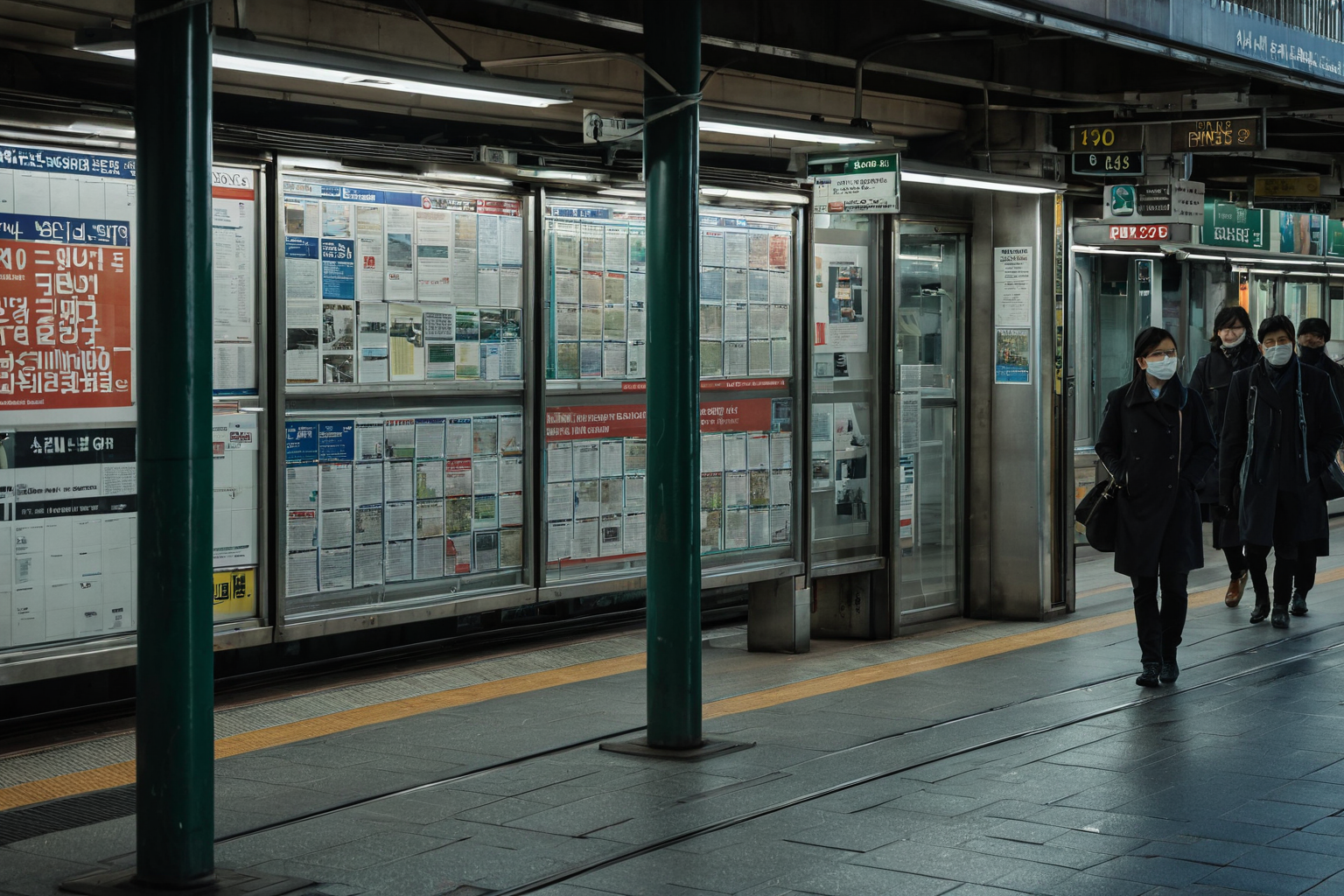
Jeonjangyeon Protest Unstoppable Subway Passes: Current Status
In November 2025 alone, commuters affected by subway bypasses at stations like Yongsan and Hyeowa exceeded 20,000 people. The Jeonjangyeon (a disability rights organization) 'Subway Ride' campaign led to repeated protests during rush hours, continuing until August 24, 2026. This protest aimed to demand inclusion of disability rights funding in the national budget. Notably, November 2025 saw a 30% increase compared to the previous year, with disruptions concentrated during peak commute times.
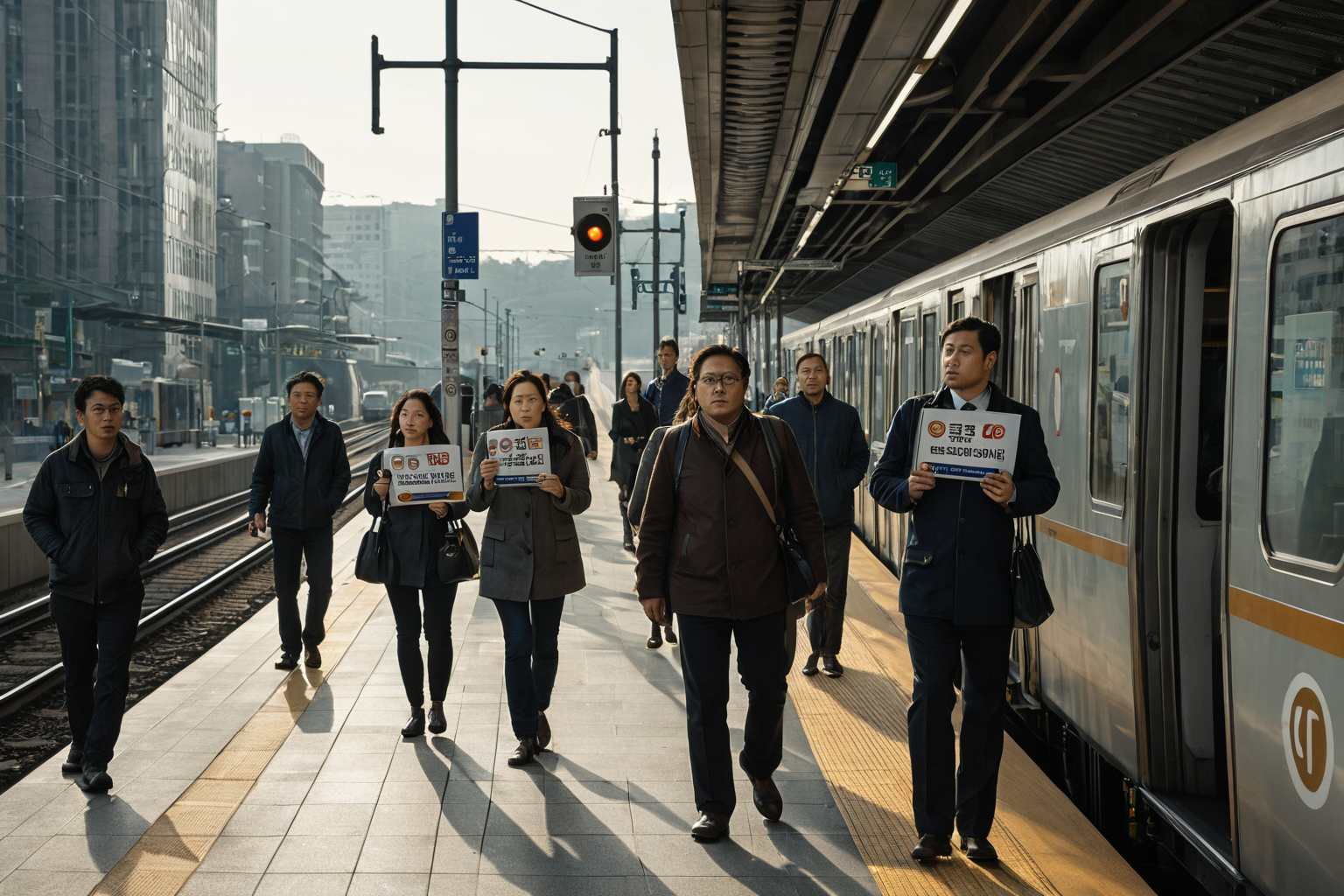
The Real Scene of the Protests
The subway bypass incident at Yongsan Station's northbound line occurred on August 10, 2026, following a pattern of ongoing protests. Police arrested one person for obstructing public duties, while some citizens complained about being late due to the disruptions. Jeonjangyeon claimed they were minimizing inconvenience by using subway bypasses for their protest, yet traffic chaos persisted. According to November 26, 2025 reports, passengers disembarking at Seoul City Hall Station caused delays that worsened morning rush hour congestion.
History and Progress of the Protests
The Jeonjangyeon protests began with an initial subway bypass incident on December 8, 2022. Subsequent events included a reported 150,000-person rally at Gwanghwamun, Anukok Station, and Hanam-dong Guanjie in April 2025, and morning subway bypasses at City Hall and Namyeong Stations on January 2, 2026. The protest lasted for 4 years and 9 months until its complete halt on August 24, 2026. November 2025's victim count exceeding 20,000 people drew nationwide attention, indicating the growing scale and frequency of protests.
The protest aimed to strengthen disability mobility rights and secure budgetary funding, but traffic disruptions led to increased public dissatisfaction. The majority of affected commuters were on Line 1 and Line 4, particularly at Yongsan and Hyeowa stations. This caused citizens to spend additional time finding alternative transportation, with some workplaces requiring late arrival reports.
Legal Issues and Court Rulings
In a May 10, 2026 ruling related to Jeonjangyeon's bus boarding protests, courts acquitted on the Public Security Law but found guilty of traffic obstruction. The defense team criticized this as 'mechanical judgment' and is preparing an appeal. This case reflects ongoing tension between protest activities and legal regulations following a Constitutional Court ruling that overturned previous guilty verdicts. November 20, 2025 reports noted Jeonjangyeon's bus boarding protests at Gwanghwamun causing morning traffic paralysis, which later became a legal issue.
Public Damage and Responses
Individual damages from the Jeonjangyeon protests primarily manifested as late arrivals to work. According to November 26, 2025 reports, some commuters were required to submit written explanations for being late. These damages became severe based on protest scale and frequency, with over 20,000 people affected in just November 2025. March 27, 2026 reports also noted Jeonjangyeon's bus boarding protests at Gwanghwamun causing morning traffic paralysis, further fueling public discontent.
Citizens expressed frustration over subway bypasses, intensifying debate about the protest's purpose and methods. While some viewed it as a legitimate effort to advance disability rights, others condemned it as a disruptive act causing social chaos. April 21, 2026 reports indicated Jeonjangyeon conducted protests by blocking buses and climbing on vehicles in urban areas, leading to legal disputes.
Protest Suspension and Future Outlook
Jeonjangyeon officially suspended its 'Subway Ride' protest during rush hours on August 24, 2026, ending a 4-year and 9-month campaign. This likely resulted from either achieving their budgetary funding goals or legal pressure. However, legal disputes regarding public damages remain unresolved. Future prospects will require finding balance between disability mobility rights and traffic disruption. More efficient protest methods should be developed, with necessary dialogue between the government and civil society groups.
Key Information to Verify
To understand the real scene of Jeonjangyeon protests, it's important to verify the timing of subway bypass incidents at Yongsan and Hyeowa stations, statistics on affected commuters, and court rulings. The November 2025 figure exceeding 20,000 victims and August 24, 2026 as the protest end date are critical points. Additionally, Jeonjangyeon claimed they were minimizing inconvenience through subway bypass protests, yet traffic chaos continued to occur.
Response measures for minimizing public inconvenience are also important. For instance, providing alternative transportation during times when subway bypasses occur or changing protest locations may be necessary. Furthermore, discussions between the government and civil society groups should consider adjusting protest scale and frequency.
Frequently Asked Questions
Why do subways skip stations due to Jeonjangyeon protests?
The 'Subway Ride' campaign demanded disability rights budget inclusion. The protest aimed to strengthen disability mobility rights through this method.
When was the Jeonjangyeon protest suspended?
It was fully suspended on August 24, 2026, marking the end of a 4-year and 9-month campaign.
When was public damage most severe?
In November 2025 alone, over 20,000 people were affected by subway bypass incidents. This month saw the highest impact.
You can view similar articles on this topic all at once.
View Related ArticlesFAQ
Why do subways skip stations due to Jeonjangyeon protests?
The 'Subway Ride' campaign demanded disability rights budget inclusion. The protest aimed to strengthen disability mobility rights through this method.
When was the Jeonjangyeon protest suspended?
It was fully suspended on August 24, 2026, marking the end of a 4-year and 9-month campaign.
When was public damage most severe?
In November 2025 alone, over 20,000 people were affected by subway bypass incidents. This month saw the highest impact.
Korean Source
This article is an English localization of a Korean-language report from BlogScore. Original: 전장연 시위 무정차 통과, 실제 현장 상황은 어떻게?