
Jeong Cheong-rae's Economic Policy as Party Leader: Key Support Targets and Scope
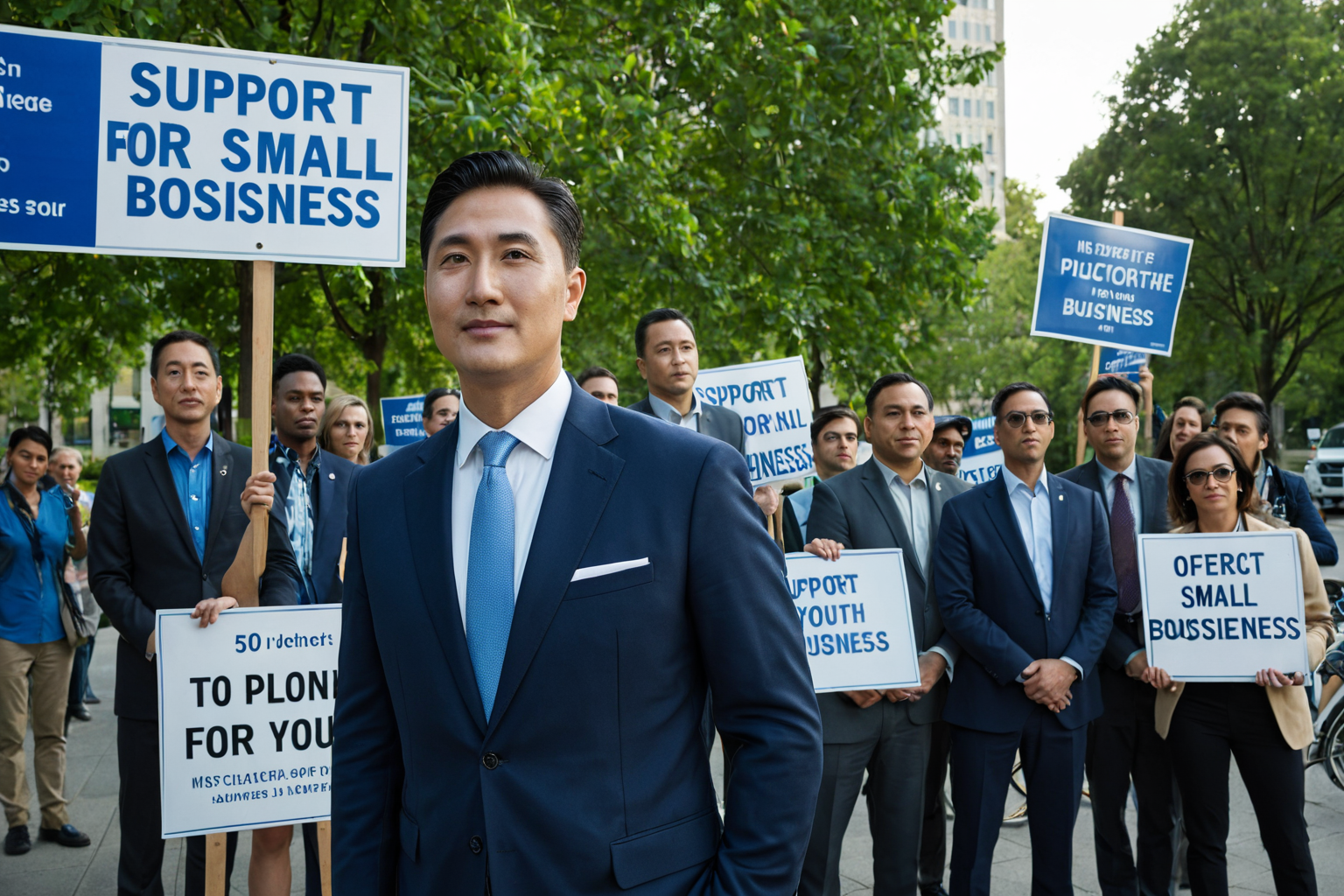
Jeong Cheong-rae's Leadership Campaign: Economic Policy and Regional Vote Strategy
In the Democratic Party leadership race, Jeong Cheong-rae is in a tight contest with Kim Min-seok within margin of error. Recent surveys show Jeong has higher support among party supporters for leadership suitability, though some prefer Kim Min-seok.
Jeong's economic policy focuses on youth and small business support, emphasizing the semiconductor industry, while his strategy includes regional campaigning to secure votes in the Yeongnam region. This approach reflects why Jeong appears more suitable to party supporters than Kim, yet a portion of supporters still favor Kim, keeping the race competitive.
Youth and Small Business Support with Semiconductor Industry Focus
During his supplementary budget address, Jeong announced plans to allocate 40 billion won for youth and 30 billion won for small businesses. This decision followed discussions at a meeting between the Democratic Party and the Medium and Small Business Center regarding responses to Middle Eastern business challenges, with the Small Business Association also proposing 'Made in Jeju' tax-free initiatives as part of policy collaboration.
Additionally, emphasizing semiconductor industry support is central to Jeong's economic strategy. He has called for swift passage of a 'Semiconductor Special Act,' positioning it as key to economic recovery. While internal party surveys show Jeong leads Kim in leadership suitability among supporters (18.1% in June 2026 according to Cheonji Ilbo, rising to 27.6% by August 5), some segments still prefer Kim.
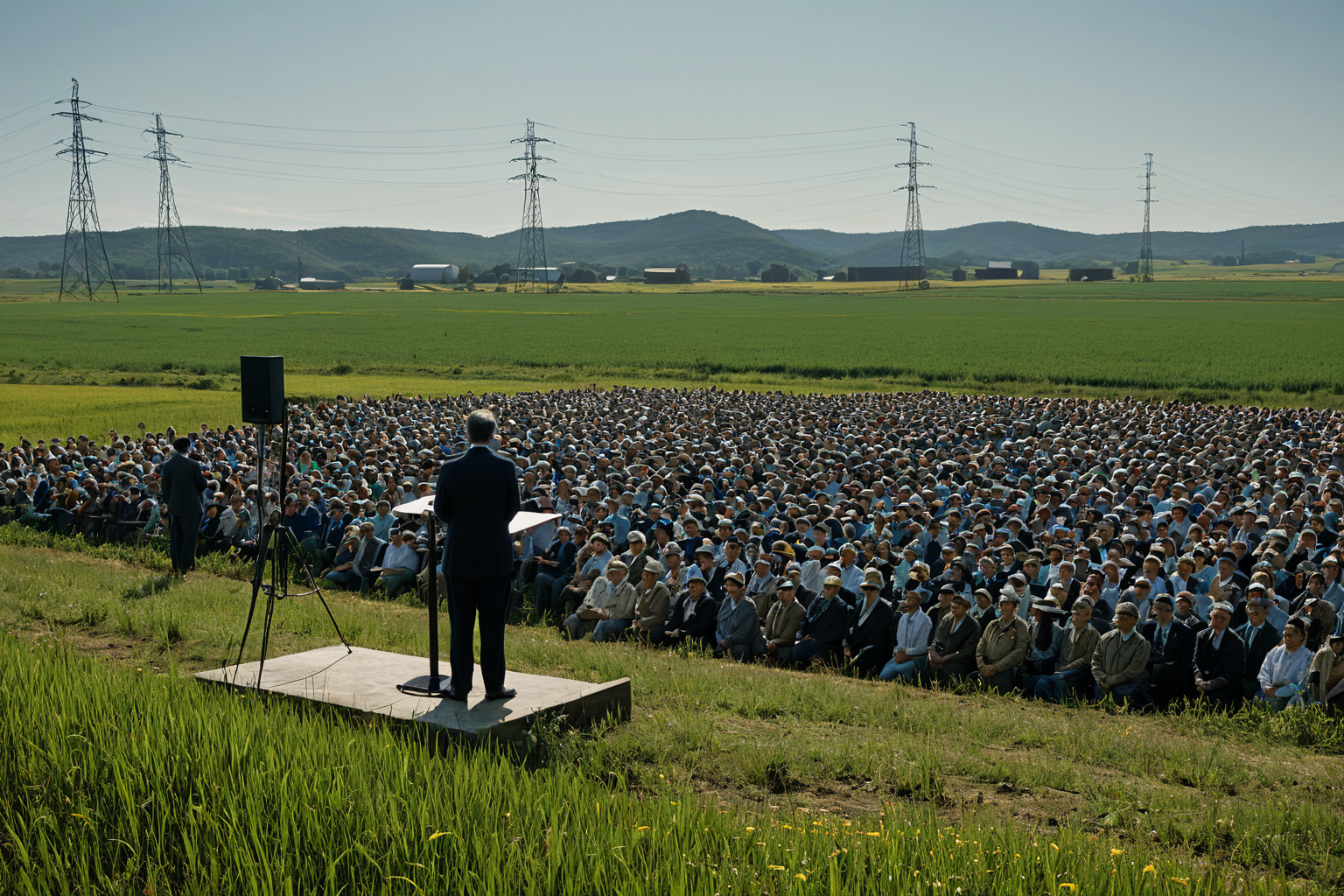
Regional Campaigns and Securing Yeongnam Votes
To bolster regional growth potential, Jeong held campaign events in Icheon and Cheonju. On May 26, 2026, he supported candidate Seongsu-uk in Icheon; on May 27, he emphasized the importance of regional growth in Cheonju. These efforts target party supporters, particularly aiming to gain support from small business owners and young voters.
To secure votes in the Yeongnam region, Jeong conducted a one-night two-day campaign in PK areas (a term referring to traditional conservative strongholds in South Korea's southeastern regions). This aligns with the Democratic Party's strategy to expand support in Yeongnam. The campaign connects to a proposal by the Jeju Small Business Association for 'Made in Jeju' tax-free initiatives, submitted to the party on April 30, 2026.
Analysis of Internal Party Support
Surveys reveal differing leadership suitability between Jeong and Kim among Democratic Party supporters. Cheonji Ilbo's June 18 survey showed Jeong at 18.1%, rising to 27.6% in a Jinilbo survey on August 5. Meanwhile, Kim generally received lower support but with notable preference from certain segments.
Jeong leads in leadership suitability among party supporters, though some prefer Kim. This reflects Jeong's focus on youth and small business support versus Kim's different policy strengths.
Political Statements and Strategy
Announcing his re-election bid, Jeong emphasized 'I am the one who will stand by this president until the end,' signaling continuity in party policy and preparation for a presidential run. His campaign events, including a May 27 visit to support a mayoral election candidate in Ganghwa County, aim to broaden policy support.
Jeong criticized the absence of discussions with chaebol (large conglomerate) owners as 'disregarding people,' indicating his preference for prioritizing small businesses and youth over corporate collaboration—a stance reflecting internal party dynamics on economic policy.
Current Status of Democratic Party Leadership Race
The contest between Jeong and Kim remains competitive within the Democratic Party. On May 27, 2026, Jeong participated in a mayoral election campaign in Ganghwa County to secure voter support. Meanwhile, Kim's supporters are concentrated mainly in Honam (southern) and Seoul areas, highlighting regional divides within the party.
Jeong's economic policy emphasizes youth and small business support while drawing attention to semiconductor industry backing—a strategy that both defines the party's economic direction and aids efforts to secure Yeongnam votes.
Key Information to Verify
Comparative details on Jeong and Kim's economic policies remain limited. While Jeong leads in internal support, some supporters still prefer Kim, indicating ongoing internal discussions about balancing economic policy with regional voting strategies within the party.
Frequently Asked Questions
What is the difference between Jeong Cheong-rae and Kim Min-seok in the leadership race?
Jeong focuses on youth and small business support alongside semiconductor industry promotion, while Kim emphasizes different policy strengths. Internal surveys show Jeong leads in suitability among supporters, though some prefer Kim.
Why is youth and small business support central to Jeong's economic policy?
Jeong announced 40 billion won for youth and 30 billion won for small businesses following discussions between the Democratic Party and Medium and Small Business Center on Middle Eastern business challenges. The Small Business Association also proposed 'Made in Jeju' tax-free initiatives as part of policy collaboration.
What activities did Jeong undertake to secure Yeongnam votes?
Jeong conducted a one-night two-day campaign in PK areas (traditional conservative strongholds) to secure Yeongnam support. This aligns with the Democratic Party's strategy to expand support in Yeongnam, connected to the Jeju Small Business Association's proposal for 'Made in Jeju' tax-free initiatives submitted on April 30, 2026.
Frequently Asked Questions
The leadership race between Jeong and Kim remains competitive within the Democratic Party. Jeong focuses on youth and small business support with semiconductor industry emphasis to secure regional votes, though specific economic policy details remain limited. Internal party dynamics continue to shape the contest's outcome.
As party leader, Jeong has pledged to uphold this president's policies until the end while targeting supporters through regional campaigns and securing Yeongnam votes. However, gaps in comparative economic policy details and Kim's strategy persist as areas needing further clarity.
You can view similar articles on this topic together.
View Related ArticlesFAQ
What is the difference between Jeong Cheong-rae and Kim Min-seok in the leadership race?
Jeong focuses on youth and small business support alongside semiconductor industry promotion, while Kim emphasizes different policy strengths. Internal surveys show Jeong leads in suitability among supporters, though some prefer Kim.
Why is youth and small business support central to Jeong's economic policy?
Jeong announced 40 billion won for youth and 30 billion won for small businesses following discussions between the Democratic Party and Medium and Small Business Center on Middle Eastern business challenges. The Small Business Association also proposed 'Made in Jeju' tax-free initiatives as part of policy collaboration.
What activities did Jeong undertake to secure Yeongnam votes?
Jeong conducted a one-night two-day campaign in PK areas (traditional conservative strongholds) to secure Yeongnam support. This aligns with the Democratic Party's strategy to expand support in Yeongnam, connected to the Jeju Small Business Association's proposal for 'Made in Jeju' tax-free initiatives submitted on April 30, 2026.
Korean Source
This article is an English localization of a Korean-language report from BlogScore. Original: 정청래 당대표 경제 정책, 주요 지원 대상과 범위