
Jeju vs. Jeonbuk 3-1: Key Moments and Tactical Breakdown
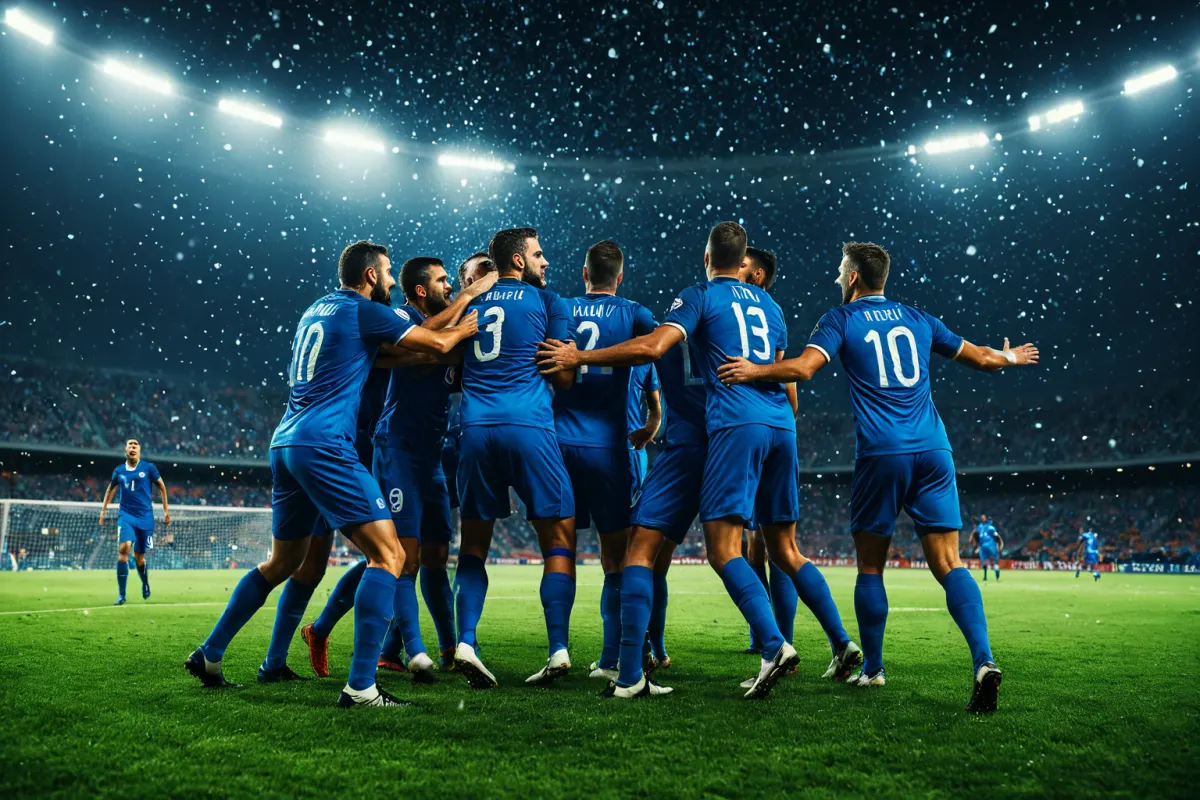
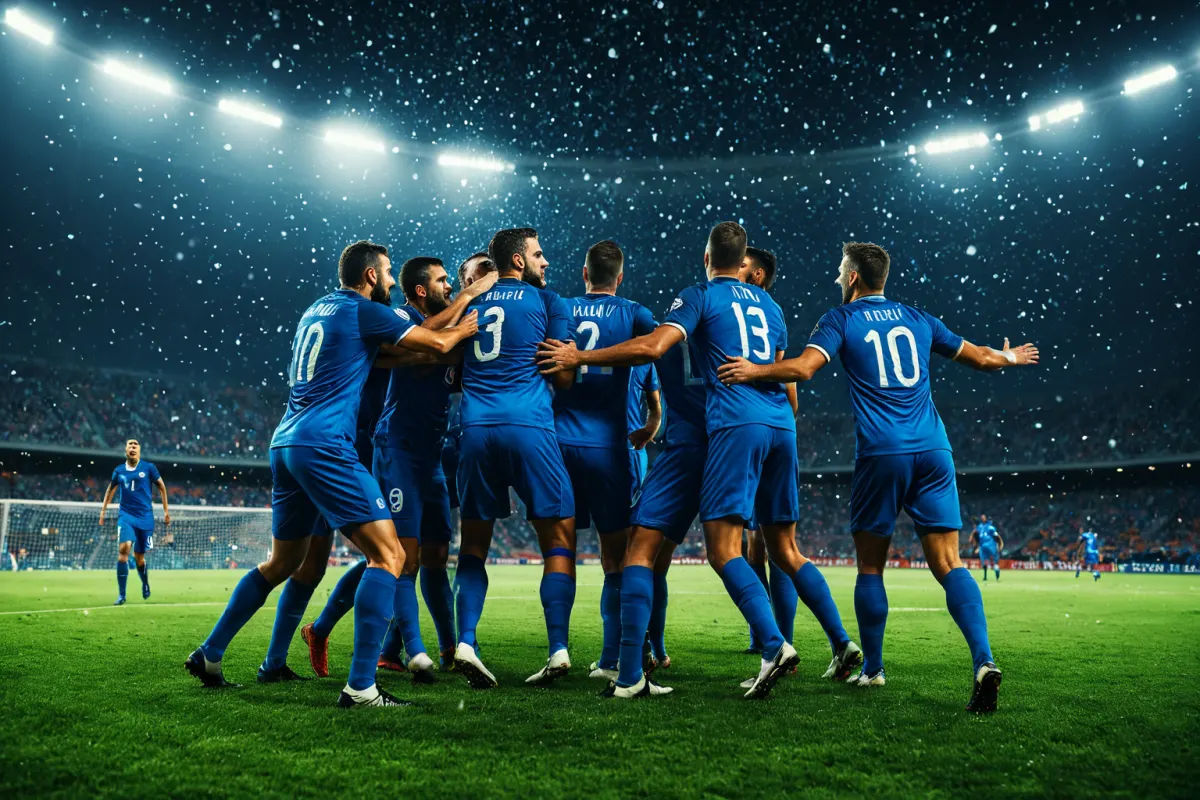
The match where Jeju United defeated Jeonbuk Hyundai Motors 3-1 was one where the team that seized early momentum ultimately won. While Jeonbuk sought to control possession, Jeju proved sharper in transitions and finishing, shifting the game's momentum with every scoring opportunity.
On the surface, the result is a straightforward 3-1 win for Jeju. However, understanding the match requires more than just the score—it’s about pinpointing where Jeonbuk’s defense faltered and why Jeju’s precision stood out.
The Flow of Jeju's 3-1 Victory
The game began with Jeonbuk attempting to take control, but Jeju held firm. By maintaining pressure in midfield before quickly advancing the ball forward, Jeju repeatedly forced Jeonbuk’s defense backward.
After halftime, Jeju’s attacks became more defined. Quick passes opened up the flanks, and subsequent crosses or second-ball situations led to shots on goal, creating consistent scoring chances.
You can find similar articles about this topic in one place.
View Related ArticlesWhat Set the Goals Apart
A common thread in Jeju’s goals was speed and simplicity. They created shooting angles before opponents could organize their defense and didn’t hesitate inside the box.
In contrast, Jeonbuk often failed to complete final passes despite creating chances. While their buildup wasn’t poor, delays inside the box allowed Jeju’s defense to regroup.
This dynamic is common in matches: high possession doesn’t guarantee goals if finishing lacks precision, and a single swift counterattack can shift the entire game.

Why Jeonbuk Struggled
Jeonbuk aimed to speed up play in midfield, but Jeju’s pressure proved highly effective. Even without winning the ball back, Jeonbuk’s passing options were limited, causing their attacks to stall naturally.
Another issue was defensive transitions. With many players positioned high during attacks, losing possession left gaps that Jeju exploited quickly—particularly on the flanks.
Jeju’s Winning Points
This match highlighted Jeju’s counter-attacking efficiency. It wasn’t just about running more; they knew exactly where to move after regaining possession.
Their finishing was also composed. In such games, missing a few chances often stalls momentum, but Jeju capitalized on opportunities while pushing Jeonbuk into frustration.
For example, many teams would opt for a dribble down the flank followed by a return pass. Instead, Jeju took bold shots or precise passes near the box to convert scoring chances.
Tactical Moments That Mattered
Jeonbuk spread wide in attack, while Jeju compressed space centrally to disrupt passing lanes. This structure led Jeonbuk to rely more on flanks, giving Jeju an easier time preparing for both defense and counterattacks.
Especially after set pieces or chaotic moments, Jeju reacted faster to second balls. These situations often directly influence the scoreline and can be decisive in shifting momentum.
What to Look For When Reviewing Goals
When rewatching, focus not just on goals but also on who initiated pressure before the goal and where passes broke down. This reveals team structure rather than luck.
For instance, the first goal followed a key press to win possession; the second involved creating numerical superiority on the flank; and the third came from exploiting space after Jeonbuk grew impatient.
The Broader Meaning of the Result
Jeju’s 3-1 victory isn’t just a one-off result. It demonstrates how teams can compete with stronger opponents when transitions, pressing timing, and finishing align perfectly.
For Jeonbuk, it was a reminder that even with high possession, effective responses after conceding are critical. Football often favors teams that finish accurately at crucial moments rather than those who simply hold the ball longer.
Key Points to Note When Rewatching
While highlights show the scoreline, understanding game flow requires watching the first 5 seconds after transitions. This window reveals pressing intensity, passing direction, and defensive reaction speed.
Also important is how Jeju advanced after disrupting Jeonbuk’s attacks—whether through direct midfield passes, flank runs, or second-ball exploitation. These choices offer valuable insights for future matches.
Frequently Asked Questions About the Jeju vs. Jeonbuk 3-1 Match
Q1. What was Jeju’s biggest advantage?
A. Rapid transitions and high finishing efficiency. Jeju cut off Jeonbuk’s attacks mid-flow, immediately turning possession into scoring chances.
Q2. Why did Jeonbuk lose despite controlling possession?
A. Finishing efficiency matters more than possession. Jeonbuk created good chances but lacked precision inside the box compared to Jeju.
Q3. What moment will fans remember most?
A. Jeju’s goals, each following quick pressure and counterattacks. The moments where they won the ball and immediately shot or passed into goal were pivotal in shifting momentum.
The final score is 3-1, but the real story lies in the speed of transitions and finishing that decided the match. Reviewing detailed statistics or official highlights helps better understand these scoring sequences.
Continue reading similar articles on this topic.
View Category ArticlesFAQ
What was Jeju’s biggest advantage?
Rapid transitions and high finishing efficiency. Jeju cut off Jeonbuk’s attacks mid-flow, immediately turning possession into scoring chances.
Why did Jeonbuk lose despite controlling possession?
Finishing efficiency matters more than possession. Jeonbuk created good chances but lacked precision inside the box compared to Jeju.
What moment will fans remember most?
Jeju’s goals, each following quick pressure and counterattacks. The moments where they won the ball and immediately shot or passed into goal were pivotal in shifting momentum.
Korean Source
This article is an English localization of a Korean-language report from BlogScore. Original: 제주 전북 3-1 경기 결과와 득점 장면 정리