
Japan's Magnitude 7.1 Earthquake: Impact on Transportation and Airports in Kumamoto
Impact of the Kumamoto Earthquake on Transportation and Airports
A magnitude 7.1 earthquake struck Kumamoto, Japan, reaching a maximum intensity of 7. This caused the closure of Kumamoto Airport's runway, complete railway shutdowns, power outages, and other transportation and power system disruptions. Several dozen people went missing due to a collapsed shopping mall, and tsunami warnings were issued for the Kyushu region. In South Korea, tremors were reported in Gyeongsangnam-do and Incheon, but the government confirmed no casualties among Korean citizens.
Earthquake Details and Maximum Intensity
The magnitude 7.1 earthquake occurred on July 28, 2026, at around 9:36 a.m. UTC in Kumamoto, Kyushu. The Japan Meteorological Agency reported that tremors were felt across the entire Kyushu region, with maximum intensity of 7 recorded in downtown Kumamoto.
Immediately after the earthquake, the Japan Meteorological Agency issued tsunami warnings and urged residents in coastal and low-lying areas to exercise caution. Power systems were paralyzed as 50,000 households lost electricity, and several dozen people went missing due to a collapsed shopping mall.
Transportation and Airport Damage
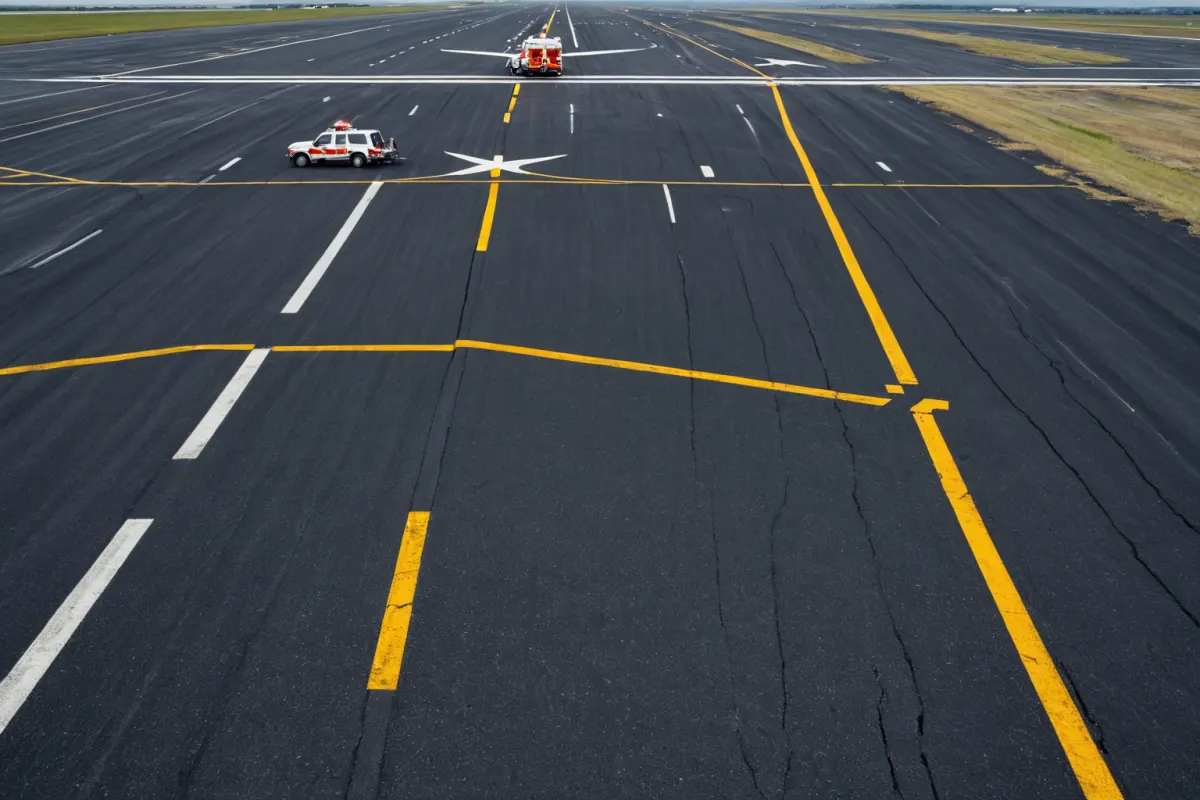
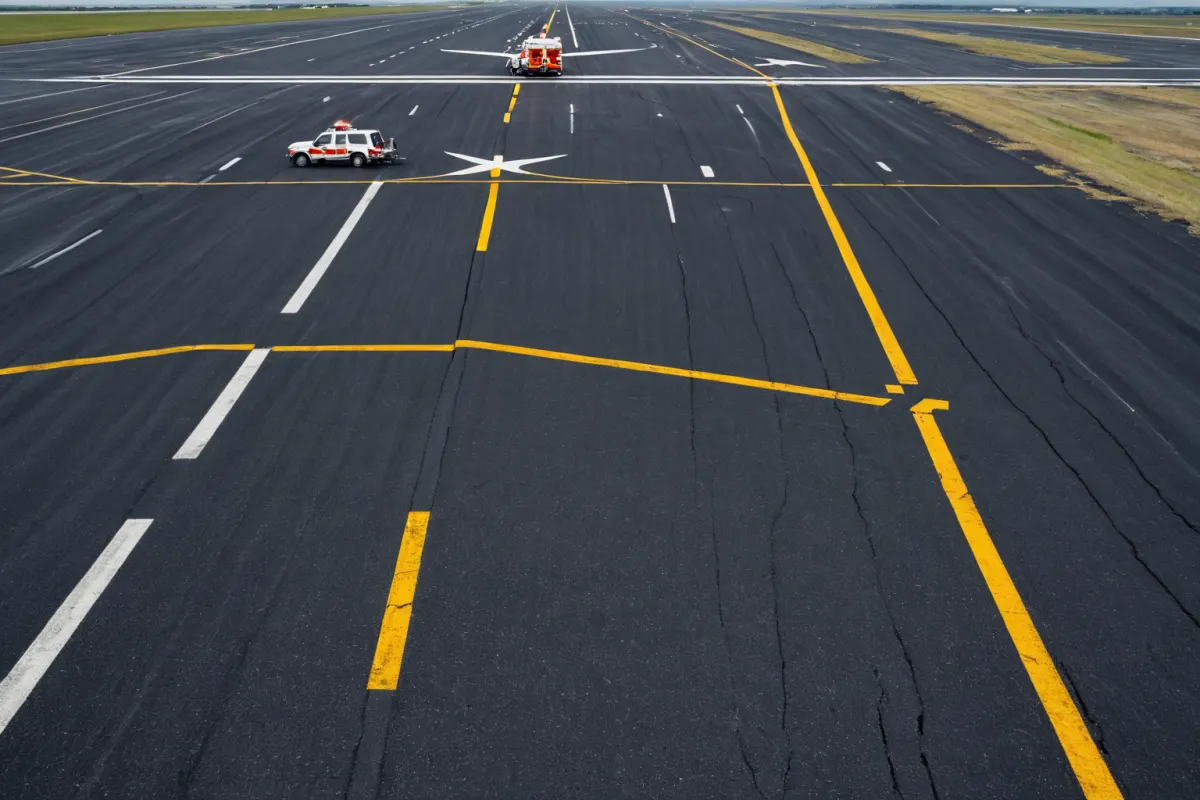
Kumamoto Airport's runway was closed following the earthquake. All Korean Air flights to Kumamoto were canceled, worsening transportation disruptions in the region. Rail systems were completely shut down, leaving 180 Shinkansen passengers stranded.
Kumamoto Airport serves as a key aviation hub for Kyushu, and the runway closure has caused significant disruption for tourists visiting the area and local residents. With railways fully suspended, travel between Kumamoto and surrounding areas became impossible, leading to maximum chaos as 180 Shinkansen passengers were moved to temporary shelters.
Korean Tourists and Domestic Damage
The South Korean government announced no casualties among its citizens following the earthquake. Tremors reported in Gyeongsangnam-do and Incheon were confirmed to be remote tremors caused by the Japanese quake. All Korean tourists staying in Kumamoto were confirmed safe, and authorities urged local residents and tourists to take safety measures.
The damage within Japan was severe. In Kumamoto, several dozen people went missing due to a collapsed shopping mall, which was primarily attributed to building collapses from the earthquake. Additionally, 50,000 households experienced power outages, causing significant disruption to daily life, and tsunami warnings prompted evacuations in coastal areas.
Response and Rescue Operations After the Earthquake
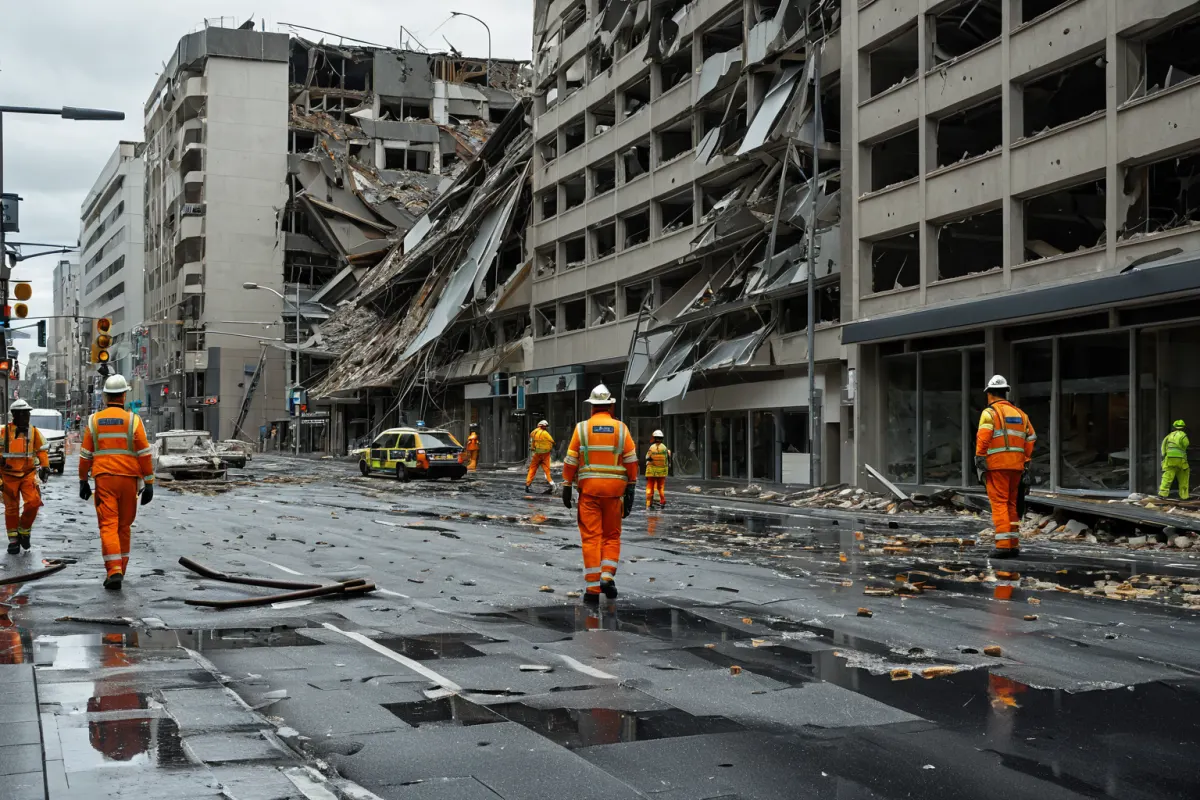
Immediately after the earthquake, the Japanese government activated an emergency response system. Search teams were deployed to Kumamoto City for missing persons searches and damage recovery efforts, while power restoration work began in affected areas.
TSMC's Japan production facility initiated emergency measures one hour after the quake at 3:38 p.m., demonstrating necessary procedures for semiconductor manufacturing plant stability—a case study of international companies' response protocols.
Tsunami Warnings and Kyushu Region Impact
The Japan Meteorological Agency issued tsunami warnings for the Kyushu region immediately following the earthquake. This was a precautionary measure to warn of potential strong waves along the coast, particularly urging residents in Kumamoto and nearby coastal areas to evacuate.
Tsunami warnings were issued 30 minutes after the quake and continued as marine observations assessed additional risks. The Japanese government urged residents to evacuate and remain cautious until tsunami warnings were lifted.
Earthquake Tremors Detected in South Korea
In South Korea, tremors caused by the earthquake were reported in Gyeongsangnam-do and Incheon. This confirmed that the Japanese quake affected even distant regions like South Korea, with tremors particularly detected in the Pusan-Busan-Gyeongnam area.
Following the earthquake, the government immediately collaborated with local authorities to verify Korean citizens' safety and officially announced no casualties. Additional monitoring systems were strengthened in areas where tremors were reported.
Comparison With Kumamoto Earthquake 10 Years Ago
This earthquake is similar in magnitude to a previous 7.0-magnitude quake that struck Kumamoto 10 years ago, which caused 270 fatalities. However, this time, casualties were minimized.
The 10-year-old Kumamoto earthquake caused massive damage within Japan, but due to improved response systems and rapid action by the government and local residents, this quake's impact was limited. While transportation disruptions occurred due to airport and railway closures, rescue operations allowed for quick responses.
Key Information to Verify
After the earthquake, authorities in Japan and South Korea continued sharing information about damage conditions and response measures. The South Korean government prioritized the safety of local residents and tourists, implementing additional monitoring systems to prevent recurrence.
The exact number of missing persons due to a collapsed shopping mall in Kumamoto remains under verification. The Japanese government plans to provide further updates once rescue operations are complete, urging local residents and tourists to follow evacuation measures for their safety.
Frequently Asked Questions
Are There Any Casualties Among Korean Citizens?
The South Korean government announced no casualties among its citizens immediately after the earthquake. All Korean tourists staying in Kumamoto were confirmed safe, with no further incidents reported.
When Will Kumamoto Airport Resume Operations?
Kumamoto Airport runway closure will resume operations following rescue efforts and safety inspections. The exact reopening date will be announced by Japanese aviation authorities after additional reports.
Why Was a Tsunami Warning Issued for Kyushu?
The Japan Meteorological Agency issued tsunami warnings due to the risk of strong waves along Kyushu's coast following the earthquake. This is a standard precautionary measure taken when large earthquakes occur in Japan, aimed at preventing further damage.
Frequently Asked Questions
A magnitude 7.1 earthquake struck Kumamoto, Japan, causing airport closures, railway disruptions, and building collapses. However, South Korea confirmed no casualties among its citizens. The Japanese government's rapid response helped minimize the impact compared to a similar quake 10 years ago.
This earthquake was comparable in scale to the 7.0-magnitude Kumamoto quake from a decade ago but saw reduced casualties due to improved response systems. Both the Japanese government and international companies continue monitoring for further risks while implementing measures to prevent recurrence.
The South Korean government prioritized safety for local residents and tourists, strengthening earthquake monitoring and response protocols to prevent future incidents. Authorities in Japan and South Korea are continuously sharing information and monitoring the situation following the earthquake.
You can view similar articles on this topic all at once.
View Related ArticlesFAQ
Are There Any Casualties Among Korean Citizens?
The South Korean government announced no casualties among its citizens immediately after the earthquake. All Korean tourists staying in Kumamoto were confirmed safe, with no further incidents reported.
When Will Kumamoto Airport Resume Operations?
Kumamoto Airport runway closure will resume operations following rescue efforts and safety inspections. The exact reopening date will be announced by Japanese aviation authorities after additional reports.
Why Was a Tsunami Warning Issued for Kyushu?
The Japan Meteorological Agency issued tsunami warnings due to the risk of strong waves along Kyushu's coast following the earthquake. This is a standard precautionary measure taken when large earthquakes occur in Japan, aimed at preventing further damage.
Korean Source
This article is an English localization of a Korean-language report from BlogScore. Original: 일본 7.1 강진으로 인한 교통 및 공항 피해 상황