
Japan's Defense White Paper Continues to Claim Dokdo as 'Takeshima' in Territorial Dispute
Japan's Defense White Paper Claims Dokdo as 'Takeshima'
For 22 consecutive years, Japan’s defense white paper has listed Dokdo as 'Takeshima' and claimed it as Japanese territory. This persistent assertion serves as a significant provocation against South Korea and has recently been incorporated into educational materials for children, heightening its provocative nature.
Japan's Defense White Paper Claims on Dokdo
In the 2026 edition of Japan’s defense white paper, Dokdo was referred to as 'Takeshima,' asserting it as Japanese territory. This reflects a longstanding claim dating back to 1995, which South Korea has strongly protested and called for withdrawal.
Following the release of Japan’s defense white paper on August 4, 2026, South Korea lodged an official protest with Japan’s embassy on August 5. This led Japan to further emphasize disputes over the East Sea naming issue.
South Korean Government Response
On August 6, 2026, South Korea conducted a covert 'East Sea Territorial Protection Exercise' near Dokdo. The military stated this was a direct response to Japan’s defense white paper and aimed at protecting territory and citizens.
Since Japan included its Dokdo territorial claim in the defense white paper starting in 2019, South Korea has annually raised strong protests. In 2020, Japan removed references to 'security cooperation with South Korea' from the document, escalating tensions.
Dokdo Claim Used in Children's Educational Materials
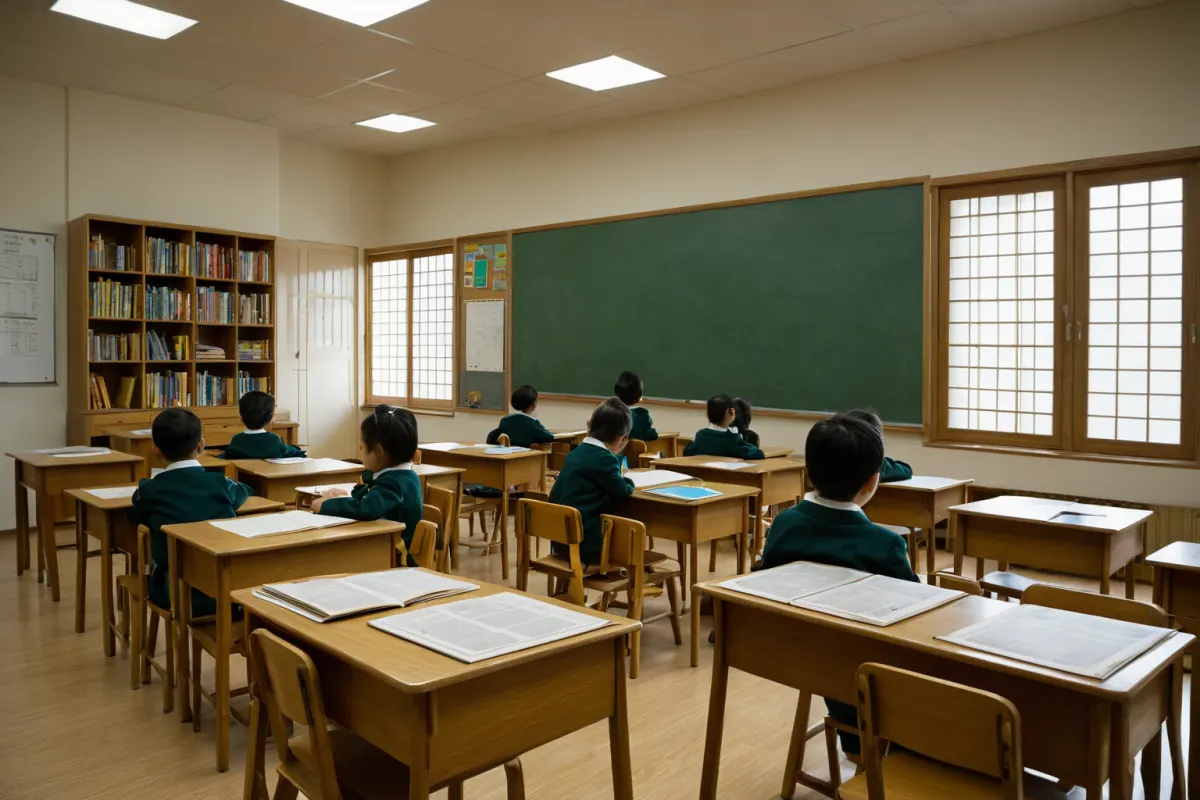
Starting in July 2025, Japan began distributing a children’s version of its defense white paper to elementary schools, using Dokdo territorial claims as part of educational materials. This appears aimed at spreading Japan’s claim among younger generations.
On July 15, 2025, it was reported that the Japanese government distributed this children’s defense white paper nationwide to elementary schools. The material refers to Dokdo as 'Takeshima' and claims it is part of Japan's territory.
The East Sea Naming Issue
Japan insists on labeling the East Sea as the 'Sea of Japan,' a claim that has sparked international controversy. South Korea advocates for using 'East Sea' or 'Korean Sea,' but Japan continues to reject this position.
According to reports from July 2025, Japan’s educational materials refer to the East Sea as the 'Sea of Japan,' further fueling diplomatic tensions with South Korea.
Historical Background
The Dokdo territorial dispute has been a key source of tension between South Korea and Japan since 1954, when Japan first claimed Dokdo as part of its territory. Since the 1960s, South Korea has asserted its claim over Dokdo, with the Ministry of Oceans and Fisheries and the Ministry of National Defense leading related measures.
After Japan’s 2019 defense white paper mentioned the possibility of fighter jets being deployed in case of a Dokdo clash, tensions between the two countries intensified. This indicates that Japan’s territorial claim extends beyond mere naming issues to include military preparedness.
International Controversy
In 2023, Russian business leaders opposed labeling the East Sea as the 'Sea of Japan,' arguing it should retain its name 'East Sea.' This highlights how the Dokdo territorial dispute and East Sea naming issue are intertwined internationally.
On July 28, 2023, South Korea’s Ministry of Defense summoned Japan’s envoy in protest over the defense white paper, signaling that Japan’s claims have escalated into international disputes.
Provocative Moves in Japan's Defense White Paper
Since 2019, Japan has continued its Dokdo territorial claim for 22 years straight. Recently, it has escalated by incorporating this into children’s educational materials. The 2019 defense white paper even mentioned the potential deployment of fighter jets in case of a Dokdo conflict.
The July 2025 distribution of Japan's 'Children's Defense White Paper' to elementary schools includes claims that Dokdo is part of Japan, and refers to the East Sea as the 'Sea of Japan.' This move was clearly intended to provoke South Korea’s strong reaction.
South Korean Military's Covert Exercise
On August 6, 2026, South Korea conducted a covert 'East Sea Territorial Protection Exercise' near Dokdo. This took place just two days after the release of Japan’s defense white paper, with the navy stating it was for 'protecting territory and citizens.'
Since Japan began its Dokdo territorial claims in 2019, South Korea has annually protested these assertions. In 2020, Japan removed references to 'security cooperation with South Korea' from its defense white paper, worsening bilateral relations.
Dokdo Dispute in the International Context
Dokdo is South Korea’s inherent territory, supported by clear historical and legal grounds. However, Japan claims Dokdo as 'Senkaku,' causing international controversy.
According to 2025 reports, Japan has been using its territorial claim in educational materials for children, aiming to spread its position among younger generations. This shows the dispute is becoming increasingly complex from an international perspective.
Verified Facts vs Unverified Information
The Japanese defense white paper’s claim that Dokdo is 'Takeshima' has been ongoing for 22 years. South Korea has strongly protested and called for its withdrawal, responding with covert military exercises.
The distribution of the children's defense white paper began in July 2025, marking Japan’s first use of educational materials to promote its Dokdo claim. However, no international consensus exists on the territorial dispute, and ongoing controversy is expected.
Unverified Information
The Japanese government has listed Dokdo as 'Takeshima' since 1995, but specific historical background details were not covered in reports. Additionally, whether Japan’s claim of labeling the East Sea as the 'Sea of Japan' is internationally recognized remains unconfirmed.
Information to Verify
Japan’s defense white paper has consistently claimed Dokdo as 'Takeshima' for 22 years, using it in children’s educational materials—a provocative move. South Korea has responded with strong protests and covert military exercises, while the East Sea naming issue remains contentious internationally.
It is necessary to verify whether Japan's July 2025 elementary school distribution of the 'Children's Defense White Paper' includes Dokdo as Japanese territory and how this has affected international reactions.
Frequently Asked Questions
Why does Japan refer to Dokdo as 'Takeshima' in its defense white paper?
The Japanese government claims Dokdo is part of Japan, including this assertion in the defense white paper to strengthen its position internationally. This has been a strategic approach since 1995.
How does South Korea respond to Japan's territorial claim on Dokdo?
South Korea annually protests Japan’s inclusion of Dokdo claims in its defense white paper, demanding withdrawal. The military also conducts covert exercises near Dokdo as a response.
Why is Japan distributing a children’s version of the defense white paper to elementary schools?
The Japanese government aims to spread its territorial claim among younger generations through educational materials, seeking to make their position seem legitimate in the eyes of children.
Frequently Asked Questions
Japan's continued inclusion of Dokdo claims in its defense white paper is a provocative act that fuels international disputes. South Korea responds with strong protests and covert military exercises, but the issue remains unresolved.
Dokdo is an inherent territory of South Korea, supported by clear historical and legal grounds. Japan’s persistent claim to Dokdo as 'Takeshima' contradicts international consensus. Future Japanese claims will likely continue, requiring South Korea to persistently refute them.
You can view similar articles on this topic in one place.
View Related ArticlesFAQ
Why does Japan refer to Dokdo as 'Takeshima' in its defense white paper?
The Japanese government claims Dokdo is part of Japan, including this assertion in the defense white paper to strengthen its position internationally. This has been a strategic approach since 1995.
How does South Korea respond to Japan's territorial claim on Dokdo?
South Korea annually protests Japan’s inclusion of Dokdo claims in its defense white paper, demanding withdrawal. The military also conducts covert exercises near Dokdo as a response.
Why is Japan distributing a children’s version of the defense white paper to elementary schools?
The Japanese government aims to spread its territorial claim among younger generations through educational materials, seeking to make their position seem legitimate in the eyes of children.
Korean Source
This article is an English localization of a Korean-language report from BlogScore. Original: 일본 방위백서에 동해 영유권 주장이 어떻게 기술되었는지 분석