
Japan's Defense White Paper Continues to Claim Dokdo Sovereignty; International Response
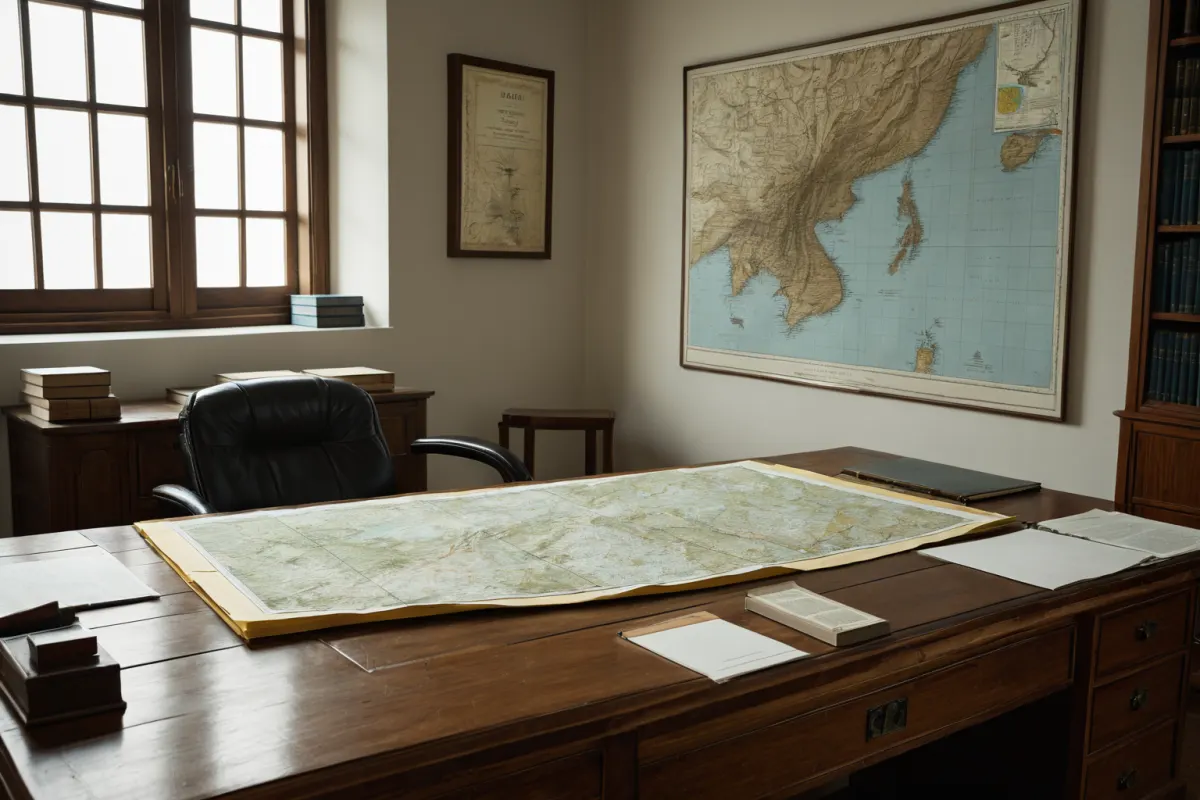
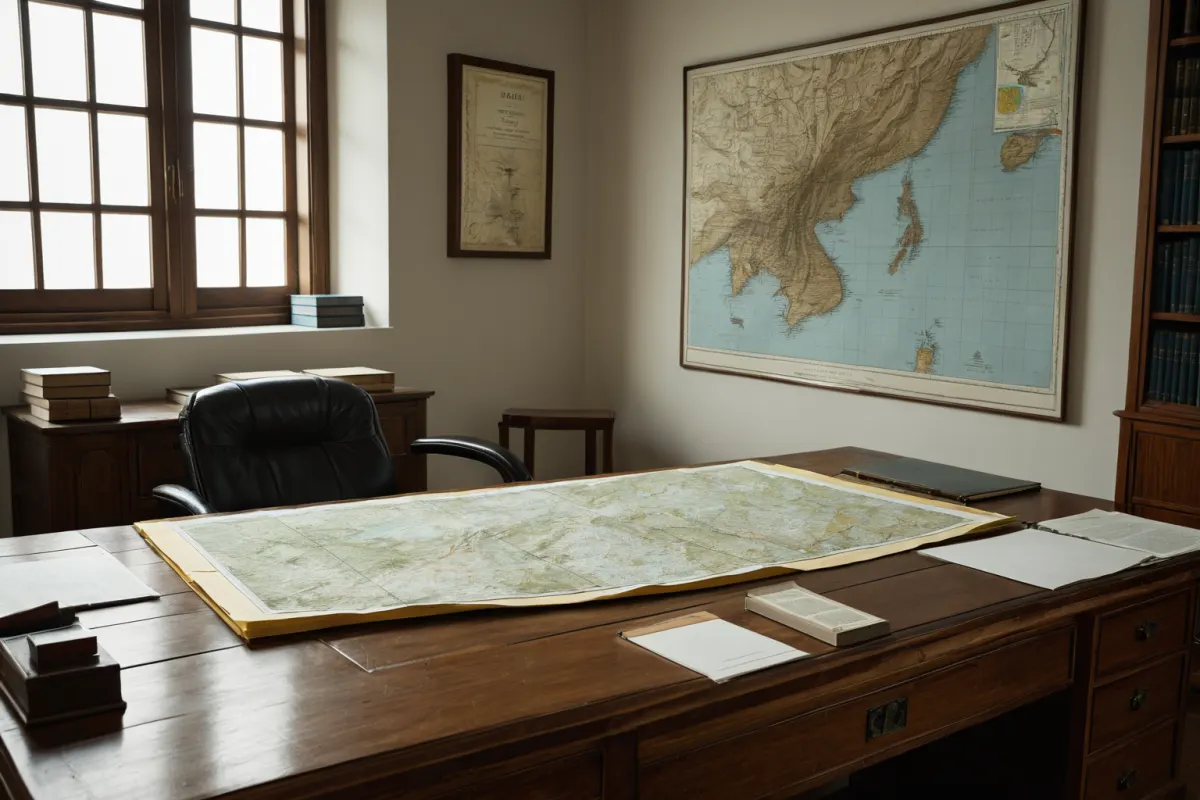
Japan's Defense White Paper has been including claims that Dokdo is part of Japan for the 22nd consecutive year, according to recent findings. This has drawn strong condemnation from the South Korean government and local authorities, who have demanded its withdrawal.
Historical Context of the Dokdo Sovereignty Claim
The fact that Japan's Defense White Paper has included sovereignty claims over Dokdo for 22 consecutive years is noteworthy. The Japanese government continues to assert this position, maintaining its stance that Dokdo belongs to Japan through 2026 and beyond. This reflects Japan's consistent approach to the Dokdo issue.
Strong Reactions from Government and Local Authorities
The South Korean government immediately demanded a withdrawal of the claim through diplomatic channels. The Gyeongsangbuk-do Provincial Assembly and Education Office also issued statements condemning the claims as distortions, urging Japan to retract its position. They emphasized that Japan's stance lacks basis in international law and historical facts, and outlined plans for diplomatic responses to address the issue.
Japan's Dokdo Claim Alongside Three-Year 'Partner' Reference
The inclusion of a three-year consecutive reference to South Korea as a 'partner' alongside the Dokdo sovereignty claim in Japan's Defense White Paper is notable. This suggests Japan aims to maintain cooperative relations with South Korea while simultaneously holding its position on Dokdo, though this combination has drawn criticism internationally for being contradictory.
Dokdo Sovereignty Issue and International Response
The international community largely recognizes Japan's Dokdo sovereignty claim as unjust. South Korea is focusing on securing international support through diplomatic channels to counter Japan's position. Given that Dokdo is clearly Korean territory under historical facts and international law, repeating such claims is seen as problematic.
Legal Basis Analysis for Dokdo Sovereignty Claim
The claim in Japan's Defense White Paper that Dokdo belongs to Japan lacks foundation in historical fact or international law. Dokdo was under Korean administration in the early 1900s, and Japan's position does not align with general international consensus. This serves as a key basis for criticizing Japan's stance on Dokdo.
Publication Schedule of Japan's Defense White Paper and Responses
Japan's Defense White Paper was published on August 4, 2026, including the Dokdo sovereignty claim. The South Korean government immediately requested a withdrawal through diplomatic channels on August 5, while the Gyeongsangbuk-do Provincial Assembly and Education Office issued condemnatory statements on August 6. The swift response from both the national government and local authorities is noteworthy.

Japan's Dokdo Claim and International Legal Issues
Dokdo is clearly Korean territory under historical facts and international law. Japan's repeated claim that Dokdo belongs to Japan contradicts the general international consensus. Legally, Japan's position on Dokdo lacks justification and contributes to diplomatic disputes.
Historical Facts Surrounding the Dokdo Issue
The Dokdo issue is clear: Dokdo was under Korean administration in the early 1900s. Japan's claims contradict historical facts, with ample evidence confirming Dokdo as part of South Korea. The assertion in Japan's Defense White Paper that Dokdo belongs to Japan contradicts these established historical realities.
Japan's Consistent Position and International Response
For 22 consecutive years, Japan has maintained its sovereignty claim over Dokdo, reflecting the government's consistent stance. However, the international community largely views Japan's position as unjust, with South Korea planning diplomatic efforts to counter it. Japan's claims are seen as inconsistent with both historical facts and international law.
Dokdo Issue and South-Japan Relations
The three-year consecutive reference to South Korea as a 'partner' in Japan's Defense White Paper appears positive for bilateral relations, but when combined with the Dokdo sovereignty claim, it sends mixed messages. While Japan aims to maintain cooperative attitudes in bilateral relations, its unwavering stance on Dokdo may undermine international trust.
Legal Disputes Over Dokdo Sovereignty
The Dokdo sovereignty issue is clearly resolved in favor of South Korea under historical facts and international law. Japan's position directly opposes this, with the international community largely viewing it as inconsistent with general consensus. Dokdo remains unequivocally South Korean territory under international legal standards.
Demands for Withdrawal and Response Strategies
The government and local authorities are demanding that Japan immediately withdraw its claim in the Defense White Paper. Through diplomatic channels, they will seek to secure international support while also focusing on educational efforts to convey accurate historical facts about Dokdo.
Dokdo Sovereignty Claim Timing with Defense White Paper Release
Japan's Defense White Paper was published on August 4, 2026, including the Dokdo sovereignty claim. This reflects Japan's ongoing insistence on its position. The government and Gyeongsangbuk-do Provincial Assembly/Education Office issued strong condemnatory statements on August 5 and 6 respectively.
International Controversy Surrounding Dokdo Claims
The international community largely recognizes Japan's Dokdo sovereignty claim as unjust. Given that Dokdo is clearly South Korean territory, Japan's claims contradict historical facts and are viewed unfavorably. South Korea is focusing on diplomatic efforts to counter Japan's position.
Dokdo Issue and Educational Approach
The Gyeongsangbuk-do Education Office condemned the Dokdo sovereignty claim as a distortion and urged its withdrawal, emphasizing the importance of conveying accurate historical facts through education. They believe that Japan's claims could misinform students, making educational correction crucial.
Diplomatic Response to Dokdo Sovereignty Claims
The government has immediately demanded the withdrawal of Japan's claim through diplomatic channels and is focusing on securing international support. While Japan refers to South Korea as a 'partner' for three consecutive years, it maintains its position on Dokdo, creating mixed messages that could harm international trust.
Analysis of the Continuity of Dokdo Sovereignty Claims
The fact that Japan's Defense White Paper has included claims that Dokdo belongs to Japan for 22 consecutive years is significant. It shows Japan's persistent stance, which contradicts international consensus. However, the international community largely views Japan's position as unjust, and South Korea plans diplomatic responses to address it.
Dokdo Issue and Historical Facts
Dokdo is clearly Korean territory under historical facts and international law. Japan's claims ignore this reality, contradicting general international consensus. Accurately conveying the historical facts about Dokdo remains important.
FAQ on Dokdo Sovereignty Claims
Q: Is it true that Japan's Defense White Paper has included claims that Dokdo belongs to Japan for 22 consecutive years?
A: Yes, Japan's Defense White Paper has been including this claim for 22 consecutive years, reflecting the Japanese government's consistent position.
Q: How have South Korea's government and local authorities responded to Japan's claims in the Defense White Paper?
A: The government immediately demanded withdrawal through diplomatic channels, while the Gyeongsangbuk-do Provincial Assembly and Education Office issued statements condemning the claims as distortions and urging retraction.
Q: Why does Japan refer to South Korea as a 'partner' for three consecutive years while continuing its Dokdo sovereignty claim?
A: Japan aims to maintain cooperative relations with South Korea while holding its position on Dokdo. However, this combination may undermine international trust due to the contradictory messaging.
Frequently Asked Questions
Japan's Defense White Paper has included claims that Dokdo belongs to Japan for 22 consecutive years, which is noteworthy as it reflects Japan's consistent position while drawing international criticism. South Korea's government and local authorities are responding diplomatically to demand withdrawal of the claim, focusing on conveying accurate historical facts about Dokdo. As clearly established by historical facts and international law, Dokdo is unequivocally South Korean territory.
You can view similar articles at once.
View Related ArticlesFAQ
Is it true that Japan's Defense White Paper has included claims that Dokdo belongs to Japan for 22 consecutive years?
Yes, Japan's Defense White Paper has been including this claim for 22 consecutive years, reflecting the Japanese government's consistent position.
How have South Korea's government and local authorities responded to Japan's claims in the Defense White Paper?
The government immediately demanded withdrawal through diplomatic channels, while the Gyeongsangbuk-do Provincial Assembly and Education Office issued statements condemning the claims as distortions and urging retraction.
Why does Japan refer to South Korea as a 'partner' for three consecutive years while continuing its Dokdo sovereignty claim?
Japan aims to maintain cooperative relations with South Korea while holding its position on Dokdo. However, this combination may undermine international trust due to the contradictory messaging.
Korean Source
This article is an English localization of a Korean-language report from BlogScore. Original: 독도 영유권 주장 일본 방위백서 내용 확인 및 국제사회 반응