
Japan's Defense White Paper Claims Dokdo Sovereignty: International Reaction and Context
Japan's Defense White Paper Claims Dokdo Sovereignty
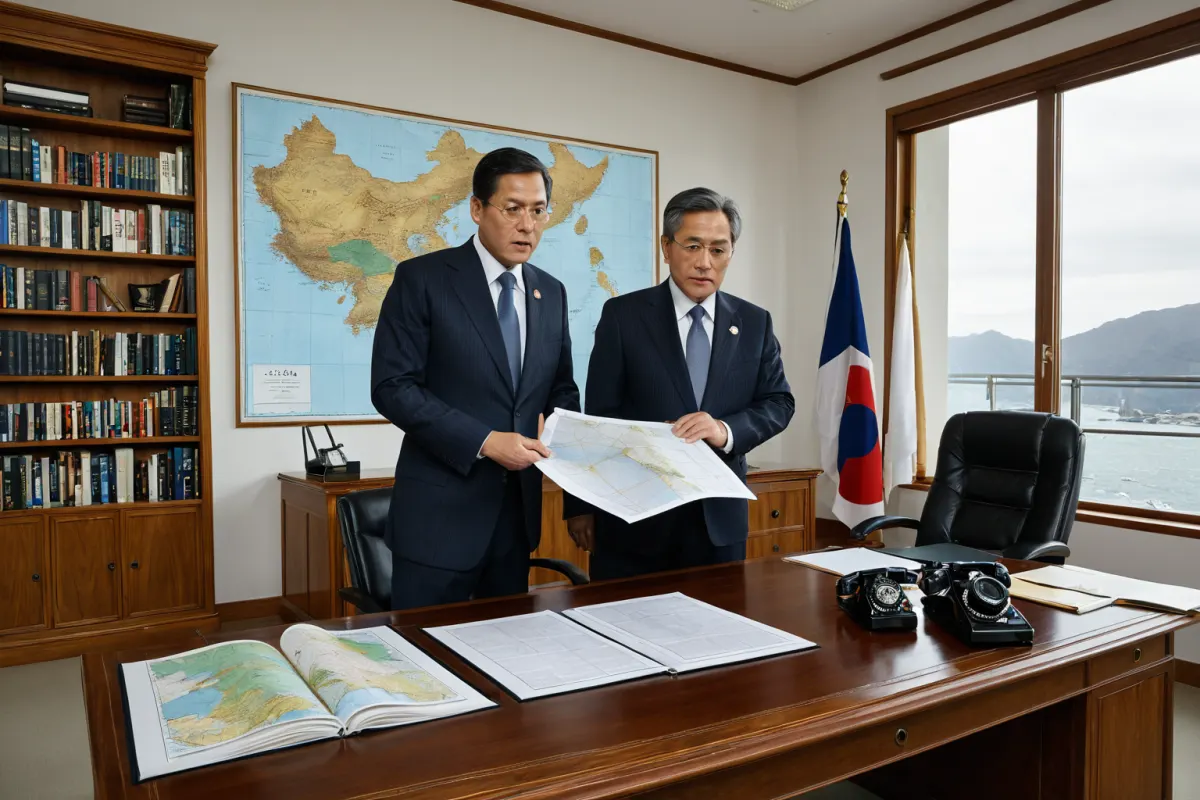
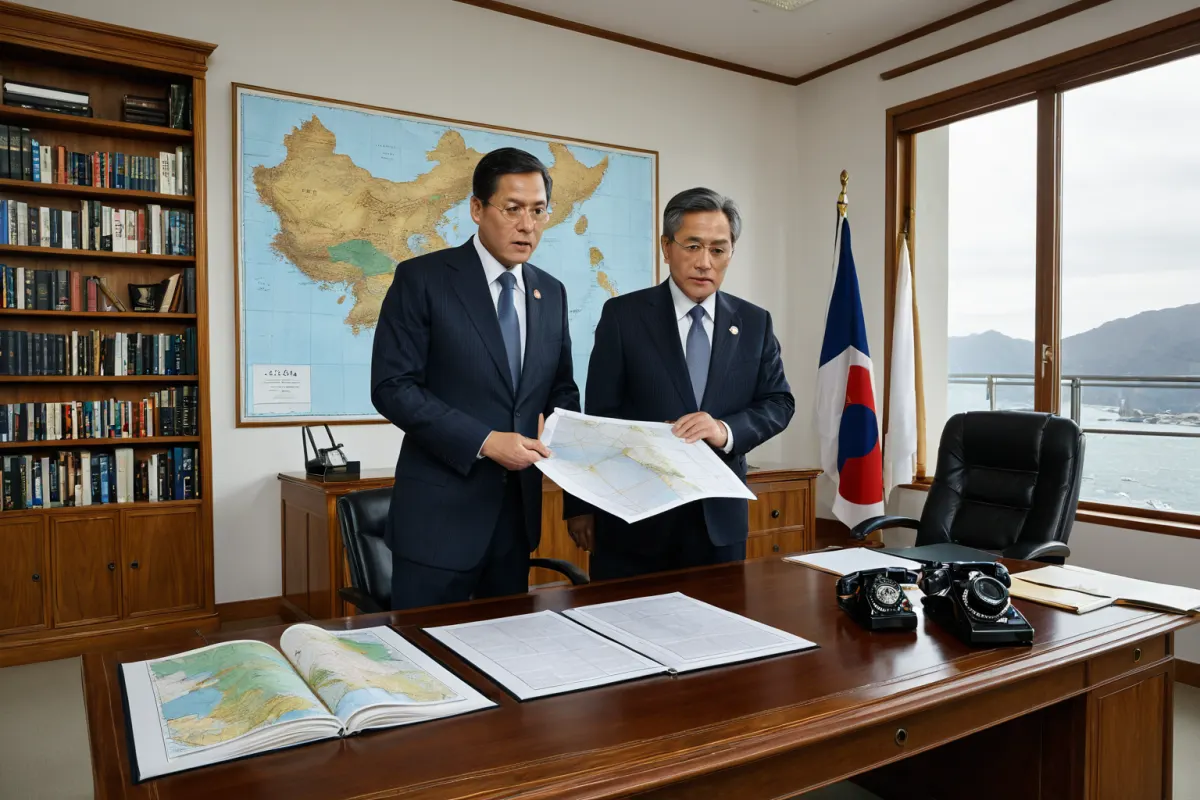
The South Korean government is issuing strong protests against Japan's 2026 Defense White Paper, which explicitly states that Dokdo (known as Takeshima in Japan) is part of Japanese territory. This marks the 22nd consecutive year Japan has asserted this claim in its annual defense document.
The South Korean government immediately summoned Japan's chief consul to demand withdrawal of the statement, while regional authorities in Gyeongsangbuk-do (North Gyeongsang Province) also voiced similar concerns. Japan's position is widely viewed as distorting international law and historical facts, exacerbating diplomatic tensions that have persisted for 16 years.
Dokdo is recognized by South Korea as its inherent territory, with the government and regional bodies condemning Japan's claim as 'baseless' and urging its withdrawal. This incident occurs within a long-standing pattern of Japan repeatedly distorting the Dokdo issue, drawing international attention.
Content of Japan's Defense White Paper on Dokdo
In its 2026 Defense White Paper, Japan explicitly identifies Dokdo as 'Japanese territory,' continuing a consistent stance that has appeared in the document since 1998. This represents a 22-year pattern of assertion.
The Defense White Paper is used by Japan to define maritime boundaries and assert territorial claims, but South Korea and regional authorities argue this position lacks legal or historical basis. The government has labeled Japan's claim as 'provocative,' demanding a thorough response based on international law and historical facts.
Japan has included Dokdo in its annual Defense White Paper for 16 consecutive years, with similar reactions from South Korea each time. Recently, Japan also raised objections over Korean vessels conducting marine surveys near Dokdo without prior consent, claiming it occurred within their Exclusive Economic Zone (EEZ).
Government and Regional Responses
The government has criticized Japan's Defense White Paper claim as 'baseless' and demanded immediate withdrawal. The Ministry of Foreign Affairs summoned Japan's chief consul to convey strong protests, while Gyeongsangbuk-do Province and education authorities expressed similar positions.
Jeong Cheol-woo, Governor of Gyeongsangbuk-do, strongly condemned the white paper's distortion of Dokdo as 'a repeated issue for 22 years.' The Gyeongsangbuk-do Provincial Assembly also referred to Japan's claim as a provocative move during a period of historically low Japanese public sentiment toward South Korea.
The government's response goes beyond diplomatic protest, demanding a robust countermeasure grounded in international law and historical facts. Japan's persistent 22-year pattern is interpreted by many as an attempt to undermine South Korea's position internationally.
Historical Context of the Dokdo Sovereignty Dispute
The Dokdo dispute has persisted since South Korea formally asserted its sovereignty over the islands in 1954. Japan has historically considered Dokdo part of its territory and established maritime boundaries accordingly since the early 1900s.
Japan's reiteration of its claim in the 2026 Defense White Paper reflects a consistent policy, having included this assertion annually since 1998. This demonstrates Japan's approach to Dokdo not merely as a maritime boundary issue but as a territorial ownership dispute.
Japan's position is widely regarded as distorting international law and historical facts, with South Korea and regional authorities labeling it an 'historical error.' Dokdo has been recognized by South Korea as its inherent territory since 1954, with continuous assertions of sovereignty by the government.
Dokdo Issue Amid Low Japanese Public Sentiment
Japan's recent reiteration of the Dokdo claim comes amid historically low public sentiment toward South Korea in Japan. This timing is noteworthy as it appears to be a deliberate attempt to worsen relations between the two countries.
The decline in Japanese public sentiment stems from multiple factors, but the Dokdo issue contributes significantly to Japan's declining credibility internationally. The ongoing 22-year dispute is seen as evidence of Japan's consistent policy of distorting historical facts regarding Dokdo.
Japan appears to be using the Dokdo issue as a strategy to deteriorate relations with South Korea, which could further weaken its international standing. Both government and regional authorities are demanding thorough countermeasures against such provocations.
Verified Facts and Information to Confirm
It is verified that the South Korean government and Gyeongsangbuk-do regional authorities have strongly condemned Japan's Defense White Paper claim over Dokdo, demanding its withdrawal. Japan has explicitly stated in its 2026 Defense White Paper that Dokdo is 'Japanese territory,' a position it has maintained for 22 consecutive years.
It has been confirmed that Governor Jeong Cheol-woo and the Gyeongsangbuk-do Provincial Assembly strongly condemned Japan's distortion of Dokdo in its white paper, while the government summoned Japan's chief consul to lodge protests. The characterization of Japan's claim as 'baseless' is also verified.
Japan has included Dokdo in its Defense White Paper for 16 consecutive years, a fact that has been confirmed. Additionally, it has been confirmed that Japanese public sentiment toward South Korea has reached historically low levels.
Frequently Asked Questions
Is Japan's claim of Dokdo as 'Japanese territory' in its Defense White Paper the 22nd consecutive year?
Yes, Japan has included a statement identifying Dokdo as 'Japanese territory' in its annual Defense White Paper since 1998, making this the 22nd consecutive year.
How did South Korea respond to Japan's claim?
The government summoned Japan's chief consul to demand withdrawal of the statement. Gyeongsangbuk-do Governor Jeong Cheol-woo and education authorities also strongly condemned the distortion, criticizing Japan's position as 'baseless' and demanding a response based on international law and historical facts.
Is Dokdo South Korea's territory?
Yes, Dokdo is recognized by South Korea as its inherent territory. Since 1954, the government has consistently asserted sovereignty over Dokdo. Japan's claim is widely regarded as lacking legal or historical basis under international law.
You can find similar articles on this topic in one place.
View Related ArticlesFAQ
Is Japan's claim of Dokdo as 'Japanese territory' in its Defense White Paper the 22nd consecutive year?
Yes, Japan has included a statement identifying Dokdo as 'Japanese territory' in its annual Defense White Paper since 1998, making this the 22nd consecutive year.
How did South Korea respond to Japan's claim?
The government summoned Japan's chief consul to demand withdrawal of the statement. Gyeongsangbuk-do Governor Jeong Cheol-woo and education authorities also strongly condemned the distortion, criticizing Japan's position as 'baseless' and demanding a response based on international law and historical facts.
Is Dokdo South Korea's territory?
Yes, Dokdo is recognized by South Korea as its inherent territory. Since 1954, the government has consistently asserted sovereignty over Dokdo. Japan's claim is widely regarded as lacking legal or historical basis under international law.
Korean Source
This article is an English localization of a Korean-language report from BlogScore. Original: 일본 방위백서에 독도 주권 주장한 이유와 국제 반응