
Japan's Defense White Paper Reiterates Disputed Dokdo Sovereignty Claim
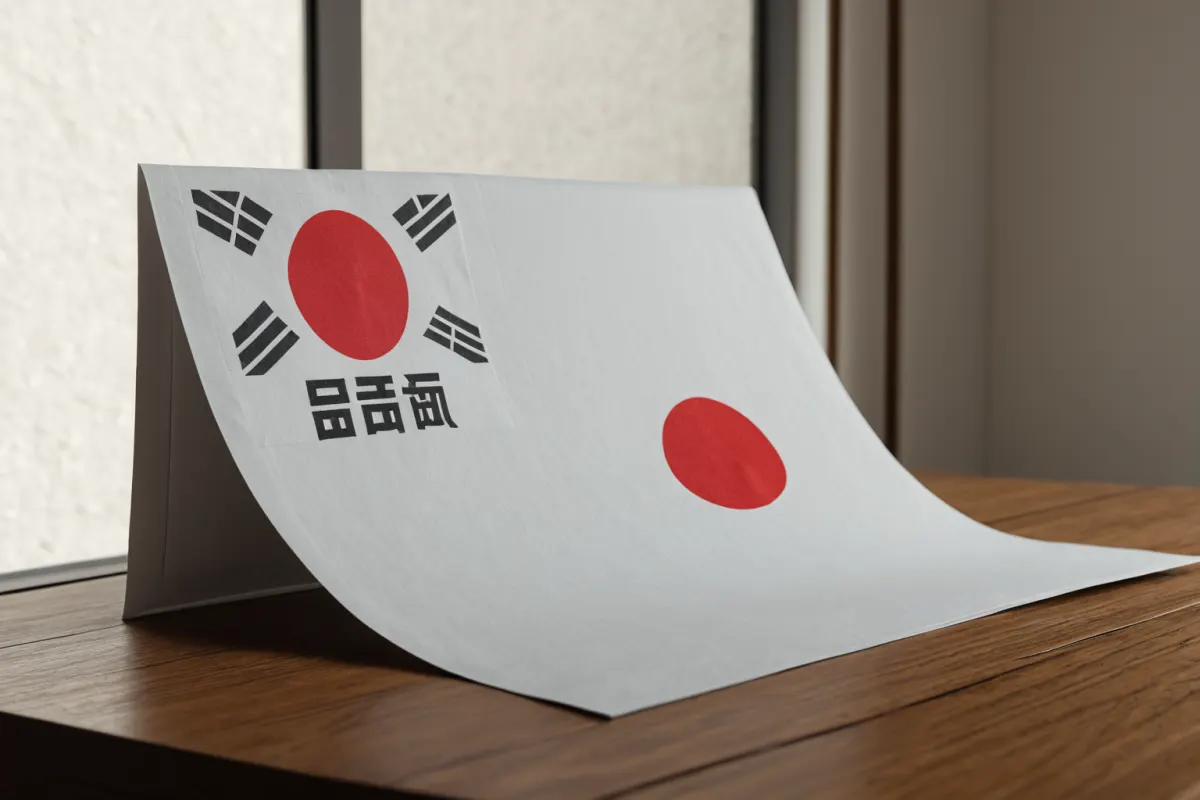
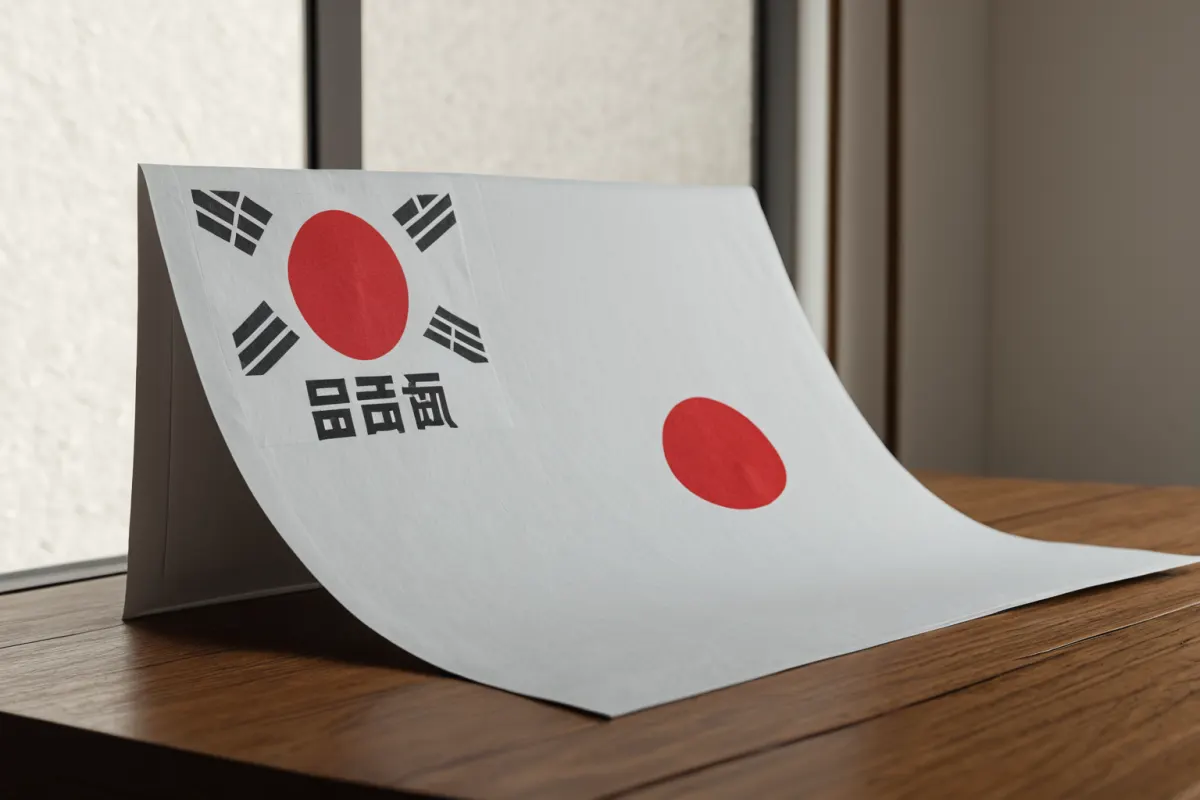
Japan's Defense White Paper on Dokdo Claim
Japan's Defense White Paper for this year includes a statement classifying Dokdo as Japanese territory, continuing a claim that has been repeated for 22 years since 2005. The territorial dispute over Dokdo remains unresolved, with Japan referring to it as 'Takeshima' while maintaining its position.
Japan's Defense White Paper Claims on Dokdo
The 2026 edition of Japan's Defense White Paper continues to refer to Dokdo as Japanese territory. This is the 22nd consecutive year that this claim has appeared in the document. Japan refers to Dokdo as 'Takeshima' while simultaneously describing South Korea as a 'partner' or 'important neighbor,' revealing contradictory attitudes.
The Defense White Paper outlines Japan's defense policies and military strategies, often explicitly stating positions on sovereignty issues. The Dokdo territorial claim has persisted since 2005, and this year's document includes the same content.
South Korea's Strong Protest
The South Korean government immediately and strongly condemned Japan's Defense White Paper for its Dokdo sovereignty claim. On August 4, the Ministry of Foreign Affairs summoned Japan's chief consul and defense attaché to demand an immediate withdrawal of the claim, with the Gyeongsangbuk-do Provincial Assembly expressing a similar stance.
The Ministry described the inclusion of the Dokdo sovereignty claim in the White Paper as 'Japan's incorrect position' and demanded its immediate withdrawal. This comes despite Japan having repeated the same claim for 22 years without resolving the Dokdo issue.
Historical Background of the Dokdo Sovereignty Issue
Dokdo is recognized as South Korea's inherent territory, with the Korean government beginning management in 1954. Since then, Japan has continued to refer to Dokdo as 'Takeshima' and assert territorial claims.
Japan's claim lacks legal basis under international law. Dokdo has been under continuous Korean administration since the early 20th century, with South Korea managing it since 1954. Japan continues to refer to Dokdo as 'Takeshima' while leaving the dispute unresolved.
Japan's Contradictory Approach
Japan has adopted contradictory attitudes toward the Dokdo sovereignty issue by referring to South Korea as a 'partner' or 'important neighbor' in the Defense White Paper, even while claiming Dokdo as Japanese territory. This reflects Japan's inconsistent approach—asserting territorial claims without clarifying its position on Dokdo while simultaneously promoting improved relations with South Korea.
This contradictory behavior has led to strong protests from both the South Korean government and public. The inclusion of Dokdo sovereignty claims in Japan's Defense White Paper has been ongoing since 2005, appearing again in the 2026 edition, highlighting Japan's failure to resolve the issue.
Specific Details of Diplomatic Response
On August 4, the Ministry of Foreign Affairs summoned Japan's chief consul and defense attaché for a strong protest. This action was taken in response to Japan's Dokdo sovereignty claim, demanding its immediate withdrawal.
The government stated that 'Dokdo is South Korea's inherent territory,' urging Japan to immediately withdraw its claim. The Gyeongsangbuk-do Provincial Assembly also issued a strong condemnation statement against Japan's Defense White Paper for its Dokdo sovereignty claim.
This diplomatic action follows Japan's repeated claims over 22 years without resolving the Dokdo issue, which international law deems unfounded.
International Context of the Dokdo Sovereignty Issue
Dokdo is recognized as South Korea's inherent territory under international law, with government management since 1954. Japan continues to refer to Dokdo as 'Takeshima' while asserting its claim.
This issue remains one of the core points of contention in Japan-South Korea relations. Japan's continued repetition of the same claim for 22 years has eroded trust within the international community. The Dokdo sovereignty issue is not merely a territorial dispute but also a critical factor shaping the future of Japan-South Korea relations.
Dokdo Sovereignty and Japan's Defense Policy
The Defense White Paper, which outlines military strategies and defense policies, reflects Japan's view of Dokdo as its territory. However, this position lacks legal basis under international law.
Persisting with this claim negatively impacts Japan-South Korea relations and obstructs efforts to resolve the Dokdo issue through dialogue. Japan bears responsibility to work toward resolving the Dokdo dispute.
Verification and Response Information on Dokdo Sovereignty
The inclusion of Dokdo sovereignty claims in Japan's Defense White Paper has been repeated for 22 consecutive years since 2005, demonstrating Japan's continued avoidance of resolving the issue. The government and Gyeongsangbuk-do Provincial Assembly have strongly condemned this claim and demanded its withdrawal, with the Ministry summoning Japanese officials to demand immediate correction.
Dokdo is recognized as South Korea's inherent territory under international law, with management by the Korean government since 1954. Japan continues to refer to Dokdo as 'Takeshima' while asserting its claim, a position that lacks legal foundation.

How to Verify the Dokdo Sovereignty Issue
Latest information on the Dokdo sovereignty issue can be verified through government press releases and official reports. The content of Japan's Defense White Paper, as an official document from the Japanese government, allows direct verification of sections containing the Dokdo sovereignty claim.
The government has demanded that Japan withdraw its claims, and diplomatic efforts are being strengthened to address this issue. International cooperation for resolving the Dokdo dispute is necessary.
Frequently Asked Questions
How does Japan refer to Dokdo in its Defense White Paper?
Japan's Defense White Paper refers to Dokdo as 'Takeshima' and claims it as Japanese territory. This has been repeated for 22 consecutive years since 2005.
How did South Korea respond?
The South Korean government strongly condemned Japan's Dokdo sovereignty claim in the Defense White Paper and demanded its withdrawal. On August 4, the Ministry of Foreign Affairs summoned Japan's chief consul and defense attaché to demand an immediate correction.
Why does Japan claim Dokdo as Japanese territory?
Japan refers to Dokdo as 'Takeshima' and continues to assert territorial claims. However, this lacks legal basis under international law. Dokdo is recognized as South Korea's inherent territory, with government management since 1954.
Frequently Asked Questions
Japan's Defense White Paper has been claiming Dokdo as Japanese territory for 22 consecutive years since 2005, demonstrating Japan's continued avoidance of resolving the issue. The South Korean government and Gyeongsangbuk-do Provincial Assembly have strongly condemned this claim and demanded its withdrawal, with diplomatic efforts being strengthened.
Dokdo is clearly recognized as South Korea's inherent territory under international law. Japan must work toward resolving the Dokdo sovereignty issue, which is crucial for improving Japan-South Korea relations.
The government and public must maintain vigilance on this issue until Japan withdraws its Dokdo sovereignty claim.
You can view similar articles on this topic in one place.
View Related ArticlesFAQ
How does Japan refer to Dokdo in its Defense White Paper?
Japan refers to Dokdo as 'Takeshima' and claims it as Japanese territory, a claim repeated for 22 years since 2005.
How did South Korea respond?
South Korea summoned Japanese officials to demand withdrawal of the claim, calling it an incorrect position and emphasizing Dokdo's status as Korean territory since 1954.
Why does Japan claim Dokdo as Japanese territory?
Japan claims Dokdo as 'Takeshima' but this lacks legal basis under international law. Dokdo has been managed by South Korea since 1954 and is recognized as its inherent territory.
Korean Source
This article is an English localization of a Korean-language report from BlogScore. Original: 독도 주권 문제, 일본 방위백서의 새로운 주장 내용 확인