
Japan's Defense White Paper Ignoring Dokdo Sovereignty: A Historical Fact
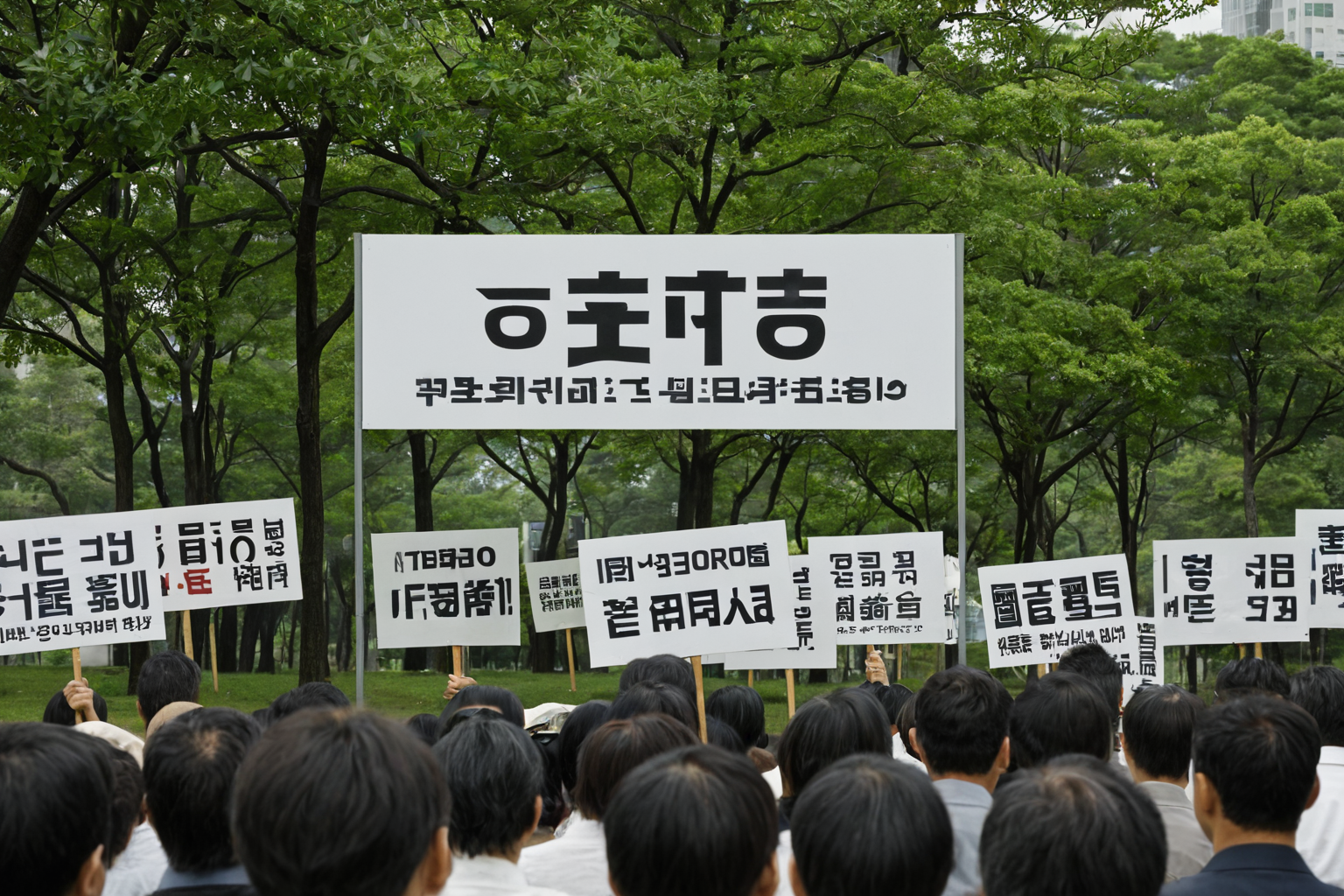
Condemnation of Japan's Defense White Paper on Dokdo Sovereignty
Kyungbuk Province, Kyungbuk Education Office, and Governor Lee Cheol-woo have strongly condemned Japan's 2026 Defense White Paper for claiming sovereignty over Dokdo, demanding immediate withdrawal. For 22 consecutive years up to 2026, Japan has repeatedly asserted Dokdo as part of its territory in the Defense White Paper—a distortion that contradicts historical facts and international law. Notably, Japan simultaneously refers to South Korea as a 'partner,' creating an inconsistent stance.
Japan's Defense White Paper has included claims of Dokdo as Japanese territory for 22 consecutive years up to 2026. This is considered a distortion of historical fact and international law, prompting joint responses from the South Korean government and local authorities. Specifically, Kyungbuk region agencies issued statements condemning the white paper's false claims about Dokdo sovereignty, reaffirming that Dokdo belongs exclusively to South Korea.
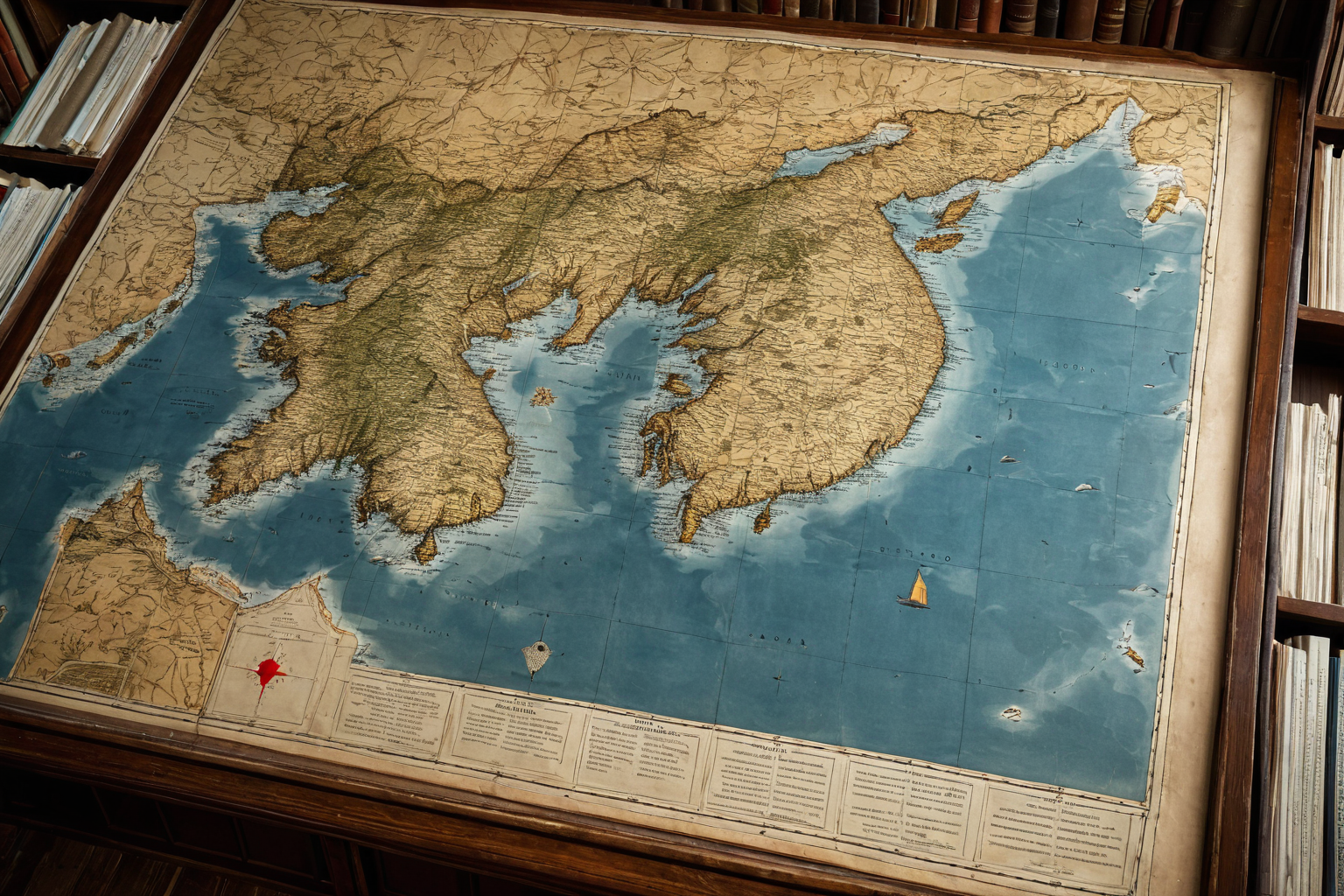
Dokdo Sovereignty Claims and Regional Response in Gyeongbuk
Japan's repeated assertion of Dokdo sovereignty in its Defense White Paper, now spanning 22 consecutive years up to 2026, represents a historical distortion. The Japanese government has consistently classified Dokdo as part of its territory in the annual Defense White Paper, repeatedly infringing upon South Korea's sovereignty. This claim contradicts international law and has been included again in the 2026 edition, raising serious concerns.
Kyungbuk Province, Kyungbuk Education Office, and the Kyungbuk Provincial Assembly have strongly condemned Japan's Defense White Paper for its Dokdo sovereignty claims. This was confirmed through various reports on August 4-5, 2026. The Kyungbuk Education Office issued a statement on August 5 condemning Japan's claim in the Defense White Paper, while the Kyungbuk Provincial Assembly called for withdrawal of the document during the same period.
Governor Lee Cheol-woo condemned Japan's distortion of Dokdo sovereignty in the Defense White Paper on August 4 and demanded immediate correction. This represents an official response from the Gyeongbuk region, highlighting Japan's historical distortion regarding Dokdo's sovereignty.
Contradictory Stance in Japan's Defense White Paper
The Japanese Defense White Paper presents a contradictory stance by claiming Dokdo sovereignty while referring to South Korea as a 'partner.' This reflects the Japanese government sending mixed messages about its relationship with South Korea. While distorting historical facts on Dokdo, Japan simultaneously emphasizes cooperation with South Korea—a contradiction that has drawn criticism.
Japan's Defense White Paper includes claims of Dokdo sovereignty for 22 consecutive years up to 2026, which is viewed as an infringement on South Korea's historical sovereignty. The Japanese government faces criticism from the international community, particularly as Kyungbuk region authorities jointly reaffirm Dokdo's status as South Korea's exclusive territory.
The 2026 Defense White Paper includes false claims about Dokdo sovereignty, continuing Japan's pattern of designating Dokdo as its own territory. This is seen as an infringement on South Korea's historical sovereignty.
Historical Background of the Dokdo Issue
Dokdo has been recognized as South Korea's exclusive territory since 1954, when the South Korean government incorporated it into its jurisdiction and began exercising clear sovereignty. Japan unilaterally occupied Dokdo in the early 1900s but later lost international recognition of this claim. To date, Dokdo is officially recognized as part of South Korea's territory, and Japan's continued assertion of sovereignty contradicts historical facts and international law.
Japan's Defense White Paper has included claims of Dokdo as Japanese territory for 22 consecutive years up to 2026—a distortion that the South Korean government and local authorities strongly condemn. This serves as an example of Japan distorting historical facts.
The Dokdo issue transcends a simple territorial dispute, becoming a significant matter concerning adherence to historical facts and international law. Japan's assertion of sovereignty over Dokdo is viewed as an infringement on South Korea's sovereignty, with condemnation being a consistent stance in the international community.
Response and Safety Information
Kyungbuk Province, Kyungbuk Education Office, and Governor Lee Cheol-woo have strongly condemned Japan's Defense White Paper for its Dokdo sovereignty claims, demanding immediate withdrawal. This represents an official response to protect South Korea's historical sovereignty, correcting Japan's distorted claims.
International reactions to the Dokdo issue consistently highlight that Japan's claims contradict historical facts. Many countries and international organizations recognize Dokdo as South Korea's exclusive territory. Therefore, Japan's assertion of sovereignty is viewed as a violation of international law and historical fact.
The 2026 Defense White Paper includes continued false claims about Dokdo sovereignty for the 22nd consecutive year, reflecting Japan's historical distortion. Condemnation and response to such claims should be a joint effort by South Korea's government and local authorities.
Verified Information
The Japanese Defense White Paper has included claims of Dokdo sovereignty for 22 consecutive years up to 2026, which is viewed as an infringement on South Korea's sovereignty. Kyungbuk region agencies have strongly condemned these claims and demanded immediate withdrawal.
Japan's 2026 Defense White Paper includes false assertions about Dokdo sovereignty, reflecting Japan's repeated pattern of classifying Dokdo as its territory in annual white papers.
Japan distorts historical facts regarding the Dokdo issue while simultaneously referring to South Korea as a 'partner'—a contradictory stance that reflects a loss of trust in international society.
Frequently Asked Questions
Is Dokdo recognized as South Korea's exclusive territory?
Yes, Dokdo is widely recognized as South Korea's exclusive territory. Since 1954, when the South Korean government incorporated Dokdo into its jurisdiction, it has exercised clear sovereignty.
Why does Japan's Defense White Paper claim Dokdo as Japanese territory?
Japan has repeatedly made false claims about Dokdo being part of Japan for 22 consecutive years up to 2026. This contradicts historical facts and international law, prompting strong condemnation from the South Korean government and local authorities.
How does Japan's Defense White Paper address the Dokdo issue?
The Japanese Defense White Paper has included claims of Dokdo as Japanese territory for 22 consecutive years up to 2026. It simultaneously refers to South Korea as a 'partner,' presenting an inconsistent stance.
Frequently Asked Questions
Japan's Defense White Paper has falsely claimed Dokdo sovereignty for 22 consecutive years up to 2026, marking a historical distortion that infringes on South Korea's historical sovereignty. Kyungbuk Province, the Education Office, and Governor Lee Cheol-woo have strongly condemned this, demanding immediate withdrawal. Japan distorting historical facts regarding Dokdo contradicts international law and historical fact, necessitating responses to protect South Korea's sovereignty.
The 2026 Defense White Paper continues Japan's pattern of falsely claiming Dokdo as its territory for the 22nd consecutive year, viewed as an infringement on South Korea's sovereignty. Joint responses from Kyungbuk region authorities reaffirming Dokdo's status as South Korea's exclusive territory hold significant importance.
Japan distorts historical facts about Dokdo while simultaneously presenting a contradictory stance toward South Korea by referring to it as a 'partner.' This reflects Japan's loss of trust in international society. Dokdo is recognized as South Korea's exclusive territory, and Japan's claims contradict historical fact and conflict with international law.
You can view similar articles on this topic in one place.
View Related ArticlesFAQ
Is Dokdo recognized as South Korea's exclusive territory?
Yes, Dokdo is widely recognized as South Korea's exclusive territory. Since 1954, when the South Korean government incorporated Dokdo into its jurisdiction, it has exercised clear sovereignty.
Why does Japan's Defense White Paper claim Dokdo as Japanese territory?
Japan has repeatedly made false claims about Dokdo being part of Japan for 22 consecutive years up to 2026. This contradicts historical facts and international law, prompting strong condemnation from the South Korean government and local authorities.
How does Japan's Defense White Paper address the Dokdo issue?
The Japanese Defense White Paper has included claims of Dokdo as Japanese territory for 22 consecutive years up to 2026. It simultaneously refers to South Korea as a 'partner,' presenting an inconsistent stance.
Korean Source
This article is an English localization of a Korean-language report from BlogScore. Original: 독도 주권 문제, 일본 방위백서에서 보는 역사적 사실