
Japan's Repeated Dokdo Claim in Defense White Paper: A 22-Year Analysis
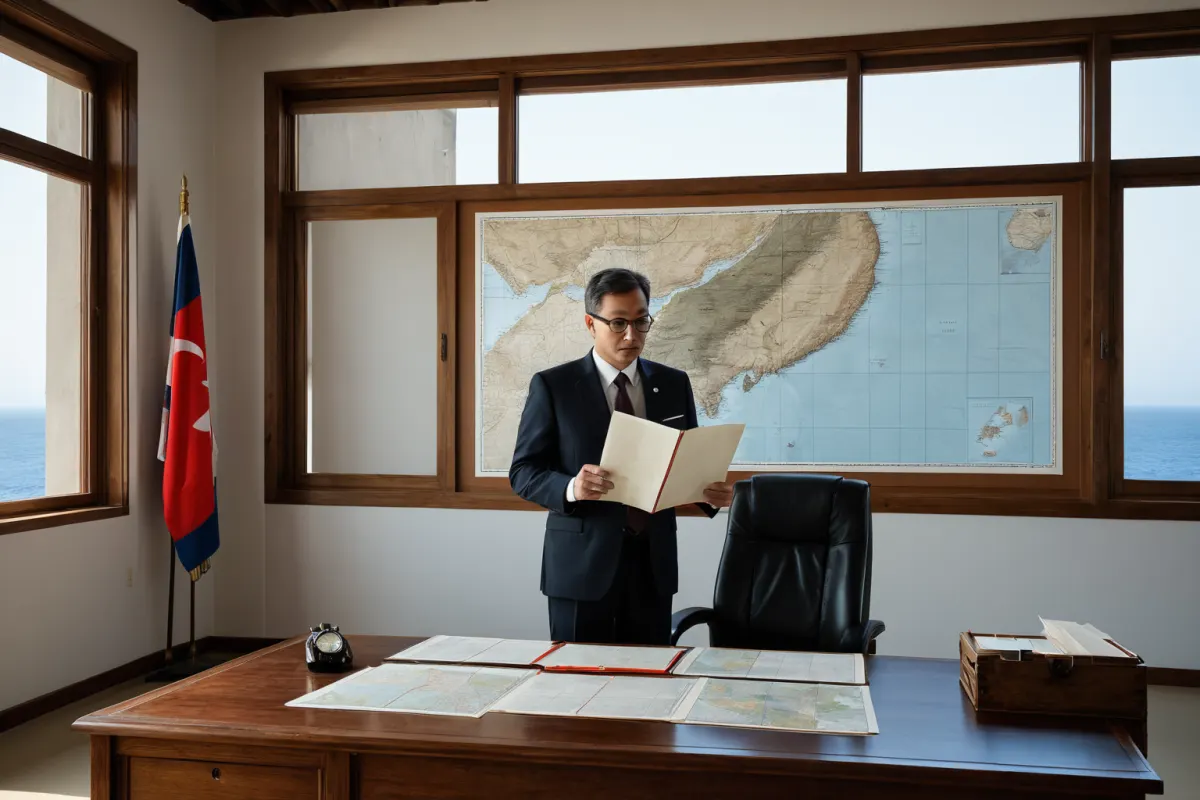
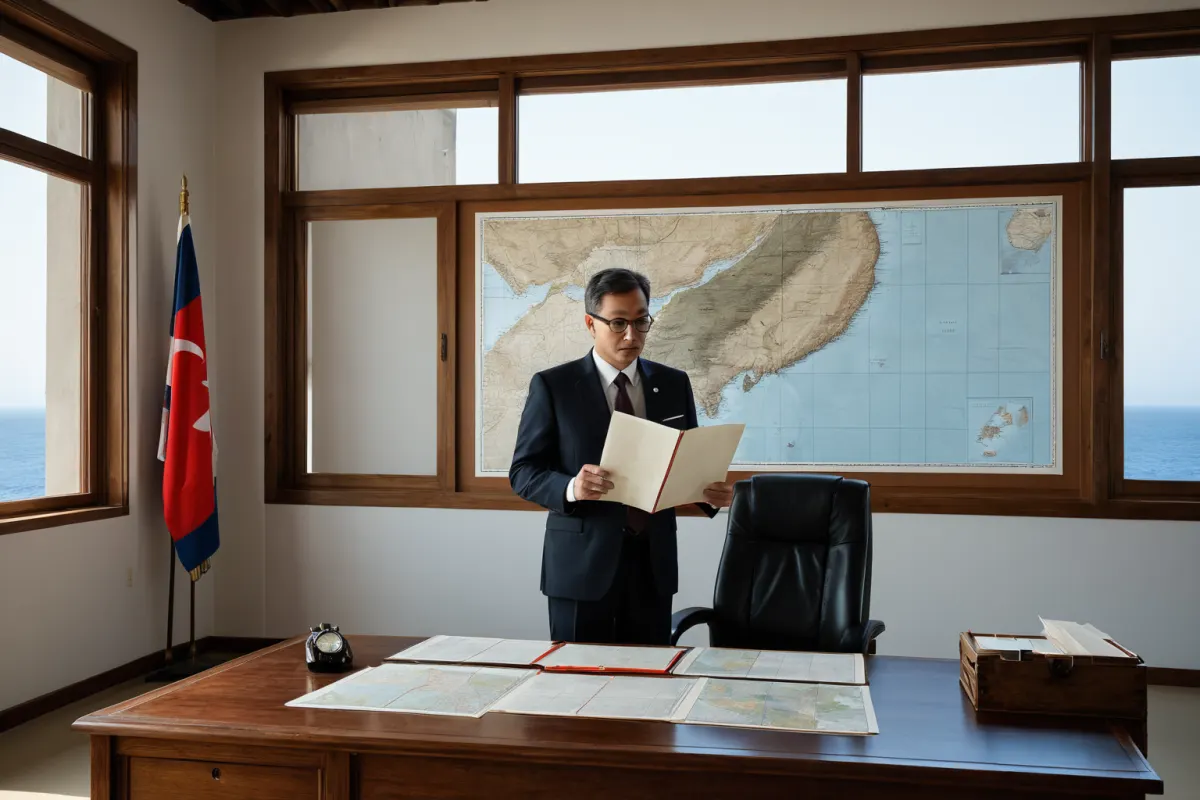
Japan's Dokdo Sovereignty Claim Repeated for 22 Years in Defense White Paper
The Japanese government included a statement in its August 2026 defense white paper asserting that Dokdo is part of Japan. This marks the 22nd consecutive year Japan has made this territorial claim, prompting strong condemnation from the South Korean government and Gyeongsangbuk-do Assembly, who have demanded immediate withdrawal.
Japan's defense white papers have included statements classifying Dokdo as Japanese territory since the 1980s. According to recent reports, the August 4, 2026, publication of the defense white paper referred to Dokdo as 'Takeshima' and reiterated its territorial claim. This comes despite Japan's consistent designation of South Korea as a 'partner' for three consecutive years.
Historical Context of the Dokdo Sovereignty Claim
The Japanese government has classified Dokdo as part of Japan in its defense white papers since the 1980s. In 2014, it referred to the claim as 'the 10th consecutive year,' and in 2020, when a Korean-language version was published, it stated 'the 16th consecutive year.' The issue was emphasized again in the defense white paper released ahead of the 2021 Tokyo Olympics.
When Japan released its 2023 defense white paper, the Ministry of Foreign Affairs warned it would 'demand immediate withdrawal and respond firmly.' In 2024, Japan's military attaché was summoned to protest the Dokdo sovereignty claim. Japan continues to include this territorial dispute in its annual defense white papers, perpetuating the conflict.
Government and Gyeongsangbuk-do Assembly Response
The government strongly condemned the 2026 defense white paper's assertion that Dokdo belongs to South Korea immediately after its release on August 4. The government lodged a strong protest through embassies in Japan, demanding immediate withdrawal. The Gyeongsangbuk-do Assembly also issued a statement calling the claim 'a baseless argument repeated for 22 years' and demanded its withdrawal.
According to Yonhap News TV, the government identified the Dokdo sovereignty claim as 'a consistent error,' emphasizing that it has been repeated for 22 consecutive years. The Gyeongsangbuk-do Assembly argued that Japan's stance violates international law and historical facts, marking the first time both central and local governments have jointly responded to such a statement in the defense white paper.
Japan's Use of 'Takeshima' Name and Unresolved Territorial Issue
In Japan's defense white papers, Dokdo is referred to as 'Takeshima,' a name Japan has used since the early 1900s when it began claiming Dokdo as part of its territory. South Korea and the international community have consistently used the name 'Dokdo.'
By using 'Takeshima,' Japan maintains an unresolved territorial dispute over Dokdo. In a 2023 Ministry of Foreign Affairs statement, Japan's claim was identified as inconsistent with historical facts and international law, a stance reiterated in the 2026 white paper.
Historical Context of Territorial Dispute
The Dokdo issue is one of several territorial disputes between Japan and South Korea. Japan has claimed Dokdo as part of its territory since the early 1900s. In 1954, the Japanese government began using 'Takeshima' to refer to Dokdo, and it has been included in annual defense white papers ever since.
While Japan did not submit the Dokdo sovereignty issue to the International Court of Justice in 2013, it continues to maintain its claim in annual defense white papers. This suggests Japan is deliberately keeping the dispute unresolved through consistent assertions rather than seeking diplomatic resolution.
Government Response and Future Plans
The government has demanded immediate withdrawal of Japan's Dokdo sovereignty claim in the defense white paper, clearly stating 'Dokdo belongs to South Korea' in a statement released on August 4, 2026. This is seen as a firm response to Japan's repeated territorial claims.
The Gyeongsangbuk-do Assembly has labeled Japan's claim as 'a baseless argument repeated for 22 years,' demanding its immediate withdrawal. The assembly is also reviewing plans to strengthen policies promoting Korean language education and tourism in the waters surrounding Dokdo.
International Court of Justice and Dokdo Issue
The Dokdo sovereignty issue has never been submitted to the International Court of Justice. Japan began using 'Takeshima' in 1954, claiming Dokdo as part of its territory, which remains a key source of tension with South Korea.
In a 2023 Ministry of Foreign Affairs statement, South Korea reaffirmed that 'Dokdo belongs to South Korea,' directly opposing Japan's claim. The international community has consistently pointed out that Japan's position contradicts historical facts and international law.
Maritime Boundary Dispute Around Dokdo
By referring to Dokdo as 'Takeshima,' Japan links the issue to maritime boundary disputes around Dokdo. Japan has long claimed authority over fisheries management in the surrounding waters, exacerbating tensions with South Korea.
In 2023, when Japan released its defense white paper, the government warned of a 'firm response' to the maritime boundary dispute around Dokdo. As of 2026, diplomatic measures related to this issue continue, expanding the dispute into broader fisheries and maritime boundary conflicts.
Publication Cycle and Content Changes in Japan's Defense White Paper
Japan's defense white paper is published annually in July or August, with Dokdo sovereignty claims included since the 1980s. The 2026 white paper repeating this claim marks the 22nd consecutive year.
While Japan designates South Korea as a 'partner' when releasing its defense white paper, it continues to raise the Dokdo issue annually. This suggests Japan is maintaining both cooperative and confrontational aspects of the relationship simultaneously.
International Community's Response to Dokdo Issue
The international community has consistently pointed out that Japan's claim over Dokdo contradicts historical facts and international law. In 2023, a UN resolution criticizing Japan's Dokdo claim was adopted, reflecting global concern about Japan's consistent stance.
South Korea is working with the international community to resolve the Dokdo issue through diplomatic dialogue based on historical facts. Japan's repeated claims in its defense white paper have drawn significant attention from the international community and will require continued focus moving forward.
Potential Future of Dokdo Issue
With Japan maintaining a consistent stance on Dokdo sovereignty, future relations between South Korea and Japan will require diplomatic efforts to resolve this issue. If Japan does not withdraw its claim in the defense white paper, building trust between the two nations will become increasingly difficult.
The government is considering further protest measures against Japan, while the Gyeongsangbuk-do Assembly plans to strengthen policies protecting marine resources and promoting tourism around Dokdo. These efforts will require international support and cooperation to succeed.
Key Information to Verify
The 22-year repetition of Japan's Dokdo sovereignty claim in its defense white paper confirms the Japanese government has included this statement annually since the 1980s.
The government and Gyeongsangbuk-do Assembly have labeled Japan's claim as 'a baseless argument repeated for 22 years,' demanding immediate withdrawal. This represents a firm stance based on historical facts and international law.
Japan uses the name 'Takeshima' to reinforce its Dokdo sovereignty claim, which is widely recognized as inconsistent with international law and historical facts. This position was also mentioned in a 2023 Ministry of Foreign Affairs statement.
The Dokdo issue has never been submitted to the International Court of Justice, but Japan's continued claims in its defense white paper are seen as undermining trust within the international community. This could negatively impact future diplomatic efforts aimed at improving South Korea-Japan relations.
Frequently Asked Questions
What is the historical background behind Japan's claim of Dokdo as part of Japan in its defense white paper?
The Japanese government has classified Dokdo as part of Japan in its defense white papers since the 1980s. In 2014, it referred to this as 'the 10th consecutive year,' and in 2020, during a Korean-language edition release, stated 'the 16th consecutive year.'
How has the government responded to Japan's Dokdo sovereignty claim in its defense white paper?
The government demanded immediate withdrawal following the August 4, 2026, release of the Japanese defense white paper. The Gyeongsangbuk-do Assembly also issued a statement calling it 'a baseless argument repeated for 22 years' and demanding its withdrawal.
Why does Japan refer to Dokdo as 'Takeshima' in its defense white paper?
Japan has used the name 'Takeshima' since the early 1900s when it began claiming Dokdo as part of its territory. This is widely recognized as inconsistent with historical facts and international law.
Frequently Asked Questions
The repeated claim by Japan in its defense white paper regarding Dokdo sovereignty for 22 consecutive years reflects a consistent stance that undermines trust in South Korea-Japan relations and has drawn international criticism.
The government and Gyeongsangbuk-do Assembly have clearly stated that Dokdo belongs to South Korea, demanding Japan's immediate withdrawal. This firm response based on historical facts and international law represents an important step toward improving future South Korea-Japan relations.
Resolving the Dokdo issue requires Japan to withdraw its consistent claim, which will necessitate cooperation with the international community to communicate historical facts and legal basis. This goes beyond just resolving maritime boundary disputes around Dokdo; it has become a key challenge for improving South Korea-Japan relations in the future.
You can view similar articles all at once.
View Related ArticlesFAQ
What is the historical background behind Japan's claim of Dokdo as part of Japan in its defense white paper?
The Japanese government has classified Dokdo as part of Japan in its defense white papers since the 1980s. In 2014, it referred to this as 'the 10th consecutive year,' and in 2020, during a Korean-language edition release, stated 'the 16th consecutive year.'
How has the government responded to Japan's Dokdo sovereignty claim in its defense white paper?
The government demanded immediate withdrawal following the August 4, 2026, release of the Japanese defense white paper. The Gyeongsangbuk-do Assembly also issued a statement calling it 'a baseless argument repeated for 22 years' and demanding its withdrawal.
Why does Japan refer to Dokdo as 'Takeshima' in its defense white paper?
Japan has used the name 'Takeshima' since the early 1900s when it began claiming Dokdo as part of its territory. This is widely recognized as inconsistent with historical facts and international law.
Korean Source
This article is an English localization of a Korean-language report from BlogScore. Original: 일본 방위백서에 담긴 독도 주장, 과거와 현재 비교 분석