
How Japan's 2026 Defense White Paper Addresses Dokdo Dispute
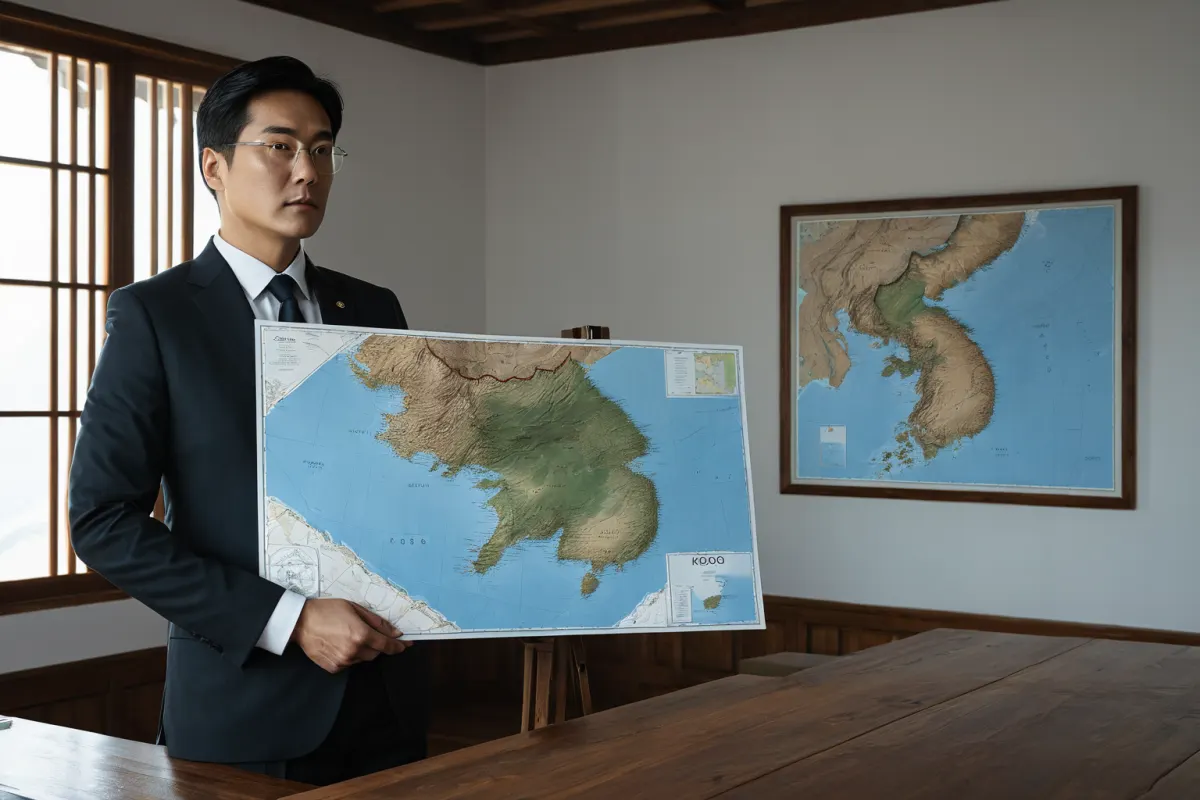
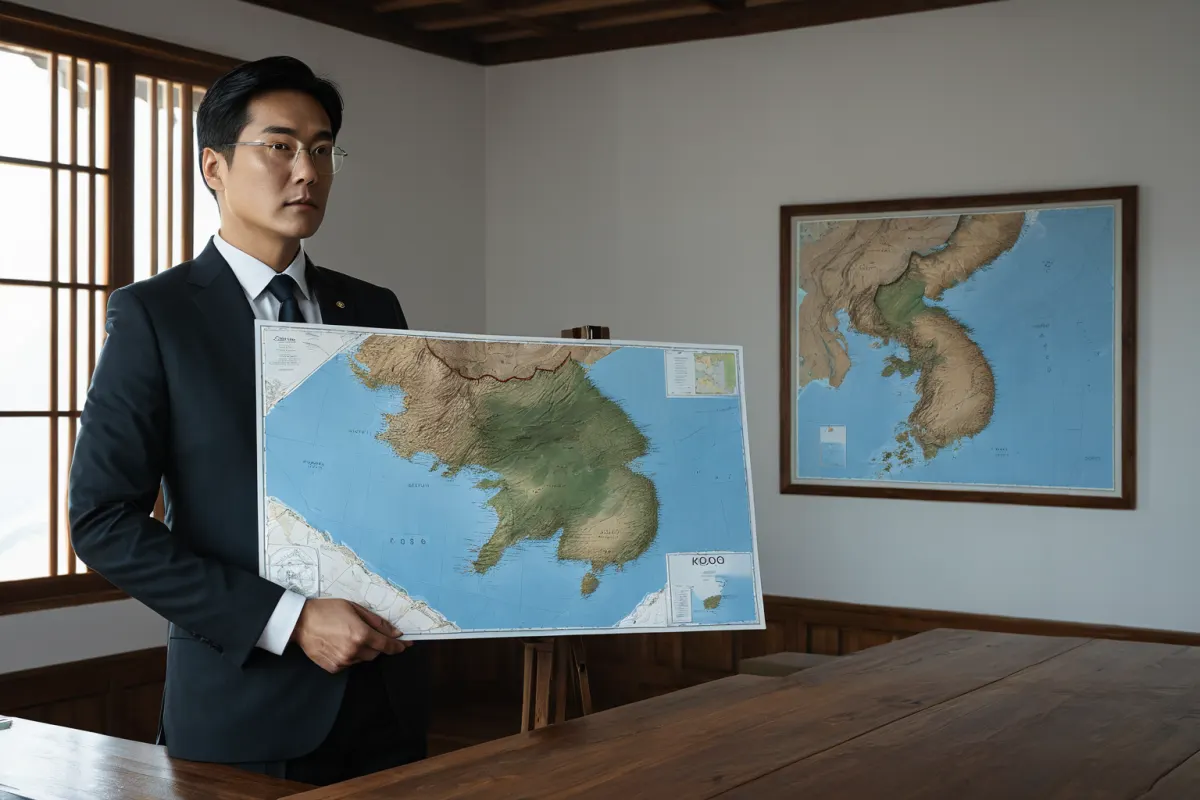
Japan's Defense White Paper and the Dokdo Claim
The Japanese government has maintained its claim that Dokdo is part of Japan in its 2026 defense white paper, continuing this stance for the 22nd consecutive year. This consistent assertion causes discomfort to the South Korean government and citizens.
Japan's defense white paper was published on August 4, 2026, explicitly labeling Dokdo as Japanese territory. This marks a continuous position since 1995. The South Korean government has strongly protested this claim and demanded its withdrawal.

Inconsistency in Japan's Dokdo Claim and Partnership Reference
While labeling Dokdo as Japanese territory, the defense white paper refers to South Korea as a 'partner' for the third consecutive year. This inconsistency reveals Japan's contradictory stance on the Korean Peninsula issue.
Japan continues to assert its claim over Dokdo while referring to South Korea as a partner, showing inconsistent diplomatic behavior that may undermine Japan's credibility in the international community.
Government's Strong Response
The South Korean government immediately and strongly protested Japan's claim regarding Dokdo in the defense white paper. This occurred on August 4, 2026, when the government summoned Japan's chief consul and defense attaché to demand a withdrawal.
Lee Cheol-woo, Governor of North Gyeongsang Province, strongly condemned the distortion of Dokdo and demanded an immediate withdrawal. This reflects a local government response consistent with the national government's position.
Historical Context of the Dokdo Sovereignty Issue
Dokdo is South Korea's inherent territory, having been claimed by Japan since 1954. However, international law and historical facts clearly establish South Korea's sovereignty over Dokdo.
Japan has consistently asserted its claim over Dokdo in documents like the 2026 defense white paper, which undermines South Korea's legitimacy internationally and has drawn strong opposition.
Dokdo Claim and Japan-South Korea Relations
Japan's Dokdo claim negatively impacts Japan-South Korea relations. Particularly, by persistently raising the Dokdo issue, Japan is weakening trust between the two nations.
The South Korean government firmly refutes Japan's claims based on international law and historical facts, continuing to criticize the Japanese government as part of efforts to improve bilateral relations.
Dokdo Issue in the International Community
Internationally, there is ongoing discussion about Dokdo's sovereignty, with opinions widely supporting that Japan's claim violates international law. The South Korean government actively promotes its position internationally to gain global support.
The Dokdo issue has evolved beyond a simple territorial dispute into a critical factor determining the future of Japan-South Korea relations. If Japan continues inconsistent stances on Dokdo, it may further diminish its credibility in the international community.
Government Response and Public Reaction
The South Korean government strongly protested Japan's defense white paper claim regarding Dokdo and demanded its withdrawal. It has also launched campaigns to inform citizens that Dokdo is an inherent territory of South Korea.
Citizens have shown strong opposition to Japan's claims, sharing related content on social media to support the government's response. This demonstrates heightened public interest in the Dokdo issue.
Reasons Behind Japan's Continued Dokdo Claim
Japan continues its Dokdo sovereignty claim for several reasons. First, it bases its claim on historical arguments, asserting Dokdo as part of Japan. Second, it uses the Dokdo issue as a strategic tool to improve Japan-South Korea relations.
However, these claims contradict international law and historical facts, damaging Japan's credibility. The South Korean government actively refutes these claims and criticizes Japan in the international community.
Solutions for Resolving the Dokdo Issue
To resolve the Dokdo issue, it is necessary to improve Japan-South Korea relations while following procedures based on international law. The South Korean government is working to gain international support for its position on Dokdo sovereignty and respond effectively to Japan's claims.
If Japan-South Korea relations improve, the Dokdo issue may be resolved naturally. However, if Japan continues to assert its claim over Dokdo, it could further deteriorate bilateral relations.
Verifying Dokdo as South Korea's Inherent Territory
To verify that Dokdo is South Korea's inherent territory, historical facts and international law should be considered. While Japan has claimed Dokdo since 1954, the South Korean government has consistently refuted this claim.
The document in Japan's 2026 defense white paper labeling Dokdo as Japanese territory was published on August 4, 2026, marking a continuous 22-year position that has drawn strong protests from both the South Korean government and citizens.
Frequently Asked Questions
Why does Japan label Dokdo as part of Japan in its defense white paper?
Japan claims Dokdo as part of Japan based on historical arguments, a position that has been maintained since 1954. However, international law and historical facts clearly establish South Korea's sovereignty over Dokdo.
How did the government respond to Japan's defense white paper claim?
The South Korean government summoned Japan's chief consul and defense attaché to demand a withdrawal. Additionally, Governor Lee Cheol-woo of North Gyeongsang Province condemned the distortion of Dokdo and demanded immediate withdrawal.
What impact does Japan's Dokdo claim have on Japan-South Korea relations?
Japan's Dokdo claim negatively affects Japan-South Korea relations. By persistently raising the Dokdo issue, Japan is weakening trust between the two countries.
Frequently Asked Questions
Japan's 2026 defense white paper claiming Dokdo as Japanese territory for the 22nd consecutive year has caused significant shock to South Korea. While persisting in its claim over Dokdo, Japan refers to South Korea as a 'partner,' revealing contradictory diplomatic behavior.
The South Korean government firmly refutes Japan's claims based on international law and historical facts, continuing efforts to protect Dokdo sovereignty. For improved Japan-South Korea relations, Japan must adopt consistent stances on the Dokdo issue.
Dokdo is South Korea's inherent territory, with clear sovereignty established by historical facts and international law. If Japan continues its claim over Dokdo, it could further complicate efforts to improve bilateral relations.
You can view similar articles on this topic in one place.
View Related ArticlesFAQ
Why does Japan label Dokdo as part of Japan in its defense white paper?
Japan claims Dokdo as part of Japan based on historical arguments, a position that has been maintained since 1954. However, international law and historical facts clearly establish South Korea's sovereignty over Dokdo.
How did the government respond to Japan's defense white paper claim?
The South Korean government summoned Japan's chief consul and defense attaché to demand a withdrawal. Additionally, Governor Lee Cheol-woo of North Gyeongsang Province condemned the distortion of Dokdo and demanded immediate withdrawal.
What impact does Japan's Dokdo claim have on Japan-South Korea relations?
Japan's Dokdo claim negatively affects Japan-South Korea relations. By persistently raising the Dokdo issue, Japan is weakening trust between the two countries.
Korean Source
This article is an English localization of a Korean-language report from BlogScore. Original: 일 방위백서에서 독도 주장을 어떻게 다뤘는지 확인해보기