
Iran's Strait of Hormuz Blockade Measures and Risk of International Isolation
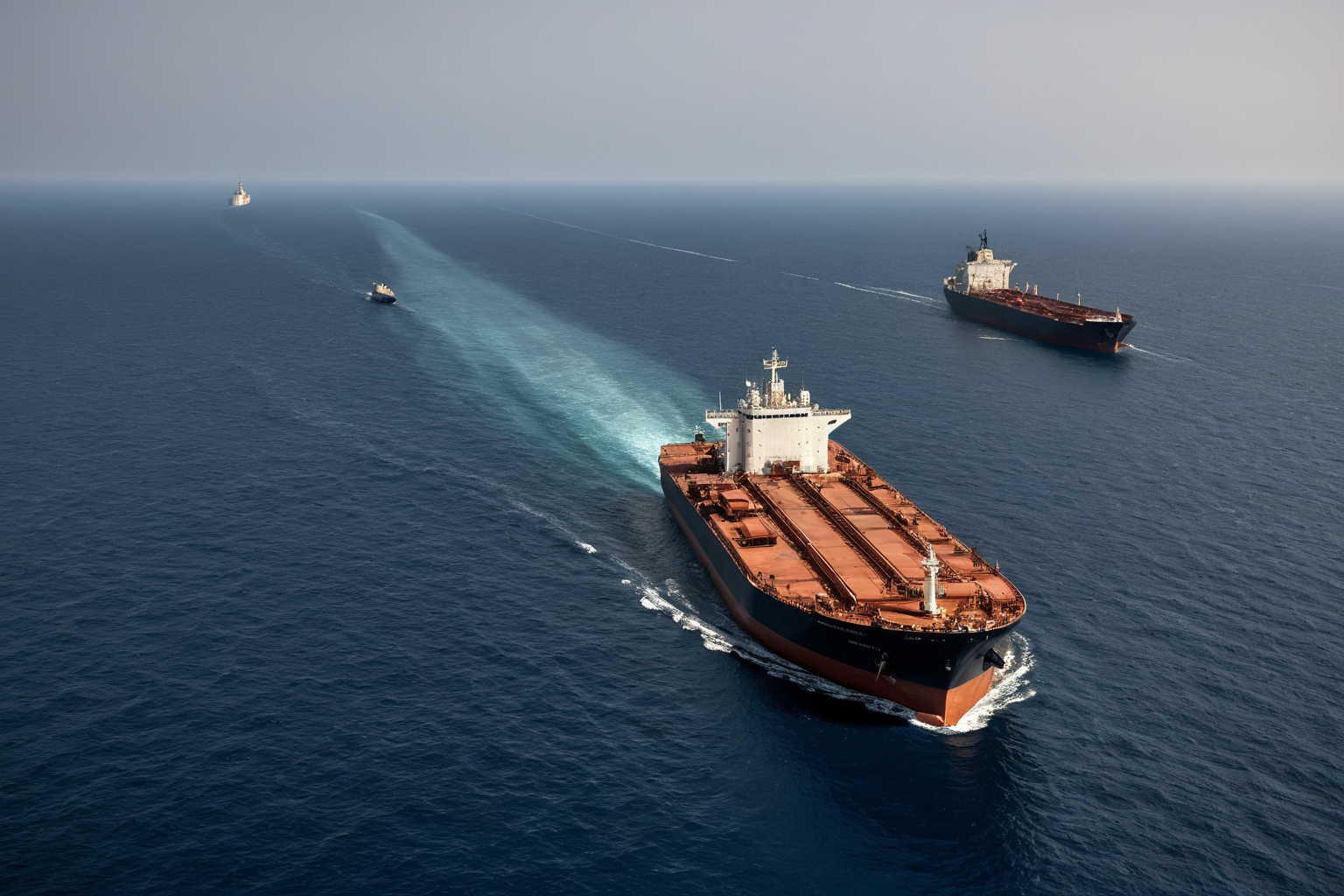
Strait of Hormuz Navigation Restrictions
Iran announced it will block navigation outside designated shipping lanes in the Strait of Hormuz, designating 46 vessels for potential seizure. This follows a stalemate in U.S.-Iran negotiations and has led to rising global oil prices.
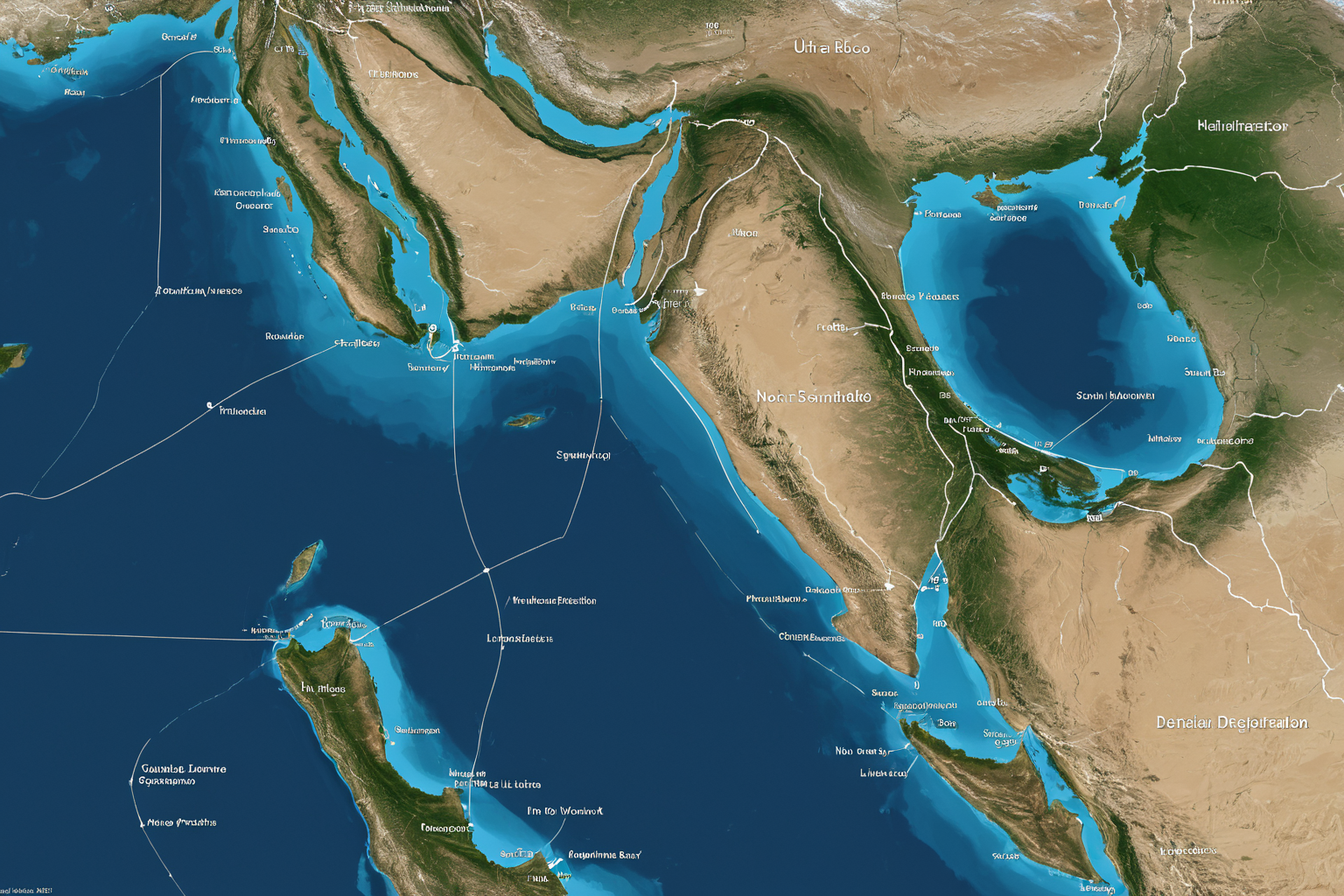
Rising Oil Prices and Strait Blockade Conditions
Navigational traffic through the Strait of Hormuz has sharply declined, with only about five vessels passing on weekends, creating a 'blockade situation.' The international oil price has risen by over 1%, driven by Iran's vessel blacklist, stalled U.S.-Iran talks, and reports of tanker attacks and upcoming U.S. sanctions against Iran.
WTI crude oil prices surpassed $87 between August 15-21, 2026, while Brent crude reached $93. Iran's restrictions on the Strait have disrupted global oil supply chains, with concerns that if the Red Sea is also blocked, up to 25% of global oil could be cut off.
U.S. Economic Isolation Measures and Trump Statements
President Trump stated that 'the Strait of Hormuz is U.S. territory,' signaling potential unprecedented economic isolation measures against Iran. The U.S. Treasury plans to announce stringent economic sanctions against Iran next week.
The United States has faced challenges securing control over the Strait of Hormuz, while Japan has called for opening the passage without additional tolls. Iran announced it will unilaterally block navigation outside designated lanes without negotiating with the U.S.
On August 31, 2026, the U.S. conducted an attack to clear mines in the Strait of Hormuz, likely as a response to deteriorating security conditions. The International Maritime Organization has launched a rescue operation for over ten thousand stranded seafarers since June 24, 2026.
Risk of Red Sea Blockade and Houthi Militia Cooperation
Iran hinted at potential cooperation with the Houthi militia to blockade the Red Sea as well, threatening to impose tolls. This raises concerns that if both the Strait of Hormuz and the Red Sea are blocked, 25% of global oil could be cut off.
On July 15, 2026, Iran suggested possible cooperation with Houthi forces to blockade the Red Sea and impose tolls. On July 22, reports indicated that a combined blockade of both waterways could disrupt 25% of global oil supply.
Iran's measures have intensified tensions amid stalled U.S.-Iran negotiations. The U.S. is strengthening economic sanctions while considering military actions to secure control over the Strait of Hormuz.
Rising Oil Prices and Market Reactions
Oil prices surged by 3% due to Iran's restrictions on the Strait, with shipping-related stocks also rising as markets reacted immediately to supply chain disruption concerns.
On August 7, 2026, oil prices rose 3%, triggering a strong performance in shipping stocks. With only about three vessels passing daily through the Strait—down from normal levels—the blockade has further intensified price volatility.
Stalemate in U.S.-Iran Negotiations and Deteriorating Security
As U.S.-Iran negotiations remain stalled, security conditions in the Strait of Hormuz have worsened. Iran announced it will unilaterally implement navigation restrictions without prior talks with the U.S., which is expected to significantly impact global oil prices and shipping markets.
A report on August 18, 2026, noted that deteriorating security conditions in the Strait were linked to the ongoing stalemate between Washington and Tehran.
International Maritime Organization Rescue Operation
The International Maritime Organization has launched a rescue operation for over ten thousand stranded seafarers since June 24, 2026. This effort is critical as many vessels have become isolated due to Iran's restrictions on the Strait.
The ongoing rescue mission demonstrates international efforts to respond to Iran's measures and mitigate their impact on global shipping operations.
Key Information
Iran's vessel blacklist and navigation restrictions are a result of stalled U.S.-Iran negotiations. Iran has announced it will implement these measures unilaterally without negotiation with the U.S. Rising oil prices correlate with reduced traffic through the Strait, and there is concern that if both the Strait of Hormuz and Red Sea are blocked, 25% of global oil could be cut off.
The U.S. is signaling increased economic isolation measures against Iran, with Treasury planning stringent sanctions next week. The International Maritime Organization continues its rescue operation for stranded seafarers in the Strait.
Frequently Asked Questions
How much have oil prices fluctuated due to Iran's Strait of Hormuz restrictions?
Rising oil prices are linked to reduced navigation through the Strait, with WTI crude surpassing $87 and Brent crude reaching $93. Prices rose by approximately 1% following reports of tanker attacks and U.S. sanctions against Iran.
How is the U.S. signaling economic isolation measures against Iran?
President Trump stated that 'the Strait of Hormuz is U.S. territory,' while the Treasury plans to announce stringent sanctions next week.
What operation is the International Maritime Organization conducting?
The organization has been rescuing over ten thousand stranded seafarers since June 24, 2026, in response to Iran's navigation restrictions.
Frequently Asked Questions
Iran's Strait of Hormuz navigation restrictions, stemming from stalled U.S.-Iran negotiations, have significantly impacted global oil prices and shipping markets. Iran has announced it will unilaterally block navigation outside designated lanes without prior talks with the U.S.
If both the Strait of Hormuz and Red Sea are blocked, 25% of global oil supply could be cut off, with Iran suggesting potential cooperation with Houthi forces to enforce tolls in the Red Sea. The U.S. is pursuing economic sanctions and military options to secure control over the Strait.
The International Maritime Organization continues its rescue operation for stranded seafarers since June 24, 2026, reflecting international efforts to address Iran's measures. Ongoing developments in U.S.-Iran negotiations and changes in Strait conditions will remain critical to monitor.
This article is based solely on the provided source material and may require further verification.
You can find more articles on similar topics in one place.
View Related ArticlesFAQ
How much have oil prices fluctuated due to Iran's Strait of Hormuz restrictions?
Rising oil prices are linked to reduced navigation through the Strait, with WTI crude surpassing $87 and Brent crude reaching $93. Prices rose by approximately 1% following reports of tanker attacks and U.S. sanctions against Iran.
How is the U.S. signaling economic isolation measures against Iran?
President Trump stated that 'the Strait of Hormuz is U.S. territory,' while the Treasury plans to announce stringent sanctions next week.
What operation is the International Maritime Organization conducting?
The organization has been rescuing over ten thousand stranded seafarers since June 24, 2026, in response to Iran's navigation restrictions.
Korean Source
This article is an English localization of a Korean-language report from BlogScore. Original: 호르무즈 해협 통항금지 조치, 이란의 국제적 고립 가능성