
Iran-Hormuz Strait Agreement: International Conflict Resolution and Impact
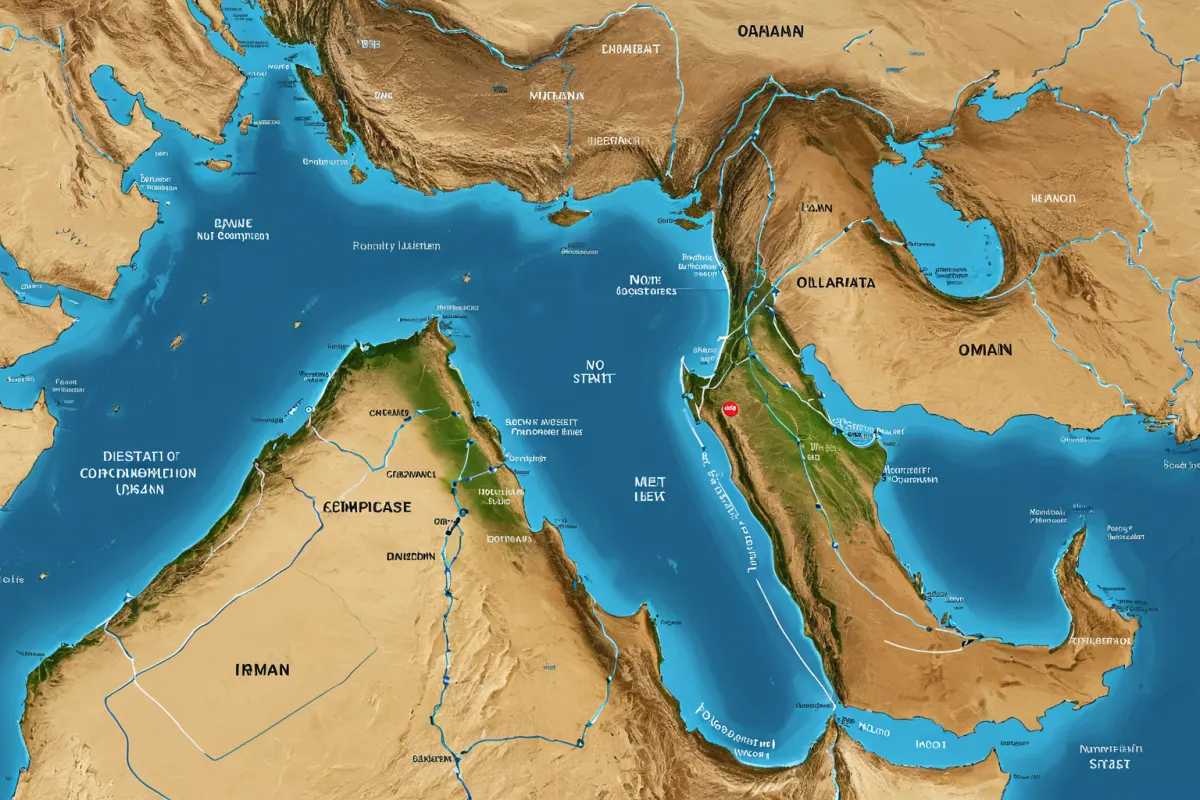
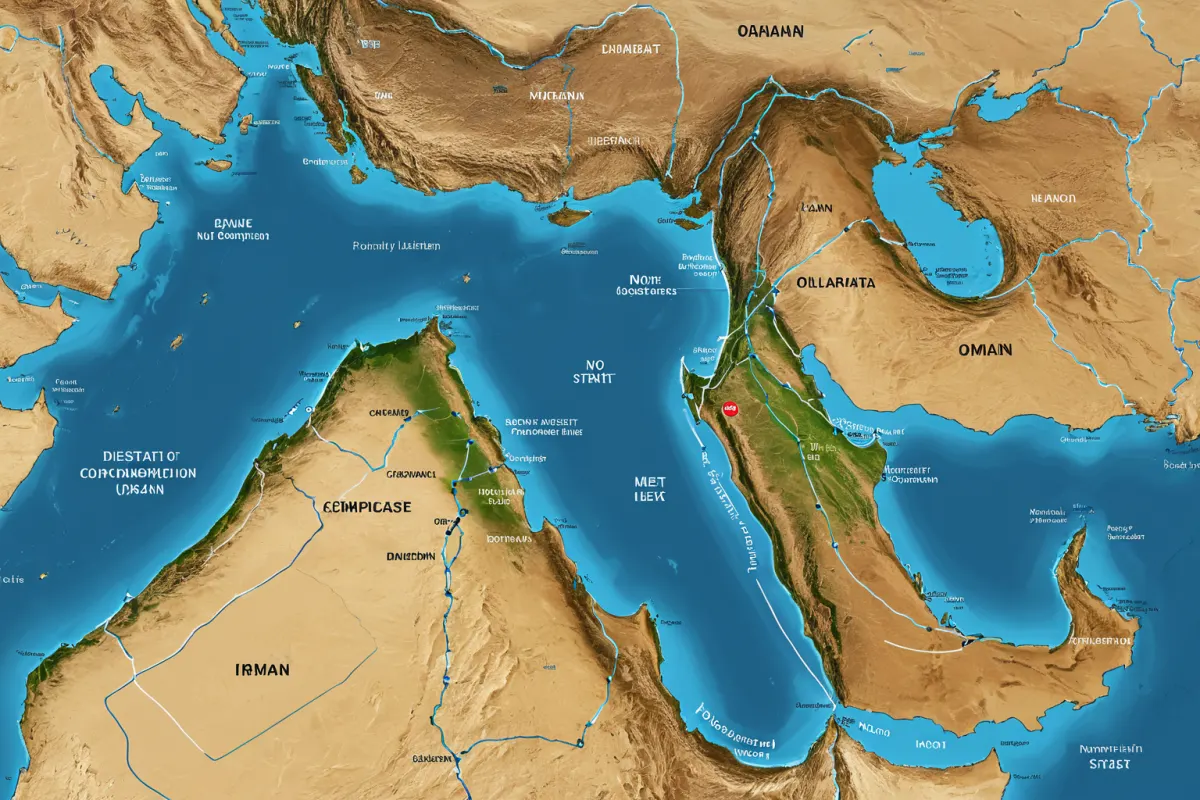
Hormuz Strait Reopening Negotiations Advance
Iran and Oman appear to be nearing a final agreement on reopening the Hormuz Strait. Iran has stated that the strait's reopening is contingent upon fulfilling U.S. MOU (Memorandum of Understanding) violation compensation conditions, while demanding U.S. troop withdrawal and sanctions relief.
U.S. 'Exit Strategy' vs. Iran's Hardline Stance
Iran's foreign ministry announced plans to proceed with reopening a new route without direct negotiations with the United States. Recent reports indicate Iran is refusing to reopen the strait until six conditions are met, maintaining a firm stance against the U.S. despite progress in talks with Oman.
Hormuz Strait Navigation Restrictions and Military Ship Measures
Iran has proposed reopening the Hormuz Strait as a condition for U.S. troop withdrawal and compensation payment, while advancing measures to restrict navigation of U.S. and Israeli vessels through the strait. Iranian diplomatic officials have emphasized that the United States has no authority to block passage through the strait.
On August 5, 2026, Iran announced it had reached the final stage of agreement with Oman. The following day, reports emerged about Iran's efforts to restrict U.S. and Israeli vessel navigation through the Hormuz Strait on August 6.
On August 7, President Trump stated that a 'Hormuz Strait reopening agreement could soon be reached.' However, Iran indicated that an agreement is imminent, demanding restoration of the 60-day promise before finalizing the deal.
Debate Over Conditions for Hormuz Strait Reopening
The agreement between Iran and the U.S. faces multiple points of contention. Iran has presented demands including U.S. troop withdrawal and war compensation, while the Trump administration is pursuing an 'Hormuz exit strategy.' Iran refuses to reopen the strait until six conditions are met, claiming that ending the war without a nuclear deal is possible.
On August 8, media reported that a Hormuz route agreement was imminent. The following day, on August 9, Iran warned it would close the strait if the U.S. fails to meet MOU violation compensation conditions.
Signs of Multipolar Security Order in the Middle East
Progress in Iran-Oman negotiations is revealing a trend toward multipolarity in regional security arrangements. Iran asserts the Hormuz Strait as 'its own sea,' reacting firmly to U.S. navigation restrictions.
Iran's foreign ministry stated it is advancing new route openings through talks with Oman, which signifies weakening U.S. influence in the region. Simultaneously, Iran is implementing measures to restrict navigation of U.S. and Israeli vessels, raising concerns about heightened regional tensions.
U.S. Response and Exit Strategy
The United States is exploring an 'exit strategy' to resolve the Hormuz Strait issue. Some reports indicate that U.S. forces are considering contingency plans for potential crisis situations arising from navigation restrictions through the strait.
On August 7, President Trump commented that a 'Hormuz Strait reopening agreement could soon be reached.' However, Iran maintains a firm stance, warning of strait closure if U.S. demands are not met.
Iran's Six Conditions and Negotiation Progress
Iran has presented six conditions for reopening the Hormuz Strait, including compensation for U.S. MOU violations, troop withdrawal, and sanctions relief. Iran announced that talks with Oman have reached their final stage but plans to proceed with opening a new route without direct negotiations with the United States.
On August 9, 2026, Iran's foreign ministry reiterated that it will refuse to reopen the strait until MOU violation compensation conditions are met. This reaffirms its position demanding U.S. troop withdrawal and sanctions relief.
Rising Tensions in the Middle East
Iran's measures to restrict navigation through the Hormuz Strait are heightening tensions across the Middle East. Iran is advancing steps to limit passage of U.S. and Israeli vessels, which could directly impact both countries.
As regional security structures evolve, Iran aims to weaken U.S. influence by opening new routes. However, the U.S. maintains that war can end without a nuclear deal, holding firm in negotiations with Iran.
Negotiation Progress and Future Outlook
Despite indications that an agreement on reopening the Hormuz Strait is imminent, significant differences between both sides could delay further progress. Iran insists it will only reopen the strait upon meeting MOU violation compensation conditions, while the U.S. argues that ending the war without a nuclear deal is possible.
As of August 9, 2026, Iran maintains a firm stance toward the U.S., demanding troop withdrawal and sanctions relief. This represents a key event that could accelerate changes in regional security structures.
Key Information to Verify
While progress in Iran-Oman negotiations has been confirmed, whether Iran's MOU violation compensation conditions have been met remains unconfirmed. Some of the six conditions presented by Iran lack specific details in reports, and further information is needed on U.S. troop withdrawal timelines and scope of sanctions relief.
As of August 9, 2026, Iran warns it will close the strait if the U.S. does not meet its demands. However, the U.S. maintains that a war can end without a nuclear deal, leaving significant differences in positions between both sides.
Frequently Asked Questions
What conditions is Iran demanding for reopening the Hormuz Strait?
Iran is demanding U.S. troop withdrawal, sanctions relief, and compensation for MOU violations.
How is the U.S. responding to resolve the Hormuz Strait issue?
The U.S. is exploring an 'exit strategy' while claiming that ending the war without a nuclear deal is possible.
What changes are expected in the Middle East due to the Hormuz Strait reopening negotiations?
A multipolar security order is expected, with weakening U.S. influence and Iran expanding its reach through new route openings.
You can view similar articles on this topic in one place.
View Related ArticlesFAQ
What conditions is Iran demanding for reopening the Hormuz Strait?
Iran is demanding U.S. troop withdrawal, sanctions relief, and compensation for MOU violations.
How is the U.S. responding to resolve the Hormuz Strait issue?
The U.S. is exploring an 'exit strategy' while claiming that ending the war without a nuclear deal is possible.
What changes are expected in the Middle East due to the Hormuz Strait reopening negotiations?
A multipolar security order is expected, with weakening U.S. influence and Iran expanding its reach through new route openings.
Korean Source
This article is an English localization of a Korean-language report from BlogScore. Original: 이란 호르무즈 항로 합의: 국제 분쟁 해결 방안과 영향