
Iran's Ban on Strait of Hormuz Passage: Implications for International Relations
Background of Iran's Strait of Hormuz Passage Ban
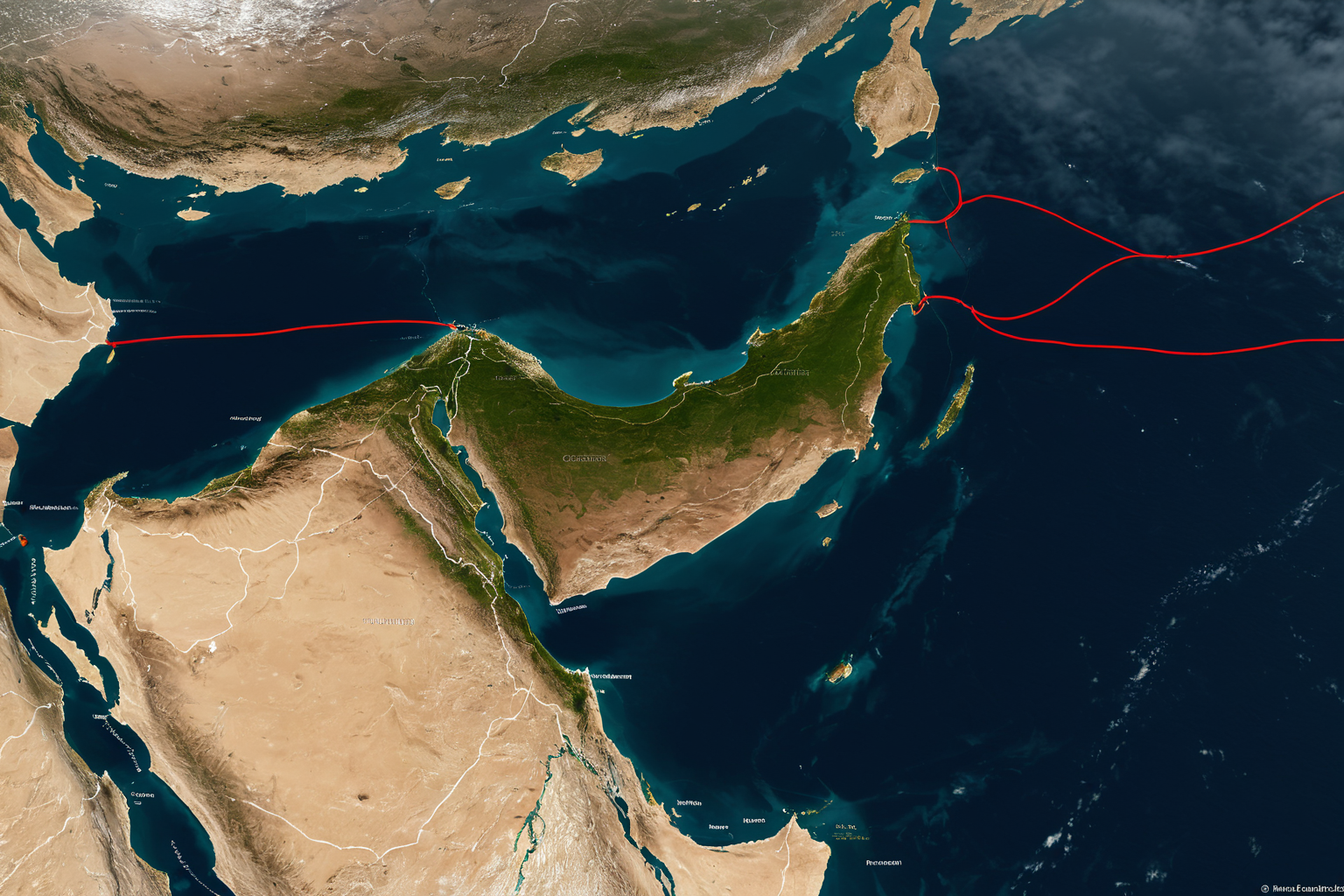
Iran has announced a ban on U.S. and Israeli vessels passing through the Strait of Hormuz, which is expected to impact global oil prices, regional stability, and energy supply chains. Peru has declared diplomatic separation with Iran, warning of escalating Middle East conflicts, while international oil prices surged 10% following reports of a potential U.S. maritime blockade.
Key Details of the Strait of Hormuz Passage Ban
Iran has prohibited passage for U.S. and Israeli vessels through the Strait of Hormuz, intensifying economic sanctions. This move is framed as retaliation against the U.S. and Israel, with Iran justifying tolls as 'service fees' for managing energy supply routes. The strategy also includes efforts to control energy arteries extending to the Red Sea, aiming to increase influence over regional energy networks.
Iran's Stance and International Reactions
Iran refers to passage tolls as 'service fees,' presenting them as a means to cover costs of managing energy supply chains. However, international oil prices rose 10% due to fears of a U.S. maritime blockade but later dropped 5.6% after Chinese tankers passed through the Strait. Peru declared diplomatic separation with Iran, citing its role in escalating Middle East conflicts and obstructing Strait passage.
Economic Impact of the Strait of Hormuz Passage Ban
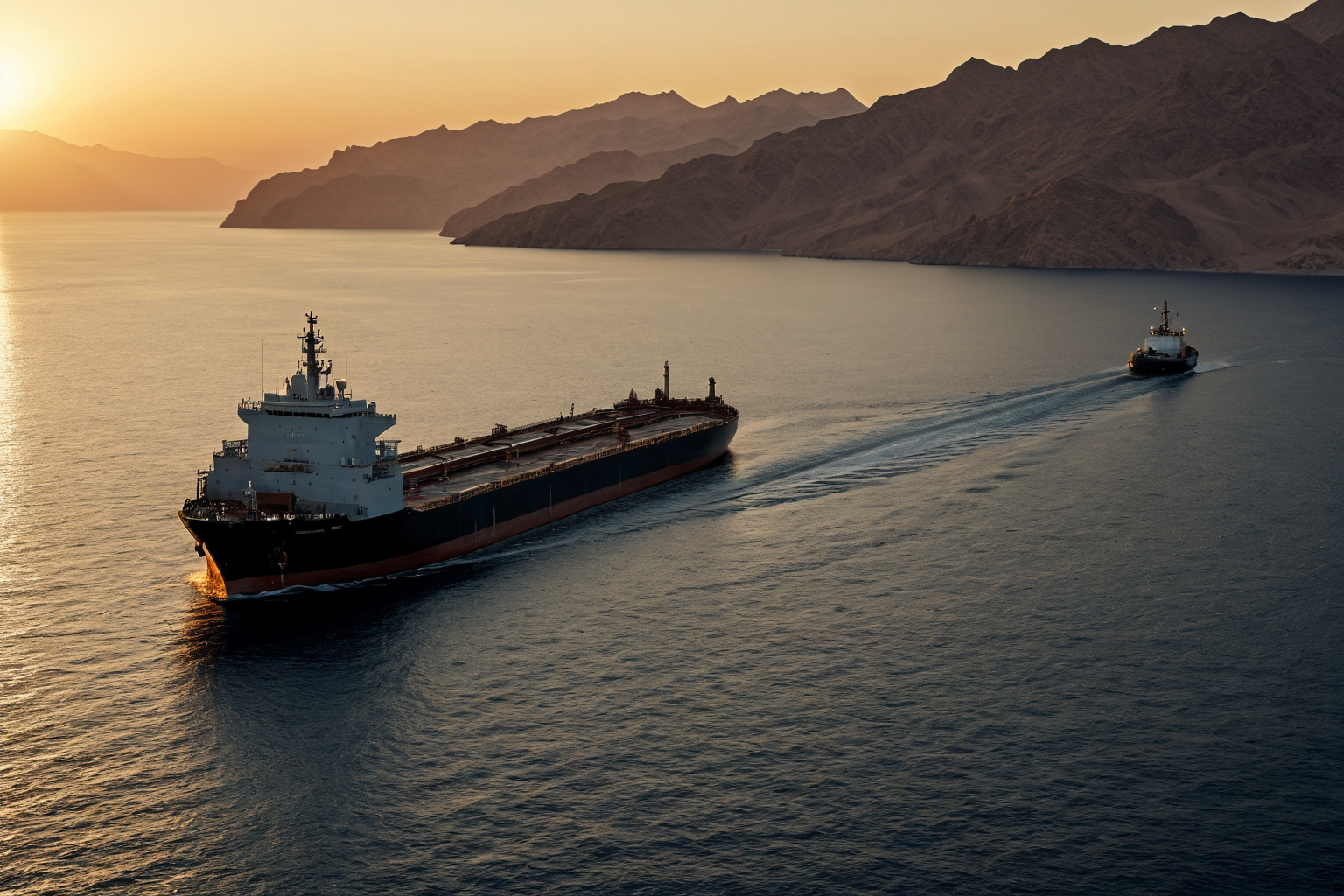
International oil prices experienced significant fluctuations following Iran's measures. Prices surged 10% within a day due to reports of a potential U.S. maritime blockade but fell 5.6% after Chinese tankers passed through, indicating market volatility. Shipping costs also spiked, contributing to higher logistics expenses, while the Dow Jones index and SK Hynix ADRs declined. Iran appears to be using this move as leverage in negotiations with the Trump administration.
Imminent Peace Deal and Internal Opposition
Within Iran, hardliners have opposed reports of an imminent peace deal, highlighting internal divisions and complicating international negotiations. However, the drop in oil prices following Chinese tanker passage suggests a potential easing of tensions. Iran has also indicated possible negotiations for Japanese vessels to pass through, with reports suggesting that energy prices are beginning to stabilize as Middle East tensions ease.
Iran's Strategy to Expand Control Over Energy Arteries
Iran aims to extend its control over energy supply routes beyond the Strait of Hormuz to include the Red Sea, seeking greater influence over regional energy networks. However, intensified sanctions against the U.S. and Israel have drawn international criticism, potentially deepening Iran's economic isolation.
Chinese Tankers' Passage and Oil Price Fluctuations
The 5.6% drop in oil prices after Chinese tankers passed through the Strait is interpreted as a signal of reduced tension due to Iran's measures. This reflects China's growing influence over Middle East energy supply chains. Concerns remain about potential U.S.-Iran military escalation and the possibility of renewed blockade of the Strait.
Strategy Toward the Trump Administration
Iran appears to have implemented this measure as a strategic move to seek concessions from the Trump administration, potentially aiming to ease tensions following heightened U.S.-Iran military confrontation. However, internal hardline opposition within Iran continues to complicate negotiations.
Changes in International Markets and Economic Indicators
Iran's Strait of Hormuz passage ban led to a decline in the New York Stock Exchange, with the Dow Jones index falling 0.85-0.9%. SK Hynix ADRs plummeted by 5%, while shipping costs surged, increasing logistics expenses. These shifts reflect growing economic uncertainty stemming from disruptions in energy supply chains.
Key Information to Verify
To assess the implications of Iran's Strait of Hormuz passage ban on international relations, several factors must be considered. First, ongoing negotiations between Iran and the U.S. are crucial. The drop in oil prices following Chinese tanker passage signals potential easing of tensions, but internal hardline opposition in Iran may still hinder progress. Additionally, diplomatic severance by countries like Peru could exacerbate Middle East conflicts, warranting close attention.
Frequently Asked Questions
How will Iran's Strait of Hormuz passage ban affect global oil prices?
Iran's measures caused a 10% surge in international oil prices due to fears of a U.S. maritime blockade, but prices later fell 5.6% after Chinese tankers passed through the Strait.
Why have hardliners within Iran opposed an imminent peace deal?
Iranian hardliners oppose the potential peace deal as they view it as compromising national interests or requiring concessions to the U.S., which they resist.
What does the drop in oil prices after Chinese tankers' passage signify?
The decline in oil prices following Chinese tanker passage is seen as a signal of reduced tension, indicating potential normalization of energy supply chains.
Frequently Asked Questions
Iran's ban on Strait of Hormuz passage is expected to significantly impact regional stability and global energy markets. Iran justifies tolls as 'service fees' while attempting to control energy routes extending to the Red Sea. However, the drop in oil prices after Chinese tankers passed through and Peru's diplomatic severance suggest potential easing of tensions, though internal hardline opposition continues to complicate negotiations. The outcome will likely depend on ongoing international diplomacy, with U.S. and Chinese mediation efforts playing a key role.
You can explore more articles on similar topics in one place.
View Related ArticlesFAQ
How will Iran's Strait of Hormuz passage ban affect global oil prices?
Iran's measures caused a 10% surge in international oil prices due to fears of a U.S. maritime blockade, but prices later fell 5.6% after Chinese tankers passed through the Strait.
Why have hardliners within Iran opposed an imminent peace deal?
Iranian hardliners oppose the potential peace deal as they view it as compromising national interests or requiring concessions to the U.S., which they resist.
What does the drop in oil prices after Chinese tankers' passage signify?
The decline in oil prices following Chinese tanker passage is seen as a signal of reduced tension, indicating potential normalization of energy supply chains.
Korean Source
This article is an English localization of a Korean-language report from BlogScore. Original: 이란 호르무즈 해협 통항 금지 조치, 국제 관계에 미칠 영향은?