
Indonesia's Volcanic Eruptions: Impact on Local Life and Economy
Major Cases of Indonesian Volcanic Eruptions
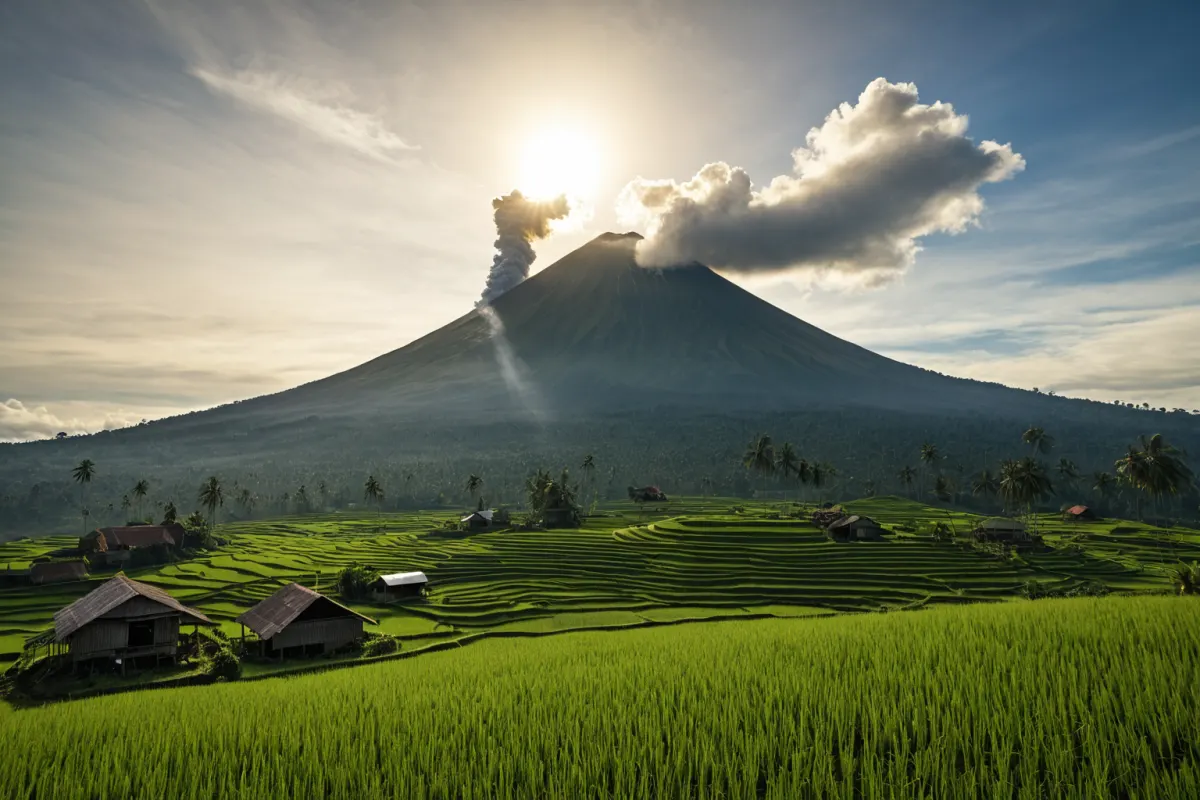
Indonesia is one of the world's most volcanically active countries, with approximately 130 volcanoes, about 70 of which are classified as active. Recent eruptions of Semeru and Merapi volcanoes have significantly impacted local safety and the economy. In 2021, a Semeru eruption sent hot clouds up to 4km, while in 2023, a Merapi eruption buried nearby villages under volcanic ash, necessitating evacuations. On December 4, 2023, a Merapi eruption resulted in the deaths of 11 hikers and 12 missing persons. Additionally, flight cancellations and setbacks to the tourism industry occurred, with long-term effects including reduced agricultural productivity.
Human Casualties and Large-Scale Evacuations
The December 6, 2021 eruption of Mount Semeru on Java Island is recorded as one of Indonesia's deadliest volcanic eruptions. The volcano released hot clouds up to 4km, severely affecting surrounding areas. Indonesian geologists detected increased seismic activity the day before the eruption but could not predict it accurately. As a result, emergency evacuations and rescue operations were launched, with over 10,000 residents seeking temporary shelter.
The March 12, 2023 Merapi eruption covered nearby villages in volcanic ash, necessitating evacuations that disrupted daily life for many residents. Merapi is one of Indonesia's most active volcanoes; it also erupted on a large scale in 2018, requiring evacuations then as well. The government initiated emergency rescue operations, with international teams providing assistance.
The December 4, 2023 Merapi eruption resulted in the deaths of 11 hikers and 12 missing persons. This incident occurred at one of Indonesia's major tourist destinations, significantly impacting the tourism industry. Many hikers were caught off guard by the unexpected eruption, prompting urgent rescue efforts. Merapi also erupted on a large scale in 2018, with similar incidents involving hiker fatalities.
Tourism Industry Impact and Economic Effects
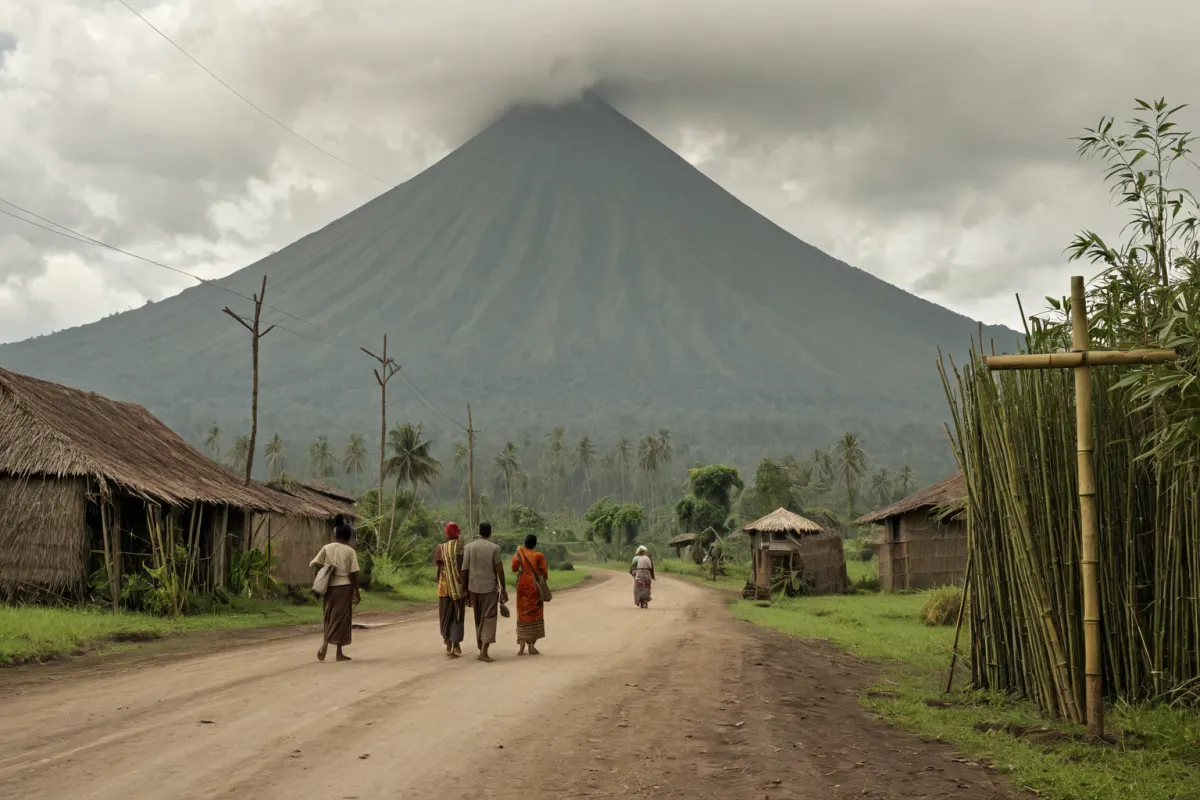
Airline cancellations due to volcanic eruptions led to decreased tourism revenue. In July 2025, dozens of flights to Bali were canceled following a volcanic eruption in Indonesia, significantly affecting the local economy. Bali is a major tourist destination, leading to a substantial downturn in the tourism sector. In 2023, after the Merapi eruption, tourist numbers dropped by 40%, severely impacting the regional economy.
Volcanic eruptions have negatively affected not only flight cancellations but also tourism revenue and the local economy. Many tourists were unable to visit, causing hotels and restaurants to face reduced sales. After the 2023 Merapi eruption, the local economy recorded losses of approximately $100 million, reflecting the significant role tourism plays in the regional economy.
Long-Term Effects: Reduced Agricultural Productivity
Concerns have been raised about potential decreases in agricultural productivity due to volcanic ash and emissions released into the atmosphere. Since 2023, agricultural areas in Indonesia have been contaminated with volcanic ash and dust, which could negatively impact crop production long-term. Particularly, key agricultural regions on Java and Bali Islands have seen farming activities restricted due to accumulated volcanic ash from eruptions.
Climate change concerns following volcanic eruptions are also being monitored. This could affect global climate patterns, drawing attention from the international community beyond local economic impacts. After the 2018 Parang volcano eruption, Indonesia's agricultural output decreased by approximately 5%, potentially leading to long-term food security issues.
Volcanic Activity Prediction and Response Measures
Predicting volcanic activity remains challenging. Indonesian geologists use various sensors and technologies to detect pre-eruption signs but cannot yet predict eruptions accurately. Even before the 2023 Merapi eruption, increased seismic activity was detected, though the scale and timing of the eruption could not be precisely predicted. This reflects the complexity of volcanic activity and limitations in current prediction technology.
Residents are preparing for permanent relocation, while communities are strengthening disaster response systems. The government and international organizations are working to improve monitoring systems and evacuation plans. After the 2023 Merapi eruption, Indonesia's government redesigned evacuation routes and reinforced emergency response systems. International organizations like the UN and WHO are supporting programs to enhance disaster response in collaboration with Indonesia.
Verified Information: Unconfirmed Reports
A report claiming that a massive eruption of Mount Ruang triggered tsunami alerts and thousands were evacuated has not been confirmed. Related information remains unverified, requiring further investigation. While the Indonesian government has strengthened monitoring of Mount Ruang since 2023, no major eruptions have been reported to date.
Reports suggesting that volcanic eruptions increased tourism revenue are also unconfirmed. Lack of accurate statistics or data makes verification difficult. The Indonesian Tourism Board officially announced a decrease in tourism revenue after 2023, indicating these reports are not supported by official data.
Frequently Asked Questions
What criteria determine evacuations due to volcanic eruptions?
The Indonesian government issues evacuation orders based on the intensity of volcanic activity and resident safety. Key factors include ash concentration, frequency of earthquakes, and eruption prediction data.
Why does agricultural productivity decrease after a volcanic eruption?
Volcanic eruptions release substances into the atmosphere that contaminate soil and water, negatively affecting crop growth. Additionally, accumulated volcanic ash on farmland restricts agricultural activities.
What measures is the Indonesian government taking to respond to volcanic eruptions?
The government is strengthening monitoring systems, improving evacuation plans, and collaborating internationally. They are also conducting disaster preparedness education in collaboration with local communities.
You can view similar articles on this topic all at once.
View Related ArticlesFAQ
What criteria determine evacuations due to volcanic eruptions?
The Indonesian government issues evacuation orders based on the intensity of volcanic activity and resident safety. Key factors include ash concentration, frequency of earthquakes, and eruption prediction data.
Why does agricultural productivity decrease after a volcanic eruption?
Volcanic eruptions release substances into the atmosphere that contaminate soil and water, negatively affecting crop growth. Additionally, accumulated volcanic ash on farmland restricts agricultural activities.
What measures is the Indonesian government taking to respond to volcanic eruptions?
The government is strengthening monitoring systems, improving evacuation plans, and collaborating internationally. They are also conducting disaster preparedness education in collaboration with local communities.
Korean Source
This article is an English localization of a Korean-language report from BlogScore. Original: 인도네시아 화산 분화 주요 사례: 지역 주민의 생활과 경제에 미친 영향