
Indonesia Volcanic Eruption: Understanding the Scale of Damage and Evacuation Situations
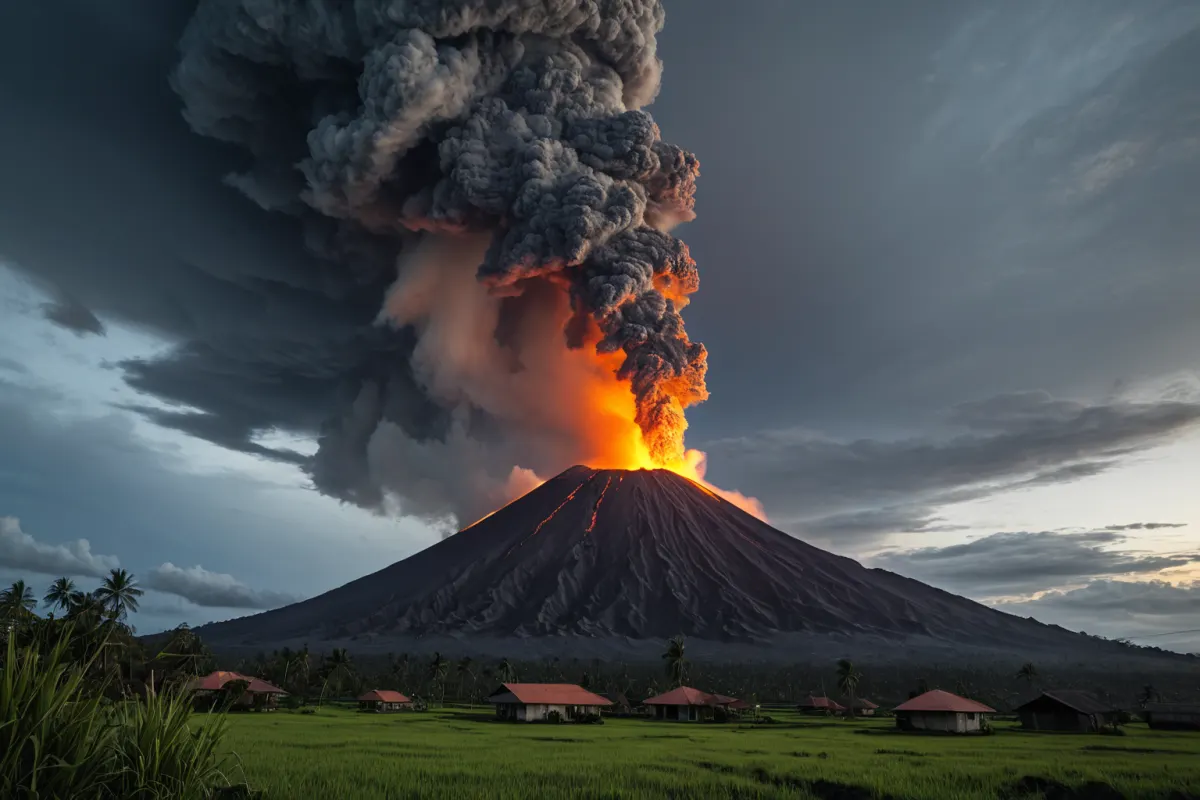
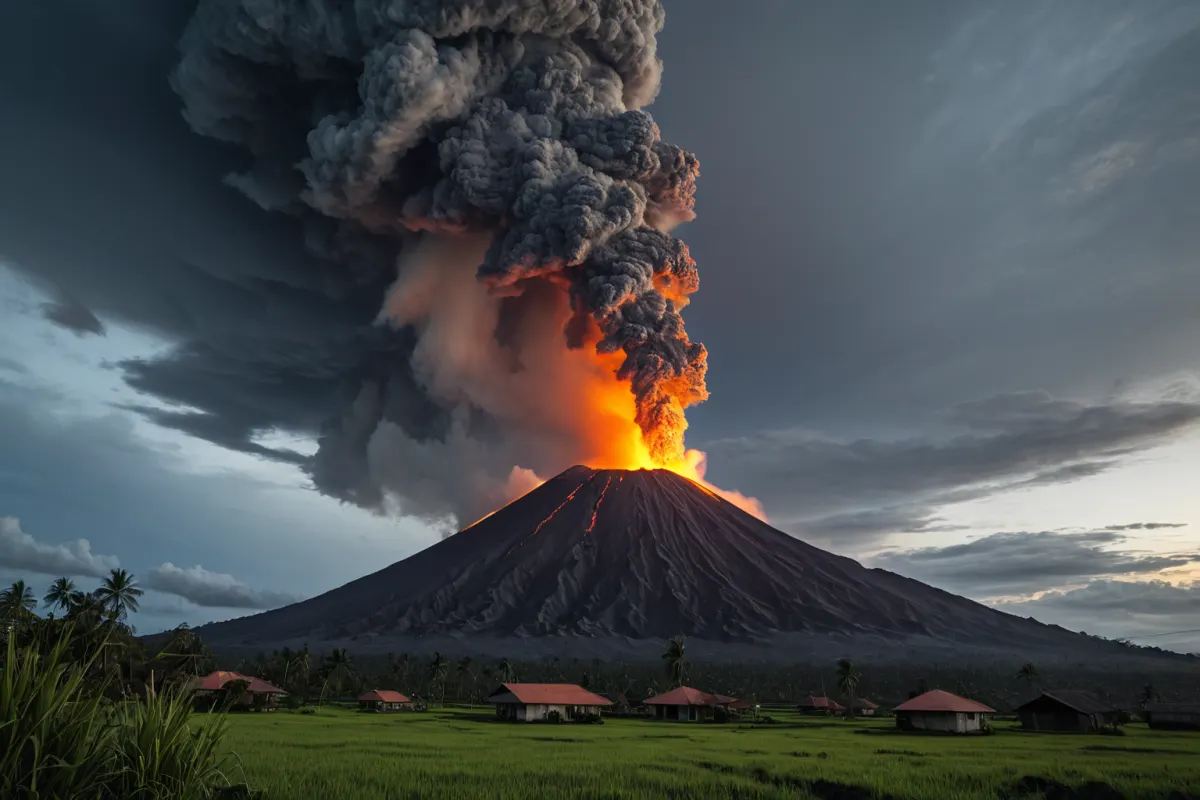
The most immediate impact of an Indonesian volcanic eruption is felt in residential areas, farmlands, and roads—key parts of daily life. Depending on the intensity of the eruption and wind direction, volcanic ash can spread widely, leading to rapid increases in evacuation numbers as displaced people move to temporary shelters.
When volcanic activity intensifies, it's more important to understand which areas are affected and whether evacuations are proceeding smoothly than simply knowing that an eruption occurred. Volcanic eruptions aren't isolated events; they can lead to ashfall, landslides, and respiratory issues over time.
Where Damage from Indonesia's Volcanic Eruption Is Most Concentrated
Volcanic damage typically starts near the crater but affects daily life far more broadly. The first areas impacted are often village access roads, schools, farmlands, and water facilities.
When ash accumulates, vehicle movement becomes difficult, and roofs bear additional weight, increasing the risk of structural collapse in weaker buildings. If rain mixes with ash, it can harden into mud that clogs drainage systems.
For example, even if ash piles up right next to a home without causing immediate collapse, delayed cleanup over several days can disrupt electrical systems and water supply. Therefore, damage is better measured not just by area affected but by how long daily life has been disrupted.
You can find more articles on similar topics in one place.
View Related ArticlesWhy Evacuation Numbers Increase Rapidly
Evacuations rise not just because of the eruption itself but due to falling ash, gas emissions, and the risk of further eruptions. Residents within safety zones often evacuate immediately based on local assessments.
Indonesia has many volcanoes, so residents are somewhat accustomed to evacuating, though children, elderly people, and those with respiratory conditions face greater challenges staying exposed to ash for long periods. This leads to rapid increases in evacuation numbers as entire households relocate.
If temporary shelters become overcrowded, basic needs like food, hygiene, and medical care must also be addressed. If people stay more than a day, essentials such as blankets, masks, water, and baby formula can quickly run low.
Many evacuees move to relatives' homes, schools, or places of worship, which means some smaller-scale dispersed evacuations may not be counted in official statistics. Relying solely on reported numbers could lead to inaccurate assessments of the true scale of displacement.
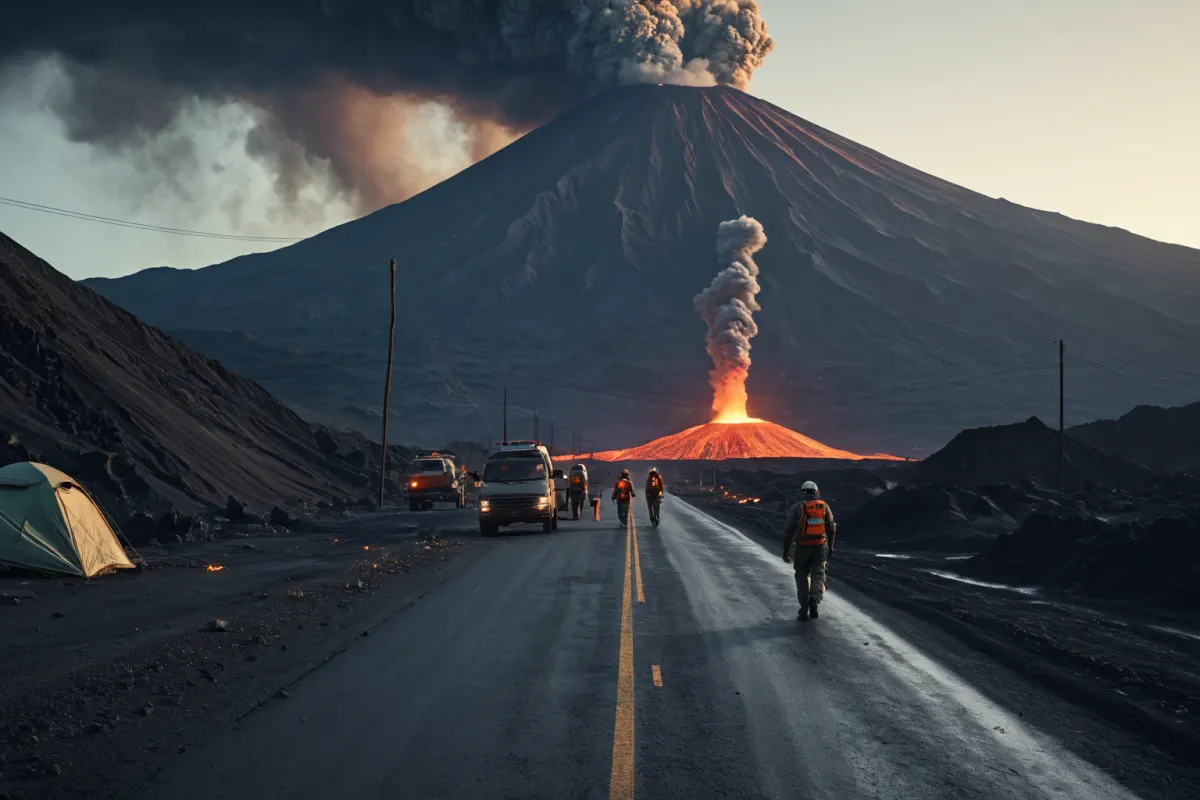
The Secondary Impacts of Ash and Gas
One often overlooked aspect of volcanic damage is secondary impacts. Volcanic ash may look like dust, but it irritates eyes and lungs, and prolonged accumulation can kill crops.
If gases mix with ash—such as sulfur dioxide—they become even more hazardous. Even wearing masks won't fully prevent discomfort, limiting outdoor activities. Children and the elderly are especially vulnerable.
In reality, volcanic ash often causes longer-lasting disruptions than direct rockfall from eruptions. Everyday items like car filters, laundry, drinking water containers, and solar panels can be affected, making recovery more time-consuming.
Key Factors to Consider When Assessing Damage
When reading about Indonesian volcanic eruptions, consider these points alongside reported numbers. Relying on a single figure can lead to underestimating or overestimating the situation.
- The geographic range of evacuation orders
- The number of displaced people and current capacity of temporary shelters
- The distance and direction of ashfall
- Whether critical infrastructure like roads, airports, or schools is disrupted
- Any reported cases of respiratory illnesses or injuries
For example, even if the number of evacuees seems low, airport closures or tourism restrictions can significantly impact local economies. Conversely, a large evacuation may result in fewer casualties if preparations were thorough.
Common Evacuation Methods Seen on Site
In regions with frequent eruptions, evacuations happen quickly. Once alarms sound, residents move to pre-designated shelters, and livestock are often separated into specific areas.
For instance, when ash begins to settle lightly around homes, people close doors and limit outdoor activity. When driving is necessary, they carefully brush off ash before moving slowly. Emergency kits should include masks, water, first-aid supplies, and copies of identification documents for practical preparedness.
An important point is that evacuations may not be short-term. If eruptions continue, return times can be delayed, extending stays in shelters from days to longer periods.
Why Indonesia's Volcanic Eruptions Often Draw Attention
Indonesia lies along the Pacific Ring of Fire, making it a region with frequent volcanic activity. Over time, communities have adapted to living alongside volcanoes, though this familiarity doesn't guarantee safety.
Different eruption patterns can change the affected area, and factors like rainfall or terrain can increase risks such as landslides. Therefore, even in areas that experience regular eruptions, it's important to reassess evacuation scales with each event.
If an eruption occurs in a popular tourist destination, visitor movement is also restricted. This complicates response efforts when both local residents and tourists are affected.
Additional Information to Check When Researching
When following news about Indonesian volcanic eruptions, check the timing of the eruption, alert level, evacuation radius, and impact on flights. These four factors help gauge the scale of damage more accurately.
Evacuation situations change daily, so it's better to monitor new updates rather than rely solely on repeated articles. Numbers are often revised as conditions evolve, especially during urgent situations.
Alert levels and evacuation statuses can vary depending on when information is released, so always refer to the latest official announcements from relevant authorities.
FAQ
Q1. How far does damage typically spread in an Indonesian volcanic eruption?
The area closest to the crater is most at risk, but ash can travel farther with wind direction. In some cases, surrounding villages, roads, and farmlands are affected.
Q2. Why do evacuation numbers rise quickly after an eruption?
Evacuations increase before direct damage due to falling ash, gas emissions, and the risk of further eruptions. The presence of children or elderly people can cause evacuation numbers to grow more rapidly.
Q3. Is even a small amount of ash dangerous?
Even light ashfall can affect eyes, lungs, electrical systems, and car filters. If mixed with rain, it may create slippery surfaces and drainage issues, requiring caution.
Continue exploring similar topics.
View Category ArticlesFAQ
How far does damage typically spread in an Indonesian volcanic eruption?
The area closest to the crater is most at risk, but ash can travel farther with wind direction. In some cases, surrounding villages, roads, and farmlands are affected.
Why do evacuation numbers rise quickly after an eruption?
Evacuations increase before direct damage due to falling ash, gas emissions, and the risk of further eruptions. The presence of children or elderly people can cause evacuation numbers to grow more rapidly.
Is even a small amount of ash dangerous?
Even light ashfall can affect eyes, lungs, electrical systems, and car filters. If mixed with rain, it may create slippery surfaces and drainage issues, requiring caution.
Korean Source
This article is an English localization of a Korean-language report from BlogScore. Original: 인도네시아화산분화 피해 규모와 이재민 상황 정리