
Indonesia's Flores Island Earthquake: Safety Tips and Key Information

Indonesia's Flores Island Earthquake Situation
A magnitude 7.7 earthquake struck off the coast of Indonesia's Flores Island, with at least 20 confirmed deaths reported. The quake occurred in the "Ring of Fire" region, triggering tsunami warnings that prompted immediate evacuations.
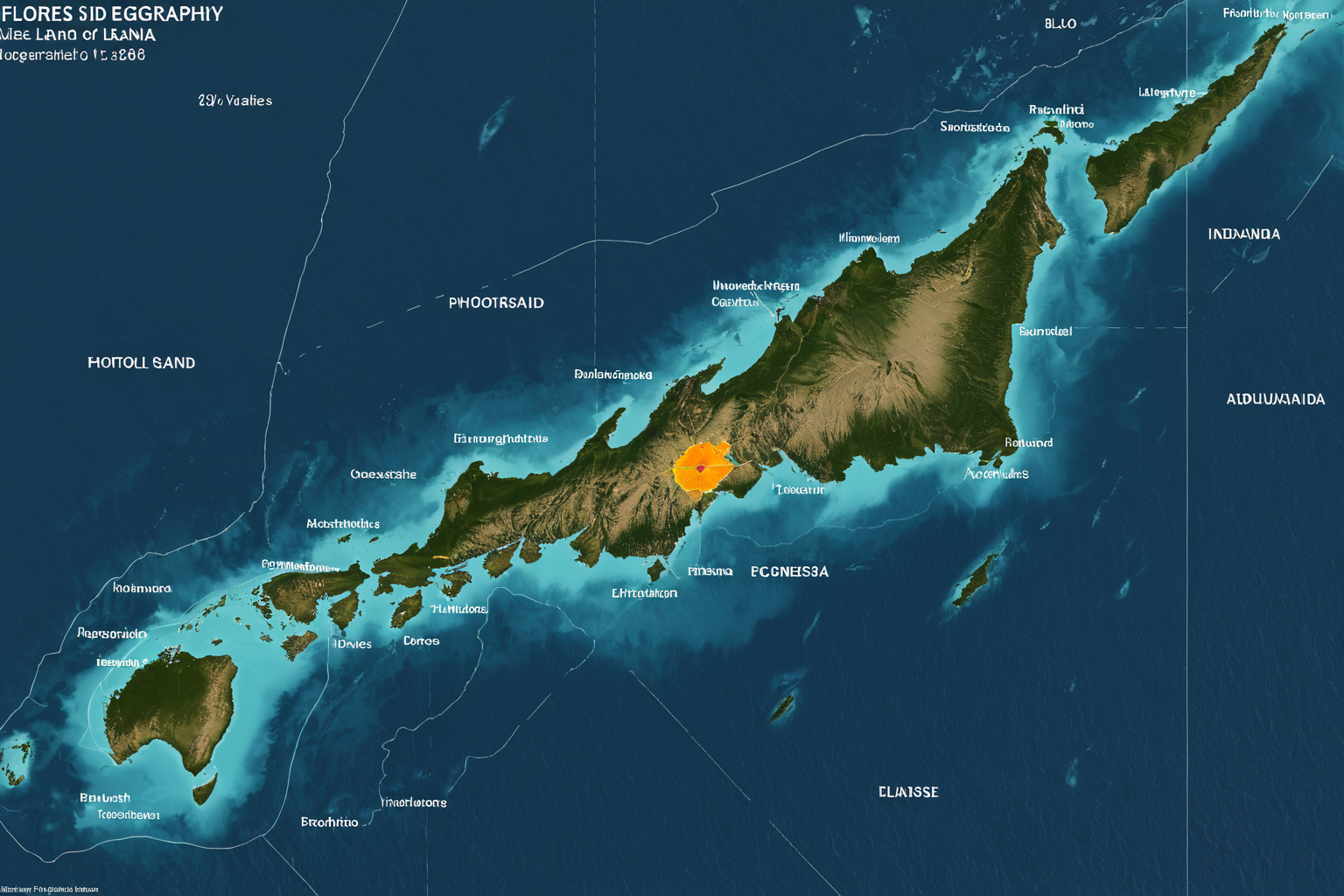
Epicenter and Impact Scale
The earthquake was reported to have struck off Flores Island's coast around 7:00 AM on August 15, 2026. Tsunami warnings were issued, prompting immediate evacuations.
Death toll reports vary between 20 and 54 people, with some reports indicating 38 fatalities and approximately 13,000 displaced persons. Evacuation numbers are estimated between 2,000 to 5,000 people.
A South Korean national was confirmed dead after being found in the earthquake's aftermath. The South Korean government is coordinating with local authorities for a swift response.
Earthquake Causes
Indonesia lies within the "Ring of Fire" region, making it prone to earthquakes due to structural instability between the Pacific and Indian Oceans. This powerful quake is one of several magnitude 7.0+ quakes recorded this year, with six occurring in just two months.
In August 2023, a magnitude 7.1 earthquake struck near Bali, and in April 2024, a magnitude 6.1 quake hit southern Java. These events affected tourist areas and urban centers, highlighting Indonesia's seismic risks.
Indonesia's earthquakes typically result from tectonic plate movements along marine boundaries, with Flores Island being particularly geologically unstable—a key factor behind recent concentrated quakes of magnitude 7.0+.
Regional Impact and Response
Residents of Flores Island began evacuating immediately after tsunami warnings were issued, with reports of building collapses and fires in some areas. Authorities have dispatched rescue teams to the site for search operations.
The Indonesian government has strengthened earthquake alerts in the "Ring of Fire" region and provided evacuation guidance to residents. This reflects ongoing management needs following multiple recent quakes.
International rescue teams have arrived on-site to support recovery efforts. South Korea's government is taking swift action regarding its citizens, with one confirmed fatality among Korean nationals emphasizing the need for international cooperation.
Safety Information and Precautions
In an earthquake, immediately evacuate to a safe location and monitor tsunami warnings. Coastal areas face heightened tsunami risks following earthquakes, making immediate relocation to higher ground essential.
Given Indonesia's high earthquake risk in the "Ring of Fire" region, residents should undergo regular evacuation drills. Strengthening infrastructure resilience and improving disaster management systems are also necessary.
After an earthquake, rescue operations take priority, with governments and international organizations working together to prevent further damage through rapid recovery efforts.
Verified Information
Death toll reports range from 20 to 54 people, reflecting the rapidly changing situation on-site. Accurate reporting is often delayed due to evolving conditions.
Evacuation numbers are estimated between 2,000 and 5,000, with approximately 13,000 displaced persons—a key indicator of regional impact scope.
The discovery of one South Korean national among the fatalities underscores the importance of international cooperation. Local authorities and the South Korean government are responding swiftly to this incident.
Frequently Asked Questions
What caused Indonesia's magnitude 7.7 earthquake?
Indonesia lies within the "Ring of Fire" region, experiencing continuous seismic activity due to tectonic plate movements. This quake resulted from a collision between plates along marine boundaries.
How should people evacuate during an earthquake?
During an earthquake, immediately move to a safe location and follow tsunami warnings by evacuating from coastal areas to higher ground. Residents should regularly undergo evacuation drills, while infrastructure resilience must be strengthened.
What happened with the South Korean national who went missing?
A South Korean national was found deceased following the earthquake. The South Korean government is coordinating with local authorities for a swift response, highlighting the importance of international cooperation in disaster situations.
Frequently Asked Questions
The magnitude 7.7 earthquake off Flores Island serves as another reminder of Indonesia's high seismic risk within the "Ring of Fire" region. With at least 20 fatalities and approximately 13,000 displaced people, this event underscores the importance of preparedness.
Immediate evacuation to safe locations and heeding tsunami warnings are crucial during earthquakes. The Indonesian government and international organizations are working together on rescue and recovery efforts, emphasizing that strengthening infrastructure resilience is essential for future disaster management.
This incident also highlights how regular evacuation drills and structural safety inspections can minimize damage in high-risk areas, while reinforcing the necessity of international cooperation during disasters.
Find similar articles on this topic all in one place.
View Related ArticlesFAQ
What caused Indonesia's magnitude 7.7 earthquake?
Indonesia lies within the "Ring of Fire" region, experiencing continuous seismic activity due to tectonic plate movements. This quake resulted from a collision between plates along marine boundaries.
How should people evacuate during an earthquake?
During an earthquake, immediately move to a safe location and follow tsunami warnings by evacuating from coastal areas to higher ground. Residents should regularly undergo evacuation drills, while infrastructure resilience must be strengthened.
What happened with the South Korean national who went missing?
A South Korean national was found deceased following the earthquake. The South Korean government is coordinating with local authorities for a swift response, highlighting the importance of international cooperation in disaster situations.
Korean Source
This article is an English localization of a Korean-language report from BlogScore. Original: 인니 강진 발생 시 대피 방법과 주의 사항