
Indonesia Earthquake Damage and Rescue Operations Update
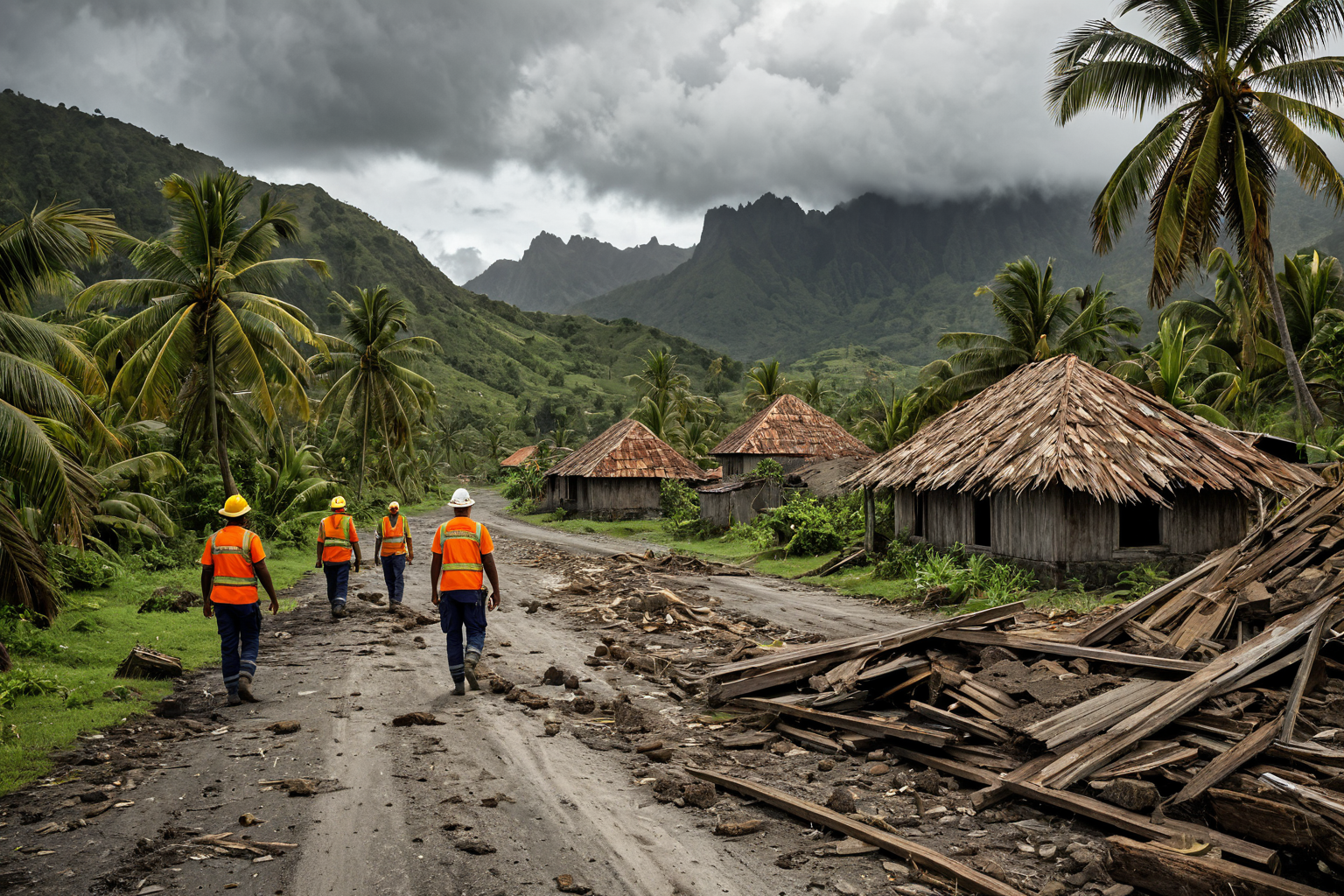
Indonesia Earthquake Damage Scale
A 7.7 magnitude earthquake struck off the eastern coast of Indonesia's Flores Island, resulting in at least 47 to 68 fatalities and damage to over 1,300 homes. Initial reports listed five deaths, which gradually increased; by August 16, 2026, the death toll had risen to a minimum of 47, then expanded to 51-53 on August 17. By August 18, the number was revised upward to 68 as more bodies were found and the affected area was further assessed. Rescue teams are working to confirm casualties and assess damage.
Tsunami Warning Issued and Lifted
Immediately after the earthquake, Indonesia's Meteorology Agency issued a tsunami warning, prompting thousands of residents and tourists to evacuate. The 7.7 magnitude quake near coastal waters raised significant tsunami risks. However, subsequent observations showed lower tsunami danger, leading to the warning being lifted on the evening of August 15, 2026. This helped guide safety measures while alerting people to potential aftershocks and landslides. Coastal areas evacuated within 30 minutes following the quake.
Changes in Death Toll
The initial death toll was reported at five, rising to a minimum of 47 by August 16 as rescue teams discovered additional bodies and assessed the affected area. The number increased to 51-53 on August 17, then rose to 68 on August 18 as more remains were found and the scope of damage expanded. This reflects early challenges in gathering complete information during initial response efforts, with time needed for accurate reporting.
Rescue Operations and International Support
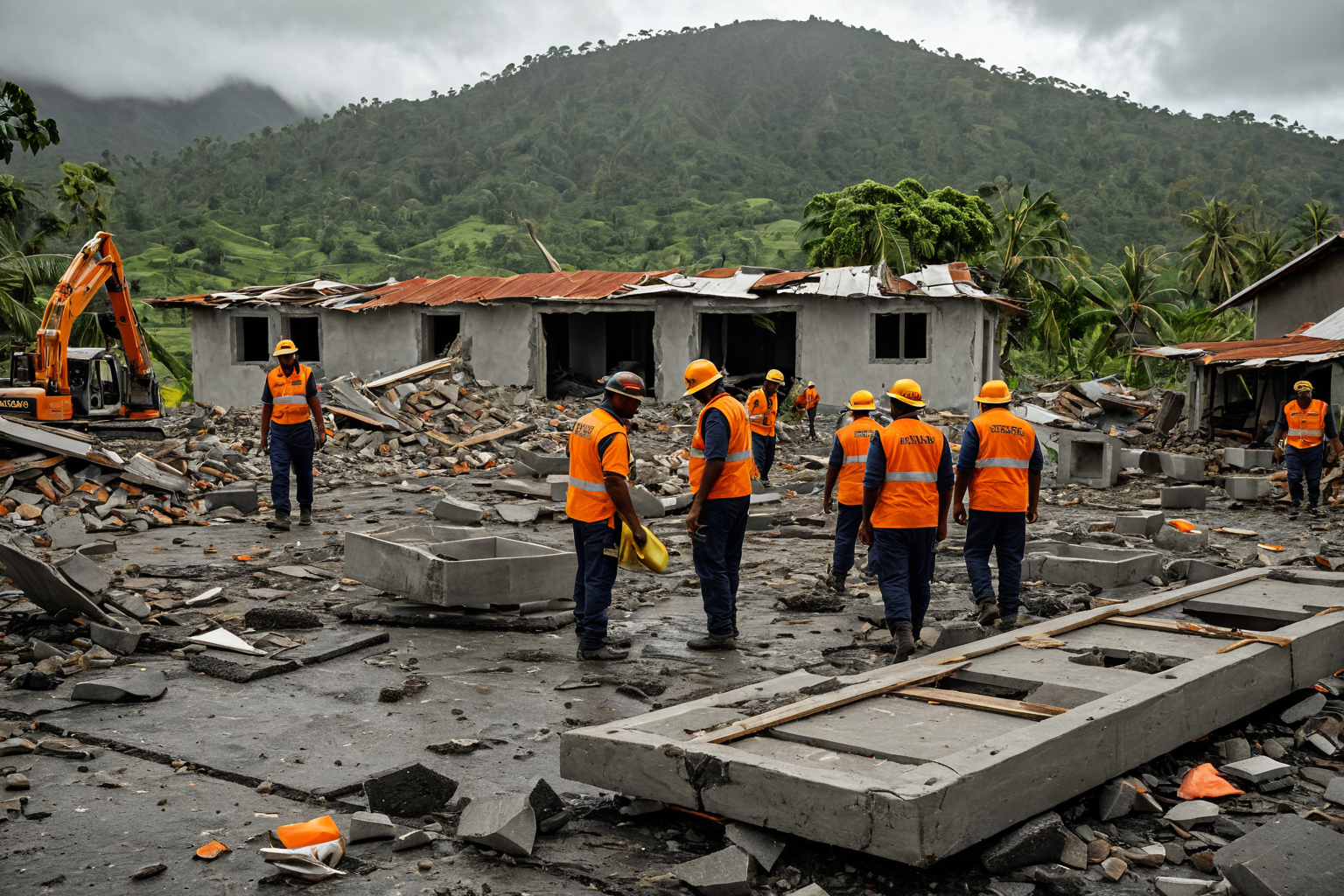
Indonesian rescue teams are conducting emergency operations to locate bodies and assess damage on-site. Pope Leo 14 and the Catholic Church have offered condolences and support for relief efforts. The Indonesian government has deployed aid supplies and medical personnel with international cooperation. The Catholic Church's involvement has provided comfort not only to local Catholics but also globally, while international humanitarian organizations have committed to providing material aid and medical teams. Rescue crews are working 24 hours a day, including overnight, to recover bodies and check safety in damaged areas.
Regional Damage Overview
The eastern coast of Flores Island is densely populated with residential and tourist areas, leading to significant earthquake damage. Over 1,300 homes were destroyed or severely damaged, while roads and transportation infrastructure also suffered damage, potentially delaying rescue operations. Locals are waiting in shelters for aid supplies. Coastal areas, where the risk of tsunami-related damage was high, experienced severe impacts, with some resorts and hotels collapsing and requiring evacuations.
Aftershocks and Additional Risks
Following the earthquake, aftershocks were frequent, and landslide risks were raised. Indonesia's Meteorology Agency is monitoring continuously to prevent further damage, particularly in coastal areas affected by tsunami risks. The quake occurred in the 'Ring of Fire' region, known for intense geological activity along Pacific Ocean boundaries. This area has experienced multiple large earthquakes historically; a 7.5 magnitude quake in 2018 caused thousands of deaths.
International Response and Support
Immediately after the earthquake, international humanitarian requests began flowing in, prompting Indonesia to collaborate with overseas rescue teams to expand operations. Pope Leo 14's message provided comfort beyond the Catholic community globally, while international aid organizations have committed to sending supplies and medical personnel. This reflects smooth cooperation between the Indonesian government and global partners. Japanese and Korean rescue teams arrived on-site to assist, with the U.S. and European nations promising medical support.
Key Information to Verify
The 7.7 magnitude quake was confirmed in Indonesia's 'Ring of Fire' region, known for high geological activity along Pacific Ocean boundaries. Historical data shows this area has experienced multiple large earthquakes; a 7.5 magnitude event in 2018 caused thousands of deaths. The Indonesian government is conducting ongoing monitoring and structural safety checks to prevent future incidents. Coastal locations remain at high tsunami risk, emphasizing the need for rapid evacuation during earthquakes. Indonesia's Meteorology Agency warned of possible additional aftershocks within the next 24 hours, urging residents to stay alert.
Frequently Asked Questions
Why did the death toll increase?
The death toll gradually rose as more bodies were discovered and the affected area was further assessed. Initial reports listed five deaths; by August 16 it reached a minimum of 47, then increased to 53 on August 17 before finalizing at 68 on August 18.
Why was the tsunami warning issued and later lifted?
The tsunami warning was initially issued due to high risk following the earthquake but was lifted after further observation showed reduced danger. Indonesia's Meteorology Agency continued monitoring for safety.
How did the international community respond?
Pope Leo 14 and the Catholic Church provided condolences and support, while international humanitarian organizations committed to supplying aid and sending medical teams.
You can view similar articles on this topic all at once.
View Related ArticlesFAQ
Why did the death toll increase?
The death toll gradually rose as more bodies were discovered and the affected area was further assessed. Initial reports listed five deaths; by August 16 it reached a minimum of 47, then increased to 53 on August 17 before finalizing at 68 on August 18.
Why was the tsunami warning issued and later lifted?
The tsunami warning was initially issued due to high risk following the earthquake but was lifted after further observation showed reduced danger. Indonesia's Meteorology Agency continued monitoring for safety.
How did the international community respond?
Pope Leo 14 and the Catholic Church provided condolences and support, while international humanitarian organizations committed to supplying aid and sending medical teams.
Korean Source
This article is an English localization of a Korean-language report from BlogScore. Original: 인니 강진으로 인한 피해 현황, 구조대 활동 상황