
Incheon SSG-LG Game Heatwave Incident: How Fans Were Affected and Response
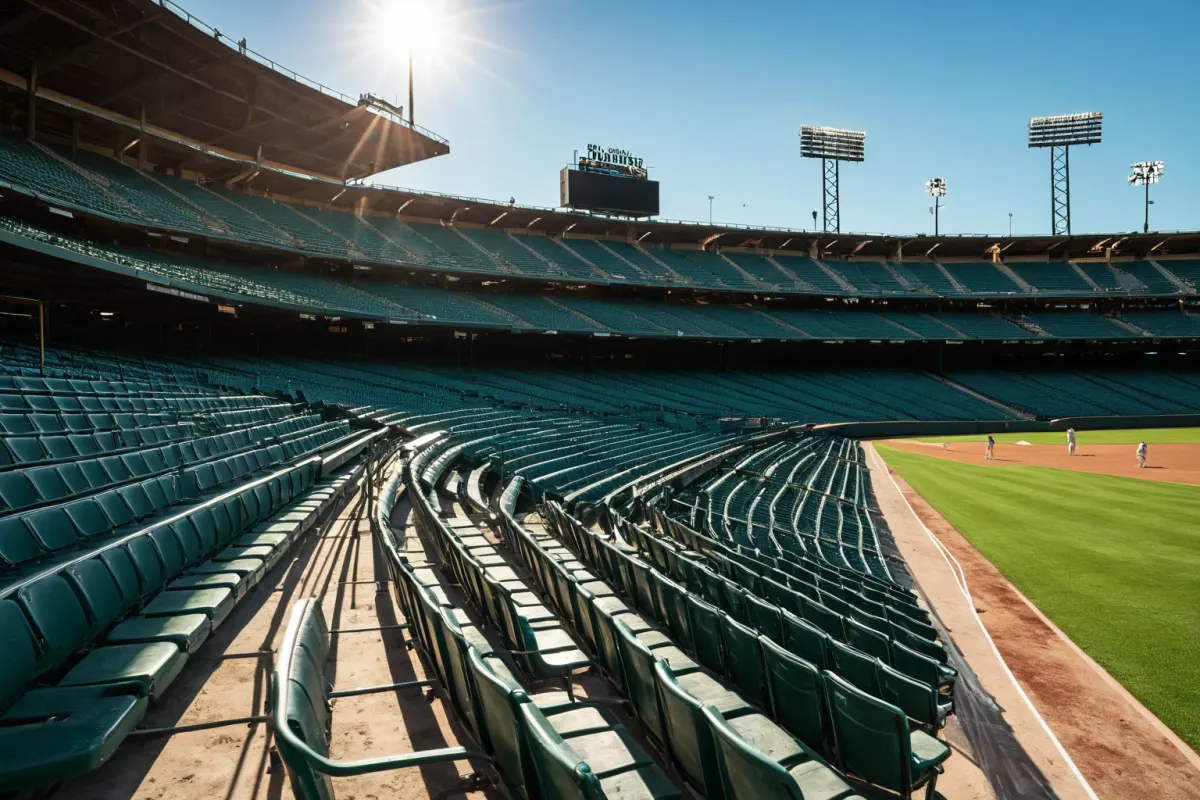
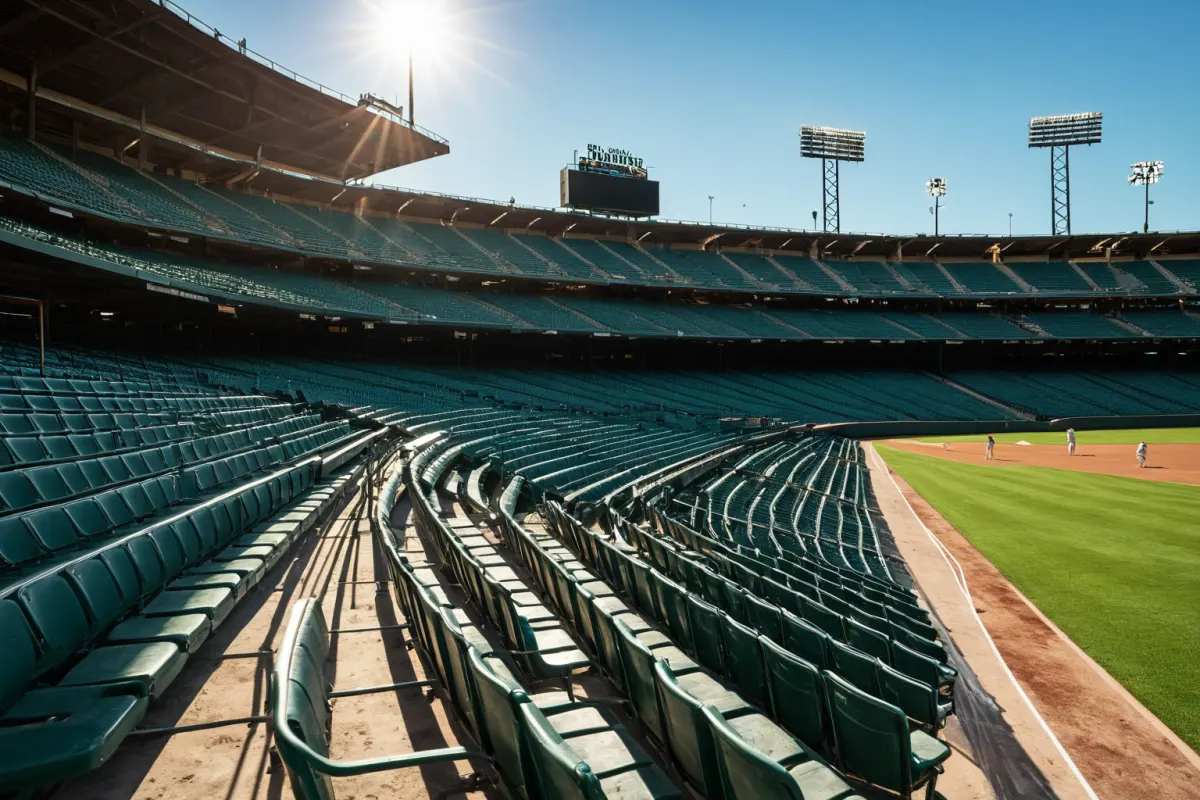
Incheon SSG-LG Game Heatwave Incident Overview
On August 4, during an Incheon SSG-LG professional baseball game, two spectators collapsed from cardiac arrest due to extreme heat, with a total of 25 heat-related illness cases reported. Although the temperature did not exceed 36.6 degrees Celsius—the threshold for a heatwave alert according to the Korea Meteorological Administration (KMA)—the perceived temperature surpassed 37 degrees, sparking debate over whether KBO regulations were followed.
Incident and Response
A cardiac arrest incident occurred among spectators during the Incheon SSG-LG game due to extreme heat. The game was paused for nine minutes, leading to two spectators being transported to hospitals and 25 cases of heat-related illness reported. Following the incident, KBO canceled all games scheduled for August 5 and 6 as a response.
Timing and Scale of Incident
The cardiac arrests were confirmed during the August 4 game as extreme heat intensified. While the temperature remained below 36.6 degrees Celsius—the threshold set by KMA forecasts—perceived temperatures reached 37 degrees, resulting in numerous heat-related illnesses. According to KBO's heatwave guidelines, games can proceed if temperatures are below 36.6 degrees, but this incident has highlighted potential gaps in safety regulations.
Heatwave Regulations and KBO Guidelines
KBO's heatwave guidelines determine whether a game should be canceled based on temperature thresholds of 36.6 degrees Celsius. However, despite forecasts indicating temperatures would remain below this threshold before the KMA issued a heatwave alert, perceived temperatures reached 37 degrees, leading to multiple heat-related illnesses. The incident has drawn attention to limitations in current regulations and the need for revised safety protocols.
Post-Incident Response and Prevention Measures
KBO canceled all games scheduled for August 5 and 6 and announced a review of safety measures for extreme heat conditions. A KBO official stated that revisions to regulations considering both weather forecasts and perceived temperatures are necessary. However, specific details on how these changes will be implemented remain unclear.
Incident Details and Media Coverage
The incident occurred during the August 4 Incheon SSG-LG game, where spectators collapsed due to extreme heat. The KMA had forecasted temperatures below 36.6 degrees Celsius before issuing a heatwave alert, but perceived temperatures exceeded 37 degrees, leading to numerous heat-related illnesses. One spectator was treated for low blood pressure due to dehydration and later discharged, while the other was transported to a hospital after cardiac arrest.
Need for Safety Manual Review
KBO's guidelines rely on temperature readings to determine whether games should proceed, but perceived temperatures have a greater impact on spectator health. This incident has highlighted the discrepancy between KBO regulations and weather forecasts, emphasizing the need for measures that ensure spectator safety even when temperatures are below 36.6 degrees Celsius but perceived temperatures remain high.
Additional Media Coverage
A news article titled 'Extreme Heat Halts Pro Baseball... KBO Cancels Games on August 5 and 6' reported the cancellation of games following the incident. Another headline, 'SSG-LG Game Proceeded Despite Heatwave Alert,' emphasized that the game was held despite temperatures below the 36.6-degree threshold for heatwave alerts, but an accident still occurred.
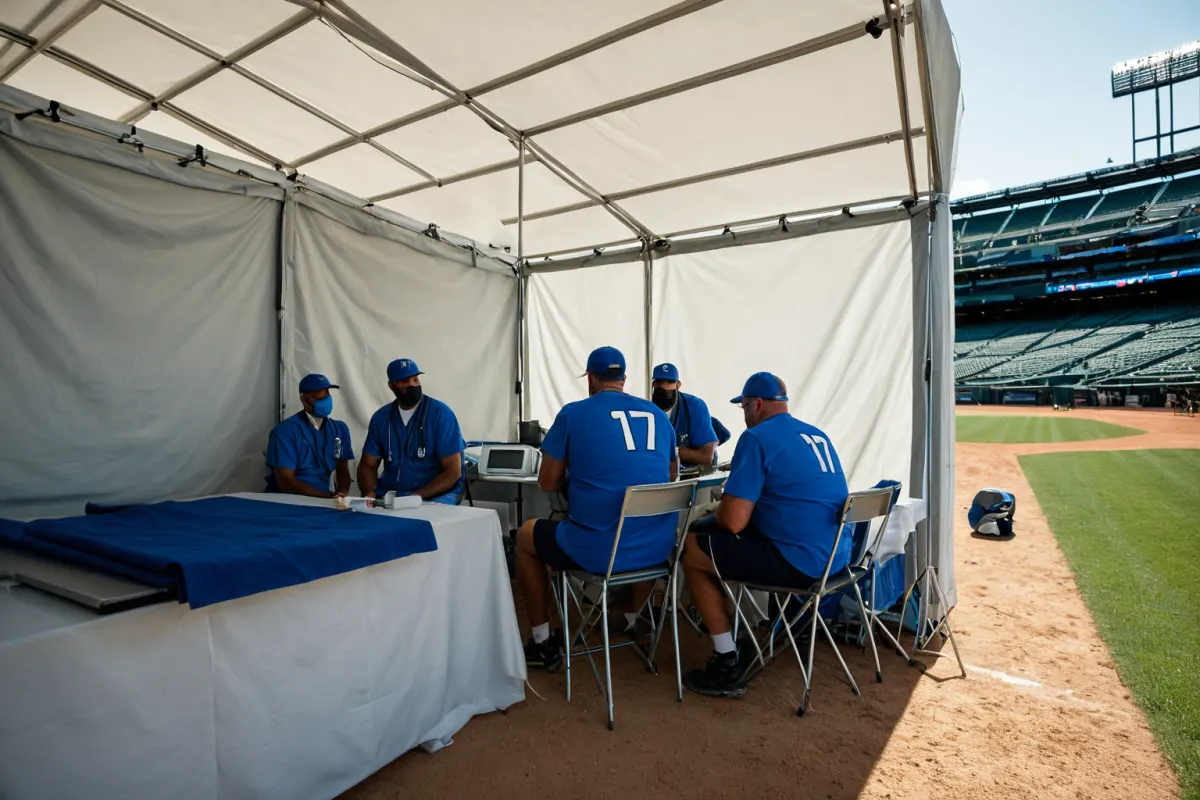
Additional Coverage on Related Incidents
A news article titled 'Oh No, Huang Jae-kyun's Retirement Ceremony Disappeared Due to Heatwave' noted that large-scale events were canceled due to the heatwave, raising concerns about potential impacts on other games. This highlights how regulatory gaps between KBO guidelines and weather forecasts could affect future events.
Information to Verify
The following details remain unconfirmed: game results (SSG-LG match outcome), medical conditions of the cardiac arrest patients, and full details of KBO's heatwave regulations. Once these are disclosed, a clearer understanding of the incident's causes and response measures will be possible.
Frequently Asked Questions
What is KBO's heatwave regulation standard?
KBO allows games to proceed if temperatures remain below 36.6 degrees Celsius—the threshold before a heatwave alert is issued. However, with perceived temperatures reaching 37 degrees and multiple heat-related illnesses reported, calls for revising these regulations have intensified.
What were the weather conditions during the incident?
During the August 4 game, the perceived temperature rose to 37 degrees despite KMA forecasts indicating temperatures below 36.6 degrees Celsius before a heatwave alert was issued. While KBO regulations allowed the game to proceed under these conditions, spectator health was affected.
What measures did KBO take after the incident?
KBO canceled all games scheduled for August 5 and 6 and announced a review of safety protocols. The organization also acknowledged the need to revise regulations considering both weather forecasts and perceived temperatures.
Frequently Asked Questions
The Incheon SSG-LG game incident appears to have been caused by a discrepancy between KBO regulations and meteorological forecasts, where games were allowed despite temperatures below 36.6 degrees Celsius but high perceived temperatures led to multiple heat-related illnesses. Following the incident, KBO canceled subsequent games and pledged to review safety measures, though specific changes remain pending. It is clear that more precise guidelines considering both temperature readings and perceived heat are necessary to ensure spectator safety during extreme weather conditions.
You can view similar articles on this topic in one place.
View Related ArticlesFAQ
What is KBO's heatwave regulation standard?
KBO allows games to proceed if temperatures remain below 36.6 degrees Celsius—the threshold before a heatwave alert is issued. However, with perceived temperatures reaching 37 degrees and multiple heat-related illnesses reported, calls for revising these regulations have intensified.
What were the weather conditions during the incident?
During the August 4 game, the perceived temperature rose to 37 degrees despite KMA forecasts indicating temperatures below 36.6 degrees Celsius before a heatwave alert was issued. While KBO regulations allowed the game to proceed under these conditions, spectator health was affected.
What measures did KBO take after the incident?
KBO canceled all games scheduled for August 5 and 6 and announced a review of safety protocols. The organization also acknowledged the need to revise regulations considering both weather forecasts and perceived temperatures.
Korean Source
This article is an English localization of a Korean-language report from BlogScore. Original: 인천 SSG-LG전 폭염, 관중 심정지 사고 대응 현황