
Incheon to Jeju Ferry: Cost and Travel Time Comparison
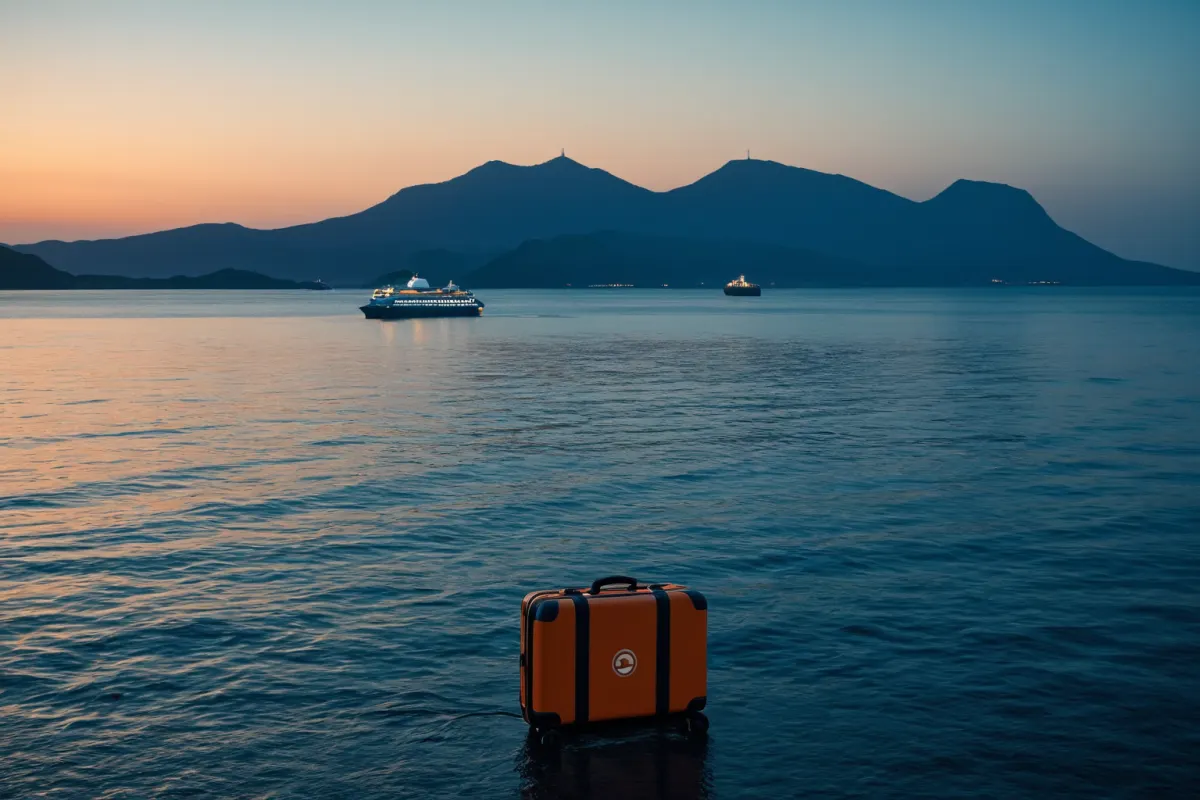
To travel from Incheon to Jeju by ferry, costs typically vary based on seat class and whether you're bringing a vehicle, while the travel time is generally around 12 hours. Although longer than flying, taking a ferry can be more convenient if you're traveling with a car or have lots of luggage.
However, Incheon-Jeju ferries aren't as frequently available as flights, so it's important to check the sailing days and availability before booking. During peak season, cabins fill up quickly, making it more advantageous to secure your reservation early rather than focusing solely on cost comparisons.
Why Ferry Prices Vary
Ferry fares aren't simply based on 'per person.' They also include costs for cabin type, adult/child rates, round-trip options, and vehicle loading fees.
For example, second-class cabins are relatively affordable, but first-class or family cabins cost more. If you're bringing a car, additional vehicle loading fees will apply, significantly increasing the total cost.
When planning your trip, it's best to calculate the total cost including one car, not just the round-trip fare for yourself. For family trips, while ferry fares may seem higher than flights at first glance, you might save on rental car costs, making the overall budget comparable.
You can find more articles on similar topics in one place.
View Related ArticlesTypical Ferry Travel Time from Incheon to Jeju
The travel time for Incheon-Jeju ferries varies by ship and sailing conditions, but most depart in the evening and arrive early morning, usually taking about 12 hours.
While weather and schedule can affect timing, it's best to plan for around 12 hours. Unlike flights, which are quick transfers, this longer journey means focusing on travel itself on day one and starting your trip properly on day two.
For instance, boarding a ferry on Friday night allows you to arrive in Jeju early Saturday morning. Instead of rushing to rent a car immediately upon arrival, it's more practical to settle into accommodation and spend the morning exploring nearby areas before heading out for full-day activities.
Key Conditions to Check Before Booking
The first thing to check when booking is sailing days. Incheon-Jeju ferries aren't available every day, so confirming availability based on your travel dates is crucial.
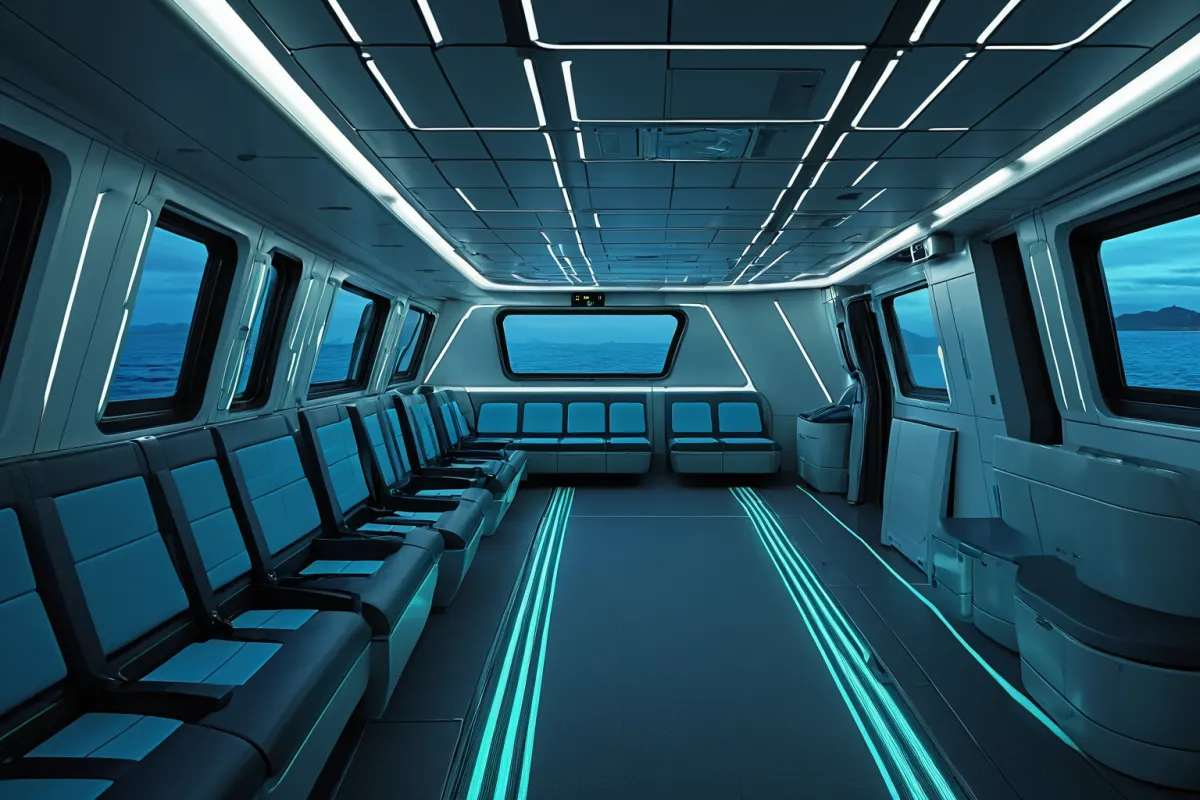
Next, consider cabin class. Even on the same route, different cabin types—such as standard seats, multi-person rooms, premium cabins, or family suites—affect comfort levels. For overnight trips, having a comfortable seat or cabin to sleep in is essential; choosing only the cheapest option might lead to fatigue.
If you plan to bring your vehicle, decide on the type early (e.g., sedan, SUV, camping car), as costs and loading availability vary by size. Changes made at the last minute can affect pricing, so finalizing this before departure is recommended.
Comparing Ferry vs. Flight
When comparing ferries to flights, focus on total travel cost, not just base fares. Flights get you there faster but require additional transport in Jeju, whereas ferries let you bring your car directly, saving on local transportation costs.
For example, a family of four planning a 3-night/4-day trip would need round-trip flight tickets plus rental cars in Jeju. With a ferry, although travel time is longer, bringing your own vehicle reduces the need for rentals, potentially balancing out overall expenses. This makes ferries ideal for families with children or travelers with heavy luggage.
Conversely, if you have limited time or want to maximize vacation days, flights are more practical. Ferries work best when you're comfortable incorporating travel time into your trip experience.
Essential Items for First-Time Travelers
Ferry travel requires less preparation than airports but can involve overnight journeys, so packing a few essentials helps. Bring motion sickness medication, light jackets, personal toiletries, chargers, and snacks.
Indoors may feel cooler, so a lightweight jacket is useful. Since you'll be sitting for long periods, items like neck pillows or small blankets improve sleep quality. For family trips with children, pack kid-friendly snacks and water to avoid mid-journey stress.
For example, bringing books or headphones for school-aged kids helps keep them entertained during the journey, making travel time feel shorter.
Common Booking Mistakes
The most common error is failing to align arrival times with accommodation check-in schedules. Arriving early in the morning but checking into a hotel only in the afternoon leaves you with an unproductive gap that can lead to fatigue.
Another mistake is delaying vehicle loading arrangements. Although boarding procedures seem simpler than flights, vehicles require waiting and verification steps, so arriving early is essential. Rushing at the last minute increases the risk of missing preparations.
Lastly, many people only book one-way tickets without confirming round-trip availability. During peak season, return tickets can sell out quickly, making itinerary changes difficult. It's safer to check both ways when your dates are confirmed.
Sample Itinerary Using Ferry Travel
Imagine a 3-night/4-day trip from Seoul suburbs including the weekend: depart Incheon Friday evening, arrive Jeju Saturday morning, start sightseeing in the afternoon, and return Monday morning. This schedule aligns accommodation check-ins with travel times neatly.
The advantage of this plan is departing on Friday night to save daytime hours. With your car onboard, you avoid needing to pick up a rental upon arrival, and luggage stays in the vehicle for convenience. However, returning on Tuesday may feel tiring after two days of travel, so it's not ideal for those with early Monday work schedules.
If your preference leans toward 'comfortable travel in your own car' rather than 'quick arrival,' Incheon-Jeju ferries offer a satisfying experience.
Check Latest Sailing Information
Ferry schedules and available seats can change based on seasons, ship operations, and maintenance. Double-checking the latest information before departure is recommended to avoid surprises.
FAQ
Q1. How long does an Incheon-Jeju ferry take?
A. Plan for approximately 12 hours, though actual duration may vary slightly depending on ship and sea conditions.
Q2. When should I book my Incheon-Jeju ferry?
A. Book as early as possible during peak season or weekends to secure both cabin space and vehicle loading availability.
Q3. Are ferries always cheaper than flights?
A. Not necessarily. While per-person fares might be similar or higher, bringing a car changes the overall cost structure significantly.
Explore more articles on similar topics.
Browse CategoryFAQ
How long does an Incheon-Jeju ferry take?
Plan for approximately 12 hours, though actual duration may vary slightly depending on ship and sea conditions.
When should I book my Incheon-Jeju ferry?
Book as early as possible during peak season or weekends to secure both cabin space and vehicle loading availability.
Are ferries always cheaper than flights?
Not necessarily. While per-person fares might be similar or higher, bringing a car changes the overall cost structure significantly.
Korean Source
This article is an English localization of a Korean-language report from BlogScore. Original: 인천 제주도 배편 예약 비용과 소요시간 비교