
Incheon Coupang Logistics Center Fire: Key Points Under Investigation
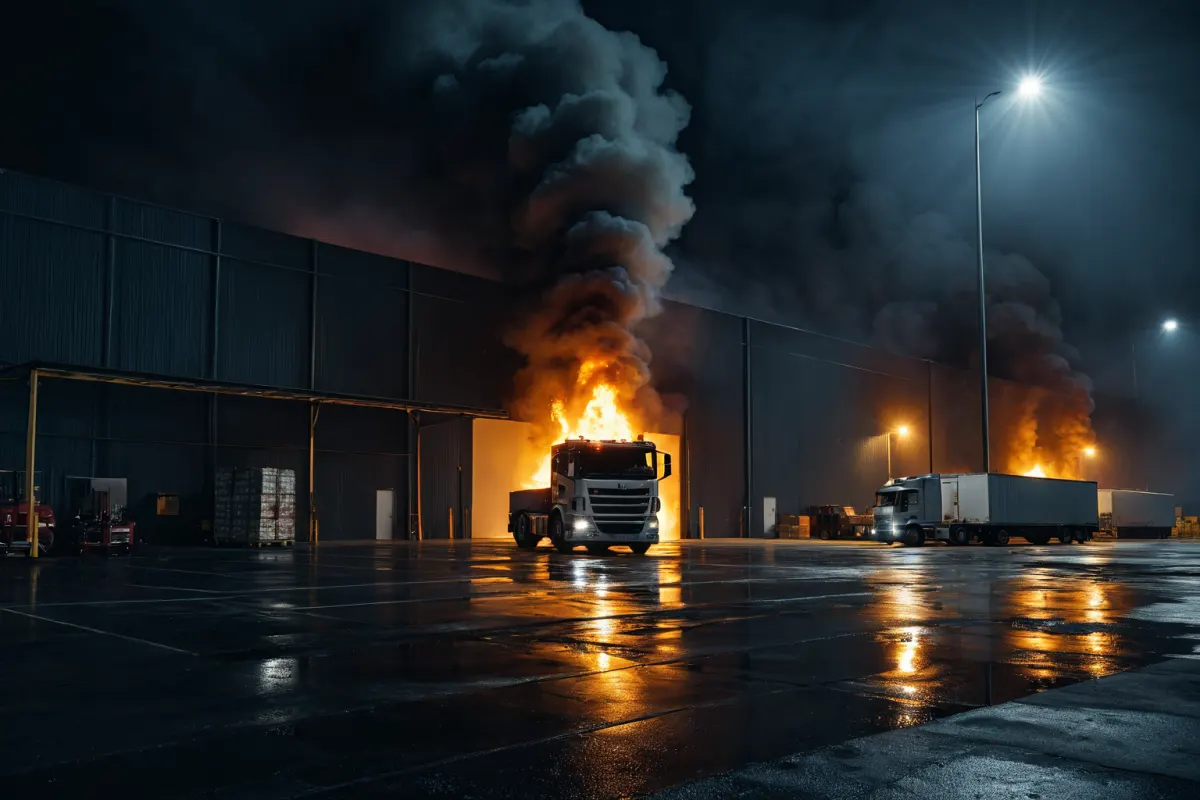
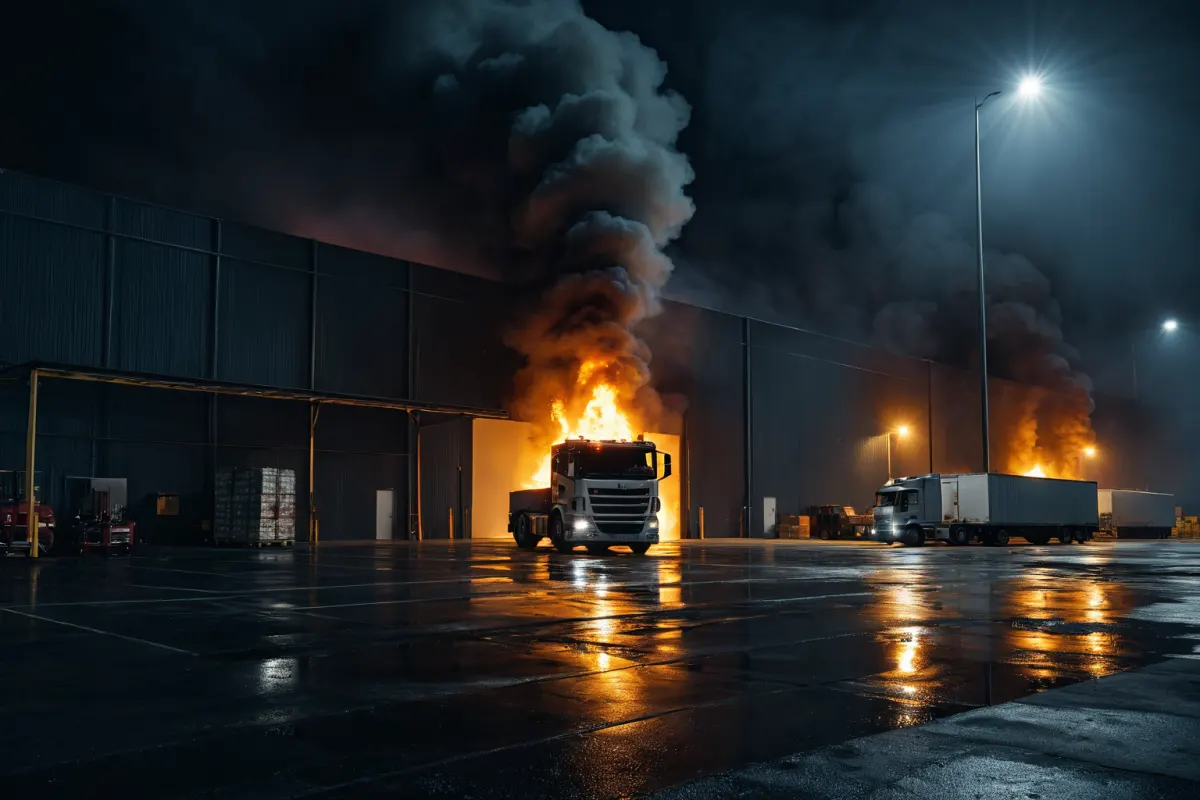
The main points under discussion regarding the cause of the Incheon Coupang logistics center fire are the nature of stored goods, electrical system management, and whether initial firefighting efforts were delayed. However, the actual cause will need to be confirmed through forensic results and official investigations, making premature conclusions difficult.
Logistics center fires often involve multiple factors rather than a single cause. The location where the fire started, sprinkler system functionality, storage structure, and night shift staffing levels all require careful examination.
Most Discussed Points Regarding Fire Cause
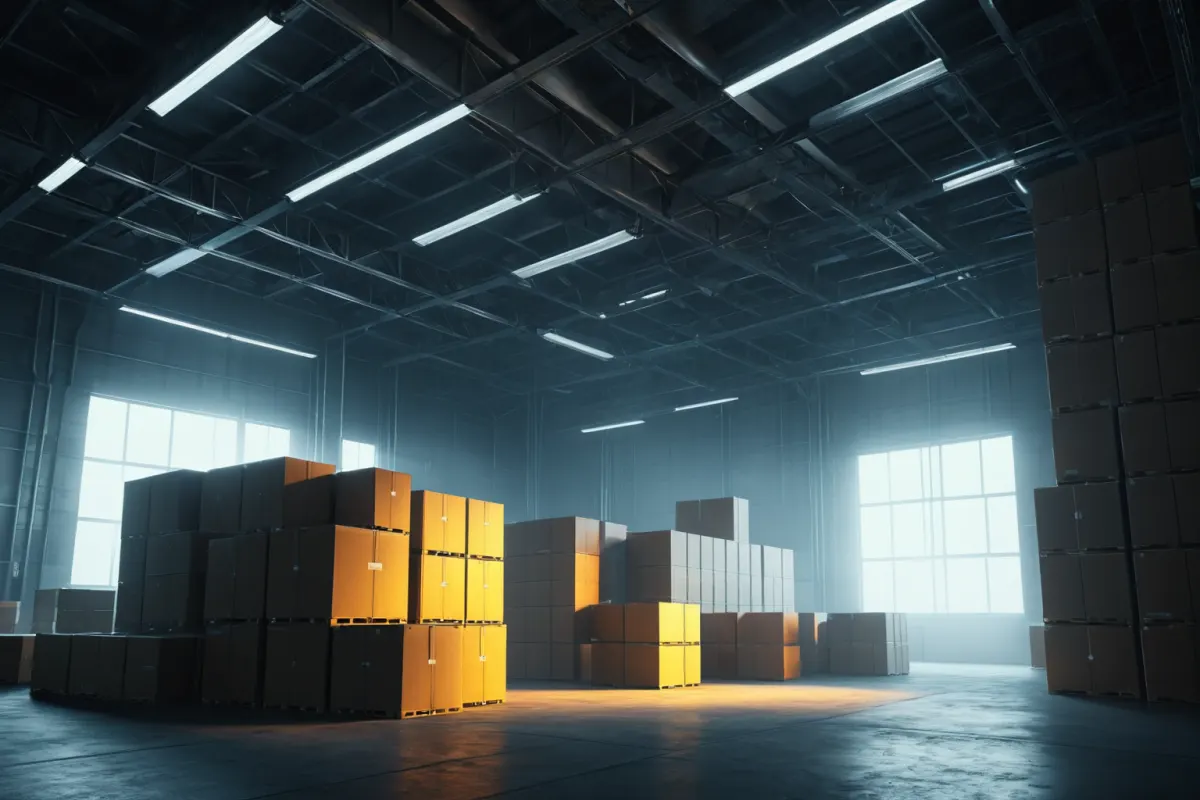
The first point of attention in this incident was the internal storage environment. Logistics centers often have boxes and packaging materials densely packed, which can allow even a small spark to spread rapidly.
If electrical wiring or equipment overload coincides with this, the risk of ignition increases. In fact, large-scale logistics facility fires are frequently linked not just to accidental causes but also to technical issues such as equipment malfunctions, poor management, and electrical faults.
Another important factor is how quickly the fire was detected after it started. If alarms were delayed or initial response was inadequate, opportunities for early containment may be missed.
You can view similar articles on this topic in one place.
View Related ArticlesWhy Fires Spread Rapidly in Logistics Centers
Logistics centers are structurally prone to rapid fire spread. High ceilings and wide corridors often mean more stored goods, which can trap heat and smoke easily.
Materials like sponge, plastic film, and paper that burn easily can cause flames to grow quickly within a short time. Complex ceiling structures may also hinder smoke evacuation, making evacuation more difficult.
Even with proper fire safety equipment, excessive storage density can reduce effectiveness. Therefore, when examining fire incidents, it's important to consider not just 'a fire occurred' but also internal layout and management conditions.
Why Initial Response Delay Is Important
A key point many people question in fire incidents is the initial response. Whether sprinklers functioned properly immediately after ignition, whether alarms sounded on time, and whether personnel responded promptly all significantly impact the scale of damage.
For example, if staffing levels are low at night with long patrol intervals, it might take longer to discover a fire. Conversely, if detection systems work quickly and immediate evacuation occurs, significant damage can often be prevented.
This incident is being investigated from this perspective as well, meaning the final cause should be understood not just in terms of the ignition point but also the entire response system.
Main Investigation Points at the Scene
When determining fire causes, several factors are typically examined closely. First, whether there were issues with electrical systems. Second, the condition of flammable materials or combustible packaging.
Third, whether repeated overheating or equipment malfunctions occurred in specific areas. Fourth, using CCTV footage, access records, and staff statements to reconstruct conditions just before the incident.
This process can take time. Fire scenes are often severely damaged, making evidence scarce, and all possible scenarios must be ruled out.
Important Safety Tips for General Awareness
When viewing such incidents, one of the most practical things to consider is revisiting safety standards. In warehouses or business premises, electrical wires should not be bent or covered in dust, and storage aisles should remain unobstructed.
For example, small-scale warehouse operators should avoid stacking boxes all the way up to ceilings; leaving some space at the top is safer. Additionally, habits like overloading power strips or neglecting old outlets should be checked regularly.
From an employee perspective, knowing the location of emergency exits and how to use fire extinguishers should be practiced routinely. Being familiar with these procedures can enable faster action during actual fires.
Common Misunderstandings About This Incident
Various speculations about the cause have circulated online, but speculation differs from facts. Making judgments based solely on photos or isolated scenes is risky.
Logistics centers often appear complex in structure, which can lead to misunderstandings from outside perspectives. It's important to distinguish between the ignition cause and the spread of damage, and also to understand that administrative investigation results and police reports may differ.
Additionally, a single incident shouldn't be immediately attributed as an industry-wide issue. Even within the same sector, risk levels can vary significantly based on equipment management standards and operational practices.
Key Points Summary: Incheon Coupang Logistics Center Fire Cause
Summarizing the main points discussed so far, the core issues are threefold: where the fire started, whether electrical or equipment issues existed, and why initial firefighting and evacuation were delayed.
All three factors must align to explain the actual scale of damage. Therefore, when examining the cause of the Incheon Coupang logistics center fire, it's important to follow the investigative process rather than rushing to a single-word conclusion.
When looking for related reports or official announcements, comparing forensic results, fire department statements, and investigation agency findings is recommended. Different organizations may report slightly different details based on their timing of verification.
FAQ
Q1. Has the cause of the Incheon Coupang Logistics Center fire been confirmed?
No, it requires a comprehensive review of forensic and investigation results. While certain points have been discussed in media coverage, the final cause must be based on official announcements.
Q2. Why do fires spread so quickly in logistics centers?
The presence of easily flammable materials like boxes, packaging, and plastic film combined with wide internal spaces allows heat and smoke to spread rapidly. The more densely packed the storage, the harder it is to contain the fire.
Q3. What should business owners check first for safety?
Electrical wiring condition, power strip usage, aisle clearance, and fire extinguisher locations are the most important aspects to verify initially. Small checks can significantly reduce the risk of major incidents.
As new investigation results become available, it's advisable to review updates regularly.
Continue exploring similar topics.
View Category ArticlesFAQ
Has the cause of the Incheon Coupang Logistics Center fire been confirmed?
No, it requires a comprehensive review of forensic and investigation results. While certain points have been discussed in media coverage, the final cause must be based on official announcements.
Why do fires spread so quickly in logistics centers?
The presence of easily flammable materials like boxes, packaging, and plastic film combined with wide internal spaces allows heat and smoke to spread rapidly. The more densely packed the storage, the harder it is to contain the fire.
What should business owners check first for safety?
Electrical wiring condition, power strip usage, aisle clearance, and fire extinguisher locations are the most important aspects to verify initially. Small checks can significantly reduce the risk of major incidents.
Korean Source
This article is an English localization of a Korean-language report from BlogScore. Original: 인천 쿠팡물류센터 화재 원인으로 지목된 쟁점