
Incheon Coupang Logistics Center Fire: Cause Analysis and Safety Concerns
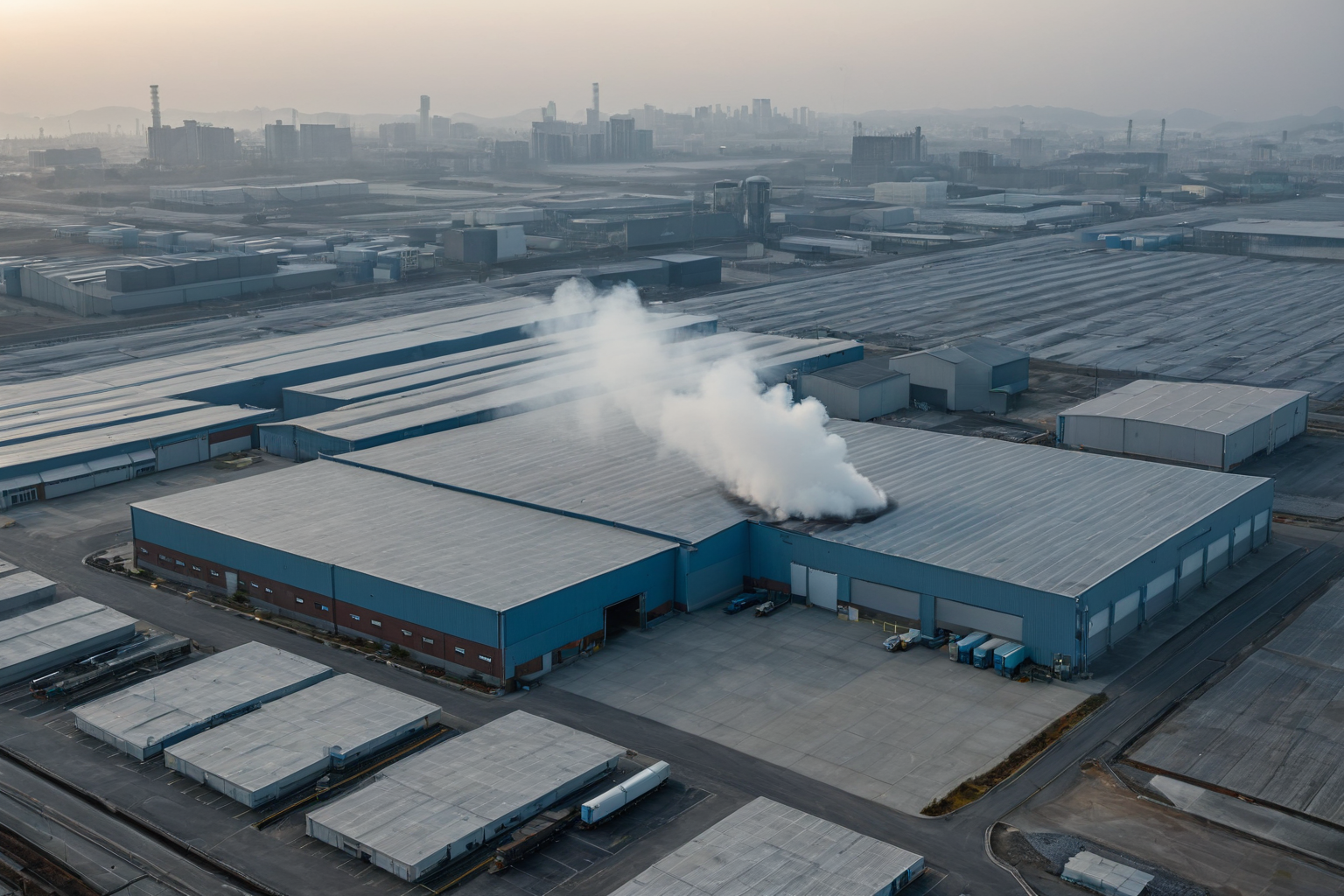
Incheon Coupang Logistics Center Fire Cause Analysis
The cause of the Incheon Coupang logistics center fire has not yet been determined. Eight agencies have formed a joint investigation team, and the National Forensic Service reports that the cause cannot be identified at this time, with further analysis ongoing. This reflects the complexity of major fire incidents, indicating the need for collaboration among various specialized institutions to determine the cause.
Safety Inspection Issues Before the Fire
The Incheon Coupang logistics center received 25 safety violations during this year's fire safety inspection. These issues were identified four months before the fire in March 2026, with multiple findings related to fire safety equipment. Notably, hundreds of explosive-risk robots used for automated logistics operations existed within the facility, but fire authorities were unaware of them. These robots, which support automated warehouse operations, pose a high risk of explosion during fires and should have been a key consideration in fire safety management.
Fire safety inspection results are typically confirmed through annual regular inspections, with violations reported by relevant agencies. Some of the issues identified in March 2026 had already been raised in 2025 inspections, indicating that improvements were not made despite previous findings. This highlights weaknesses in safety management systems and underscores the urgent need for stronger cooperation between fire authorities and businesses.
Connection to Past Fire Incidents
A similar fire occurred at the Incheon Coupang logistics center three years ago, which connects to current safety violations and emphasizes inadequate safety management. Despite a previous incident with similar circumstances, fire authorities failed to adequately identify related risk factors.
Issues identified in past fires are reappearing in this incident. For example, regular inspections of fire safety equipment were not properly conducted, and there was insufficient awareness of potential risks. This pattern suggests structural problems in the safety management system, indicating that improvements must be systemic rather than treating each case individually.
Fire Occurrence Time and Response Process
The Incheon Coupang logistics center fire broke out on July 18, 2026. Fire authorities issued a Level 2 response and began firefighting operations. The fire lasted for 109 hours (one month) and a joint investigation team was officially launched on July 21.
During the initial phase of the fire, fire authorities failed to accurately assess the situation, leading to delays in response. Notably, Coupang concealed that people were present at the scene during the fire, which contributed to misjudgment and affected the deployment of firefighting personnel and resources.
Considering that multiple safety violations related to fire equipment were identified four months before the fire, it is urgent to improve safety management systems. Fire authorities believe prompt action on violation reports is necessary, particularly regarding the explosive risks posed by hundreds of robots, which indicates a weakness in the safety management system.
Joint Investigation Team and Cause Determination Process
The Ministry of Public Safety and Security and seven other agencies have formed a joint investigation team to determine the fire's cause. Police, fire departments, and the National Forensic Service conducted a joint inspection, but the National Forensic Service reported that 'the cause cannot be identified,' with further analysis ongoing. This reflects the complexity of major fire incidents.
The joint investigation team consists of experts from various specialized fields, comprehensively reviewing evidence collected at the scene and fire safety inspection records. Information sharing between fire authorities and Coupang has been identified as a problem, emphasizing the need to improve information-sharing systems to prevent similar accidents in the future.
The fire broke out on July 18 and continued until August 19, with firefighting operations focused during this period. However, the cause of the fire remains unclear. Particularly, the connection between the timing of the fire and the identified violations has not been clearly determined, which is a point of concern.
Direction for Response and Safety Management Improvement
Given that multiple safety violations related to fire equipment were reported four months before the fire, fire authorities believe prompt action on violation reports is necessary. The failure to identify the explosive risks posed by hundreds of robots highlights weaknesses in the safety management system.
Coupang concealed that people were present at the scene during the fire, which affected firefighting response. Therefore, improving information-sharing systems between businesses and fire authorities is urgent. This requires regular collaboration programs for sharing inspection results and risk factors, particularly strengthening safety standards for automated equipment.
The fact that the fire persisted for a month with concerns about building collapse also warrants attention. This suggests that the relationship between firefighting duration and structural stability during major fires needs reevaluation. In the future, systems to monitor building structural integrity in real-time during fires should be considered.
Verified Information
The verified facts so far are as follows: The Incheon Coupang logistics center received 25 violation reports during this year's fire safety inspection, and a fire had previously occurred at the facility three years ago. Four months before the fire, multiple issues related to fire equipment were identified, but fire authorities were unaware of them.
Coupang concealed that people were present at the scene during the fire, leading to misjudgment in early response. Eight agencies have formed a joint investigation team to determine the cause, but the National Forensic Service reports 'the cause cannot be identified,' with further analysis ongoing.
Frequently Asked Questions
Has the fire's cause been determined?
The exact cause has not yet been determined. An 8-agency joint investigation team is currently investigating, and the National Forensic Service reports 'the cause cannot be identified,' with further analysis ongoing.
What were the results of the pre-fire safety inspections?
The Incheon Coupang logistics center received 25 violation reports during this year's fire safety inspection. These issues were identified four months before the fire in March 2026, related to fire equipment.
Was it confirmed that people were present at the scene but concealed by Coupang?
Yes, it was confirmed that people were present at the scene during the fire, but Coupang reported they were not. This led to misjudgment in early response and was revealed through fire authority investigations.
You can view more articles on similar topics at once.
View Related ArticlesFAQ
Has the fire's cause been determined?
The exact cause has not yet been determined. An 8-agency joint investigation team is currently investigating, and the National Forensic Service reports 'the cause cannot be identified,' with further analysis ongoing.
What were the results of the pre-fire safety inspections?
The Incheon Coupang logistics center received 25 violation reports during this year's fire safety inspection. These issues were identified four months before the fire in March 2026, related to fire equipment.
Was it confirmed that people were present at the scene but concealed by Coupang?
Yes, it was confirmed that people were present at the scene during the fire, but Coupang reported they were not. This led to misjudgment in early response and was revealed through fire authority investigations.
Korean Source
This article is an English localization of a Korean-language report from BlogScore. Original: 인천 화재 원인 분석: 소방서 보고서 확인