
Incheon City's Mistake with Upside-Down Taegukgi: What Happened and How It Was Handled
Incheon City's Upside-Down Taegukgi Controversy: What Really Happened?
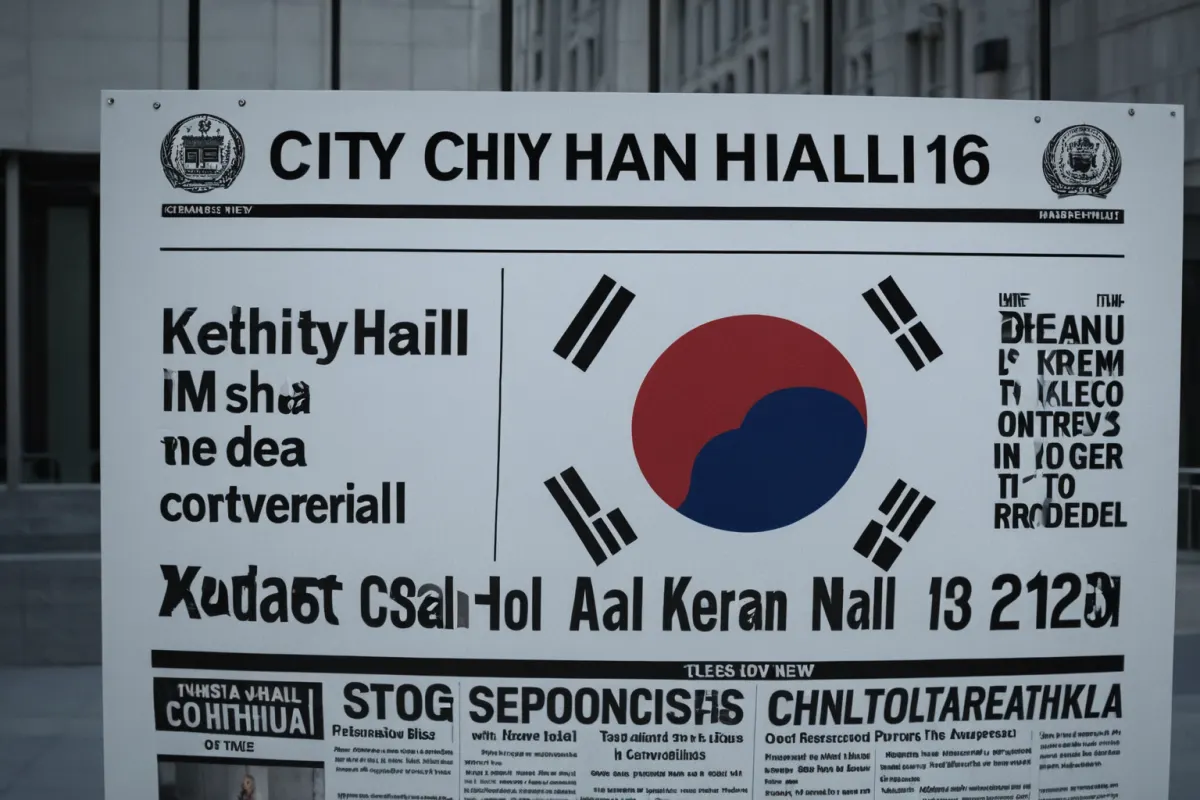
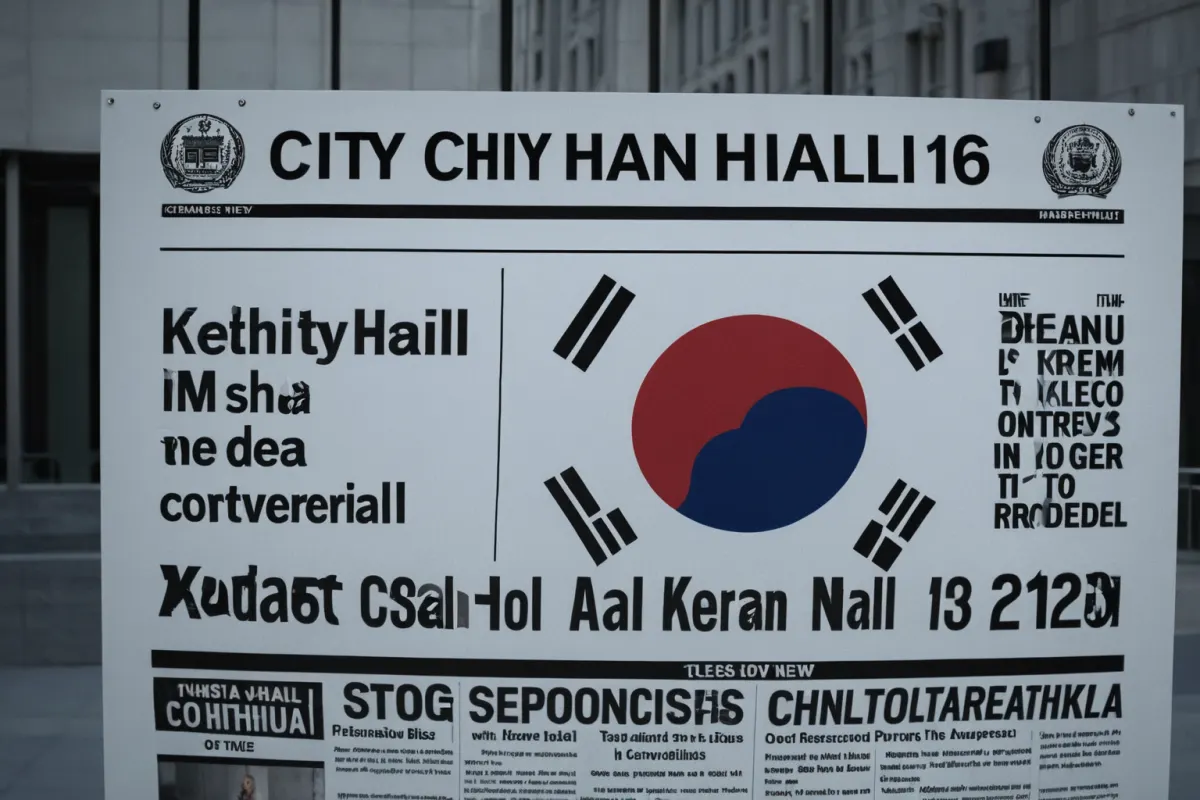
A controversy erupted in Incheon when a banner commemorating National Liberation Day featured what appeared to be an upside-down Taegukgi (South Korea's national flag). However, the city clarified that it was simply a matter of perspective—viewed from below. This misunderstanding, stemming from non-compliance with official flag guidelines, drew attention from both citizens and political figures.
The Origin of the Upside-Down Taegukgi Controversy
On August 7, Incheon's Gyeonggi District displayed banners for a 'Love Your Country Taegukgi Hanging Campaign' ahead of National Liberation Day. However, the Taegukgi on the banner appeared upside-down, sparking public debate. Some media outlets reported it as an 'upside-down Taegukgi,' leading to political commentary.
By August 9, Incheon City removed the banner and explained that the flag was displayed from a bottom-up perspective. Despite this clarification, some citizens and politicians criticized the explanation as insufficient. In particular, members of the People Power Party (PPP) urged the city to admit its mistake and improve communication, with Councilor Choi Si-won stating that acknowledging the error would be more appropriate than offering an explanation.
Kim Hee-chul's Controversial Remarks on the Taegukgi Issue
Councilor Kim Hee-chul sparked further controversy by making a hasty comment claiming, 'Everyone knows how to display the Taegukgi,' which he later retracted. On August 9, following media coverage of the incident, he emphasized that even kindergarten children know proper flag etiquette but later apologized for his haste.
On August 11, Kim Hee-chul added further fuel to the fire by asking, 'Isn't it normal to get angry when something looks upside-down?' His remarks amplified political tensions and highlighted how a simple procedural error had escalated into a broader controversy over national symbol management.
Taegukgi Display Guidelines and Key Information
Official guidelines clearly specify the correct way to display the Taegukgi. For example, Seocho District in Seoul displayed a standard 540cm x 360cm Taegukgi, adhering to proper specifications. In contrast, Incheon's Gyeonggi District failed to follow these guidelines, leading to the misunderstanding.
While Incheon's Gyeonggi District launched its 'Love Your Country Taegukgi Hanging Campaign' for the 81st anniversary of National Liberation Day, the incident revealed a lack of understanding regarding proper flag display protocols. This case underscores the importance of correctly managing national symbols.
Previous Incidents Involving Taegukgi Display Errors in Incheon
The controversy was initially misunderstood but was later clarified by Incheon City as a perspective issue. On August 9, the city announced that it had removed the banner voluntarily. This incident highlights ongoing administrative challenges within government bodies and similar issues faced by businesses when handling national symbols.
Yeon-su District in Incheon also experienced a similar controversy over an upside-down Taegukgi display, which was resolved with the same 'bottom-up perspective' explanation provided by the city. The case demonstrates how minor procedural errors can escalate into political disputes if not handled transparently.
People Power Party's Criticism of Incheon City's Explanation
The People Power Party (PPP) criticized Incheon City's 'bottom-up perspective' explanation as even more absurd than the original 'upside-down Taegukgi' claim. The party argued that instead of clarifying a factual error, the city offered an unclear explanation, worsening public confusion.
Incheon City removed the banner within two days and provided its explanation. However, some citizens felt the clarification was inadequate, while political figures called for more transparency and acknowledgment of mistakes rather than defensive explanations.
The Importance of Adhering to Taegukgi Display Guidelines
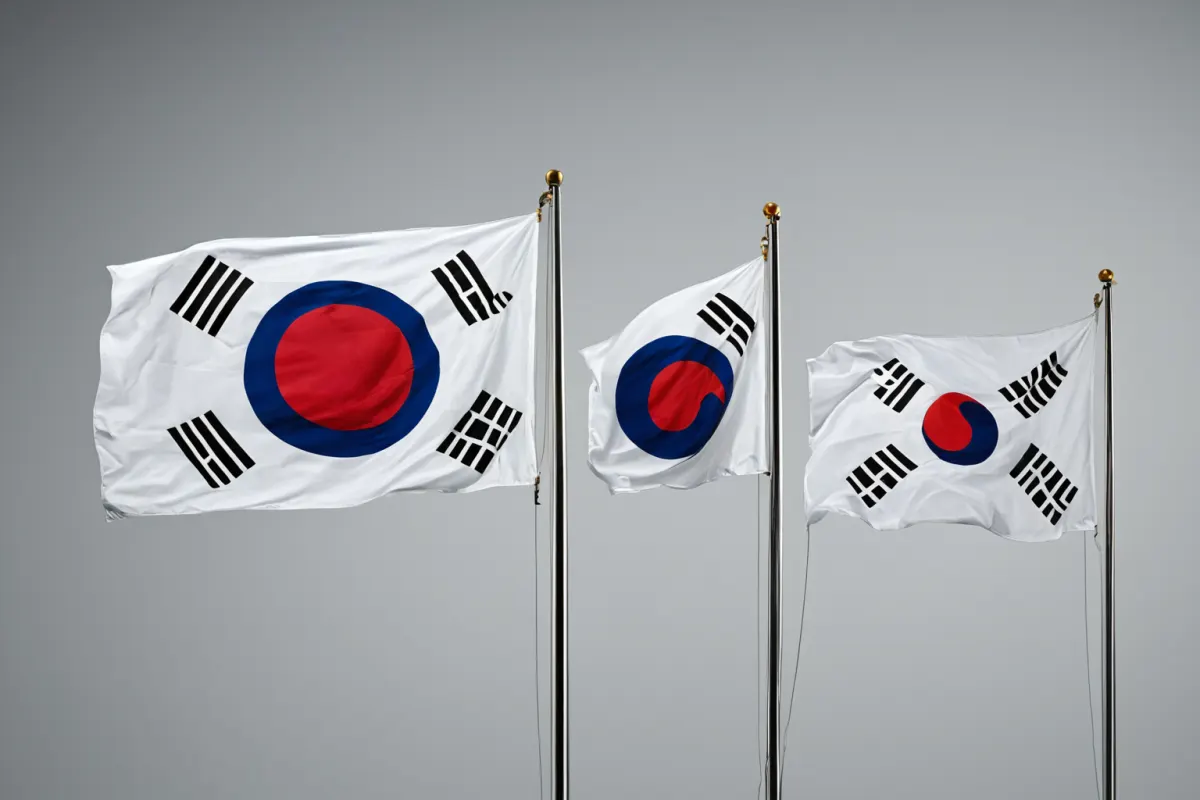
Official guidelines specify that the Taegukgi must be displayed according to standard specifications. An upside-down display is considered a violation of these standards, reflecting poor management of national symbols. Incheon's case demonstrated how failing to follow these guidelines can lead to unnecessary controversy.
Seocho District in Seoul correctly followed the 540cm x 360cm specification for its Taegukgi display, while Incheon failed to do so. This incident highlights a recurring issue across government agencies and businesses that requires better adherence to established protocols.
Incheon City's Response and Public Reaction
While Incheon City explained the situation as a perspective issue, many citizens felt this did not adequately address their concerns. Some criticized the city's administrative oversight and called for strict compliance with official Taegukgi guidelines.
PPP members from Incheon City Council urged the city to admit its mistake and communicate openly, with Councilor Choi Si-won emphasizing that 'acknowledging the error is better than offering an explanation.' This case illustrates how transparency and factual communication can prevent political disputes over minor administrative issues.
Taegukgi Display Information and Precautions
The Taegukgi, as South Korea's national symbol, must be displayed according to standard specifications. In this incident, Incheon City's explanation of a 'bottom-up perspective' failed to clarify the issue for citizens, leading to unnecessary political debate. Accurate information about proper display guidelines is essential.
An upside-down Taegukgi display violates official standards and reflects poor management of national symbols. Therefore, strict adherence to standard specifications is necessary to avoid similar misunderstandings in the future.
Key Facts to Verify
The claim that Incheon City displayed an upside-down Taegukgi on a National Liberation Day banner was incorrect. The city clarified it was simply a matter of perspective, and the banner was removed within two days. Councilor Kim Hee-chul initially made a hasty comment claiming 'even kindergarten children know how to display the Taegukgi,' later apologizing for his remarks before adding further comments about public anger over the issue.
The People Power Party criticized Incheon City's explanation as more absurd than the original claim, arguing that the city should have admitted its error rather than offering a confusing justification. This incident highlights how inaccurate communication about national symbol guidelines can escalate minor errors into significant political disputes.
Frequently Asked Questions
Why does an upside-down Taegukgi sometimes appear on banners?
Official guidelines clearly specify the correct way to display the flag, but some organizations fail to follow them, leading to errors. This is considered a management oversight involving national symbols.
How was Incheon City's Taegukgi controversy resolved?
Incheon City explained that the flag appeared upside-down due to viewing angle (bottom-up perspective) and removed the banner within two days. However, many citizens felt this explanation was insufficient, prompting calls for better communication.
What are the standard specifications for displaying a Taegukgi?
The Taegukgi should be displayed in a standard size of 540cm x 360cm. Seoul's Seocho District followed this specification correctly, while Incheon City did not.
Frequently Asked Questions
The controversy over an upside-down Taegukgi display highlights how poor management of national symbols can lead to unnecessary political debate. Incheon City's explanation of a 'bottom-up perspective' failed to clarify the situation, leading to public confusion and criticism.
This incident serves as a reminder that government agencies and businesses must strictly follow established guidelines for displaying national symbols like the Taegukgi. Proper adherence ensures respect for national heritage and prevents avoidable disputes.
You can find more articles on similar topics here.
View Related ArticlesFAQ
Why does an upside-down Taegukgi sometimes appear on banners?
Official guidelines specify correct display, but some organizations fail to follow them, causing errors.
How was Incheon City's Taegukgi controversy resolved?
Incheon explained it was a bottom-up perspective and removed the banner within two days, though many felt this was insufficient.
What are the standard specifications for displaying a Taegukgi?
The Taegukgi should be displayed in 540cm x 360cm standard size as per official guidelines.
Korean Source
This article is an English localization of a Korean-language report from BlogScore. Original: 인천시 태극기 거꾸로 설치 사례와 대응 방법