
Incheon Airport Neighbors Protest Homeless Eviction Policy

Incheon Airport Homeless Eviction Controversy
A recent order for the forced eviction of homeless individuals near Incheon International Airport has sparked immediate opposition from human rights groups and local residents. While airport authorities claim they are implementing voluntary evictions alongside support programs, human rights organizations argue that security concerns should not justify forced removals and call for fundamental solutions.
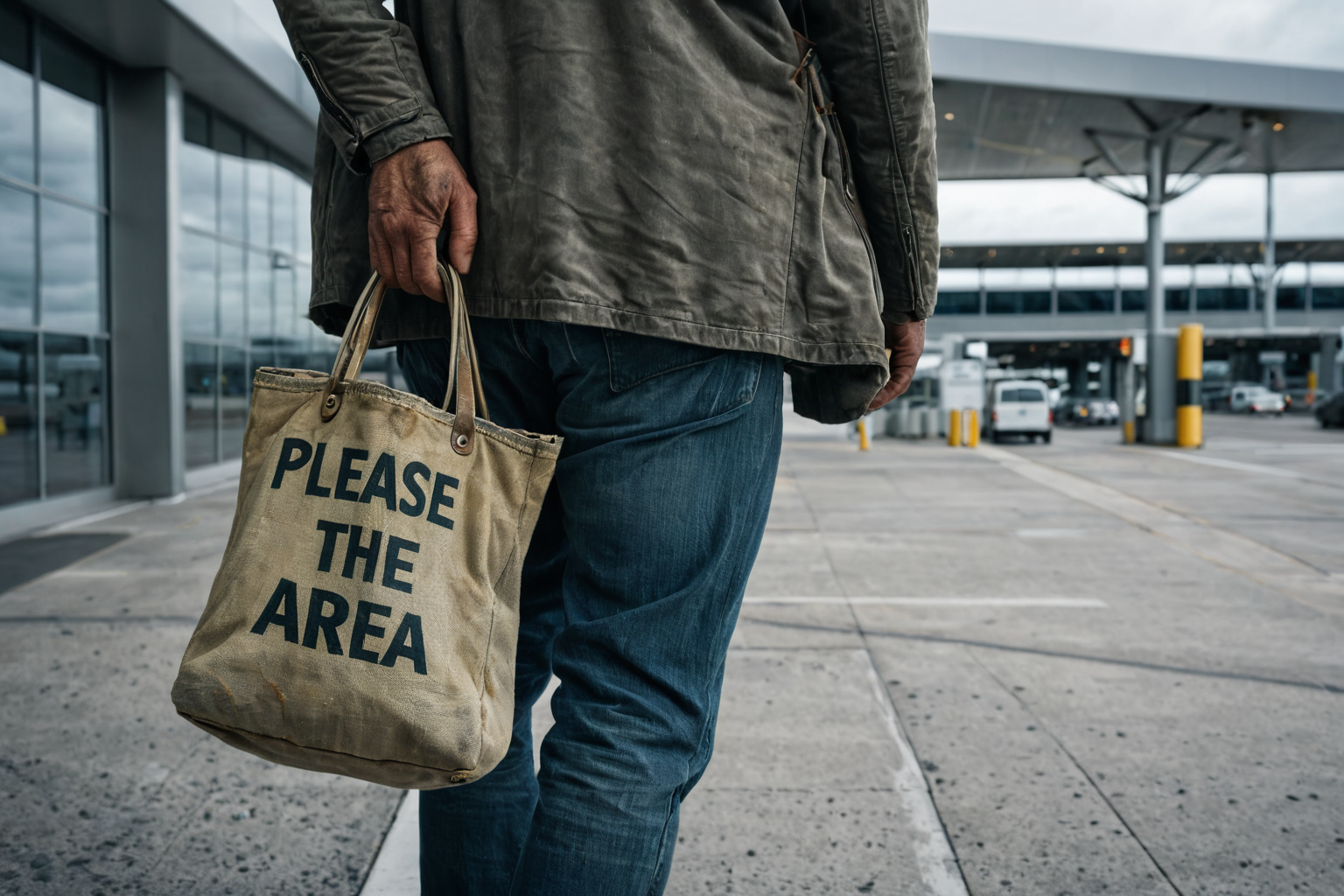
Key Facts: Conflict Between Airport Authorities and Human Rights Groups
Incheon Airport management issued an eviction order on August 10, citing safety concerns and first impressions as reasons for the move amid a heatwave that caused homeless individuals to gather near the airport. While authorities stated this is not a forced eviction but rather voluntary relocation with support services, human rights groups counter that welfare programs—not enforcement—are needed.
Homeless Action, a human rights organization, issued a statement on August 12 warning that the eviction measures could infringe on survival rights and called for responsible responses from public institutions. Some media reports suggested the eviction was prompted by issues such as odors and alcohol use affecting first impressions, aligning with airport management's stated rationale.
Incident Background: Heatwave and Homeless Concentration
On August 10, as a prolonged heatwave affected Incheon, homeless individuals began gathering near the airport. This occurred because many lacked access to safe shelters during extreme temperatures, leading them to settle around the airport area. Airport management reported that this situation caused safety concerns and negative first impressions for passengers, prompting the eviction order.
On August 12, human rights groups and residents issued a joint statement demanding alternative solutions from the airport authority. Homeless Action stated that forced evictions must be immediately halted to protect homeless individuals' right to survival. Some media outlets reported on the airport's voluntary relocation program, but this was seen as insufficient by activists, deepening the controversy.
On August 13, Culture Daily and Financial News covered the eviction order and human rights debate, noting that a balanced approach between safety concerns and human rights is necessary.
Cause Analysis: Heatwave and Homeless Living Conditions
The core issue behind the homeless situation near Incheon Airport stems from deteriorating living conditions due to heatwaves combined with insufficient welfare support. The heatwave, which began early in August, posed serious risks for homeless individuals, leading them to congregate around the airport. While airport management cited passenger safety and first impressions as reasons for the eviction, human rights groups argue this merely addresses surface-level symptoms without tackling underlying issues.
Internationally, some airports have chosen to provide support programs rather than forcibly evict homeless individuals. For example, Kansai Airport in Japan offers counseling and housing assistance to help homeless individuals return to stable living conditions. However, Incheon Airport appears to prioritize security concerns over such welfare approaches.
Human rights groups criticize the lack of government and local authority action, noting that airport management has focused on enforcement rather than addressing systemic issues. They argue that public institutions must take responsible measures to protect survival rights through support programs.
Response and Safety Information: Voluntary Evacuation and Support Programs
Incheon Airport management announced plans to provide voluntary relocation assistance alongside a self-sufficiency program aimed at helping homeless individuals move away from the airport area. However, human rights groups argue this approach is inadequate and that fundamental solutions—not enforcement—are needed.
According to August 13 reports, Incheon Airport provided some information about support programs to homeless individuals but stopped short of offering meaningful assistance. Some homeless individuals expressed they could not leave their current situation, citing survival concerns, further intensifying the conflict.
Jeong Il-young, a reporter for Incheon Ilbo, emphasized that public institutions must take responsible action to resolve the issue, stating that simply evicting homeless people is insufficient and that welfare policies and security management should be balanced.
Verified Information: Official Response and Program Details
To date, neither Incheon City nor central government has issued an official statement regarding the eviction policy. This lack of clarity contributes to ongoing disputes between human rights groups and airport authorities. Additionally, specific details about the self-sufficiency program's implementation timeline and scope remain unclear, requiring further information.
Human rights organizations stress that while airport management claims this is not a forced eviction, it still infringes on survival rights and must be halted immediately. The airport authority insists voluntary relocation with support will proceed, but the controversy continues as government action and detailed support plans become increasingly urgent.
Frequently Asked Questions
Is the Incheon Airport homeless eviction order mandatory?
Incheon Airport management states that the eviction is not forced but voluntary relocation with support services. However, human rights groups argue this could still infringe on survival rights.
What are the main causes of the homeless situation near Incheon Airport?
The primary causes include deteriorating living conditions due to heatwaves and insufficient welfare support. The heatwave caused homeless individuals to gather around the airport, leading to safety and first impression concerns that prompted the eviction order.
How are other countries addressing similar issues?
Some international airports have opted for support programs instead of forced evictions. For example, Kansai Airport in Japan provides counseling and housing assistance to help homeless individuals return to stable living conditions.
Frequently Asked Questions
The controversy surrounding Incheon Airport's homeless eviction policy highlights the tension between security concerns and human rights protection. While airport authorities emphasize voluntary relocation with support, human rights groups demand an immediate halt to forced removals and call for comprehensive welfare programs. This ongoing dispute underscores the need for urgent government action and detailed support plans. Protecting homeless individuals' survival rights requires moving beyond simple eviction measures toward sustainable solutions that involve collaboration between government bodies, local authorities, and human rights organizations.
Additional information can be found in official press releases or government announcements. As of now, no official statements from Incheon City or the central government have been issued, leaving the controversy unresolved.
You can view more articles on similar topics in one place.
View Related ArticlesFAQ
Is the Incheon Airport homeless eviction order mandatory?
Incheon Airport management states that the eviction is not forced but voluntary relocation with support services. However, human rights groups argue this could still infringe on survival rights.
What are the main causes of the homeless situation near Incheon Airport?
The primary causes include deteriorating living conditions due to heatwaves and insufficient welfare support. The heatwave caused homeless individuals to gather around the airport, leading to safety and first impression concerns that prompted the eviction order.
How are other countries addressing similar issues?
Some international airports have opted for support programs instead of forced evictions. For example, Kansai Airport in Japan provides counseling and housing assistance to help homeless individuals return to stable living conditions.
Korean Source
This article is an English localization of a Korean-language report from BlogScore. Original: 인천공항 인근 주민, 노숙인 퇴거 정책에 대한 현장 인터뷰