
Incheon Airport Residents Voice Concerns Over Homeless Eviction Policy in Survey Results
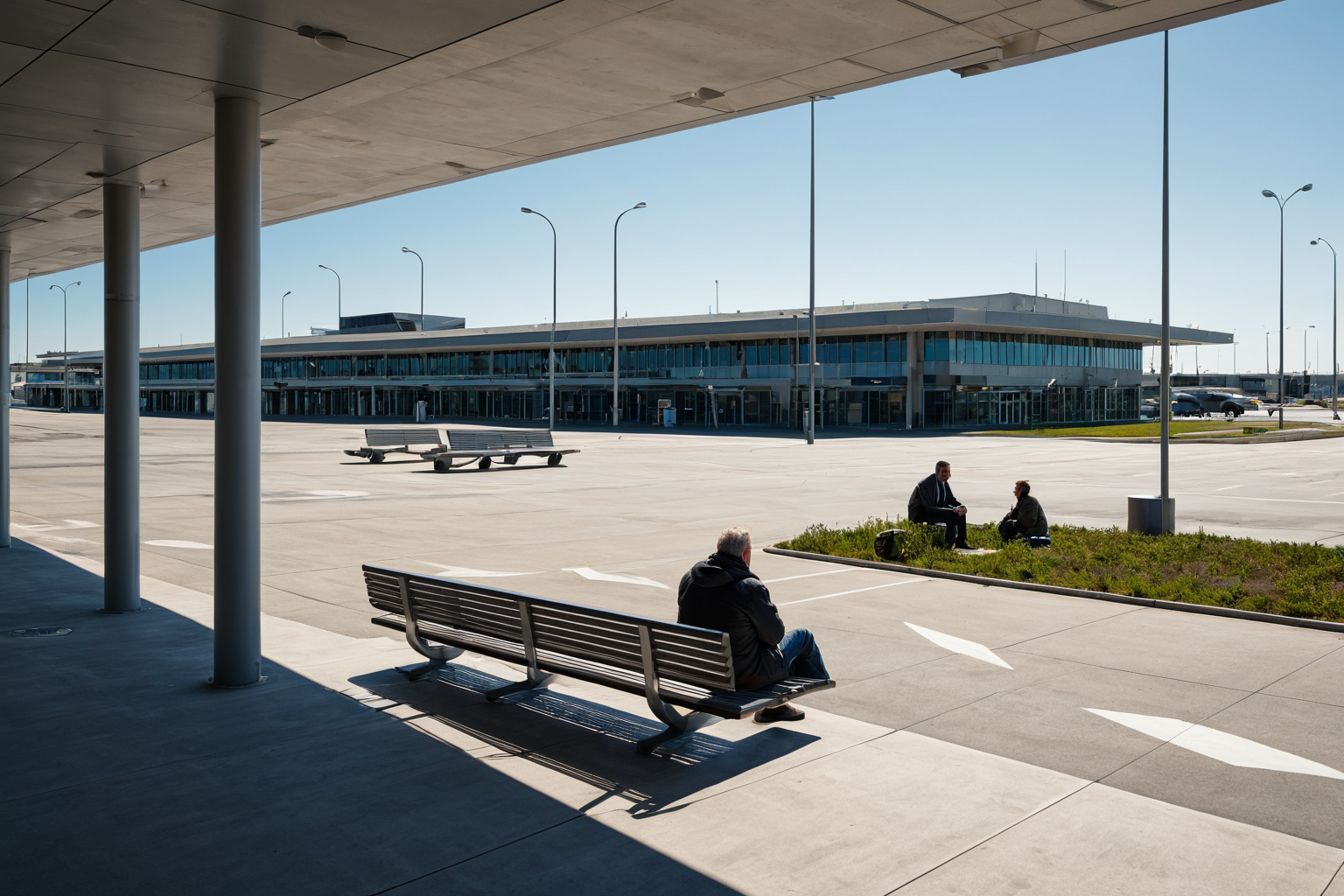
Incheon Airport Homeless Eviction Policy: Balancing Human Rights and Safety
The implementation of a homeless eviction policy around Incheon International Airport has sparked strong backlash from human rights and civic groups. While airport authorities cited 'voluntary relocation requests' and passenger safety, human rights organizations argue it constitutes forced displacement, violating the right to生存 (survival).
As homeless individuals gathered during the heatwave season, demands for alternative solutions intensified. Some homeless people claimed they were not causing harm, while critics accused media coverage of reinforcing negative stereotypes.
This survey examines residents' opinions based on a recent poll conducted around Incheon Airport, highlighting diverse perspectives on the policy.
Background of the Homeless Eviction Policy
The eviction policy has intensified opposition from human rights and civic groups. Airport authorities claim it is a 'voluntary relocation request' to ensure passenger safety, but human rights organizations are calling for an end to forced evictions and increased local welfare support.
On August 10, 2026, during a heatwave, airport officials reportedly issued a 'leave now' order as homeless individuals gathered. Human rights groups strongly protested, prompting the airport authority to announce a combined approach of passenger safety measures and self-sufficiency support on August 12.
On August 13, media outlets including Financial News and v.daum.net published reports titled 'Smell, Drinking, Ruining First Impressions of the Country,' which faced criticism for reinforcing negative stereotypes. Some homeless individuals defended themselves by stating they were not causing harm.
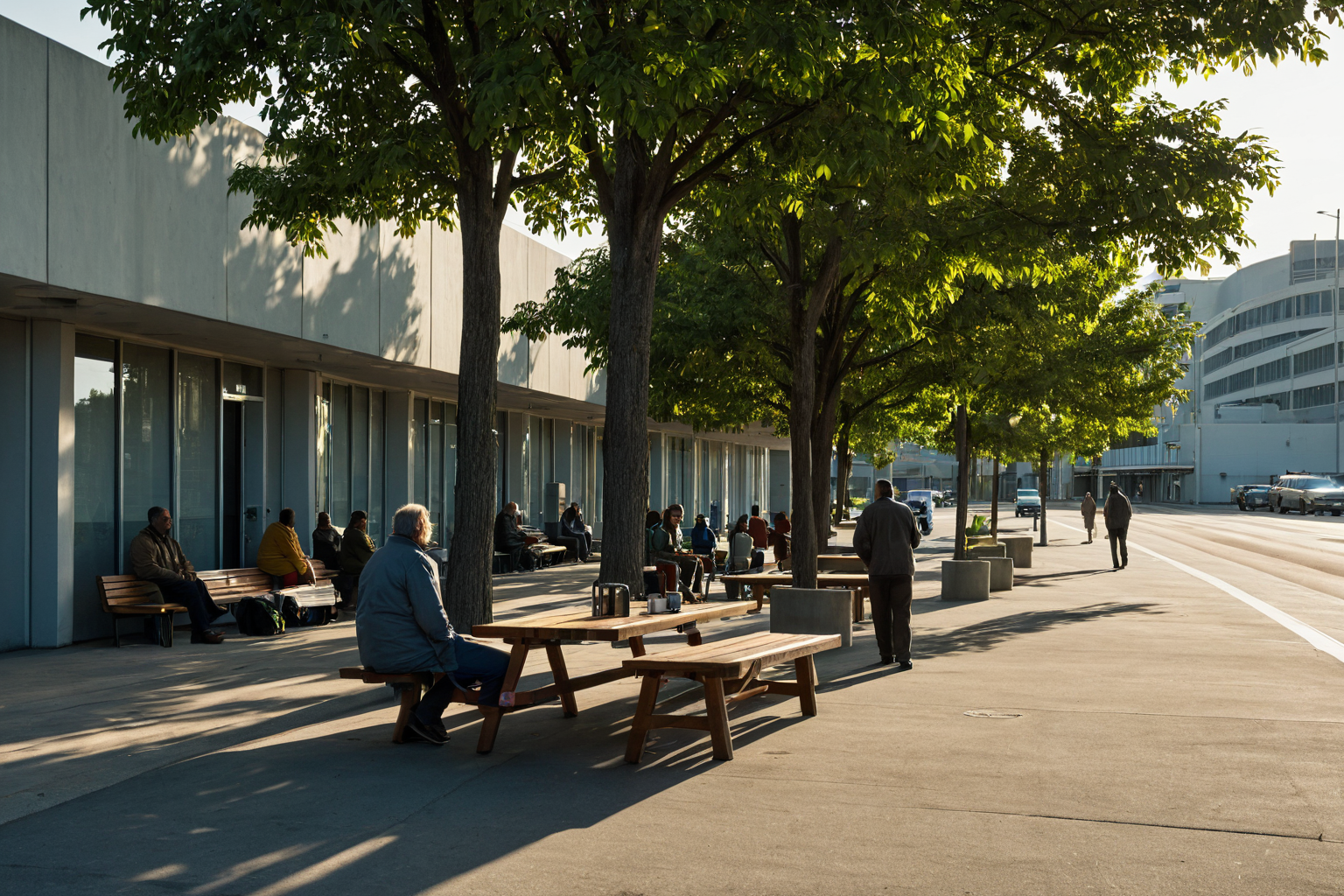
Diverging Views: Human Rights Groups vs. Airport Authorities
Airport authorities describe the policy as 'voluntary relocation,' but human rights groups view it as forced eviction, demanding an immediate halt. With more homeless individuals gathering during heatwave seasons, tensions have escalated.
Human rights organizations argue that this violates the right to survival and emphasizes the responsibility of public institutions. Some homeless individuals claimed they were not causing harm, with one interviewee stating, 'I was not causing any damage.'
During an August 19 interview with Kim, a targeted homeless individual, he stated, 'I was trying not to cause harm.' This reflects broader concerns about social inclusion among the homeless population.
Heatwave Season and Increased Eviction Measures
The heatwave season saw increased gatherings of homeless individuals near Incheon Airport, leading to stricter eviction measures. On August 10, 2026, a heatwave caused more people to gather, prompting airport officials to issue a 'leave now' order.
Human rights groups announced press conferences to push for alternative solutions. From August 10–12, media coverage highlighted opposition from human rights and civic organizations. On August 13, Financial News and v.daum.net published the controversial report titled 'Smell, Drinking, Ruining First Impressions of the Country.'
On August 12, airport authorities announced a combined strategy focusing on passenger safety and self-sufficiency support, seen as a partial response to human rights demands. However, human rights groups continue calling for an end to forced evictions and expanded local welfare programs.
Media Coverage and Negative Stereotypes
Reports about homeless individuals at Incheon Airport have been criticized for reinforcing voyeuristic prejudice. Some media outlets criticized the 'unconsidered eviction' and called for alternative solutions.
The August 13 report by Financial News and v.daum.net, titled 'Smell, Drinking, Ruining First Impressions of the Country,' faced backlash for promoting negative stereotypes about homeless individuals. The coverage focused narrowly on certain behaviors, potentially fueling social discrimination.
Human rights groups argue such media portrayals reinforce prejudice and justify social exclusion. Some homeless individuals denied causing harm, presenting a contrasting perspective to the media narrative.
Response & Safety Information: Direction of Welfare Support Around Incheon Airport
In response to concerns, Incheon Airport announced a combined strategy of passenger safety measures and self-sufficiency support. This aims to help homeless individuals integrate into society, reflecting an intention to provide assistance.
Human rights groups advocate for expanded local welfare programs, arguing that the policy should shift from mere eviction toward comprehensive welfare support. This would ensure homeless individuals' right to survival.
In an August 19 interview with Kim, a targeted individual, he stated, 'I was not causing any damage.' His comments reflect broader social concerns among homeless populations and underscore the need for welfare support.
Key Information: Transparency and Fairness of Policy
The controversy surrounding Incheon Airport's homeless eviction policy has evolved into a debate over balancing human rights and public safety. As more homeless individuals gathered during the heatwave, human rights groups argued that this constitutes a violation of survival rights and called for alternative solutions.
Airport authorities claim it is 'voluntary relocation,' but human rights organizations view it as forced eviction, demanding an immediate halt. This has sparked discussions about policy transparency and fairness.
According to confirmed data, 24 complaints related to homeless individuals near Incheon Airport were reported. These complaints reportedly influenced the eviction policy, with human rights groups urging improvements in how such cases are handled.
Frequently Asked Questions
Is the Incheon Airport homeless eviction policy enforced forcibly?
Incheon Airport authorities state it is a 'voluntary relocation request,' but human rights organizations view it as forced eviction and demand an immediate halt.
Why do homeless individuals gather near Incheon Airport during heatwaves?
The gathering of homeless individuals during heatwave seasons has intensified eviction measures. This occurs due to deteriorating living conditions caused by rising temperatures.
What alternatives are human rights groups proposing?
Human rights groups call for an end to forced evictions and expanded local welfare support, arguing that the policy should shift toward comprehensive welfare assistance.
Frequently Asked Questions
The controversy over Incheon Airport's homeless eviction policy has highlighted a balance between human rights and public safety. As more homeless individuals gathered during heatwaves, human rights groups argued it violates survival rights and called for alternative solutions.
Airport authorities announced a combined strategy of passenger safety and self-sufficiency support, but human rights groups continue demanding greater transparency and fairness in policy implementation. This reflects broader challenges in addressing social exclusion and welfare support.
Criticism that media coverage has reinforced negative stereotypes about homeless individuals underscores the need for reconsideration in both policy-making and reporting practices. Understanding and supporting vulnerable populations requires a comprehensive approach.
Incheon Airport's eviction policy should move beyond forced removals toward helping homeless individuals integrate into society. This aligns with public institution responsibilities and contributes to building stronger social safety nets.
Explore more articles on similar topics in one place.
View Related ArticlesFAQ
Is the Incheon Airport homeless eviction policy enforced forcibly?
Incheon Airport authorities state it is a 'voluntary relocation request,' but human rights organizations view it as forced eviction and demand an immediate halt.
Why do homeless individuals gather near Incheon Airport during heatwaves?
The gathering of homeless individuals during heatwave seasons has intensified eviction measures. This occurs due to deteriorating living conditions caused by rising temperatures.
What alternatives are human rights groups proposing?
Human rights groups call for an end to forced evictions and expanded local welfare support, arguing that the policy should shift toward comprehensive welfare assistance.
Korean Source
This article is an English localization of a Korean-language report from BlogScore. Original: 인천공항 주민들, 노숙인 퇴거 정책에 대한 설문 조사 결과