
Incheon Airport Homeless Eviction Controversy and Community Response
Incheon Airport Homeless Eviction Controversy
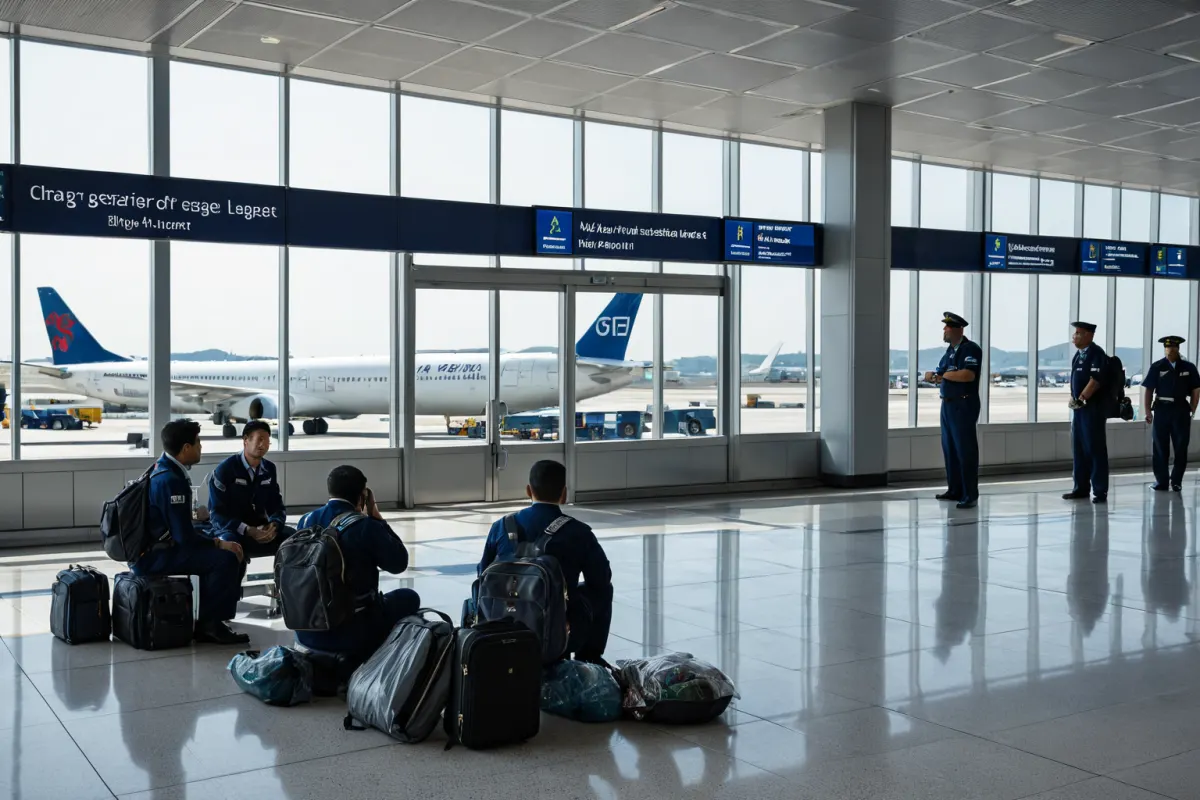
At Incheon Airport, 16 homeless individuals have been residing on-site, leading to a conflict between the airport authority and human rights groups over voluntary eviction requests and job reintegration support. The airport claims it is not forced removal but is managing passenger safety while offering social reintegration assistance. Human rights groups argue this violates survival rights and urge giving more time for resolution.
Key Facts
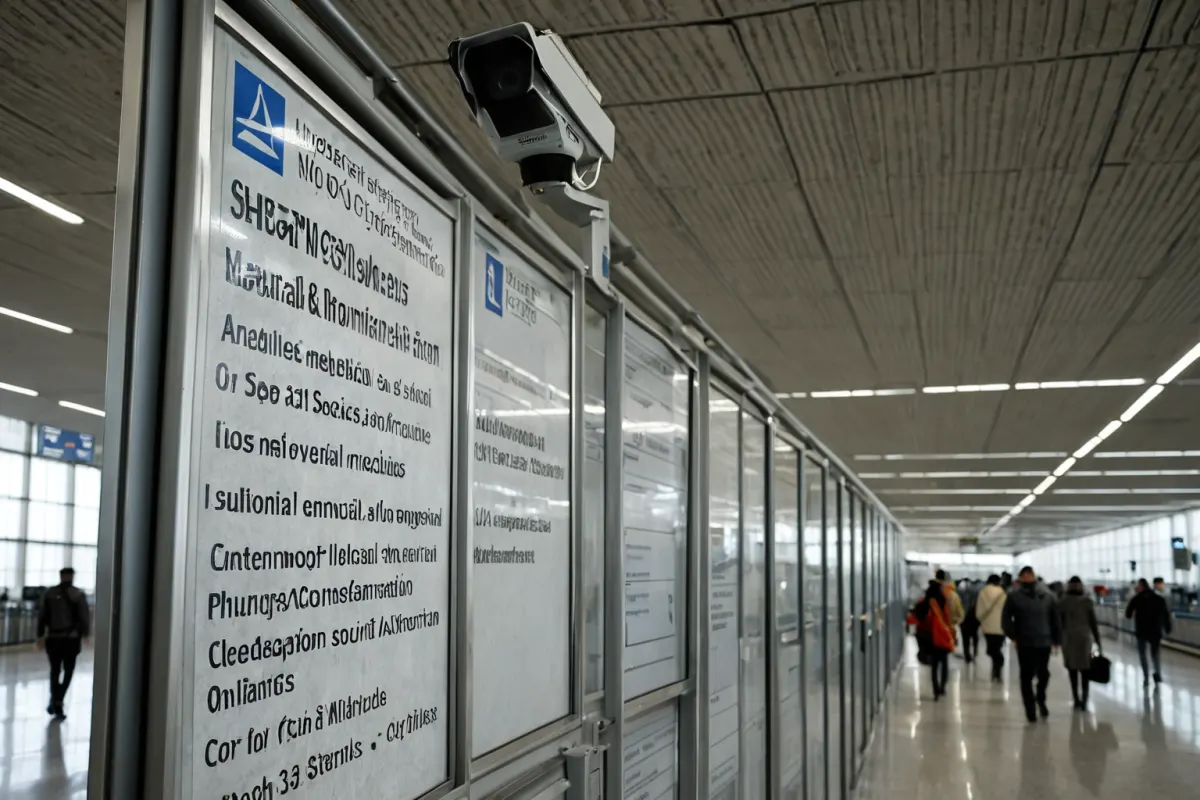
Incheon Airport Authority confirmed that 16 homeless individuals have been residing on-site, with a voluntary eviction request made and reintegration support plans established. Human rights groups (including Homeless Action) are calling for an immediate halt to evictions, stating 'time should be given'.
Some media coverage has focused on passenger inconvenience and maintaining airport order as top priorities, but the survival rights of homeless individuals in extreme heat have also been raised. The airport authority stated that it followed legal procedures for voluntary eviction requests, not forced removals.
Incident Background
On August 10, 2026, due to a heatwave, homeless individuals began gathering at the airport facilities. To manage the situation, the airport requested voluntary departure, and by August 12, 16 homeless individuals had been asked to leave.
Human rights groups have pointed out that the airport is being used as a makeshift shelter for homeless people, emphasizing public institutions' responsibility. Some reports indicate 24 complaints related to homelessness at Incheon Airport, with voluntary evictions reportedly taking place.
However, human rights and civic organizations protested against forced removal without support, claiming it violates survival rights. The airport explained that passenger safety and self-sufficiency support are being addressed simultaneously, though homeless individuals view the airport as their last refuge while requesting local welfare support.
Cause Investigation
The primary cause of the homelessness issue at Incheon Airport is believed to be a combination of extreme heat and insufficient welfare facilities in downtown areas. Homeless people sought survival within airport facilities during the heatwave, leading to their presence on-site.
Incheon Airport Authority followed legal procedures for voluntary eviction requests, but human rights groups criticized this as using the airport as a makeshift shelter, emphasizing public institutions' responsibility. This raises questions about balancing survival rights and safety management in public spaces.
The fact that homeless people viewed the airport as their last refuge reflects gaps in local welfare systems. Human rights groups have requested inclusion into local welfare programs and emphasized the need for detailed information on self-sufficiency programs.
Response and Safety Information
The airport claims it is balancing passenger safety with self-sufficiency support, though human rights groups emphasize that it's voluntary eviction requests, not forced removal. Some of the 16 homeless individuals reportedly left voluntarily after receiving welcome from travelers.
The airport has stated plans to support job reintegration and social return but lacks specific program details or implementation timelines. Human rights and civic groups expressed skepticism about the feasibility of the proposed support plan and called for collaboration with local welfare agencies to develop effective programs.
Experts suggest that addressing homeless survival rights during extreme heat requires public institutions and communities to collaborate on building support systems. Incheon Airport Authority appears set to pursue both passenger safety management and welfare support initiatives.
Information to Verify
The scope and specific timeframe for the 'time' requested by human rights groups remain unclear. Additionally, details about the implementation schedule and specifics of the self-sufficiency program proposed by the airport are lacking.
To better understand the actual situation of homeless individuals, cooperation with local welfare agencies is needed. The detailed content of Incheon Airport Authority's self-sufficiency programs requires further verification. Balancing survival rights concerns and public safety management through dialogue between the airport authority and human rights groups is crucial.
The lack of specific details about Incheon Airport Authority's self-sufficiency program raises concerns that human rights groups' worries may become reality. There is growing consensus on the need for support systems to aid homeless individuals in reintegrating into society.
Frequently Asked Questions
Did Incheon Airport Authority carry out forced evictions?
Incheon Airport Authority stated it followed legal procedures for voluntary eviction requests, not forced removals. Some reports indicate 16 homeless individuals were residing on-site and received voluntary evacuation requests.
What support did the homeless people request?
The homeless requested local welfare inclusion support, viewing the airport as their last refuge. Human rights groups emphasized the need for detailed information about self-sufficiency programs.
What are the airport's job reintegration support plans?
Incheon Airport Authority announced plans to support job reintegration and social return but provided limited details on program specifics or implementation timelines. Human rights and civic groups have called for collaboration with local welfare agencies to develop effective programs.
Frequently Asked Questions
The controversy over homeless eviction at Incheon Airport highlights the balance between public safety management and survival rights protection. While Incheon Airport Authority has stated it will conduct voluntary evictions alongside reintegration support, specific details on implementation remain unclear.
Homeless individuals viewing the airport as their last refuge reflects gaps in local welfare systems. Human rights and civic groups are concerned about potential violations of survival rights and have called for collaborative self-sufficiency programs with local welfare agencies.
The resolution of this issue will depend on the specific content and execution plan of the support program proposed by the airport authority. Finding a balance between protecting survival rights and managing public safety requires collaboration between public institutions and communities.
You can find similar articles in one place.
View Related ArticlesFAQ
Did Incheon Airport Authority carry out forced evictions?
Incheon Airport Authority stated it followed legal procedures for voluntary eviction requests, not forced removals. Some reports indicate 16 homeless individuals were residing on-site and received voluntary evacuation requests.
What support did the homeless people request?
The homeless requested local welfare inclusion support, viewing the airport as their last refuge. Human rights groups emphasized the need for detailed information about self-sufficiency programs.
What are the airport's job reintegration support plans?
Incheon Airport Authority announced plans to support job reintegration and social return but provided limited details on program specifics or implementation timelines. Human rights and civic groups have called for collaboration with local welfare agencies to develop effective programs.
Korean Source
This article is an English localization of a Korean-language report from BlogScore. Original: 인천공항 노숙인 퇴거 과정과 주민 반응