
The Importance of Water Resource Management Amid Drought: A Case Study from Gyeongnam
The Urgency of Water Resource Management During Droughts
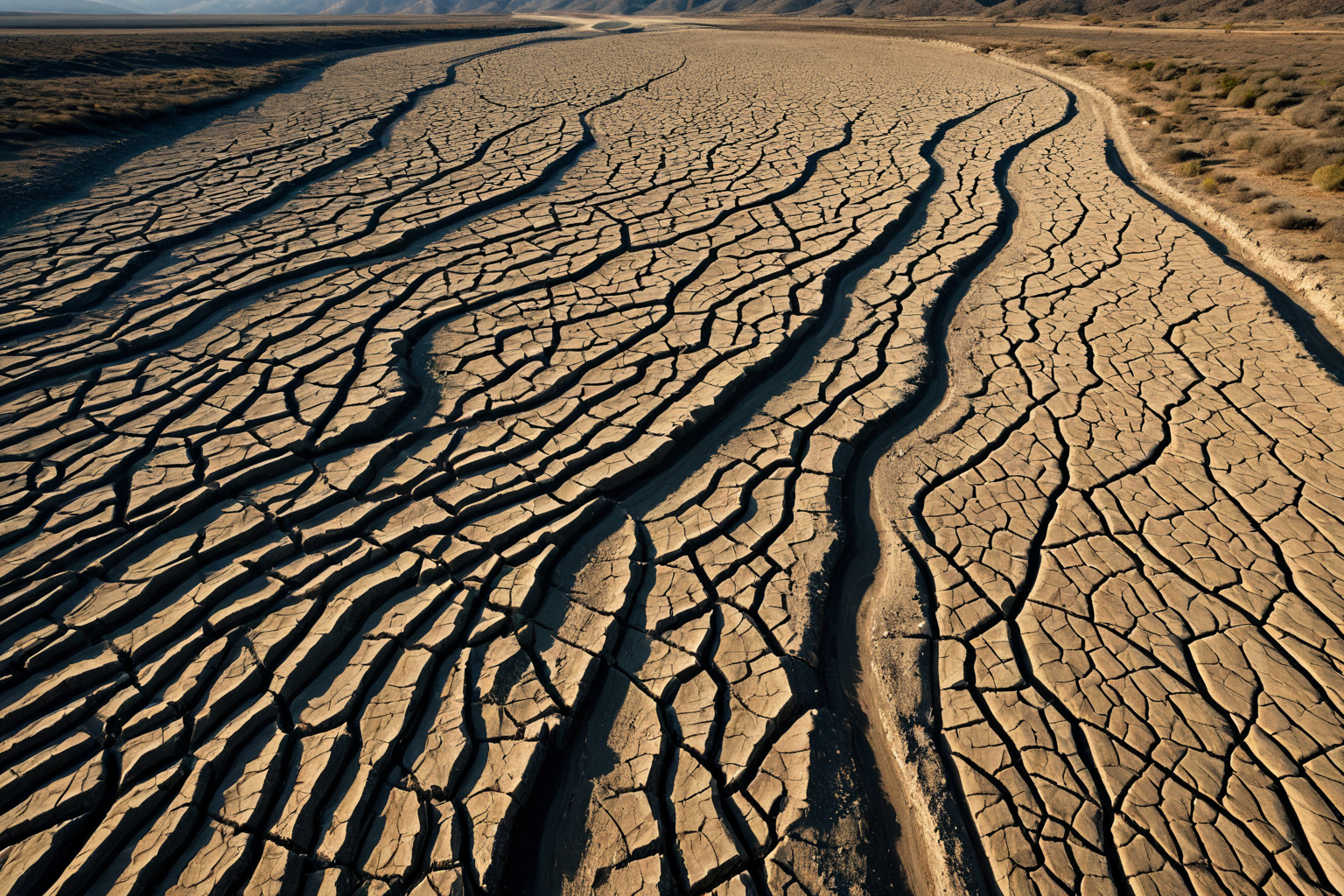
The Gyeongnam region is currently experiencing extreme drought, highlighting the critical need for effective water management strategies. With the worst drought conditions persisting in southern regions, the government and local authorities have deployed 200 fire trucks and 400 personnel to ensure water supply. Notably, Milyang Dam has entered drought status among 34 major dams nationwide, with agricultural losses reaching 2,400 hectares. This reflects a worsening shortage of water resources in the Nakdong River basin, accelerating water scarcity particularly in Gyeongnam's agriculture-focused areas.
Government Response Strategies
Yoon Seok-dae, CEO of Korea Water Resources Corporation, visited Milyang Dam to emphasize stable water supply across the Nakdong River basin. This visit underscores the growing urgency of water resource management as droughts become more frequent. During his inspection, Yoon assessed declining reservoir levels and response systems while reviewing water supply plans for key agricultural and urban areas within the basin. Additionally, the National Water Management Committee has launched a civilian advisory panel to strengthen integrated water governance. The committee includes various experts and civic groups to develop comprehensive strategies addressing climate change.
Climate-Resilient Dam Construction Plans and Controversy
A plan to construct 14 climate-resilient dams has been announced, but environmental groups are opposing it under the guise of civil engineering projects. While this policy aims to address climate change, it has sparked conflicts regarding environmental conservation. The government recently resumed multi-purpose dam construction after a 14-year hiatus, though controversy continues. Environmental organizations warn that dam construction could disrupt river ecosystems and advocate for non-structural solutions like improving water management efficiency instead. As such, further review of the construction plan may be necessary.
Agricultural Damage Scale and Response
With Milyang Dam entering drought status, agricultural damage has expanded to 2,400 hectares. Agriculture in Gyeongnam is severely impacted by water shortages, particularly affecting staple crops like rice. The government has raised the need for a compensation system supporting efficient agricultural water use and environmental conservation efforts. Additionally, Korea Water Resources Corporation is sharing AI-based management expertise with U.S. universities as part of international cooperation—a reflection of the global approach required in climate change times.
Comprehensive Approach to Climate Change Response
The Korea Meteorological Administration reports a 93% accuracy rate for drought forecasts, yet actual conditions are often reported as 'normal,' causing issues. This highlights the need to improve forecasting systems. Furthermore, there is growing demand for river and reservoir dredging projects as part of comprehensive climate change strategies. The meteorological agency is currently enhancing data collection and analysis methods to improve forecast accuracy, aiming to predict future drought situations more precisely.
Directions for Improving Water Resource Management
The government and local authorities have deployed 200 fire trucks and 400 personnel to secure water supply, with CEO Yoon Seok-dae focusing on Nakdong River basin management through on-site inspections. Alongside climate-resilient dam construction plans, policies promoting efficient agricultural water use are also underway. However, ongoing opposition from environmental groups means future progress will be closely watched. Particularly important is gathering public opinion regarding the local community's input into climate-resilient dam construction to foster social consensus.
International Cooperation in Drought Response
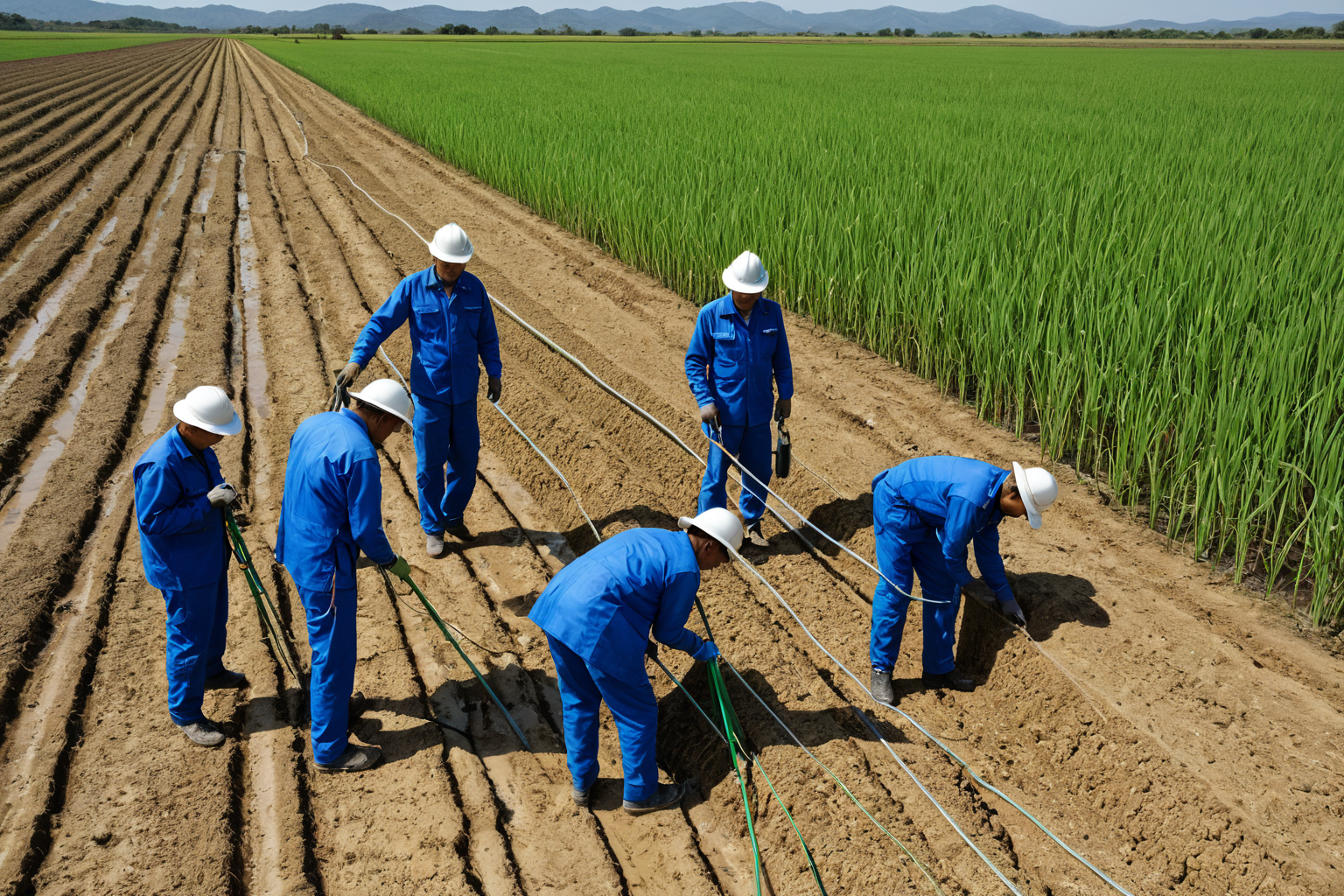
Korea Water Resources Corporation is sharing AI-based water management expertise with U.S. universities as part of international cooperation—a reflection of the global approach required in climate change times. If a compensation system for efficient agricultural water use and environmental conservation activities is established, collaboration between local residents and farmers could strengthen further. Additionally, this cooperation can contribute to forming a global network addressing climate change.
Comprehensive Water Management for Climate Crisis Response
The National Water Management Committee has strengthened integrated water governance through the launch of a civilian advisory panel. While the plan to construct 14 climate-resilient dams aims to address climate change, ongoing debates regarding environmental conservation continue. The government is developing strategies based on on-site inspections at Milyang Dam to ensure stable water supply in the Nakdong River basin and minimize agricultural losses. Particularly important is incorporating local community and environmental group input into the climate-resilient dam construction plan.
Drought Forecast Accuracy Issues and Improvement Directions
The Korea Meteorological Administration reports a 93% accuracy rate for drought forecasts, yet actual drought conditions are often reported as 'normal,' causing problems. This indicates that improvements to forecasting systems are necessary. The meteorological agency is currently refining data collection and analysis methods to increase forecast accuracy, with plans to develop tailored forecasting systems based on regional characteristics.
Future Management Strategies
The government plans long-term strategies for water resource management through the construction of 14 climate-resilient dams. However, due to environmental group opposition, further controversy is expected during implementation. To minimize agricultural damage, policies promoting efficient agricultural water use and introducing a compensation system are necessary, alongside urgent improvements to drought forecasting systems by the Korea Meteorological Administration. Additionally, fostering social consensus through communication with local communities and environmental organizations is crucial.
Frequently Asked Questions
What are the water management strategies in response to extreme drought in Gyeongnam?
The government has deployed 200 fire trucks and 400 personnel to secure water supply, with Yoon Seok-dae of Korea Water Resources Corporation emphasizing stable water supply across the Nakdong River basin during his on-site visit at Milyang Dam.
What does the climate-resilient dam construction plan entail?
The government announced a plan to construct 14 climate-resilient dams, marking the first multi-purpose dam construction in 14 years. Environmental groups are opposing it under the guise of civil engineering projects.
How severe is the agricultural damage?
Agricultural damage has reached 2,400 hectares due to Milyang Dam entering drought status, severely impacting agriculture in Gyeongnam region, particularly staple crops like rice.
FAQ
What are the water management strategies in response to extreme drought in Gyeongnam?
The government has deployed 200 fire trucks and 400 personnel to secure water supply, with Yoon Seok-dae of Korea Water Resources Corporation emphasizing stable water supply across the Nakdong River basin during his on-site visit at Milyang Dam.
What does the climate-resilient dam construction plan entail?
The government announced a plan to construct 14 climate-resilient dams, marking the first multi-purpose dam construction in 14 years. Environmental groups are opposing it under the guise of civil engineering projects.
How severe is the agricultural damage?
Agricultural damage has reached 2,400 hectares due to Milyang Dam entering drought status, severely impacting agriculture in Gyeongnam region, particularly staple crops like rice.
Korean Source
This article is an English localization of a Korean-language report from BlogScore. Original: 가뭄으로 인한 수자원 관리의 중요성, 경남 사례로 알아보기