
The Impact of the Resumption of Maritime Traffic Through the Strait of Hormuz on Energy Transport Routes
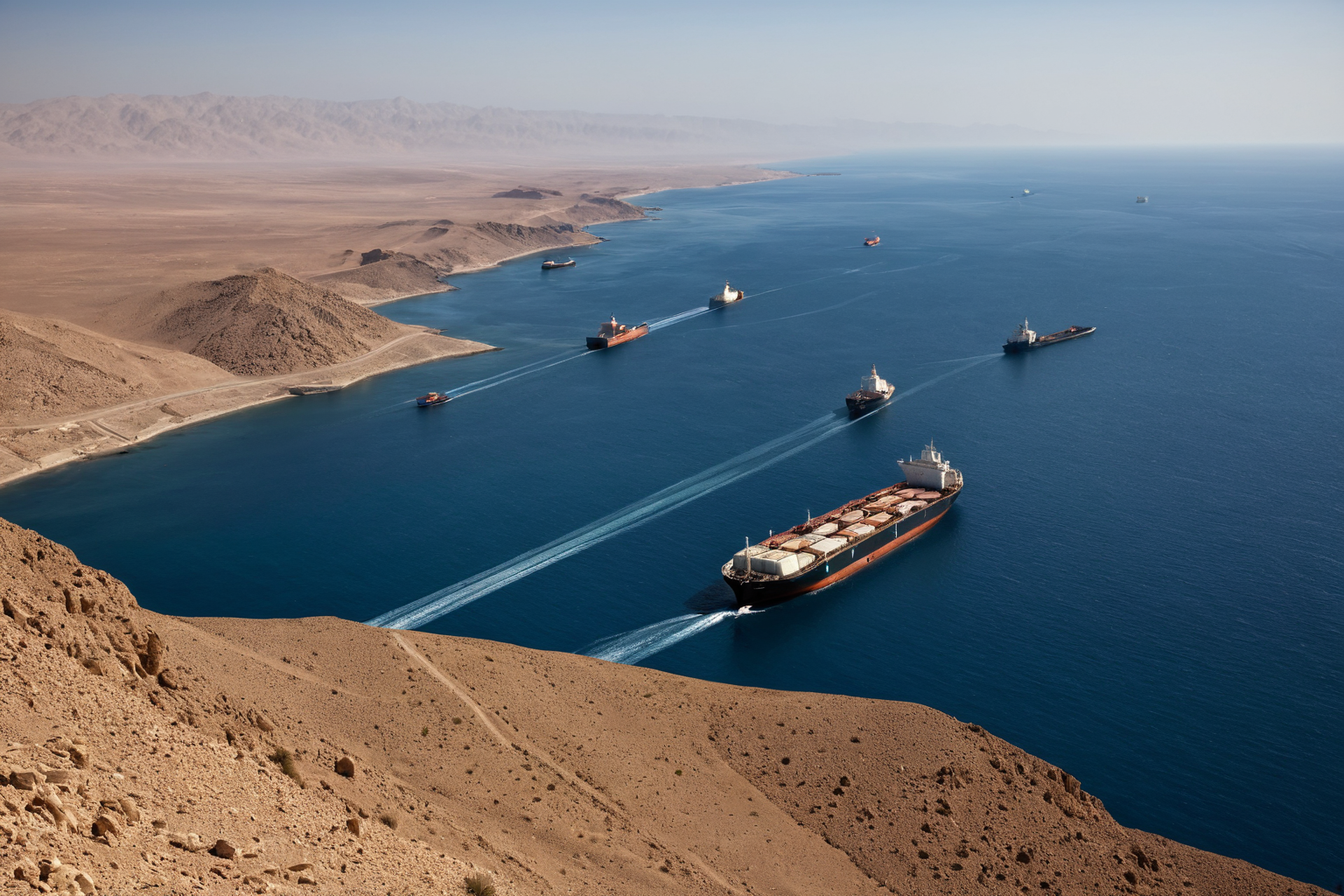
The Blockade of the Strait of Hormuz and International Oil Price Fluctuations
The shift in energy transport routes due to the blockade of the Strait of Hormuz is increasingly affecting global markets. Complex factors, including disputes over passage fees between Iran and Oman, and a conditional ceasefire agreement between the U.S. and Iran, are driving significant changes in international oil prices and supply chain restructuring.
Current Passage Situation and Economic Impact at the Strait of Hormuz
The Strait of Hormuz is a critical shipping route for approximately 30% of global oil shipments. Due to recent blockades, daily vessel traffic has plummeted from an average of 130 ships to just five per day. As a result, international oil prices have risen by $1 compared to pre-war levels, with Brent crude reaching $78 per barrel, causing significant fluctuations in the energy market.
The supply chain disruption caused by the blockade has led to rising fertilizer and feed costs, putting pressure on food prices at the consumer level. Particularly, prolonged instability in the Middle East is accelerating the restructuring of global logistics networks.
Timeline and Key Events of the Strait of Hormuz Blockade
The blockade has lasted over 40 days, with forecasts suggesting it could take a minimum of six months to fully normalize passage. Iran asserts that passage fees should be paid as a 'service charge,' while Oman argues the strait is a natural waterway and refuses to impose such fees.
A conditional ceasefire agreement between the U.S. and Iran has raised the possibility of renewed maritime traffic, though no specific timeline has been confirmed. Following the announcement on April 8, 2026, Japanese tankers passing through have been seen as a signal of potential resumption of sea transport.
Resumption of Strait Traffic and International Responses
The resumption of traffic through the Strait of Hormuz was discussed during U.S.-China summits, though its feasibility remains uncertain. Iran has reportedly instructed Houthi armed forces to prepare for attacks on Red Sea vessels, heightening tensions in the shipping industry.
According to a report by the International Energy Agency (IEA), the conflict at the Strait of Hormuz has pushed global LNG supply chains into a state of extreme tension, reflecting broader instability in the energy sector. Industry executives are betting that oil prices could reach $200 per barrel by November.
Supply Chain Restructuring Due to the Strait of Hormuz Blockade
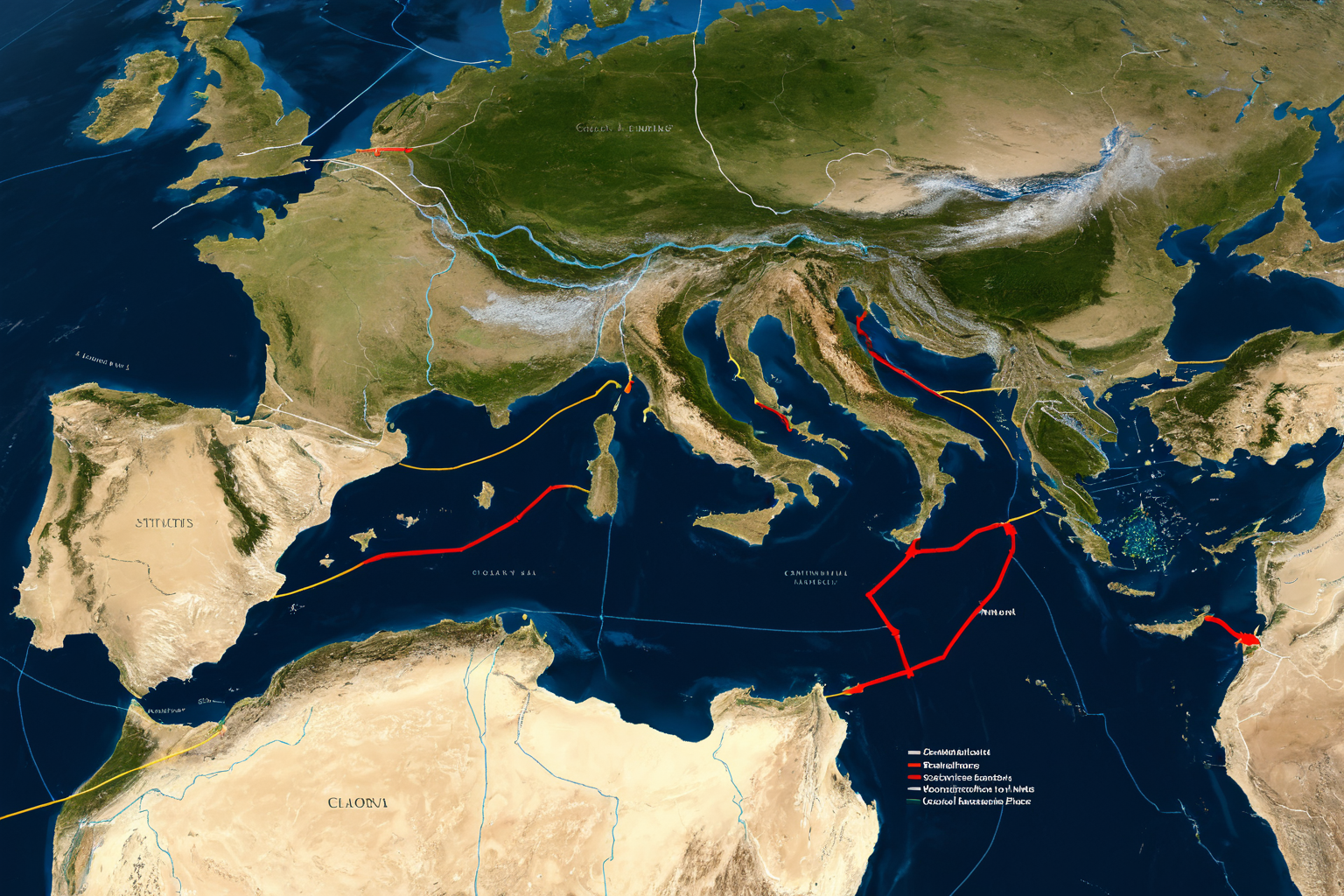
The blockade has accelerated instability in the Middle East, driving supply chain restructuring. The IMEC (Middle East Logistics Network) is emerging as a key player, strengthening the economic role of the region.
Following attacks on tankers due to the blockade, vessel traffic was temporarily halted but began showing signs of recovery after April 15, 2026, with around 20 cargo ships passing through within 24 hours.
Improvement in U.S.-Iran Relations and Conditional Ceasefire Agreement
The conditional ceasefire agreement between the U.S. and Iran has opened the possibility of resuming traffic through the Strait of Hormuz, though nuclear negotiations are expected to be delayed. On June 19, 2026, a partial resumption of passage was reported following the implementation of a U.S.-Iran MOU on ending hostilities, signaling recovery in logistics.
The resurgence of international oil prices by over 9% due to renewed U.S. maritime blockade against Iran highlights the direct economic impact of Middle Eastern instability on global markets.
Long-Term Impacts of the Strait of Hormuz Blockade
With a forecast that normalization after a 40-day blockade will take at least six months, the situation underscores the volatility in supply chains and the international energy market. The dispute over passage fees between Iran and Oman requires long-term negotiations, presenting new challenges to economic stability in the region.
The fluctuations in oil prices and restructuring of global supply chains due to the blockade are intensifying uncertainty in the global economy. Energy industry executives anticipate that oil prices could reach $200 per barrel by November, making future market trends a key focus for investors and policymakers alike.
Key Information to Verify
The exact conditions regarding passage fees, Iran's directives to Houthi armed forces, and specific terms of the U.S.-Iran conditional ceasefire agreement remain unconfirmed. Additional information is needed as the volatility in global energy markets is expected to continue.
Frequently Asked Questions
How much has oil prices risen due to the Strait of Hormuz blockade?
International oil prices have increased by $1 compared to pre-war levels, with Brent crude reaching $78 per barrel.
Who is responsible for paying passage fees at the Strait of Hormuz?
Iran claims that passage fees should be paid as a 'service charge,' while Oman refuses to impose such fees, arguing the strait is a natural waterway.
What impact has the blockade had on supply chain restructuring in the Middle East?
The IMEC logistics network is rising in prominence, strengthening the economic role of the region. This development is accelerating the restructuring of supply chains within the Middle East.
Frequently Asked Questions
While the Strait of Hormuz blockade has driven significant changes in oil prices and global supply chains, ongoing geopolitical tensions—such as Iran's disputes with Oman over passage fees and the conditional U.S.-Iran ceasefire agreement—are contributing to continued uncertainty in energy markets. These factors suggest that the economic impact will extend beyond short-term price fluctuations into long-term restructuring of global logistics networks.
The blockade has not only caused immediate price volatility but also accelerated a shift toward alternative supply chains, particularly within the Middle East. The region's growing role as an economic hub is expected to intensify as instability in the area continues to influence global markets. As such, monitoring developments around Strait of Hormuz passage and its associated conditions will remain critical for understanding future market trends.
You can explore more articles on similar topics in one place.
View Related ArticlesFAQ
How much has oil prices risen due to the Strait of Hormuz blockade?
International oil prices have increased by $1 compared to pre-war levels, with Brent crude reaching $78 per barrel.
Who is responsible for paying passage fees at the Strait of Hormuz?
Iran claims that passage fees should be paid as a 'service charge,' while Oman refuses to impose such fees, arguing the strait is a natural waterway.
What impact has the blockade had on supply chain restructuring in the Middle East?
The IMEC logistics network is rising in prominence, strengthening the economic role of the region. This development is accelerating the restructuring of supply chains within the Middle East.
Korean Source
This article is an English localization of a Korean-language report from BlogScore. Original: 호르무즈 해양 통항 재개로 인한 에너지 수송 경로 변화