
The Impact of Japan's Defense White Paper on South Korea: Public Opinion and Analysis
Historical Context of Japan's Defense White Paper Claim on Dokdo
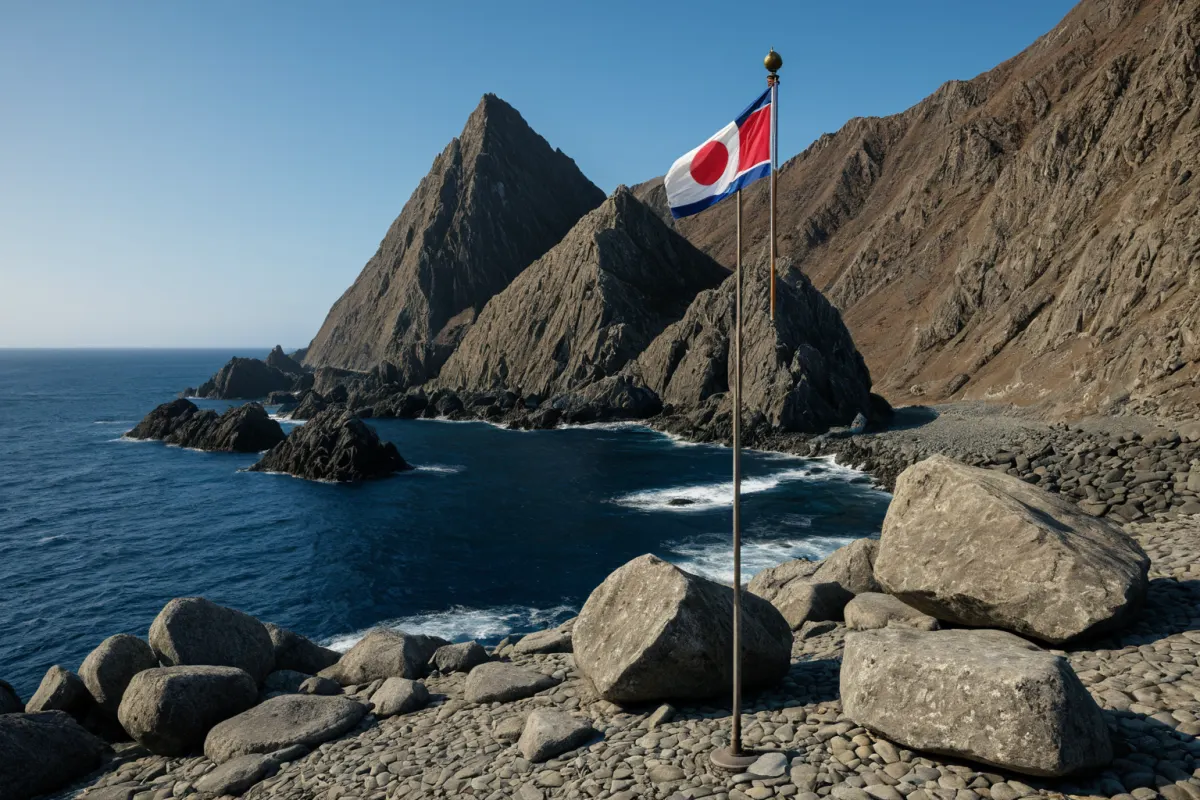
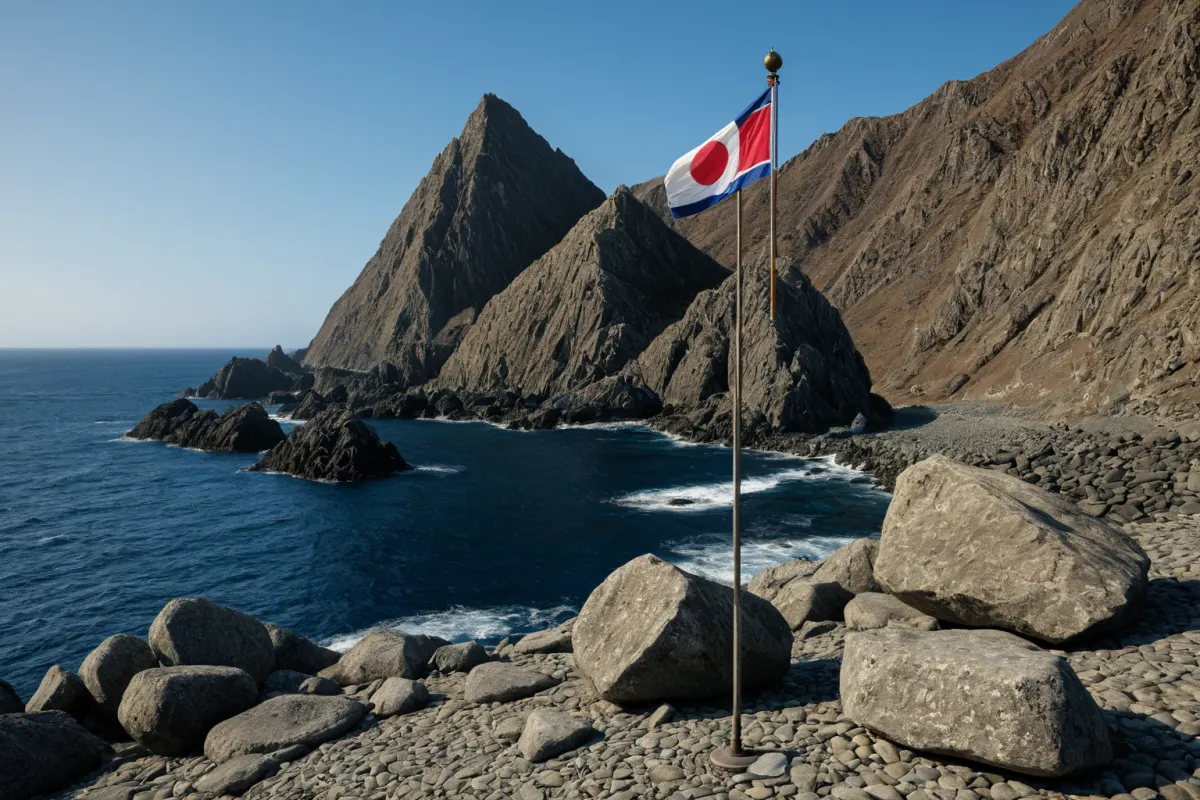
For 22 consecutive years, the Japanese government has included claims that Dokdo is part of Japan in its defense white papers. The recent first defense white paper under the Takaiichi administration also contains this assertion, contrasting with Japan's use of 'partner' when referring to South Korea. Japan has consistently asserted its claim over Dokdo in annual defense white papers.
Government and Public Reaction
In response to Japan's inclusion of the Dokdo claim in its defense white paper, the government immediately took action. The Ministry of Foreign Affairs and Ministry of National Defense summoned Japan's chief consul for a formal protest, while Gyeongsangbuk-do Provincial Assembly and Education Office issued condemnations. This reflects strong criticism of Japan's 22-year pattern of claiming Dokdo.
Continued Japanese Claims and Government Response
On July 15, 2025, the government issued a statement urging Japan to 'immediately retract' its claim in the defense white paper regarding Dokdo's sovereignty. The following day, on August 4, 2026, Foreign Ministry and Defense Ministry officials summoned Japan's defense attaché for a strong protest. On August 5, 2026, Gyeongsangbuk-do Education Office issued a firm condemnation statement regarding Japan's Dokdo claim.
Dokdo Issue and Japan's Dual Approach
The fact that Japan refers to Dokdo as part of its territory in the defense white paper while using 'partner' when addressing South Korea has drawn attention. This dual approach suggests Japan is taking inconsistent positions on the Dokdo issue. The government emphasized that Dokdo is clearly Korean territory and criticized Japan's claim as 'baseless'.
Public Opinion Analysis Regarding Japan's Defense White Paper Claim
Public opinion regarding Japan's defense white paper Dokdo claim has split into two main perspectives. Some media outlets reported that 'anti-Japanese sentiment is decreasing and the Dokdo issue is fading away,' but the government and civil society have strongly criticized Japan's position. This reflects Korean society's continued vigilance against Japan's persistent claims.
Dokdo Issue in International Context
The Dokdo issue has evolved beyond a simple territorial dispute to become an important matter concerning trust-building in Korea-Japan relations and adherence to international law. Japan's assertion of Dokdo sovereignty in its defense white paper is viewed as potentially damaging to its credibility in the international community. The government continues efforts to reaffirm South Korea's legal ownership of Dokdo based on international law.
Government Response and Future Outlook
The government has demanded that Japan retract its claim in the defense white paper, stating it will work through diplomatic dialogue to resolve the issue. At the same time, it is strengthening domestic and international efforts to reaffirm Dokdo's historical and legal ownership. How Japan responds to this government position remains a key point of interest.
Key Facts About the Dokdo Issue
The inclusion of Dokdo sovereignty claims in Japan's defense white papers has been ongoing for 22 consecutive years, indicating a consistent policy approach. The government emphasizes that Dokdo is Korean territory and asserts ownership based on international law. While some media reported 'anti-Japanese sentiment is decreasing and the Dokdo issue is fading,' this appears to be a reaction to the government's and civil society's strong criticism of Japan's position.
Frequently Asked Questions
Why does Japan claim Dokdo in its defense white papers?
The Japanese government has cited historical and legal grounds for claiming Dokdo sovereignty, but this is considered inconsistent with international law and facts. South Korea has historically recognized Dokdo's ownership, making it impossible to justify Japan's position internationally.
How has the government responded to Japan's defense white paper claim on Dokdo?
The government has demanded immediate retraction, summoned Japan's chief consul for a strong protest by the Ministry of Foreign Affairs and Defense, and continues efforts to reaffirm Dokdo's historical and legal ownership.
What is the impact of Japan's Dokdo claim on international society?
Japan's Dokdo claim can undermine trust in Korea-Japan relations and is viewed as disregarding international law and historical facts. This could weaken Japan's standing in the international community.
Comprehensive Analysis of the Dokdo Issue
The practice of claiming Dokdo as part of Japan in its defense white papers has continued for 22 years. The recent Takaiichi administration's defense white paper repeated this claim while using 'partner' when referring to South Korea, showing a contrasting approach. The government emphasized that Dokdo is clearly Korean territory and criticized Japan's position as 'baseless'.
Consistent Government and Public Response
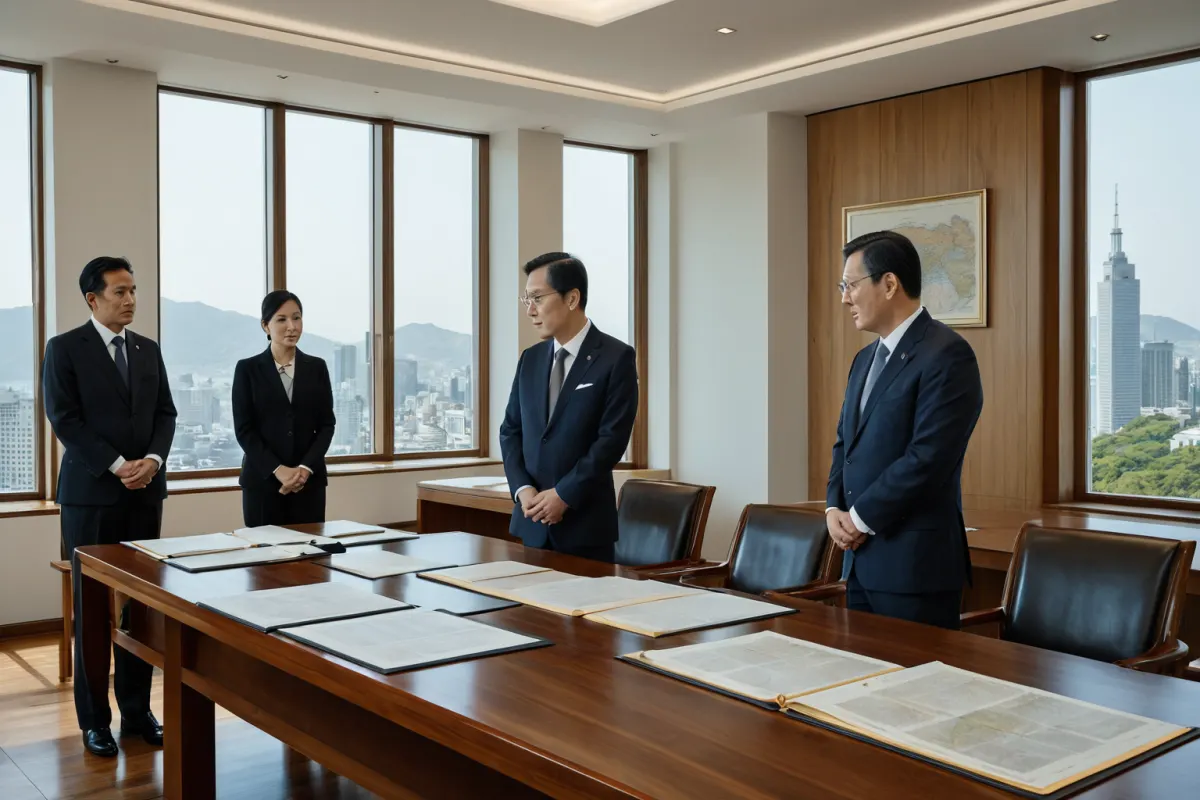
In response to the inclusion of the Dokdo claim in Japan's defense white paper, the government took immediate action. On July 15, 2025, it issued a statement urging Japan to 'immediately retract' its claim regarding Dokdo's sovereignty. Following this, on August 4, 2026, Foreign Ministry and Defense Ministry officials summoned Japan's defense attaché for protest. Gyeongsangbuk-do Provincial Assembly and Education Office also issued strong condemnation statements regarding the Dokdo sovereignty claim.
Dokdo Issue in International Context
The Dokdo issue has become a significant matter in Korea-Japan relations. Japan's assertion of Dokdo sovereignty in its defense white paper is considered inconsistent with international law and historical facts. The government continues to reaffirm South Korea's legal ownership of Dokdo based on international law, aiming to secure support from the international community.
Future Outlook and Response Strategies
The government will demand that Japan retract its claim in the defense white paper and work through diplomatic dialogue to resolve the issue. At the same time, it plans to strengthen efforts domestically and internationally to reaffirm Dokdo's historical and legal ownership. How Japan responds to this position remains a key point of interest.
Public Opinion Analysis on the Dokdo Issue
Public opinion regarding Japan's defense white paper Dokdo claim has split into two main perspectives. Some media outlets reported that 'anti-Japanese sentiment is decreasing and the Dokdo issue is fading away,' but government and civil society have strongly criticized Japan's position, reflecting Korean society's continued vigilance against Japan's persistent claims.
Frequently Asked Questions
Japan has been including Dokdo sovereignty claims in its defense white papers for 22 consecutive years. The government strongly criticizes this and reaffirms Dokdo as Korean territory. Japan consistently refers to Dokdo as part of its territory while using 'partner' when addressing South Korea, showing a dual approach. The government will continue diplomatic efforts alongside strengthening historical and legal claims regarding Dokdo's ownership.
You can view similar articles on this topic in one place.
View Related ArticlesFAQ
Why does Japan claim Dokdo in its defense white papers?
The Japanese government has cited historical and legal grounds for claiming Dokdo sovereignty, but this is considered inconsistent with international law and facts. South Korea has historically recognized Dokdo's ownership, making it impossible to justify Japan's position internationally.
How has the government responded to Japan's defense white paper claim on Dokdo?
The government has demanded immediate retraction, summoned Japan's chief consul for a strong protest by the Ministry of Foreign Affairs and Defense, and continues efforts to reaffirm Dokdo's historical and legal ownership.
What is the impact of Japan's Dokdo claim on international society?
Japan's Dokdo claim can undermine trust in Korea-Japan relations and is viewed as disregarding international law and historical facts. This could weaken Japan's standing in the international community.
Korean Source
This article is an English localization of a Korean-language report from BlogScore. Original: 방위백서 독도 주장이 국민에게 미친 영향과 여론 분석