
The Impact of Joint Intervention on the Japanese Economy and Market Reactions
Scale and Timing of Joint Intervention
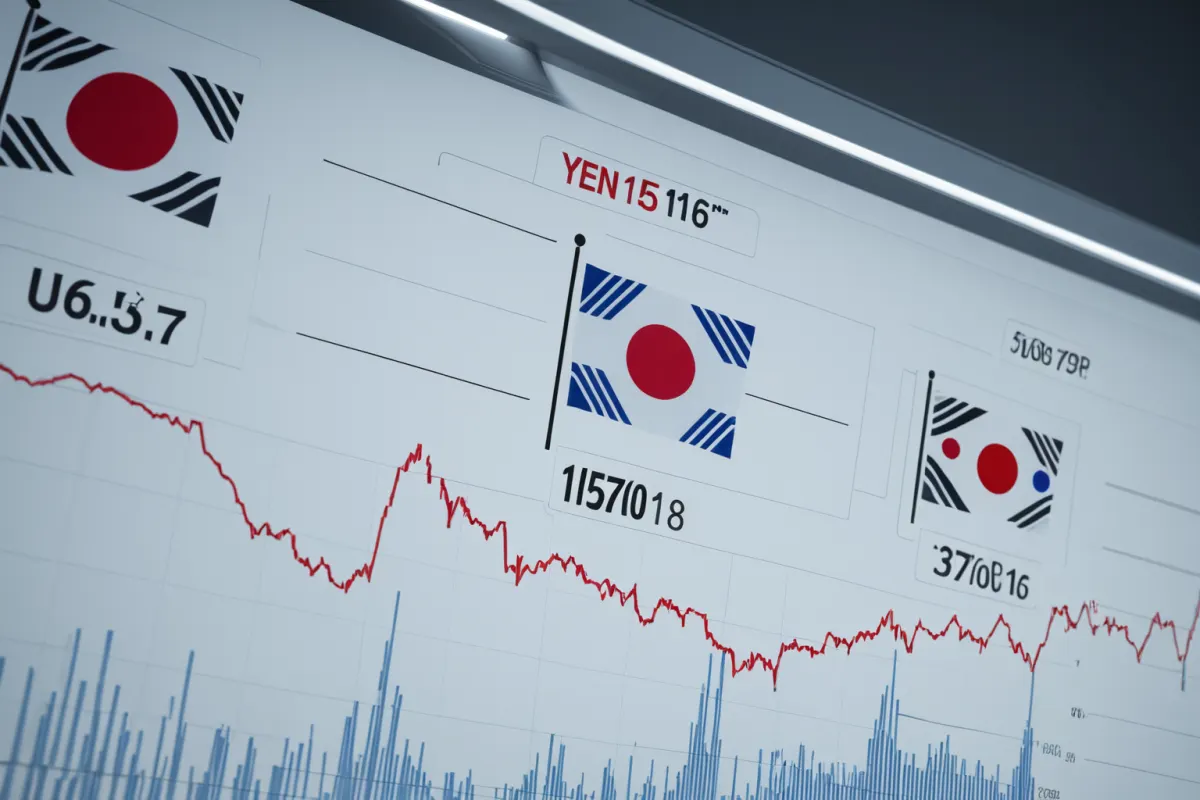
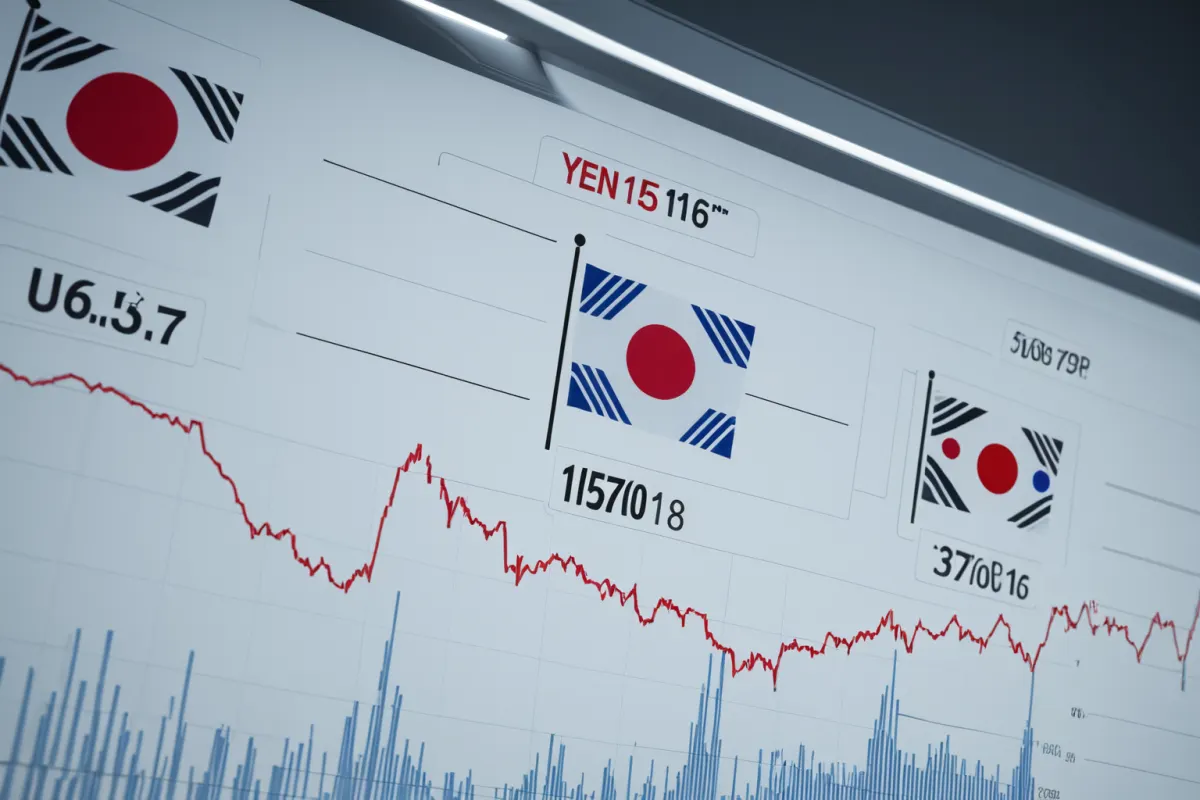
South Korea, the United States, and Japan have taken joint action in the foreign exchange market for the first time in 15 years to prevent yen depreciation and stabilize currency rates. This marks a coordinated purchase of yen after 28 years, with Japan injecting approximately 60 trillion won and the US announcing plans to buy between $5-10 billion worth of yen.

Yen Exchange Rate Recovery and Market Response
The yen exchange rate rebounded to around 157 yen per US dollar, according to an official announcement made on August 2, 2026. Japanese stock markets initially experienced a temporary decline due to profit-taking pressures from yen weakness but regained stability following the joint intervention. The won-dollar exchange rate is expected to rise into the mid-1300s.
Japan's Large-Scale Investment and Potential U.S. Additional Actions
Japanese Finance Minister Katayama stated that Japan coordinated with the US for market intervention, hinting at potential additional actions. The US confirmed plans to buy $5-10 billion in yen through a Veil Memo (Bessant Memo), which was revealed on July 31, 2026. President Trump announced on August 3, 2026 that the US had helped Japan.
The joint intervention was announced by South Korea, the US, and Japan on August 2, 2026, following the disclosure of the US yen-buying plan in the Veil Memo on July 31. Japanese stocks initially fell due to profit-taking pressures but stabilized after the intervention.
Won-Dollar Exchange Rate Outlook and Impact on Japanese Economy
The easing of burden for Japanese export companies due to yen depreciation is linked with expectations of a rising won-dollar exchange rate. While Japanese stock markets found temporary stability from the coordinated purchase, long-term market uncertainty still needs to be addressed. The US Treasury Secretary hinted at potential additional interventions to reduce market uncertainty.
Historical Significance of Joint Intervention
This joint intervention is recorded as the first foreign exchange market coordination in 15 years and a yen-buying cooperation after 28 years. Japan and the US intervened together from late July to early August 2026 to defend against yen depreciation, which holds significant meaning for stabilizing Japan's economy and supporting export companies.
The yen exchange rate surged by 2% within 50 minutes, rebounding to around 157 yen per US dollar. This stabilization came after the Japanese Finance Minister hinted at potential additional interventions. The won-dollar exchange rate is expected to rise into the mid-1300s.
Market Response and Future Outlook
Japanese stock markets initially showed temporary weakness due to profit-taking pressures from yen depreciation but regained stability following the joint intervention. The US Treasury Secretary hinted at potential additional interventions, easing market uncertainty. Japan's economy saw reduced burden for export companies as a result of yen stabilization, with rising won-dollar rates expected to improve domestic company profitability.
Japan and the US intervened together from late July to early August 2026 to defend against yen depreciation, marking a 15-year foreign exchange coordination. The Veil Memo confirmed the US plan to buy $5-10 billion in yen, and President Trump stated on August 3 that the US had helped Japan.
Yen Appreciation and Market Stability
The yen appreciated by 3%, resulting from the coordinated purchase. Expectations for the won-dollar exchange rate to enter the mid-1300s have increased. Finance Minister Katayama hinted at potential additional interventions, easing market uncertainty.
Due to the joint intervention, the yen stabilized around 157 yen per US dollar, and Japanese stock markets found temporary stability after an initial decline from profit-taking pressures. The expected rise in won-dollar rates is linked with improved profitability for domestic companies.
South Korea, the US, and Japan have successfully prevented yen depreciation and stabilized exchange rates through a 15-year joint foreign exchange market intervention. This marks a coordinated purchase of yen after 28 years, with Japan contributing approximately 60 trillion won and the US announcing plans to buy $5-10 billion in yen.
The yen rebounded to around 157 yen per US dollar, and Japanese stock markets found stability after an initial temporary decline due to profit-taking pressures. The won-dollar exchange rate is expected to rise into the mid-1300s.
Japan and the US intervened together from late July to early August 2026 to defend against yen depreciation, marking a 15-year foreign exchange coordination. The US Treasury Secretary hinted at potential additional interventions to reduce market uncertainty.
Finance Minister Katayama coordinated with the US for market intervention and hinted at potential additional actions. This led to a 3% appreciation in the yen's value, while expectations for the won-dollar rate entering the mid-1300s increased.
On August 3, 2026, President Trump stated that the US had helped Japan. This statement highlights strengthening cooperation between the US and Japan.
Historical Background of Joint Intervention
This joint yen intervention marks a coordinated foreign exchange market action after 15 years and a yen-buying coordination after 28 years, which was an important measure for stabilizing Japan's economy and supporting export companies.
A key objective of this intervention was to ease the burden on Japanese export companies due to yen weakness, with expectations that rising won-dollar rates would also improve domestic company profitability.
Japan and the US intervened together from late July to early August 2026 to defend against yen depreciation, holding historical significance. The potential for additional interventions by the US Treasury Secretary helped reduce market uncertainty.
Japanese stock markets initially showed temporary weakness due to profit-taking pressures from yen depreciation but regained stability following the joint intervention. This is expected to positively impact Japan's economic recovery and support export companies.
The yen exchange rate surged 2% within 50 minutes, rebounding to around 157 yen per US dollar. This was a result of the coordinated purchase, with market stabilization occurring after the Japanese Finance Minister hinted at potential additional interventions.
The won-dollar exchange rate is expected to rise into the mid-1300s, which is linked to easing burdens for Japanese export companies and improving domestic company profitability.
South Korea, the US, and Japan successfully prevented yen depreciation and stabilized exchange rates through a 15-year joint foreign exchange market intervention. This marks a coordinated purchase of yen after 28 years, with Japan contributing around 60 trillion won and the US announcing plans to buy $5-10 billion in yen.
Verified Information
The specific scale and timing of the joint intervention have been confirmed: Japan contributed approximately 60 trillion won, while the US planned to purchase between $5-10 billion worth of yen. The yen exchange rate rebounded to around 157 yen per US dollar, with expectations for the won-dollar exchange rate to rise into the mid-1300s.
The US confirmed its yen-buying plan through a Veil Memo (Bessant Memo), and President Trump announced on August 3, 2026 that the US had helped Japan. Finance Minister Katayama hinted at potential additional interventions to ease market uncertainty.
Frequently Asked Questions
How did Japanese stock markets react to joint intervention?
Japanese stock markets initially experienced temporary weakness due to profit-taking pressures from yen depreciation but regained stability following the joint intervention.
What impact will a rising won-dollar exchange rate have?
A rising won-dollar exchange rate is expected to ease burdens for Japanese export companies and improve profitability for domestic companies.
How likely are additional interventions by the US and Japan?
The US Treasury Secretary hinted at potential additional interventions, and Finance Minister Katayama also indicated openness to further actions.
Why did the yen rebound to 157 yen per dollar?
The yen appreciated due to coordinated buying efforts, with market stabilization occurring after the Japanese Finance Minister hinted at potential additional interventions.
You can view more articles on similar topics in one place.
View Related ArticlesFAQ
How did Japanese stock markets react to joint intervention?
Japanese stock markets initially experienced temporary weakness due to profit-taking pressures from yen depreciation but regained stability following the joint intervention.
What impact will a rising won-dollar exchange rate have?
A rising won-dollar exchange rate is expected to ease burdens for Japanese export companies and improve profitability for domestic companies.
How likely are additional interventions by the US and Japan?
The US Treasury Secretary hinted at potential additional interventions, and Finance Minister Katayama also indicated openness to further actions.
Why did the yen rebound to 157 yen per dollar?
The yen appreciated due to coordinated buying efforts, with market stabilization occurring after the Japanese Finance Minister hinted at potential additional interventions.
Korean Source
This article is an English localization of a Korean-language report from BlogScore. Original: 엔화 공동 개입이 일본 경제에 미치는 영향과 시장 반응