
The Impact of Humidifier Disinfectant Ingredients on Lung Health
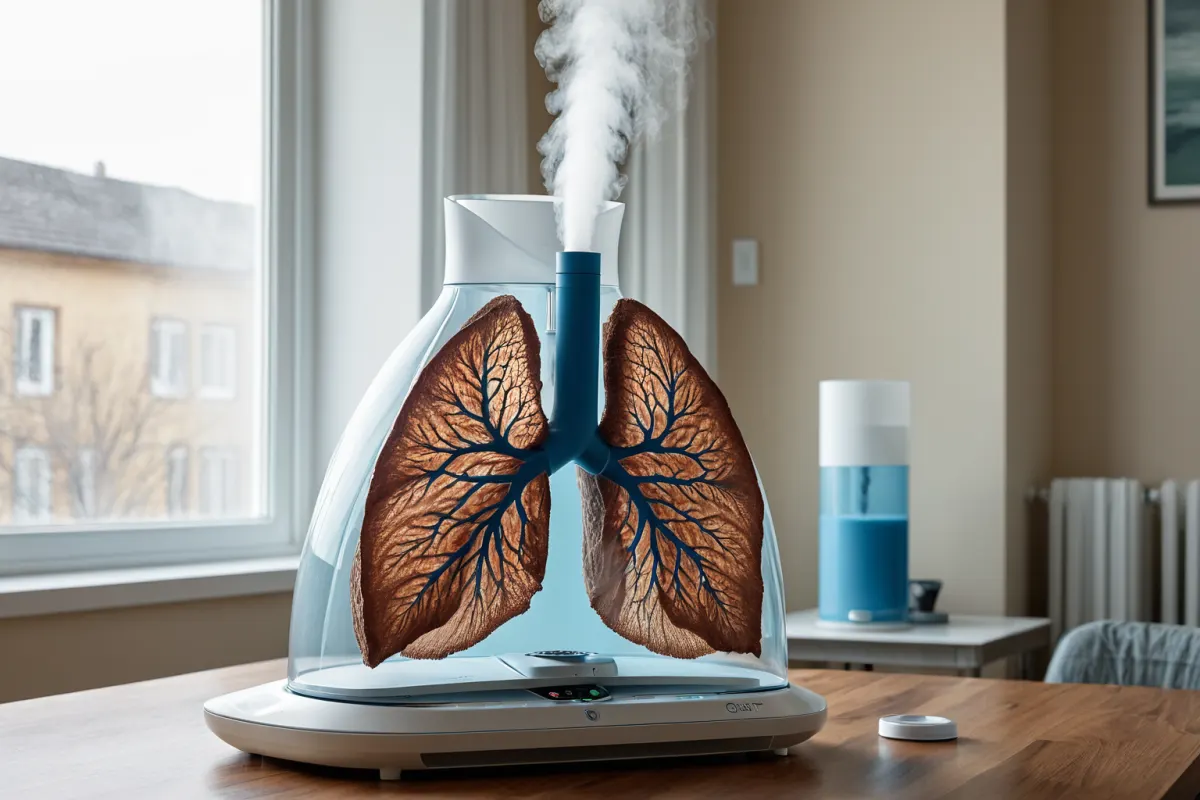
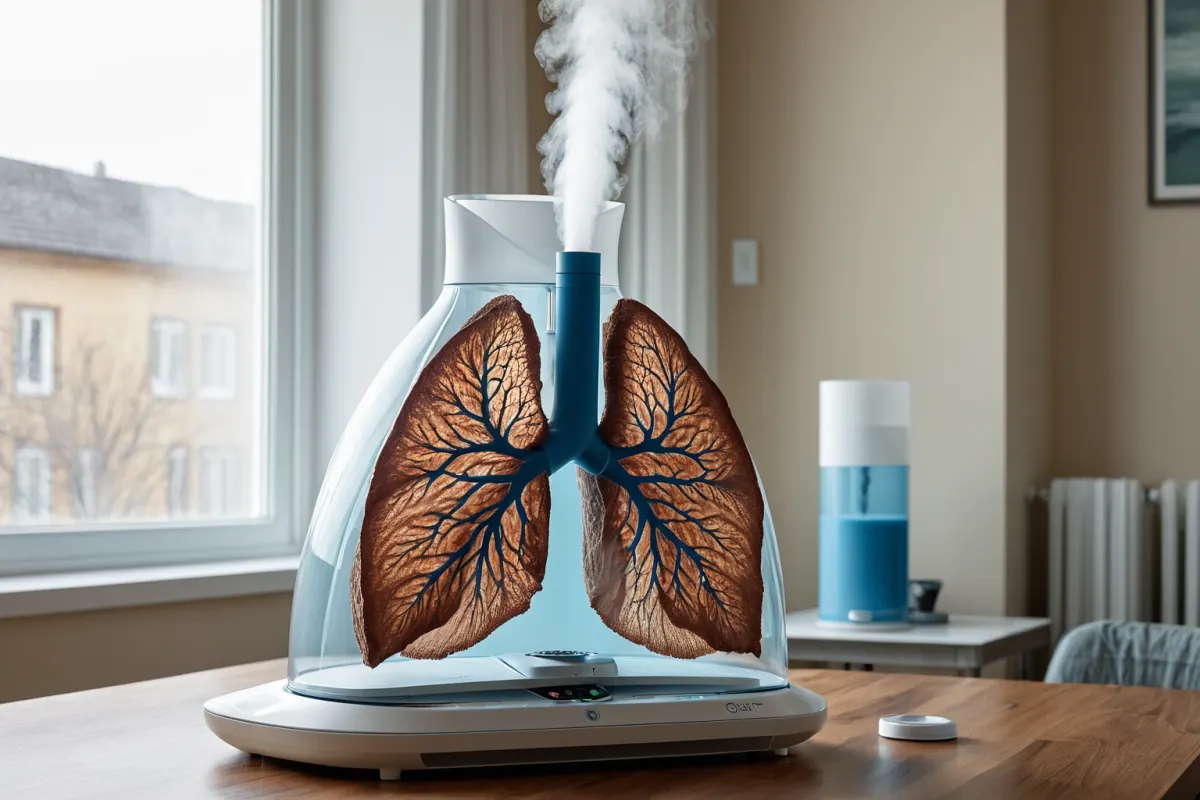
The Mechanism of Lung Damage from Humidifier Disinfectant Ingredients
The primary ingredients in humidifier disinfectants, CMIT/MIT, directly damage lung tissue, potentially causing acute respiratory diseases and pulmonary fibrosis. Since the 2013 humidifier disinfectant incident, researchers have systematically clarified the pathological mechanisms of these components through studies conducted up to 2022. These findings revealed that CMIT/MIT triggers toxic effects on lung cells and inflammatory responses, leading to impaired lung function. Specifically, CMIT/MIT was found to promote the proliferation of fibroblasts in lung tissue, causing progressive hardening of lung tissue known as pulmonary fibrosis. A study published on April 18, 2022, further identified that these ingredients disrupt mitochondrial function within lung cells and increase oxidative stress, inducing cell death.
Death Toll and Official Recognition as a Social Disaster
The humidifier disinfectant incident is estimated to have caused approximately 1,700 deaths. This figure has been officially recognized under South Korea's 'social disaster' classification since the incident occurred in 2013 through 2025. The tragedy included the deaths of four pregnant women and affected many families directly. The death toll estimate is based on joint investigations by the Centers for Disease Control and Prevention (KCDC) and the Ministry of Environment, as well as related research conducted from 2015 to 2024 through long-term follow-up studies. The 2025 social disaster classification was established to alleviate the psychological and economic burdens on victims, acknowledging that the humidifier disinfectant incident transcended a mere health issue to become a major societal catastrophe.
Timeline of the Humidizer Disinfectant Incident
On August 31, 2011, the government recommended halting the use and sale of humidifier disinfectants. However, these products had been widely distributed in households for about five years prior to this recommendation. Following the incident in 2013, research intensified, culminating in a detailed understanding of how the ingredients cause pulmonary fibrosis on April 18, 2022. Since 2019, the humidifier disinfectant tragedy has been recognized as an ongoing issue, with continued research seeking biomarkers for lung damage. A study published on August 12, 2019, identified potential biomarker candidates to track the progression of lung damage in victims. On September 15, 2023, the KCDC implemented preventive policies aimed at avoiding similar incidents, including strengthening product safety verification procedures, expanding consumer education programs, and improving victim support systems.
Inadequate Regulation by Government and Manufacturers
The humidifier disinfectant incident resulted from inadequate regulation by both government agencies and manufacturers. For instance, animal testing had previously suggested the ingredients were harmless, but this was later proven inaccurate. Victims have endured pain due to inadequate government response and misinformation for nearly 15 years since the 2013 incident. In 2011, the Ministry of Environment deemed humidifier disinfectant ingredients safe, though it was later revealed that experimental conditions did not reflect real-world usage environments, leading to inaccurate assessments. Additionally, manufacturers concealed or downplayed product risks when informing consumers, a fact confirmed by court rulings in 2015. The inadequate regulation by both government and manufacturers was the decisive factor leading to this large-scale disaster.
Ministry of Environment's Recognition and Support Policies
The Ministry of Environment acknowledges health damage caused by humidifier disinfectants on an individual basis, though official recognition for lung cancer victims remains insufficient. Starting April 2, 2021, the ministry began conducting formal health injury assessments to alleviate psychological and economic burdens on victims. Lung cancer-related research continues as of September 20, 2023, with toxicologists urging further data collection to establish a causal relationship between lung cancer and humidifier disinfectant ingredients. A report released March 3, 2021, noted that the impact of the humidifier disinfectant tragedy on victims' lives persists even after ten years, fueling criticism of government response speed and methods.
Toxicologists and relevant organizations continue to advocate for ongoing research and support, with lung cancer-related studies currently underway. As of September 20, 2023, discussions regarding the official recognition of lung cancer damage are actively progressing.

Influence on Organs Beyond the Lungs
Reports indicate that humidifier disinfectant ingredients may also affect organs beyond the lungs. On May 13, 2016, reports emerged about effects on other organs besides the lungs, and a study released August 12, 2019, emphasized the ongoing nature of the tragedy. Specifically, a 2016 report included findings linking cardiovascular diseases and neurological symptoms to humidifier disinfectant ingredients, suggesting broader organ impact. A 2019 study proposed that these ingredients could cause toxic effects on brain nerve cells, providing important clues about potential impacts beyond the lungs.
Prevention Policies and Response
On September 15, 2023, the KCDC implemented policies to prevent recurrence of the humidifier disinfectant incident. These include strengthening safety verification for related products and expanding consumer education. New regulations also require pre-evaluation procedures for humidifier disinfectant ingredients, with all products mandated to publicly disclose toxicology test results starting in 2024. This policy is viewed as a measure to support consumers in choosing safer products while enhancing manufacturer accountability.
Key Information to Verify
The link between humidifier disinfectant ingredients (CMIT/MIT) and lung disease has been confirmed, with this case officially classified as a 'social disaster' from the 2013 incident through 2025. The estimated death toll of approximately 1,700 is verified by government reports and related research. Insufficient official recognition of lung cancer damage stems from an ongoing need for additional data to establish causality between CMIT/MIT and lung cancer. Toxicologists continue their research on lung cancer-related studies, which will serve as crucial evidence for future formal recognition by the government.
Frequently Asked Questions
What are the main symptoms of lung damage caused by humidifier disinfectant ingredients?
Acute respiratory diseases, breathing difficulties, and coughing. These symptoms arise because CMIT/MIT directly causes toxic effects on lung tissue.
How was the death toll from the humidifier disinfectant incident estimated?
The approximate 1,700 deaths were estimated based on related research and government reports. This figure was confirmed after being officially classified as a 'social disaster' following the 2013 incident through 2025.
When will the government formally recognize lung cancer damage?
As of September 20, 2023, formal recognition for lung cancer damage remains insufficient. Discussions regarding this issue are actively ongoing, with further research results awaited before any official decision.
You can view similar articles on this topic in one place.
View Related ArticlesFAQ
What are the main symptoms of lung damage caused by humidifier disinfectant ingredients?
Acute respiratory diseases, breathing difficulties, and coughing. These symptoms arise because CMIT/MIT directly causes toxic effects on lung tissue.
How was the death toll from the humidifier disinfectant incident estimated?
The approximate 1,700 deaths were estimated based on related research and government reports. This figure was confirmed after being officially classified as a 'social disaster' following the 2013 incident through 2025.
When will the government formally recognize lung cancer damage?
As of September 20, 2023, formal recognition for lung cancer damage remains insufficient. Discussions regarding this issue are actively ongoing, with further research results awaited before any official decision.
Korean Source
This article is an English localization of a Korean-language report from BlogScore. Original: 가습기살균제 성분이 폐에 미치는 영향은?