
The Impact of Hormuz Strait Maritime Passage Resumption on Global Logistics
Key Facts About the Resumption of Hormuz Strait Passage
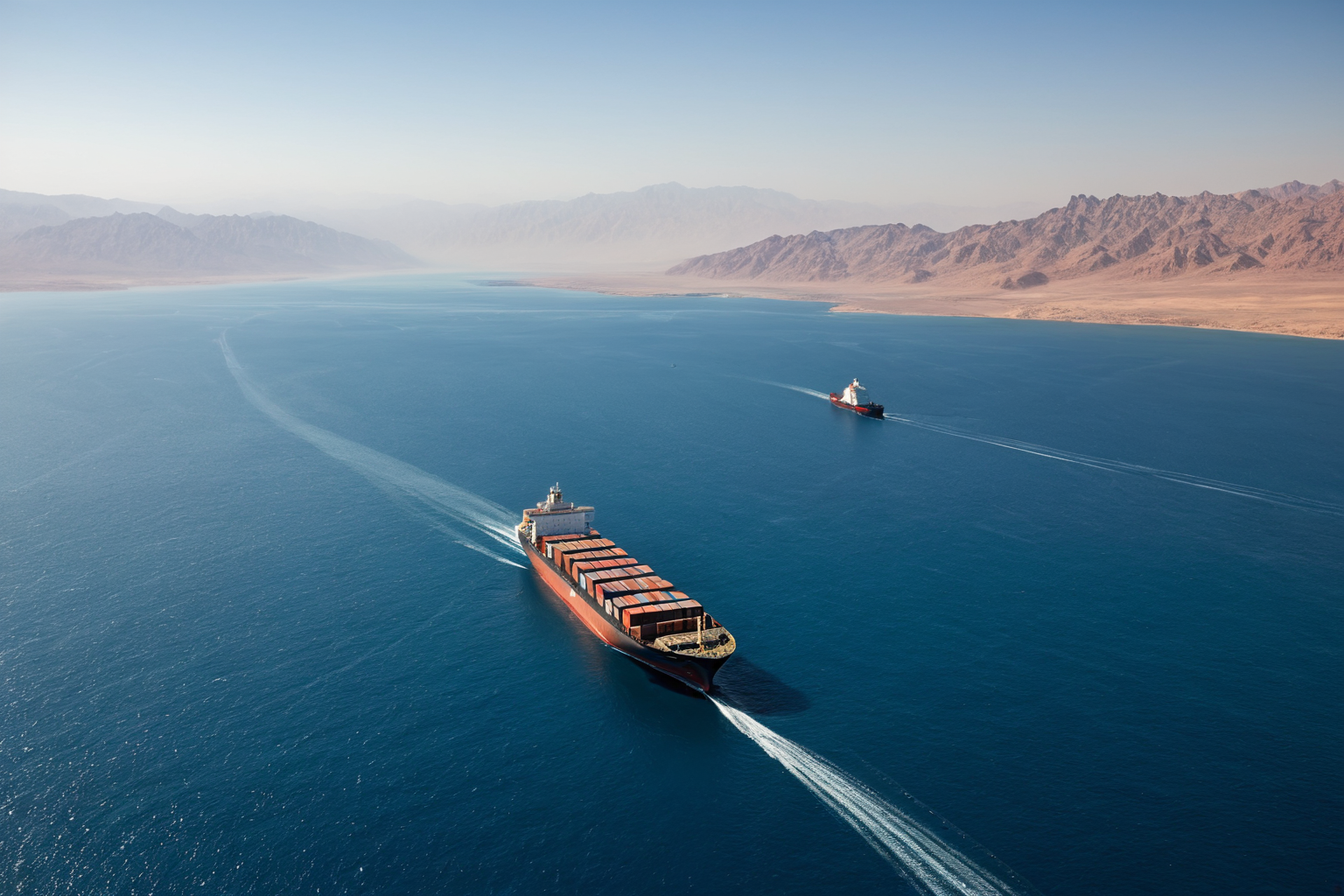
The blockade of the Hormuz Strait, which lasted 80 days, ended when national vessels made their first escape, easing pressure on energy supply chains. Following a 107-day ceasefire between the U.S. and Iran, limited passage through the Hormuz Strait has resumed, though toll fees and mine clearance remain unresolved issues.
Timeline of the Hormuz Blockade and Resumption
On May 21, 2026, after 80 days of blockade, news emerged that national vessels had made their first escape, marking a turning point for energy supply chains. By June 15, following a U.S.-Iran agreement, passage through the Hormuz Strait began to resume, with an average of over 20 cargo ships passing daily.
On June 24, four Korean vessels passed through Hormuz, easing disruptions in maritime, refining, and petrochemical supply chains. This provided a positive signal for global logistics systems, beginning to show cost-saving effects in the beauty and fashion industries as well.
Changes and Risks in Logistics Supply Chains
The resumption of passage through Hormuz has eased some pressure on global logistics supply chains, but risks persist under Iranian control. Unresolved toll fees and ongoing Middle East oil supply risks remain concerns.
Used car exports, which were effectively halted due to the Hormuz logistics crisis, have shifted to a 'scrap export' model. This caused significant damage to the shipping industry, with sharp increases in vessel transportation costs among other issues.
U.S.-Iran Agreement and Additional Variables
The U.S.-Iran agreement has led to limited resumption of passage through Hormuz Strait, but tensions have risen due to Trump's comments. Trump referred to Iran's potential re-blockade of the Hormuz Strait as 'Iran playing a little game,' raising concerns about additional risks.
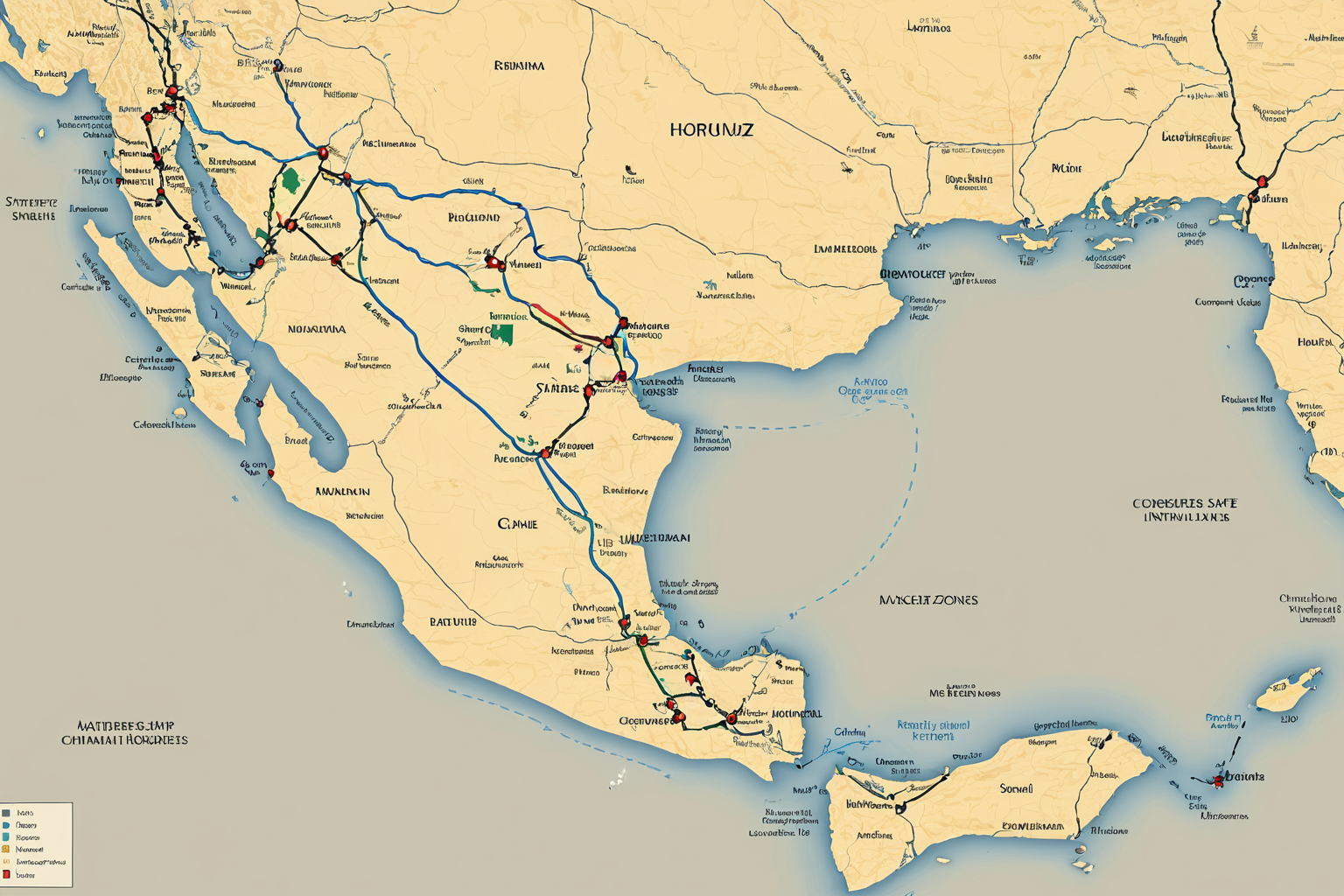
Even after the opening of Hormuz, the return to the Red Sea and mine clearance remain variables. Some reports indicate that clearing 5,000 mines is the biggest obstacle to full reopening. This poses a significant threat to maritime safety.
Changes in Global Logistics Systems
During the Hormuz Strait blockade period, global logistics systems experienced major disruptions. Ships became trapped, halting transportation and increasing supply chain uncertainty. This led to rising raw material prices and higher consumer costs, with particular impacts on the beauty and fashion industries due to increased import costs for materials.
The resumption of passage through Hormuz has eased some logistical supply chain instability as vessels began passing through. However, this represents only a temporary solution; long-term stability requires resolving Middle East oil supply risks.
Complete Failure of Used Car Exports
Due to the Hormuz logistics crisis, used car exports have effectively ceased, shifting to a 'scrap export' model. This caused significant damage to the shipping industry, forcing used car exporters to seek alternative routes.
While four Korean vessels passing through Hormuz has eased some supply chain pressures in maritime, refining, and petrochemical sectors, this is limited in addressing overall logistical congestion. Despite the U.S.-Iran agreement, logistical congestion is expected to persist for several more months.
Tensions Heightened by Trump's Comments
Trump's comment that Iran 'played a little game' regarding potential re-blockade of the Hormuz Strait has heightened tensions, raising the possibility of further U.S.-Iran conflict and renewed issues with Hormuz Strait passage.
Risks persist under Iranian control even after Hormuz opened, and logistical congestion is expected to continue for several months. Therefore, global companies must prepare response strategies considering Middle East oil supply risks.
Information to Verify and Recommended Actions
To stay informed about the resumption of Hormuz maritime passage, monitor U.S.-Iran agreement details and whether toll fees are resolved. The completion of mine clearance is also a critical point to watch.
Global logistics systems remain unstable, and the used car export industry needs to explore new routes. The shipping industry has issued emergency guidelines aimed at reducing vessel transportation costs.
Frequently Asked Questions
Has global logistics stabilized completely after the resumption of Hormuz Strait passage?
No. While limited passage through Hormuz has eased some instability, risks persist under Iranian control.
What happened to used car exports?
Due to the Hormuz logistics crisis, used car exports have effectively ceased, shifting to a 'scrap export' model, causing significant damage to the shipping industry.
What impact could Trump's comments have on the Hormuz issue?
Trump's remarks have heightened tensions and raised concerns about potential further U.S.-Iran conflict, risking renewed issues with Hormuz Strait passage.
Frequently Asked Questions
The resumption of Hormuz Strait maritime passage has brought temporary positive effects to global logistics systems but risks remain under Iranian control. Resolving Middle East oil supply risks and toll fee issues is essential, requiring global companies to prepare response strategies considering these variables.
Logistical congestion is expected to persist for several more months, with limited effectiveness in easing maritime, refining, and petrochemical supply chain pressures. Therefore, global companies must explore long-term response strategies considering Middle East oil supply risks.
You can view similar articles on this topic all at once.
View Related ArticlesFAQ
Has global logistics stabilized completely after the resumption of Hormuz Strait passage?
No. While limited passage through Hormuz has eased some instability, risks persist under Iranian control.
What happened to used car exports?
Due to the Hormuz logistics crisis, used car exports have effectively ceased, shifting to a 'scrap export' model, causing significant damage to the shipping industry.
What impact could Trump's comments have on the Hormuz issue?
Trump's remarks have heightened tensions and raised concerns about potential further U.S.-Iran conflict, risking renewed issues with Hormuz Strait passage.
Korean Source
This article is an English localization of a Korean-language report from BlogScore. Original: 호르무즈 해양 통항 재개로 글로벌 물류에 미치는 영향