
The Impact of the Hormuz Strait Maritime Passage on Energy Markets
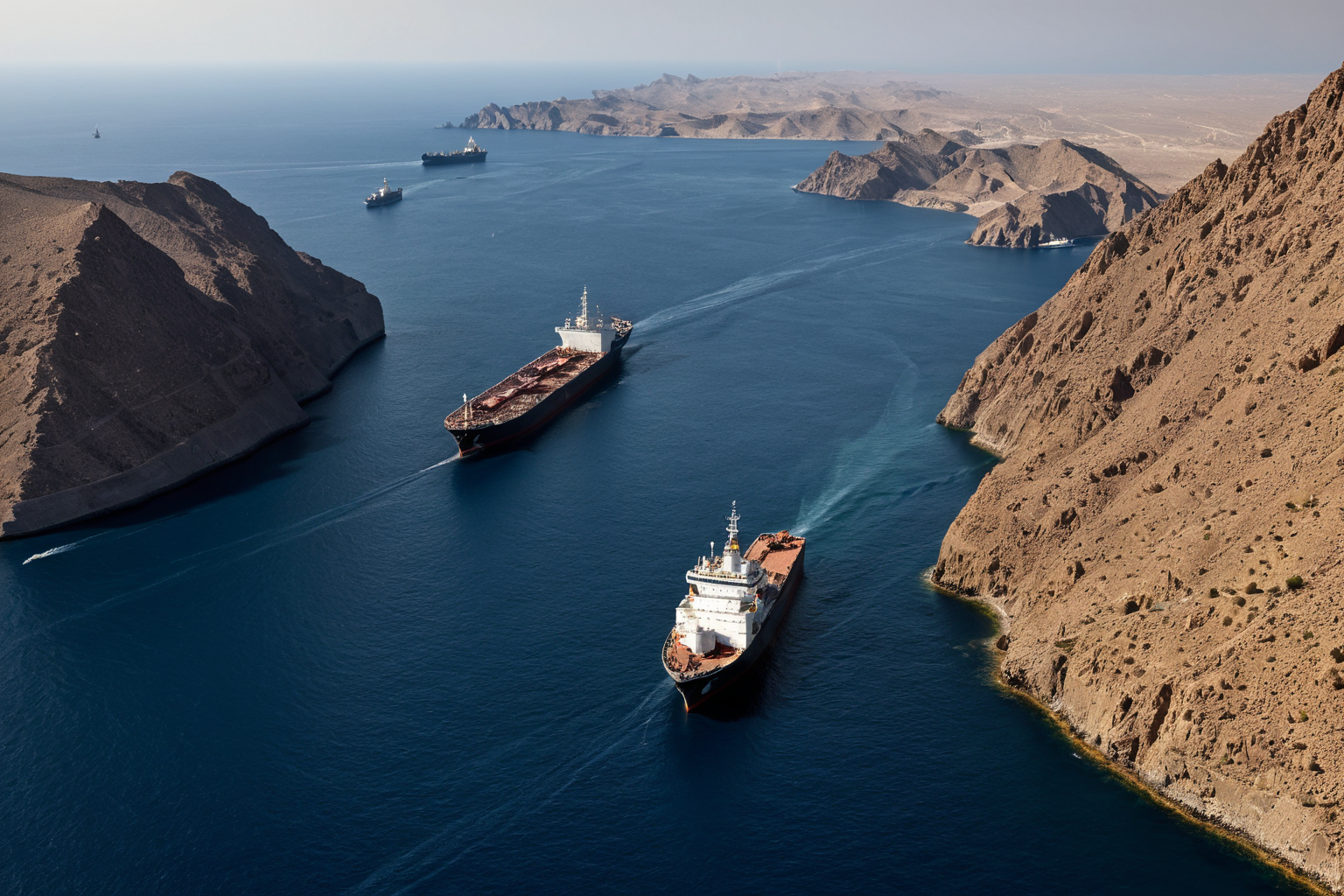
The Hormuz Strait Blockade Crisis and Energy Market Shifts
The potential blockade of the Hormuz Strait poses a major threat to energy supply chains, with heightened tensions between Iran and the U.S. leading to disagreements within government agencies over the use of alternative Red Sea routes. As of April 2026, maritime freight rates reached their annual peak, though oil price fluctuations proved less severe than anticipated.
Supply Chain Changes Due to Hormuz Blockade
The government has authorized the use of a Red Sea bypass route in preparation for a prolonged blockade of the Hormuz Strait. This decision contributed to the record-high maritime freight rates observed in April 2026. Oman asserts that the Hormuz Strait is a natural waterway and opposes any toll collection, emphasizing its international status. On April 6, 2026, the government announced approval for oil transportation via the Red Sea bypass route—a strategic move to prevent supply disruptions due to the blockade.
The Hormuz Strait blockade crisis became more tangible following U.S.-Iran tensions, with a potential ceasefire on April 8, 2026, increasing hopes for passage. However, specific terms and timing remain under discussion. Disagreements between the Ministry of Oceans and Fisheries (MOF) and the Ministry of Trade, Industry, and Energy (MOTIE) over Yenbu Port access have highlighted inconsistent government responses.
Quad Strengthens Energy Security Cooperation
The Quad announced a joint statement on May 27, 2026, emphasizing 'freedom of passage' through the Hormuz Strait to strengthen energy security cooperation in the Indo-Pacific region. This international initiative aims to stabilize global energy supply chains, particularly as Saudi Arabia advances its strategy for bypassing the Hormuz Strait with oil shipments. As a result, regional energy markets have experienced volatility. Saudi Aramco reported a 26% increase in first-quarter profits as of May 11, 2026—attributed to peak bypass shipping volumes.
Domestic LNG import patterns also shifted. By April 15, 2026, Qatar's LNG shipments had decreased by 62% compared to March, directly linked to supply chain disruptions and the shift toward alternative routes following the Hormuz Strait blockade.

Houthi Militia Involvement Expands Blockade Risks to Red Sea Bypass Route
The Hormuz Strait blockade crisis became a reality on June 23, 2025, following U.S.-Iran clashes, signaling potential global oil logistics disruptions. By March 1, 2026, the blockade threat had plunged South Korea's maritime and energy supply chains into a full-scale emergency. The Houthi militia declared its involvement on March 29, 2026, expanding the risk of blocking the Red Sea bypass route.
Freight surcharges due to the Hormuz Strait blockade reached approximately 59 billion won as of April 17, 2026—directly reflecting supply disruptions and rising transportation costs in global energy markets.
Analysis of Energy Market Fluctuations
The Hormuz Strait blockade has influenced oil price movements. On April 11, 2026, JPMorgan warned that delays in Hormuz shipping could push oil prices up by $120 per barrel. However, actual price fluctuations were less severe than expected, likely due to the opening of alternative routes and government responses.
Saudi Arabia's bypass strategy through the Hormuz Strait has impacted regional energy markets, contributing to increased profits for Aramco. Saudi Aramco reported a 26% rise in first-quarter earnings as of May 11, 2026—the result of maximum bypass shipping volumes.
Government Response and Supply Chain Stabilization
The government's authorization of the Red Sea bypass route has helped moderate rising maritime freight rates. However, disagreements between the Ministry of Oceans and Fisheries (MOF) and the Ministry of Trade, Industry, and Energy (MOTIE) regarding Yenbu Port access led to delayed implementation.
Internationally, the Quad's joint statement on 'freedom of passage' represents a significant milestone in strengthening energy security cooperation. This initiative aims to enhance trust in Indo-Pacific energy supply chains, potentially aiding resolution of the Hormuz Strait issue.
Information to Verify
As of now, specific terms and timing for passage through the Hormuz Strait remain unclear. Government agencies have yet to reach a consensus on Yenbu Port access issues, causing delays in utilizing alternative routes.
Saudi Arabia's bypass strategy continues to cause regional energy market volatility, affecting domestic LNG import structures. The 62% drop in Qatar shipments from March was notable, but ongoing monthly trends should be monitored closely.
Frequently Asked Questions
How does the Hormuz Strait blockade affect oil prices?
JPMorgan predicted that delays in Hormuz shipping could raise oil prices by $120 per barrel, but actual fluctuations have been less severe than expected.
Why did disagreements arise between government agencies over Yenbu Port access?
Differences in perspective regarding the use of Yenbu Port as a bypass route led to disagreements between the Ministry of Oceans and Fisheries (MOF) and the Ministry of Trade, Industry, and Energy (MOTIE).
What does the Quad's 'freedom of passage' joint statement signify?
The Quad is strengthening international cooperation to ensure freedom of navigation through the Hormuz Strait. This initiative supports enhanced energy security cooperation in the Indo-Pacific region.
Frequently Asked Questions
The potential blockade of the Hormuz Strait has significantly impacted energy markets, prompting government and international responses through alternative routes and diplomatic efforts to stabilize supply chains. While the Red Sea bypass route authorization and the Quad's joint statement have contributed to market stabilization, ongoing challenges include unresolved disagreements over Yenbu Port access and heightened risks from Houthi militia involvement. Although price fluctuations were less severe than anticipated, continuous monitoring remains essential.
Coordinated efforts between governments and international bodies are crucial for ensuring stable passage through the Hormuz Strait, which is vital for long-term energy supply chain stability. Addressing immediate challenges such as resolving Yenbu Port access issues and mitigating risks from Houthi militia involvement remains urgent.
Explore more articles on similar topics in one place.
View Related ArticlesFAQ
How does the Hormuz Strait blockade affect oil prices?
JPMorgan predicted that delays in Hormuz shipping could raise oil prices by $120 per barrel, but actual fluctuations have been less severe than expected.
Why did disagreements arise between government agencies over Yenbu Port access?
Differences in perspective regarding the use of Yenbu Port as a bypass route led to disagreements between the Ministry of Oceans and Fisheries (MOF) and the Ministry of Trade, Industry, and Energy (MOTIE).
What does the Quad's 'freedom of passage' joint statement signify?
The Quad is strengthening international cooperation to ensure freedom of navigation through the Hormuz Strait. This initiative supports enhanced energy security cooperation in the Indo-Pacific region.
Korean Source
This article is an English localization of a Korean-language report from BlogScore. Original: 호르무즈 해양 통항 경로가 에너지 시장에 미치는 영향