
IMF Upgrades South Korea's Growth Outlook: Key Reasons Explained
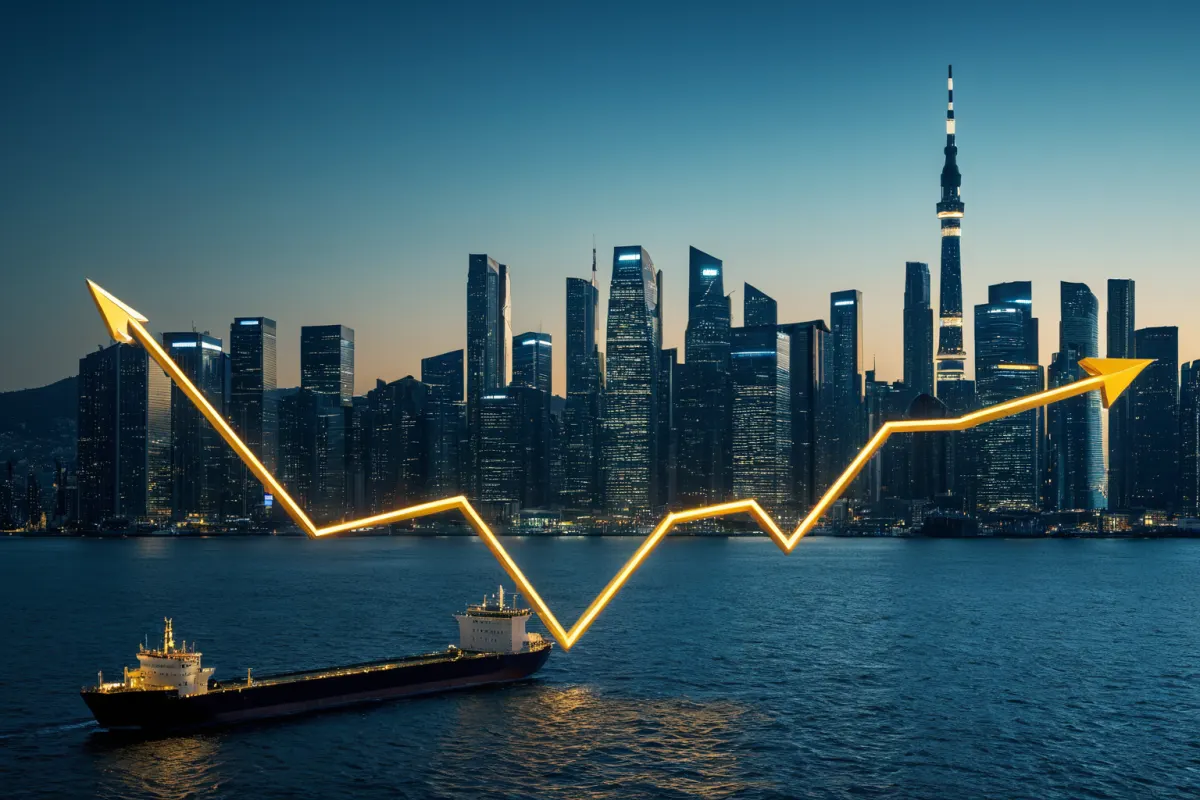
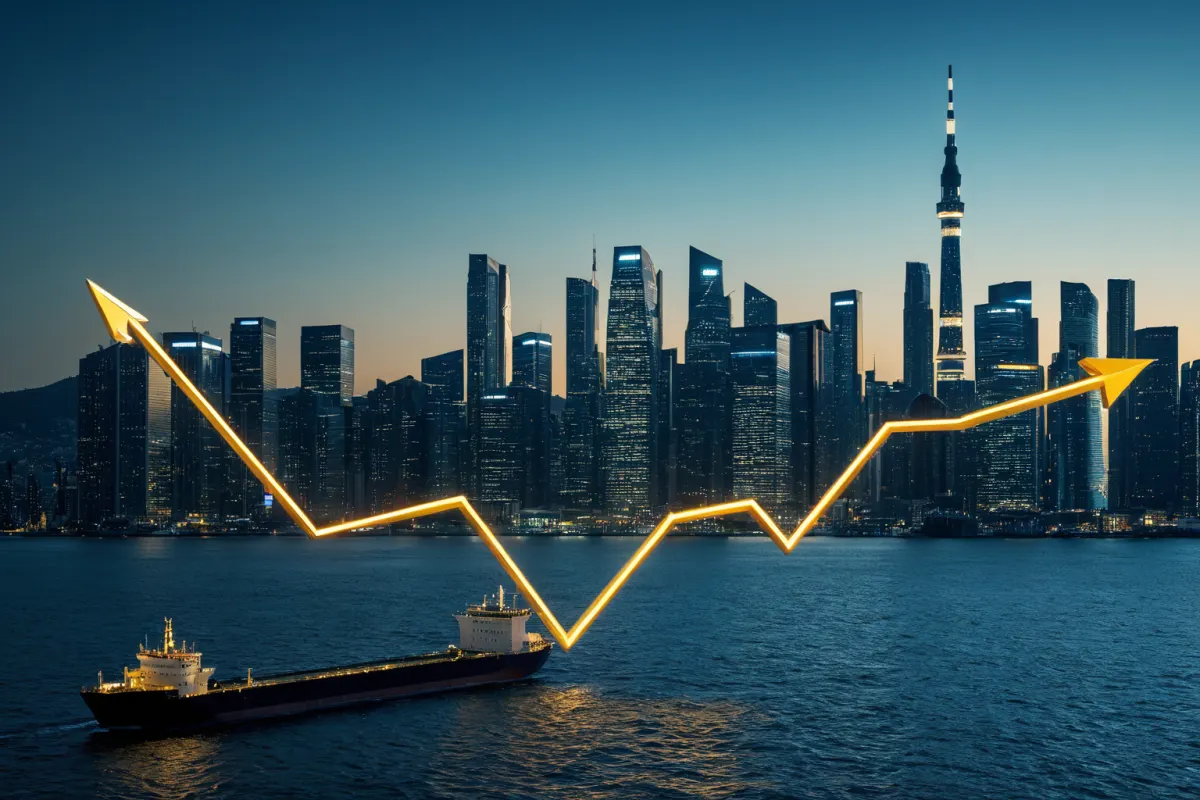
The IMF's upgrade to South Korea's growth forecast ultimately means "the economy is performing better than expected." However, this alone doesn't mean people will immediately feel a significant improvement in their daily economic experience. Real progress requires alignment across exports, semiconductors, and domestic consumption.
This upward revision signals that South Korea's economic resilience has been stronger than anticipated. Key factors driving the change include recovering export trends, slowing inflation, and improved performance in major industries.
Key Factors Behind IMF's Growth Forecast Revision
The first area to examine is exports. South Korea's economy is highly sensitive to the performance of export-heavy sectors like semiconductors, automobiles, and shipbuilding. Recent optimism about semiconductor industry recovery has played a significant role in lifting growth expectations.
Additionally, slowing inflation has improved consumer conditions, even though interest rate pressures remain high. This suggests a reduced risk of sharp economic contraction compared to previous forecasts.
You can explore similar articles on this topic in one place.
View Related ArticlesWhy Export Recovery Is Central to the Revised Outlook
International organizations like the IMF don't just look at domestic consumption when assessing a country's growth. They consider exports, production, investment, employment, and monetary policy together.
This forecast revision centers on improving external demand. For example, rising memory semiconductor orders and steady automobile exports lead to better corporate revenue, which positively impacts equipment investment and hiring.
While these changes might seem small in numerical terms, they're significant for the overall economy. In export-dependent economies like South Korea, improvements in exports are often the most direct driver of growth rate changes.

Why Domestic Consumption Remains Weak
However, an upward revision in growth rates doesn't mean all sectors are improving. Domestic consumption—which significantly influences people's day-to-day economic experience—remains sluggish to recover.
Households continue to face high loan interest payments and living costs, while small businesses and self-employed individuals see only gradual revenue improvements. Therefore, even if exports hold up, a lack of strong consumer spending can make the overall economic experience feel colder than the growth numbers suggest.
For example, travel and dining expenses have increased slightly, but major purchases like cars or home appliances are being postponed. In such scenarios, people often feel a greater gap between the headline growth figures and their personal economic conditions.
Positive Factors Impacting South Korea's Economy
Several key factors contributed to this revised outlook. First is semiconductor industry improvement, second is recovery in export volumes, and third is price stability.
Moderating inflation improves real purchasing power for consumers. At the same time, businesses benefit from reduced cost uncertainty, making it easier to plan investments.
Another important factor is global economic conditions. If demand from major trading partners like the U.S. remains stronger than expected, South Korea's exports could receive additional support. Conversely, if global economic slowdown intensifies, even the revised growth outlook may face challenges.
How Changes Are Felt in Daily Life
A better economic outlook only gains meaning when connected to job opportunities, wages, and consumer confidence. As corporate performance improves, companies gain more hiring capacity, and some sectors may see bonuses or expanded investments.
For instance, semiconductor suppliers, logistics, transportation, and equipment-related industries are likely to feel the positive effects of export recovery relatively quickly. In contrast, domestic-focused sectors remain more vulnerable to interest rates and consumer sentiment, leading to varying recovery speeds across different industries.
Therefore, when viewing news about South Korea's upward growth forecast, it's more realistic to focus on "which sectors are recovering" rather than assuming the entire country is improving uniformly.
Key Economic Indicators to Watch Moving Forward
Moving forward, several indicators will help track economic trends. These include export growth rates, semiconductor prices, consumer inflation, interest rates, and household loan increases.
Notably, exports can fluctuate month-to-month, so it's better to look at multi-month trends rather than single-month performance. Continuous improvement is more important than a single positive signal.
For example, if semiconductor exports rise but automobile or chemical exports remain weak, the overall economic improvement might be limited. Conversely, when export growth spreads across multiple sectors, the upward growth forecast gains stronger credibility.
How to Interpret Economic News as an Individual
An upward growth forecast is certainly positive, but it shouldn't be assumed that stock markets, housing prices, or wages will immediately follow the same direction. Economic indicators often reflect changes with delays.
For instance, corporate performance might improve first, while consumer sentiment lags behind. Additionally, high interest rates could limit how quickly the economy improves.
Therefore, when reading such news, it's more useful to focus on "which sectors are improving and which remain weak" rather than simply labeling everything as 'good' or 'bad.'
FAQ
Q1. Does IMF's growth forecast upgrade mean the economic recession is over?
No, it's still too early to say that. The upward revision indicates greater potential for recovery, but not that all sectors have normalized yet.
Q2. Why do exports have such a significant impact on growth rates?
South Korea has an export-dependent economic structure, meaning major corporate performance, production, investment, and employment are highly sensitive to export trends.
Q3. Could the forecast rise even further?
Possible, but it depends on semiconductor industry conditions, global economic trends, and interest rate movements. While recovery signals are visible, ongoing volatility must also be considered.
The IMF's South Korea growth outlook should be tracked alongside future releases and quarterly indicators for more accurate assessment. Latest figures may vary by time period, so checking subsequent official reports is recommended.
Continue exploring similar articles on this topic.
View Category ArticlesFAQ
Q1. Does IMF's growth forecast upgrade mean the economic recession is over?
No, it's still too early to say that. The upward revision indicates greater potential for recovery, but not that all sectors have normalized yet.
Q2. Why do exports have such a significant impact on growth rates?
South Korea has an export-dependent economic structure, meaning major corporate performance, production, investment, and employment are highly sensitive to export trends.
Q3. Could the forecast rise even further?
Possible, but it depends on semiconductor industry conditions, global economic trends, and interest rate movements. While recovery signals are visible, ongoing volatility must also be considered.
Korean Source
This article is an English localization of a Korean-language report from BlogScore. Original: IMF 한국 성장률 상향, 전망이 바뀐 이유는?