
Hyundai Steel's Declining Operating Profit: Impact on Stock Price?
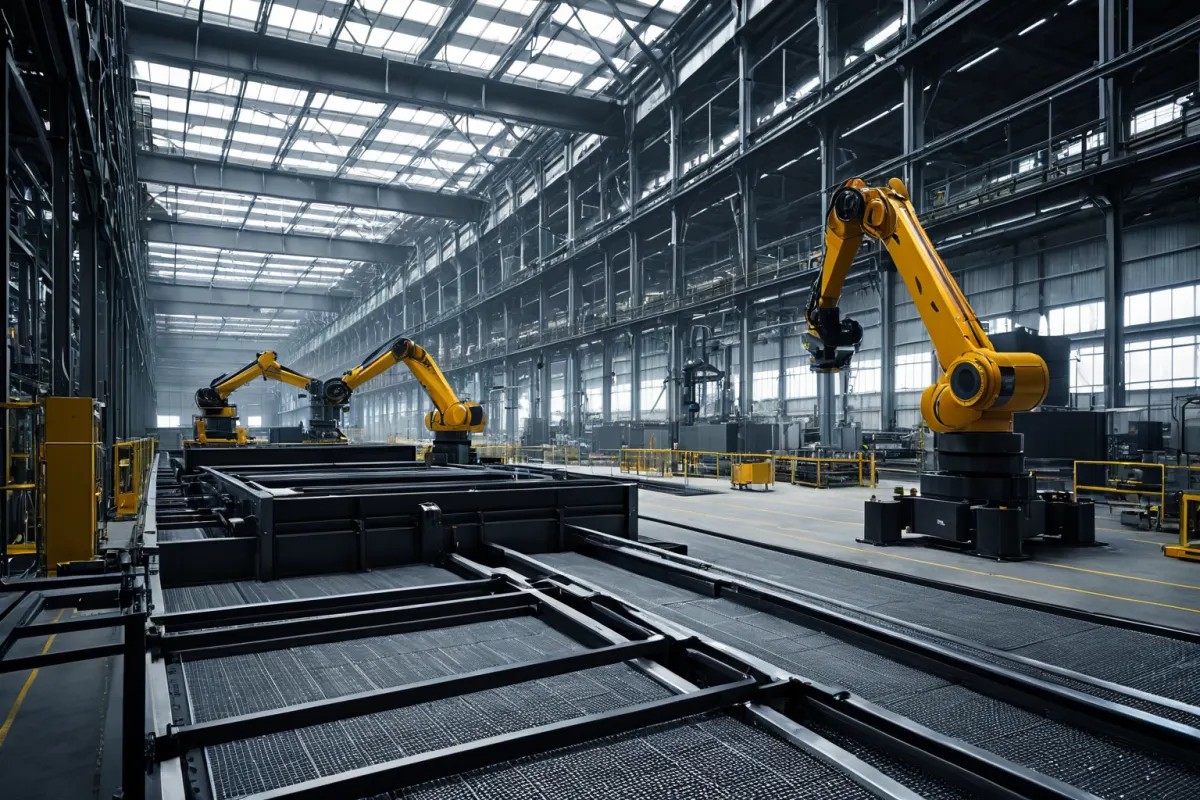
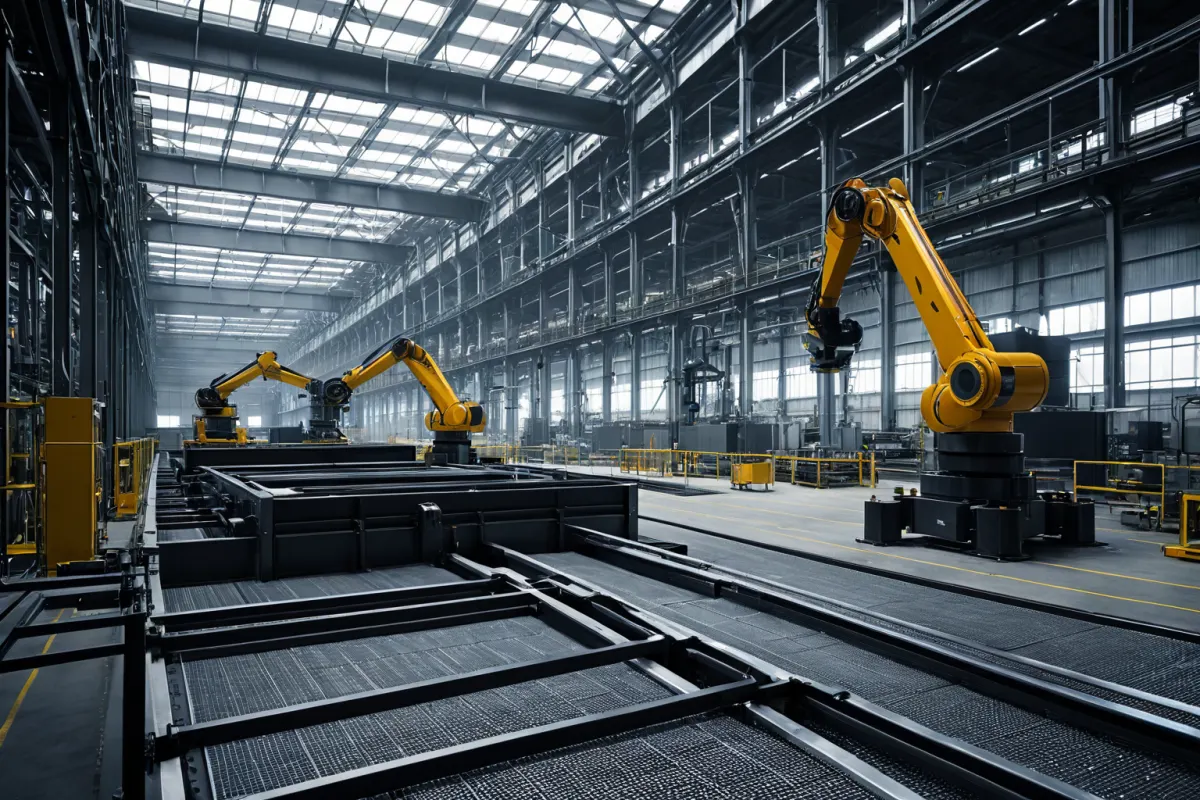
Hyundai Steel's Q2 Performance Shows Recovery Despite Year-Over-Year Decline
Hyundai Steel's second-quarter operating profit came in at KRW 5.77 billion, a 43.3% decrease from the same period last year, but surged by 267.5% compared to the previous quarter, showing signs of recovery. The stock had fallen around 6% due to poor first-half performance, but expectations for improved profitability in Q3—projected at KRW 10 billion—have sparked renewed investor confidence.
Reasons Behind Operating Profit Decline: Sale of Hyundai IFC and Subsidiary Losses
The decline in operating profit is attributed to the sale of Hyundai IFC and losses from subsidiaries, according to analysts. Mirae Asset Securities acknowledged improvements in standalone performance but noted negative impacts from subsidiary results. This aligns with Hyundai Steel's own explanation that while core operations performed well, subsidiary-related issues led to a dip in overall results.
Key to Recovery: Increased Round Bar Sales and Rising Prices
The recovery in Q2 operating profit is attributed to what analysts call a 'double boost' from increased sales of round bars and higher product prices. In the first quarter, operating profit stood at KRW 1.57 billion, down 63.7% from the previous quarter due to worsening steel market conditions and lower production efficiency. However, in Q2, improved demand for round bars and better steel market conditions led to simultaneous increases in both sales volume and pricing, driving a rebound in performance.
One of the major brokerage firms raised its target price for Hyundai Steel from KRW 43,000 to KRW 50,000, while another maintained its target at KRW 50,000, projecting Q2 operating profit of KRW 7.04 billion. Ferro Times also forecasted a KRW 10 billion operating profit for Q3, boosting expectations for continued improvement.
Strategic Focus on AI and Energy to Secure Future Growth
Hyundai Steel is expanding its presence in the AI infrastructure sector as demand grows, positioning itself for digital transformation within the steel industry. This aligns with Hyundai Motor Group's broader strategy of transitioning into an 'AI and robotics company.' The company is also strengthening high-value products and U.S. investments to support this growth.
Hyundai Steel recently disclosed a reduction in its stake through off-market sales of Hyundai B&N Steel shares, reflecting strategic management of subsidiaries. This move appears aimed at optimizing subsidiary performance alongside standalone improvements.
Comparison: Q1 vs Q2 Performance
Hyundai Steel's first-quarter operating profit was KRW 1.57 billion, down 63.7% from the previous quarter due to deteriorating steel market conditions and reduced production efficiency. However, in Q2, operating profit rebounded to KRW 5.77 billion—a 267.5% increase from the prior quarter—driven by higher round bar sales and rising prices.
From Q1 to Q2, Hyundai Steel improved steel market conditions and operational efficiency while strengthening high-value products and U.S. investment strategies. These efforts are expected to support a projected KRW 10 billion operating profit in Q3.
Investor Response: Target Price Upgrades and Rising Stock Expectations
The company's recovery outlook has attracted investor attention, with target prices raised from KRW 43,000 to KRW 50,000. This reflects recognition of Hyundai Steel's potential as it transitions into AI and energy sectors.
Hyundai Motor Group's 'AI and robotics company transformation' strategy is influencing Hyundai Steel as well, contributing positively to stock performance and target price increases. Investors anticipate further upside as Q3 profit improvement gains momentum.
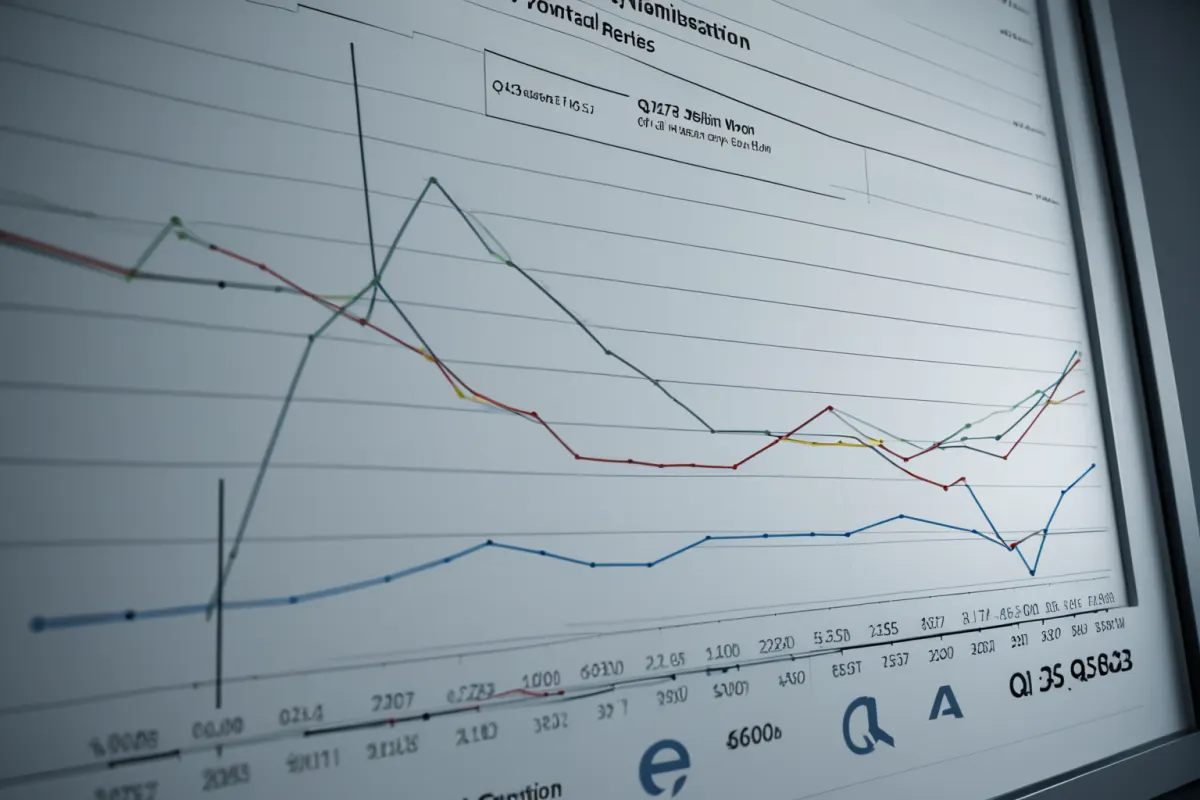
Detailed Analysis of Operating Profit Decline
The decline in Hyundai Steel's Q2 operating profit is confirmed to be due to the sale of Hyundai IFC and subsidiary losses, as noted in Mirae Asset Securities' analysis report. While standalone results improved, negative impacts from subsidiaries affected overall performance.
Additionally, Hyundai Steel has strengthened high-value products and U.S. investment strategies through improved steel market conditions and operational efficiency, laying a foundation for Q2 recovery that supports the projected KRW 10 billion profit in Q3.
Future Outlook: Expansion into AI/Energy and Sustained Profit Improvement
Hyundai Steel plans to lead digital transformation in the steel industry by responding to growing demand for AI infrastructure. This aligns with Hyundai Motor Group's 'AI and robotics company transformation' strategy, suggesting continued profit improvement.
Mirae Asset Securities acknowledged improvements in standalone performance but highlighted ongoing challenges from subsidiary profitability. This points to a need for more refined subsidiary management strategies.
Key Information to Note: Q3 Profit Forecast and Target Price Upgrades
Hyundai Steel's Q3 operating profit is forecasted at KRW 10 billion, reflecting investor confidence. The target price has been raised from KRW 43,000 to KRW 50,000, indicating positive sentiment toward the company's improved performance and strategic shift into AI and energy sectors.
Hyundai Motor Group's 'AI and robotics company transformation' strategy is influencing Hyundai Steel as well, contributing positively to stock performance. Investors expect further upside as Q3 profit improvement gains momentum.
Frequently Asked Questions
How did Hyundai Steel's Q2 operating profit change?
It decreased by 43.3% year-over-year to KRW 5.77 billion but increased by 267.5% quarter-over-quarter, showing recovery.
What factors contributed to the improvement in Hyundai Steel's performance?
Analytical reports attribute this to a 'double boost' from higher round bar sales and rising product prices.
How was the target price adjusted?
The target price was raised from KRW 43,000 to KRW 50,000.
Frequently Asked Questions
Hyundai Steel's Q2 performance saw a year-over-year decline in operating profit but a significant quarter-on-quarter recovery. The decrease was attributed to the sale of Hyundai IFC and subsidiary losses, while the rebound centered on increased round bar sales and price increases. The company is expanding into AI and energy sectors for future growth, with expectations for continued improvement in Q3.
Investors have responded positively to Hyundai Steel's recovery and its strategic shift toward an 'AI and robotics company,' leading to target price upgrades. Future performance will likely be driven by improved steel market conditions, operational efficiency, high-value products, and U.S. investment strategies.
You can view similar articles on this topic in one place.
View Related ArticlesFAQ
How did Hyundai Steel's Q2 operating profit change?
It decreased by 43.3% year-over-year to KRW 5.77 billion but increased by 267.5% quarter-over-quarter, showing recovery.
What factors contributed to the improvement in Hyundai Steel's performance?
Analytical reports attribute this to a 'double boost' from higher round bar sales and rising product prices.
How was the target price adjusted?
The target price was raised from KRW 43,000 to KRW 50,000.
Korean Source
This article is an English localization of a Korean-language report from BlogScore. Original: 현대제철 영업익 감소, 주가에 미치는 영향은?