
Hyundai Motor's Full-Scale Strike: Key Updates and Implications
Hyundai Motor Strike Overview
The Hyundai Motor union has initiated a full-scale strike for the first time in 10 years, bringing all factories to a complete halt. The strike is related to demands for an 800% increase in bonuses, with estimated revenue losses from production delays amounting to 2.3 trillion won and accumulated production disruptions reaching 55,000 units.
The full-scale strike was decided following the failure to reach a consensus in wage negotiations. This marks the first time in Hyundai Motor's history that all factories have been halted for an extended period in the past decade. Notably, Hyundai has maintained competitive production systems globally, but this strike raises concerns about delayed overseas order processing and declining customer trust.
Strike Timeline and Progress
The Hyundai Motor union announced the full-scale strike on August 18 due to difficulties in wage negotiations, with all factories entering a complete halt status on August 21. This represents the first full-scale strike in Hyundai Motor's history in a decade.
On August 25, a temporary agreement was reached between management and labor, including a 100,000 won base pay increase and a 400% performance bonus hike. The strike has been temporarily suspended as a result. However, this agreement is described as 'temporary,' suggesting further negotiations may be necessary.
During the strike period, Hyundai's main production lines were completely stopped, directly impacting automobile exports related to economic growth rates. From August 21 to 25, during the four-day strike period, Hyundai not only experienced production halts but also faced declining customer trust and additional losses due to delayed overseas order processing.
Economic Losses from the Strike
Estimated revenue loss from production delays amounts to 2.3 trillion won, with accumulated production disruptions reaching 55,000 units. This has intensified Hyundai's short-term financial burden.
Specifically, according to a Weekly Chosun report on August 19, losses had already reached approximately 1 trillion won. Further prolonged strikes could lead to additional economic losses. These losses go beyond simple production halts and may result in reduced future revenue due to delays in fulfilling overseas contracts.
Additionally, the strike has impacted Hyundai's relationships with parts suppliers during the strike period. Some parts suppliers experienced additional costs and inventory management issues due to production stoppages, creating tension across the industry.
Strike Cause and Demands
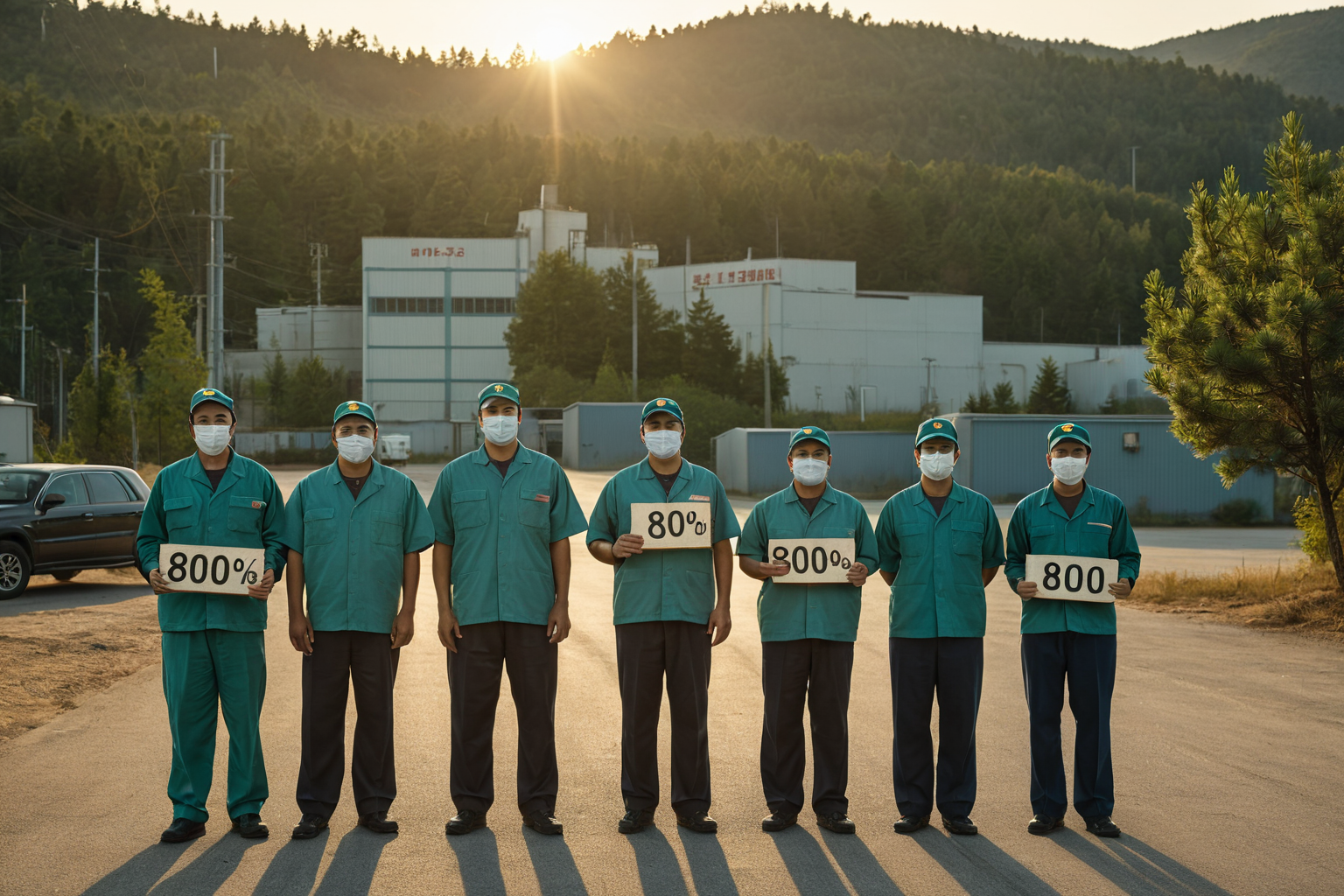
The Hyundai Motor union primarily cited a demand for an 800% bonus increase as the main reason for the strike. This appears to stem from dissatisfaction with existing performance bonus policies.
The union's demands include more than just increased financial compensation; they also encompass improvements in working conditions and labor environment. For example, the union requested discussions on extending retirement age and reinstating laid-off workers, though these claims remain unconfirmed. Therefore, the confirmed strike reason is limited to the demand for an 800% bonus increase.
Some media reports have suggested that the strike was initiated based on demands including 'retirement age extension, reinstatement of laid-off workers, and a 30% performance bonus,' but these claims remain unverified. The confirmed strike reason is solely the demand for an 800% bonus increase.
Conflict with Kia
Kia's union has been fueling tensions with Hyundai Motor's union through its 'following the senior' approach. Kia's union appears to be aligning with Hyundai's strike demands and presenting additional requests.
Kia's union began showing signs of conflict with Hyundai's union on August 20, adopting a 'follow the senior' strategy. This reflects a new shift in labor-management relations within the automotive industry. Kia's actions are seen as supporting Hyundai's demands, indicating that relationships between unions across companies are being restructured within the automotive sector.
While Hyundai and Kia have historically operated as separate entities, they have maintained consistent labor-management policies under the same corporate group. However, due to Kia's 'follow the senior' approach, the relationship between the two companies' unions is changing. This can be interpreted as a new paradigm within the automotive industry.
Labor-Management Agreement Details
On August 25, a temporary agreement was reached between labor and management, including a 100,000 won base pay increase and a 400% performance bonus hike. This appears to represent partial acceptance of the union's main demands.
The agreement has been evaluated as satisfactory for both the union and company, though further negotiations may still be needed. Notably, the 400% performance bonus increase is particularly significant. This represents a change from existing performance bonus policies and could establish new benchmarks for future labor-management negotiations.
The agreement was announced as a temporary measure, with additional details expected to be disclosed soon. This indicates that while Hyundai has resolved immediate issues, further negotiations may be necessary for long-term improvements in working conditions.
Information to Verify
The exact start and end dates of Hyundai's full-scale strike remain unconfirmed. Additionally, specific data regarding the scale of the strike and participation numbers is still lacking.
Details about the company's response measures have also not been publicly disclosed. While a temporary agreement has resolved immediate issues, long-term considerations suggest further negotiations may be required. In particular, the impact of tensions with Kia on the broader industry should be considered.
The key information readers should verify includes: Hyundai Motor union's demands and agreement details, scale of economic losses from the strike, and how tensions between Kia and Hyundai unions will affect the industry as a whole. This information will help understand potential changes in labor-management relations within the automotive sector.
Frequently Asked Questions
What is the estimated loss due to the strike?
Estimated revenue losses from production delays amount to 2.3 trillion won, with accumulated production disruptions reaching 55,000 units.
What are the terms of the labor-management agreement?
A base pay increase of 100,000 won and a 400% performance bonus hike have been agreed upon. This represents partial acceptance of the union's main demands.
How does Kia's union relate to Hyundai's union?
Kia's union is fueling tensions with Hyundai's union through its 'following the senior' approach. This reflects a new shift in labor-management relations within the automotive industry.
You can view similar articles on this topic all at once.
View Related ArticlesFAQ
What is the estimated loss due to the strike?
Estimated revenue losses from production delays amount to 2.3 trillion won, with accumulated production disruptions reaching 55,000 units.
What are the terms of the labor-management agreement?
A base pay increase of 100,000 won and a 400% performance bonus hike have been agreed upon. This represents partial acceptance of the union's main demands.
How does Kia's union relate to Hyundai's union?
Kia's union is fueling tensions with Hyundai's union through its 'following the senior' approach. This reflects a new shift in labor-management relations within the automotive industry.
Korean Source
This article is an English localization of a Korean-language report from BlogScore. Original: 현대차 전면 파업 관련 최신 소식: 주요 이슈 정리