
Hyundai Motor Stock Price Fluctuations Explained: Recent Analysis Report
Key Factors Behind Hyundai Motor Stock Price Changes
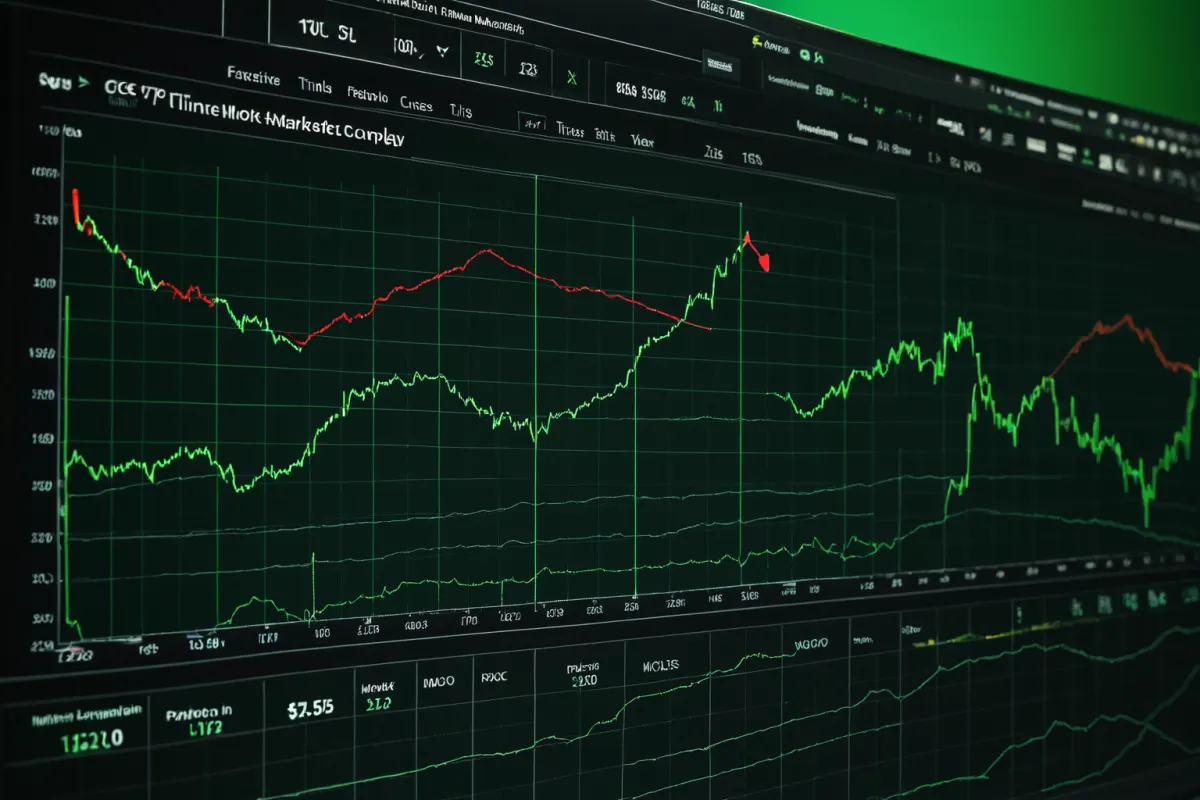
As of October 30, Hyundai Motor shares closed at 281,500 won, down 11,000 won (3.76%) from the previous trading day. The decline was primarily driven by foreign investor selling pressure and a downturn in the semiconductor sector, which directly correlates with foreign investors' net sale of 1.6167 trillion won on the main stock market.
Target Price Adjustments and Performance Analysis
NH Investment & Securities recently lowered Hyundai Motor's target price from 540,000 won to 440,000 won, a reduction of 18.5%. This adjustment reflects concerns about a lack of momentum in new business areas. While Hyundai Motor reported a 5.5% year-on-year increase in Q3 operating profit to 2.6772 trillion won, analysts attribute this mainly to stable performance in existing business segments.
Non-semiconductor sectors such as secondary batteries, biotechnology, finance, and automotive are expected to lead the market instead of semiconductors. This trend aligns with the KOSPI's 3.48% decline to close at 5,730 points due to large-scale foreign net selling and concerns about AI investment profitability.
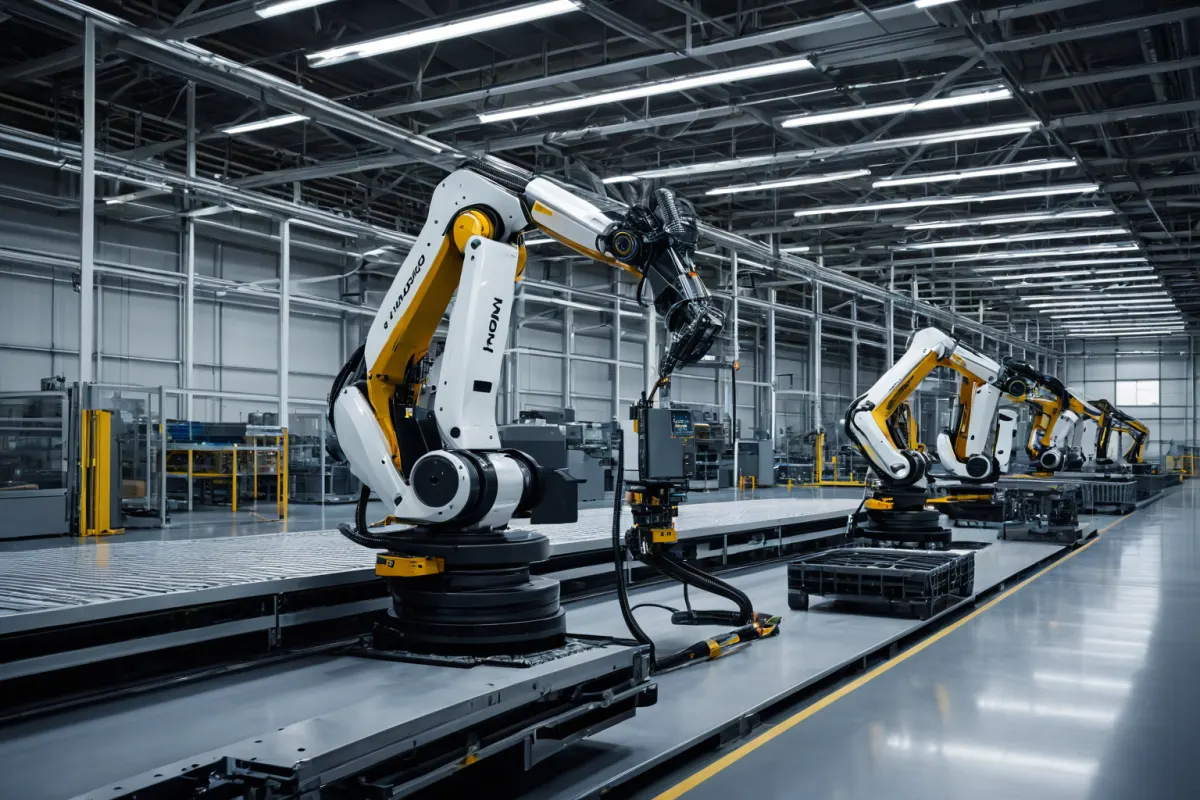
ESL (E-Solution) surged to a daily limit up (19.86%) to reach a new 52-week high of 64,800 won, driven by expectations of entering Hyundai Motor Group's robotics value chain. This follows news about ESL supplying robot modules to Boston Dynamics and plans for mass production of autonomous mobile robots 'Mobeed' and wheel-driven actuators 'Flood' from Hyundai Robotics Lab. Currently, ESL trades at a PBR (Price-to-Book Ratio) of 0.9 times, indicating the stock is trading below its book value.
Reasons Behind ESL's Sharp Price Increase
ESL reached a daily limit up and set a new 52-week high on January 21, 2026, following reports of upcoming contracts with Boston Dynamics for robot module supply and mass production plans for Hyundai Robotics Lab's autonomous mobile robots 'Mobeed' and wheel-driven actuators 'Flood'. The company has seen significant growth in its stock price since then.
ESL's rise reflects not only short-term factors but also long-term technological innovation and increasing market demand. As Hyundai Motor Group expands strategic investments in robotics, ESL is positioned as a key player in this sector.
Market Outlook for the Future
Securities firms are highlighting secondary batteries, biotechnology, finance, and automotive sectors as promising areas for next year. While Hyundai Motor shares tend to outperform Kia in terms of growth, concerns about a lack of momentum in new business areas persist.
Changes in Rankings and Future Outlook
Why did Hyundai Motor's stock price decline?
The main reasons were foreign investor selling pressure and a downturn in the semiconductor sector.
What caused ESL's stock price to rise?
ESL reached a daily limit up due to expectations of entering Hyundai Motor Group's robotics value chain.
How did Hyundai Motor perform in Q3?
Hyundai Motor reported a 5.5% year-on-year increase in Q3 operating profit to 2.6772 trillion won.
References
- [Special Feature: Korea Discount 4] Stock prices remain at pre-7-year levels even after the Radukyeon incident... (www.ilemonde.com)
- Investing in AI industry revolution: Three sectors identified by experts familiar with Yoido... (www.mk.co.kr)
- [Today's ABC Newsroom] 'Earned 54 million won in basic supply costs by selling EQUUS' - Three years later... (www.ajunews.com)
You can view more articles on similar topics in one place.
View Related ArticlesFAQ
Why did Hyundai Motor's stock price decline?
The main reasons were foreign investor selling pressure and a downturn in the semiconductor sector.
What caused ESL's stock price to rise?
ESL reached a daily limit up due to expectations of entering Hyundai Motor Group's robotics value chain.
How did Hyundai Motor perform in Q3?
Hyundai Motor reported a 5.5% year-on-year increase in Q3 operating profit to 2.6772 trillion won.
Korean Source
This article is an English localization of a Korean-language report from BlogScore. Original: 현대자동차 주식 시세 변동 이유, 최근 분석 보고서 정리