
Hwang Hee's Bus House Youth Housing Policy: Goals and Implementation Process
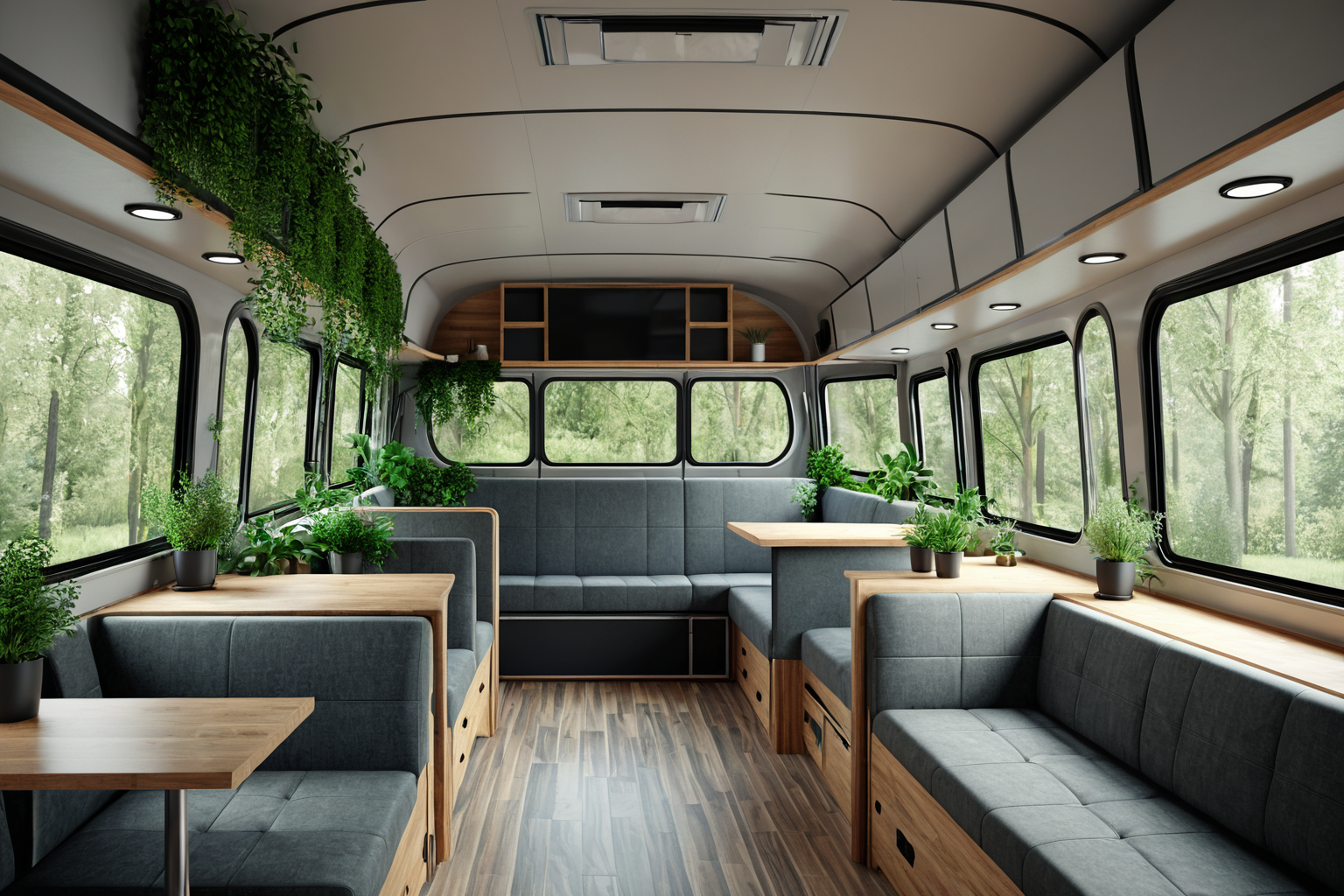
Hwang Hee's Bus House Youth Housing Policy Goals
Representative Hwang Hee's 'Bus House' policy aimed to address youth housing issues by renovating retired buses, but faced criticism from political circles and media as "disrespectful to young people" and a "weird housing solution." The government had planned to invest 50 billion won (approximately $37 million USD) to convert 10,000 retired buses into youth housing units. However, the Ministry of Land, Infrastructure, and Transport stated that the proposal lacked feasibility.
Policy Proposal and Budget Scale
Hwang Hee's 'Bus House' policy proposed repurposing retired buses as youth housing spaces, with a planned investment of 50 billion won to renovate 10,000 retired buses. However, the proposal faced criticism for lacking practicality and specific living conditions, with media outlets questioning its viability.
Political Backlash and Government Stance
The People Power Party criticized the policy as a "retired bus bathtub" and labeled it "disrespectful to young people" and a "weird housing solution." The policy was proposed on August 7, 2026, but by August 8, internal criticism within the ruling party emerged, with accusations of hypocrisy. The People Power Party intensified its criticism through the "retired bus bathtub" narrative until August 23. On August 24, 2026, the Minister of Land, Infrastructure, and Transport announced a review of the government's plan to install bathtubs in guesthouses (a reference to the policy), stating that the Bus House policy had no feasibility.
Representative Hwang Hee deleted related posts on August 10 as criticism spread, but debates over implementation details continued. Some media outlets compared the proposal to "adding a bathtub to a guesthouse," highlighting its impracticality.
Policy Goals vs. Real-World Feasibility
Hwang Hee's Bus House policy focused on solving youth housing issues, but raised questions about whether renovating retired buses could meet basic living conditions. Some political figures criticized the idea as turning young people into "homeless residents on roads," while Seoul Mayor Oh Se-hoon stated that the Bus House concept failed to understand what housing means for young people.
The government's decision to review its guesthouse bathtub plan suggests recognition of the Bus House policy's shortcomings, indicating a shift toward more practical solutions for youth housing challenges.
Feasibility Debate Over Bus House Policy Implementation
Hwang Hee's proposed Bus House youth housing initiative aimed to repurpose retired buses as living spaces but faced questions about its execution. Media outlets questioned the feasibility of "solving youth housing with 10,000 retired buses." Experts highlighted concerns over living conditions, safety, and practicality that needed further evaluation.
The People Power Party strongly criticized the policy as a "weird housing solution," while political dynamics revealed differing approaches: the Democratic Party emphasized public solutions, and the People Power Party focused on private sector involvement. This contrast reflects broader disagreements in addressing youth housing challenges.
Timeline of Policy Development and Reactions
Hwang Hee's Bus House policy sparked controversy starting August 7, 2026. Internal criticism within the ruling party emerged by August 8, with accusations of hypocrisy. The People Power Party intensified its "disrespectful to young people" narrative from August 8 onward. Hwang Hee deleted related posts on August 10, and the opposition party continued amplifying the "retired bus bathtub" controversy until August 23. On August 24, the Ministry of Land, Infrastructure, and Transport announced it would review its guesthouse bathtub plan, stating that the Bus House policy lacked feasibility.
The government's decision reflects a move toward more practical solutions for youth housing challenges, highlighting the need for cooperation between political parties and the government. It underscores the necessity for diverse approaches to address youth housing issues with greater realism and practicality.
Confirming Policy Goals and Implementation Process
Hwang Hee's 'Bus House' policy aimed to convert retired buses into youth housing spaces, but debates continue over the specific implementation process. The government had planned a 50 billion won investment to renovate 10,000 retired buses, but the Ministry of Land, Infrastructure, and Transport stated that the proposal lacked feasibility.
Purpose and Criticism of the Policy
Hwang Hee's policy aimed to address youth housing challenges but faced criticism as "disrespectful to young people" due to concerns that repurposing retired buses did not align with actual living conditions. Some media outlets used the metaphor of "adding a bathtub to a guesthouse" to highlight the policy's shortcomings.
Government and Political Response
The Minister of Land, Infrastructure, and Transport announced on August 24, 2026, that the Bus House policy lacked feasibility, signaling a shift toward more practical solutions for youth housing. The People Power Party intensified its criticism using the "retired bus bathtub" narrative, while ongoing debates between the Democratic Party and People Power Party continued over public versus private approaches to housing supply.
Key Information to Confirm
Hwang Hee's Bus House youth housing policy aimed to address youth housing issues by renovating retired buses but faced criticism as "disrespectful to young people" and a "weird housing solution." The government planned a 50 billion won investment for 10,000 retired buses, but the Ministry of Land, Infrastructure, and Transport stated it lacked feasibility. Internal political criticism emerged over "hypocrisy," while opposition parties criticized the policy as turning youth into "homeless residents on roads."
Frequently Asked Questions
Q: What was Hwang Hee's Bus House policy intended to achieve? A: The policy aimed to address youth housing challenges by converting retired buses into living spaces, though it faced criticism for lacking practicality and specific living conditions.
Q: Why did the government reject the proposal? A: On August 24, 2026, the Ministry of Land, Infrastructure, and Transport stated that the Bus House policy had no feasibility, leading to its discontinuation. The government shifted focus toward more practical housing solutions.
Q: How did political parties react to the policy? A: The People Power Party criticized it as "disrespectful to young people" and a "weird housing solution," while the Democratic Party focused on public housing approaches. Internal criticism within the ruling party also emerged over perceived hypocrisy.
FAQ
What was the goal of Hwang Hee's Bus House policy?
The policy aimed to address youth housing challenges by renovating retired buses into living spaces, though it faced criticism for lacking practicality and specific living conditions.
Why did the government reject the proposal?
On August 24, 2026, the Ministry of Land, Infrastructure, and Transport stated that the Bus House policy had no feasibility, leading to its discontinuation. The government shifted focus toward more practical housing solutions.
How did political parties react to the policy?
The People Power Party criticized it as 'disrespectful to young people' and a 'weird housing solution,' while the Democratic Party focused on public housing approaches. Internal criticism within the ruling party also emerged over perceived hypocrisy.
Korean Source
This article is an English localization of a Korean-language report from BlogScore. Original: 황희 의원 버스하우스 청년주택 정책, 목표와 시행 절차