
Humidifier Showdown: Evaporative vs. Ultrasonic – Which Is Healthier for Your Home?
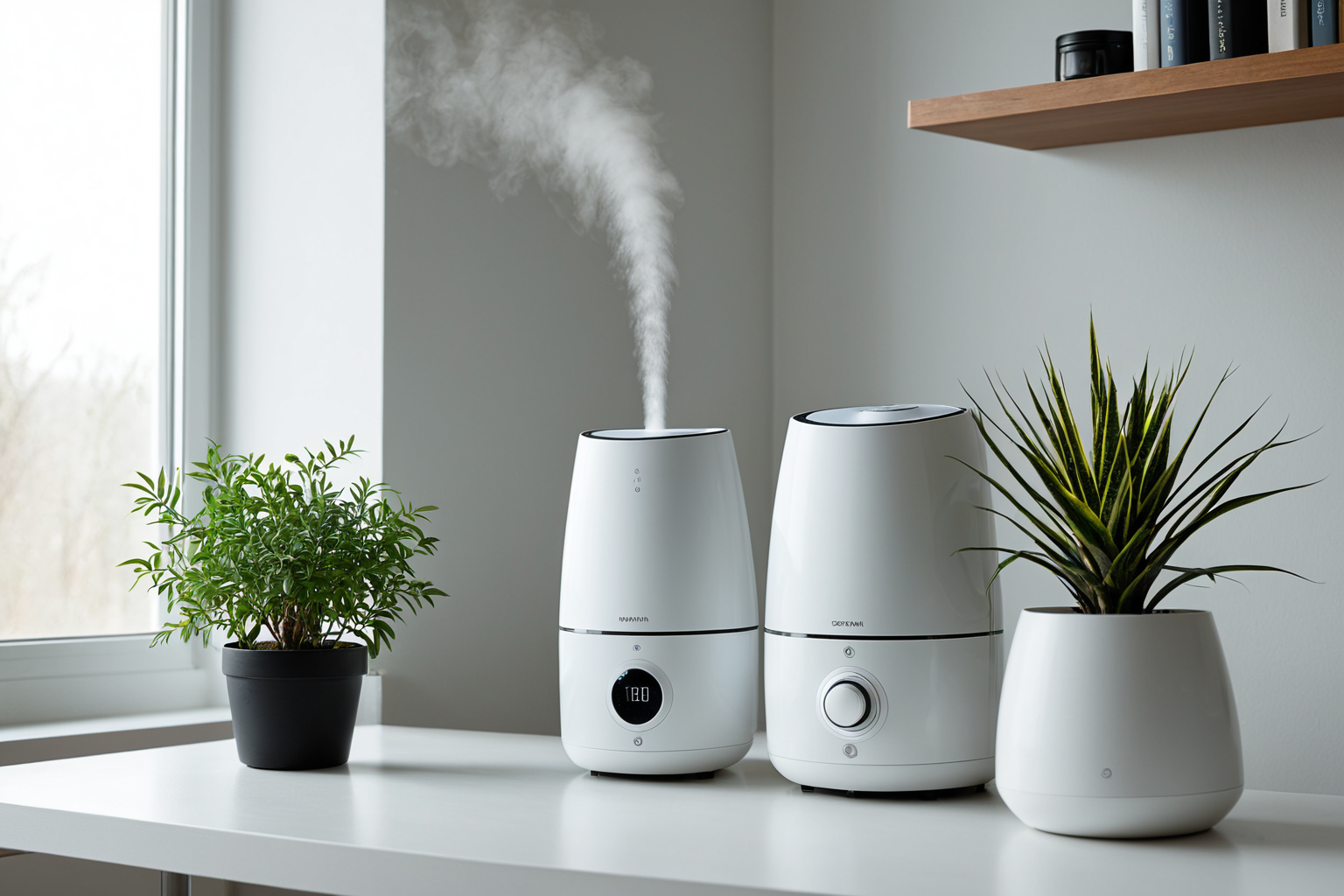
The Core Difference Between Evaporative and Ultrasonic Humidifiers
Evaporative humidifiers use a fabric filter to naturally evaporate water, reducing the risk of bacterial growth and eliminating burn hazards. In contrast, ultrasonic models produce high mist output that quickly raises humidity but can be harmful if tap water is used due to metal aerosol and bacterial contamination.
The 2011 humidifier disinfectant incident in South Korea was largely linked to the use of ultrasonic humidifiers. Regular cleaning and water changes are essential for all humidifiers, with distilled water recommended for ultrasonic models.
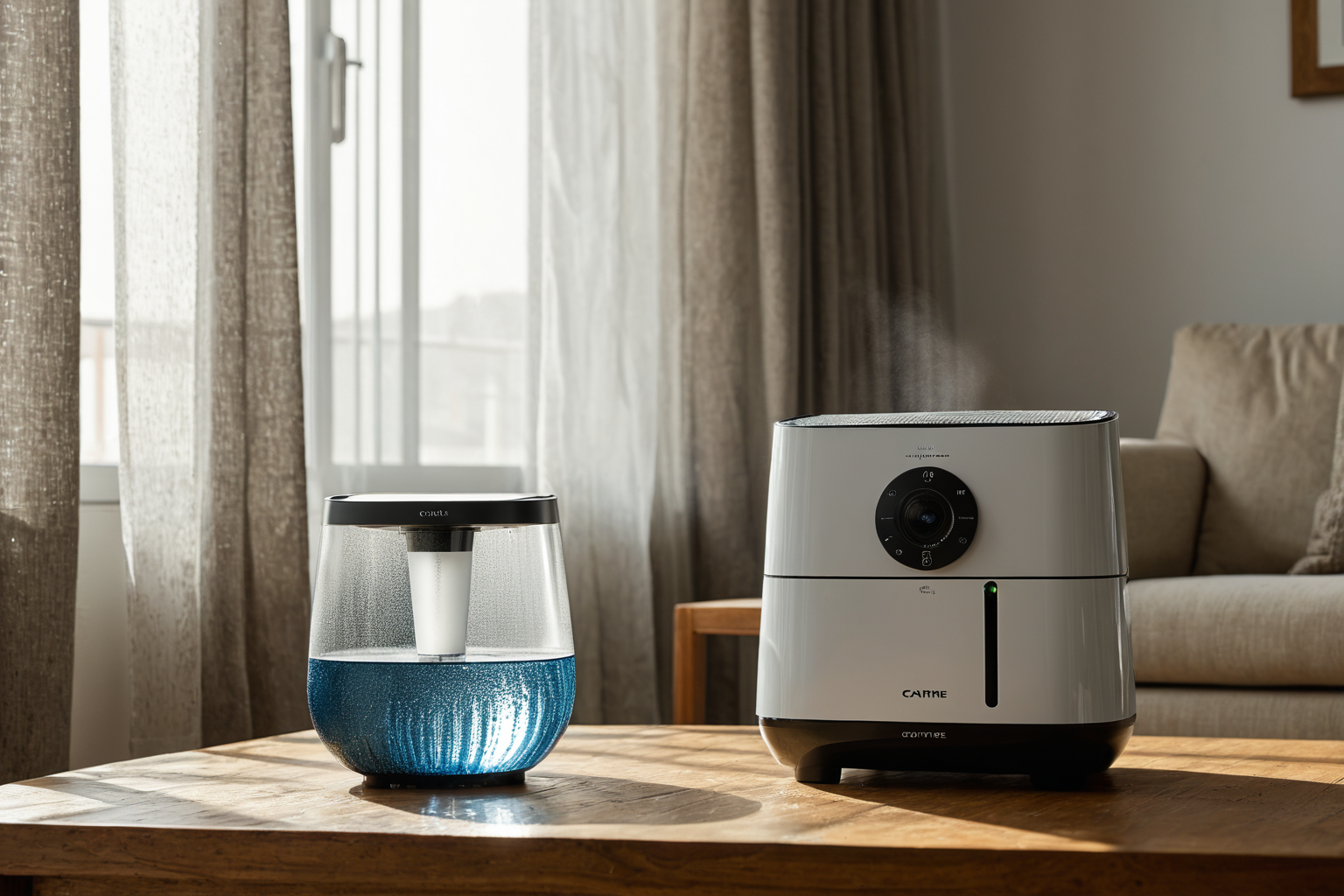
Humidifier Types and Health Impacts
Evaporative humidifiers naturally evaporate water through a fabric filter to increase indoor humidity. They have low bacterial growth risk and no burn hazard, though they may not provide sufficient moisture for larger spaces.
Ultrasonic humidifiers use ultrasonic vibrations to break water into fine particles released into the air. While they quickly raise humidity levels, using tap water can lead to metal contaminants and bacteria entering the lungs through aerosolized droplets.
Important Usage Tips
Regular water changes and cleaning are essential for all humidifiers. Ultrasonic models specifically require distilled water to minimize metal aerosol risks.
Placement matters too—keep humidifiers at least 1 meter above the floor, change water daily, and avoid using disinfectant products entirely. Regular maintenance prevents bacterial growth effectively.
Type Comparison
Steam humidifiers boil water to release vapor, reducing bacteria concerns but consuming more power and posing burn risks. Hybrid models combine features of both types but are expensive and require frequent cleaning.
Natural evaporative humidifiers further refine the evaporative process, minimizing over-humidification risks for better indoor health. Recent premium models now integrate water filters, high-temperature sterilization, and automatic drying functions.
Common Questions
Does an evaporative humidifier have a lower risk of bacterial growth?
Yes, because it naturally evaporates water through a fabric filter, reducing bacterial proliferation.
What should I be cautious about when using an ultrasonic humidifier?
Use distilled water instead of tap water and clean regularly. Using distilled water helps reduce the risk of metal aerosol emissions.
How did the 2011 humidifier disinfectant incident occur?
Ultrasonic humidifier use was identified as a primary cause. Reports documented lung damage from bacterial contamination and metal aerosol exposure.
You can view similar articles in one place.
View Related ArticlesFAQ
Does an evaporative humidifier have a lower risk of bacterial growth?
Yes, because it naturally evaporates water through a fabric filter, reducing bacterial proliferation.
What should I be cautious about when using an ultrasonic humidifier?
Use distilled water instead of tap water and clean regularly. Using distilled water helps reduce the risk of metal aerosol emissions.
How did the 2011 humidifier disinfectant incident occur?
Ultrasonic humidifier use was identified as a primary cause. Reports documented lung damage from bacterial contamination and metal aerosol exposure.
Korean Source
This article is an English localization of a Korean-language report from BlogScore. Original: 기화식가습기 vs 초음파가습기: 실내 건강에 어떤 차이가 있을까?