
How Will the 2026 Ulchi Freedom Guardian Exercise Affect Inter-Korean Relations?
The 2026 U.S.-South Korea Joint Exercise Reduction and Inter-Korean Dialogue
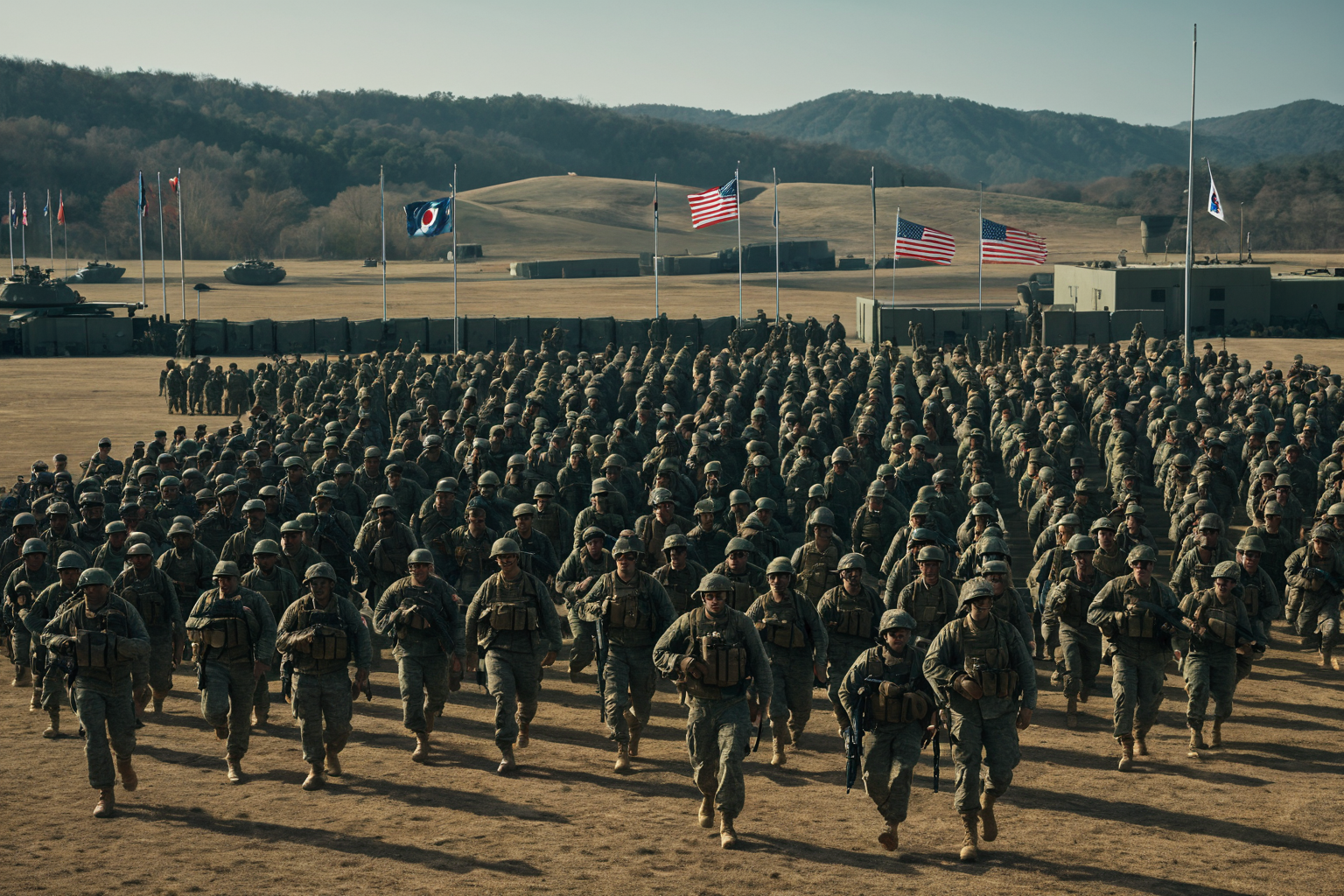
In August 2026, South Korea and the United States decided to reduce the scale of the Ulchi Freedom Guardian (UFG) exercise by half and terminate it early. This resembles a situation during the Trump administration, sparking debate over North Korea's intensified missile provocations and potential opportunities for improving inter-Korean relations.
Adjusting the Scale of U.S.-South Korea Joint Exercises
Due to Trump's directive, the UFG exercise was terminated early on August 21 instead of its scheduled dates from August 17-27. This decision was made through consultation between South Korea and the United States, as part of ongoing joint assessments related to the transfer of wartime operational control.
While discussions about reducing the exercise scale are underway, U.S. senators have warned that such cuts could undermine alliance trust and oppose the reduction. Meanwhile, groups like Daegu Candlelight Action and Gyeongsang Province Self-Determination for Unification and Peace Coalition have called for ending joint exercises to ease tensions.
North Korea's Response and Inter-Korean Relations
North Korea dismissed South Korea's conciliatory approach, demanding an end to U.S.-South Korea military drills and the abolition of the Ministry of Unification while raising the possibility of improving inter-Korean relations. North Korea criticized the reduction in joint exercises and intensified missile provocations.
The Blue House immediately urged a halt to North Korea's ballistic missile launches at an emergency meeting, with experts like Cho Hyun suggesting that the reduction in U.S.-South Korea joint exercises could become a new starting point for advancing inter-Korean dialogue.
Promoting Inter-Korean Dialogue and Security Capabilities
It has been argued that sacrificing core security capabilities to promote inter-Korean dialogue is not feasible. According to a report by 'Mindeulre' (a citizen journalism outlet), it emphasized that core security capabilities should not be sacrificed for the sake of inter-Korean dialogue.
The ruling and opposition parties' defense committees have debated reducing U.S.-South Korea joint exercises and North Korea's nuclear weapons issue. The renaming of 'Ulchi Freedom Guardian' and its revival after five years has also drawn attention, as it relates to arguments that joint exercises could be utilized for peace opportunities.
U.S.-South Korea Alliance Relations and China's Warning
China warned that concerns would increase if the reduction of U.S.-South Korea joint exercises affects alliance relations. This reflects China's heightened attention to changes in the Korean Peninsula situation.
The August 2026 events highlight how the reduction of U.S.-South Korea joint exercises, potential improvements in inter-Korean relations, and China's role are key variables influencing future developments on the Korean Peninsula. How the U.S.-South Korea alliance and North Korea respond will likely shape the peninsula's future.
Discussion on Reducing Joint Exercises
In August 2026, South Korea and the United States decided to reduce the scale of the Ulchi Freedom Guardian (UFG) exercise by half and terminate it early. This was carried out under Trump's directive, with the exercise originally scheduled to begin on August 17, 2026, ending early on August 21.
South Korea and the United States are discussing adjustments to the exercise scale while conducting joint assessments related to the transfer of wartime operational control. While U.S. senators warned about potential damage to alliance trust, South Korea pushed for reducing exercises to create dialogue opportunities with North Korea.
Inter-Korean Dialogue and Core Security Capabilities
The argument that sacrificing core security capabilities for inter-Korean dialogue is undesirable has been raised. According to a report by 'Mindeulre' (a citizen journalism outlet), it emphasized that core security capabilities should not be sacrificed when promoting inter-Korean dialogue.
Debates over reducing U.S.-South Korea joint exercises and North Korea's nuclear weapons issue have occurred in the ruling and opposition parties' defense committees. The renaming of 'Ulchi Freedom Guardian' and its revival after five years has also attracted attention, as it relates to arguments that joint exercises could be utilized for peace opportunities.
North Korea's Response
North Korea dismissed South Korea's conciliatory approach, demanding an end to U.S.-South Korea military drills and the abolition of the Ministry of Unification while raising the possibility of improving inter-Korean relations. North Korea criticized the reduction in joint exercises and intensified missile provocations.
The Blue House immediately urged a halt to North Korea's ballistic missile launches at an emergency meeting, with experts like Cho Hyun suggesting that the reduction in U.S.-South Korea joint exercises could become a new starting point for advancing inter-Korean dialogue.
China's Warning
China warned that concerns would increase if the reduction of U.S.-South Korea joint exercises affects alliance relations. This reflects China's heightened attention to changes in the Korean Peninsula situation.
The August 2026 events highlight how the reduction of U.S.-South Korea joint exercises, potential improvements in inter-Korean relations, and China's role are key variables influencing future developments on the Korean Peninsula. How the U.S.-South Korea alliance and North Korea respond will likely shape the peninsula's future.
Cause Analysis
The reduction of U.S.-South Korea joint exercises was carried out under Trump's directive, with the August 17, 2026 exercise ending early on August 21. This decision was made through consultation between South Korea and the United States as part of ongoing joint assessments related to the transfer of wartime operational control.
North Korea criticized the reduction in U.S.-South Korea joint exercises and intensified missile provocations, indicating that North Korea chose military escalation over tension reduction despite missing an opportunity for improved inter-Korean relations.
The Blue House immediately urged a halt to North Korea's ballistic missile launches at an emergency meeting, with experts like Cho Hyun suggesting that the reduction in U.S.-South Korea joint exercises could become a new starting point for advancing inter-Korean dialogue. This reflects South Korea and the United States' active efforts to promote inter-Korean dialogue.
Response and Safety Information
Civil society groups have called for ending joint exercises to ease tensions, with organizations like Daegu Candlelight Action and Gyeongsang Province Self-Determination for Unification and Peace Coalition expressing this stance. Meanwhile, U.S. senators warned that reducing the exercise could undermine alliance trust, raising concerns about complex negotiations between South Korea and the United States.
China warned that concerns would increase if the reduction of U.S.-South Korea joint exercises affects alliance relations, reflecting China's heightened attention to changes in the Korean Peninsula situation.
Information to Verify
Detailed discussions about not sacrificing core security capabilities for inter-Korean dialogue can be found in a report by 'Mindeulre' (a citizen journalism outlet). The article emphasizes that core security capabilities should not be sacrificed when promoting inter-Korean dialogue.
Debates in the ruling and opposition parties' defense committees relate to renaming 'Ulchi Freedom Guardian' and its revival after five years, connecting to arguments that joint exercises could be utilized for peace opportunities.
North Korea dismissed South Korea's conciliatory approach, demanding an end to U.S.-South Korea military drills and the abolition of the Ministry of Unification while raising the possibility of improving inter-Korean relations. While North Korea appears to show interest in improving inter-Korean relations, it has intensified missile provocations.
Frequently Asked Questions
How might the reduction of U.S.-South Korea joint exercises affect inter-Korean dialogue?
Experts like Cho Hyun suggest that reducing U.S.-South Korea joint exercises could become a new starting point for advancing inter-Korean dialogue, indicating South Korea and the United States are actively working to improve inter-Korean relations.
Will ending joint exercises undermine alliance trust?
U.S. senators have warned that reducing joint exercises could lower alliance trust, but China has stated that it would not affect alliance relations while expressing concern about potential issues.
Why did North Korea demand an end to U.S.-South Korea joint exercises?
North Korea dismissed South Korea's conciliatory approach and demanded an end to U.S.-South Korea military drills and the abolition of the Ministry of Unification, raising the possibility of improving inter-Korean relations. This appears to be North Korea's attempt to show interest in enhancing inter-Korean relations.
Frequently Asked Questions
The August 2026 decision to reduce U.S.-South Korea joint exercises has the potential to create a new opportunity for inter-Korean dialogue. However, complex circumstances persist due to North Korea's intensified missile provocations and warnings from U.S. senators. South Korea and the United States are discussing adjustments to exercise scale while conducting joint assessments related to wartime operational control transfer, emphasizing that sacrificing core security capabilities is not feasible when promoting inter-Korean dialogue.
Future developments on the Korean Peninsula will likely be shaped by how the U.S.-South Korea alliance and North Korea respond. China's role also serves as a key variable, potentially having significant influence on the peace process on the peninsula.
You can view similar articles in one place.
View Related ArticlesFAQ
How might the reduction of U.S.-South Korea joint exercises affect inter-Korean dialogue?
Experts like Cho Hyun suggest that reducing U.S.-South Korea joint exercises could become a new starting point for advancing inter-Korean dialogue, indicating South Korea and the United States are actively working to improve inter-Korean relations.
Will ending joint exercises undermine alliance trust?
U.S. senators have warned that reducing joint exercises could lower alliance trust, but China has stated that it would not affect alliance relations while expressing concern about potential issues.
Why did North Korea demand an end to U.S.-South Korea joint exercises?
North Korea dismissed South Korea's conciliatory approach and demanded an end to U.S.-South Korea military drills and the abolition of the Ministry of Unification, raising the possibility of improving inter-Korean relations. This appears to be North Korea's attempt to show interest in enhancing inter-Korean relations.
Korean Source
This article is an English localization of a Korean-language report from BlogScore. Original: 2026 을지연습, 남북 관계에 미칠 영향은?