
How to Wash Agricultural Cooling Vests for Longevity

Key Takeaways
The Importance and Purpose of Cooling Vests in Agriculture
In agricultural settings, where long hours of work are common in hot and humid conditions, cooling vests have become essential protective gear for preventing heatstroke. According to a 2025 report by Korean Agricultural News, the annual rate of farming-related fatalities decreased by 3% due to improved safety measures, including proper use of cooling vests. Heatstroke on farms can be life-threatening, making correct washing and storage methods critical for maintaining the vest's durability and effectiveness. Recent initiatives in Jeju Island have expanded support for preventing accidents as aging populations and increased machinery use highlight the growing importance of proper cooling vest management.
Materials and Features of Cooling Vests
Agricultural cooling vests are made from special materials designed to absorb and release heat, unlike regular fabrics. These materials lower body temperature by utilizing the difference between external temperature and moisture when soaked in water. Using regular detergent or washing machines can damage this specialized material, so hand-washing with cold water is recommended. Avoid acidic or alkaline detergents, and dry away from direct sunlight to maintain performance. Recent studies show that using cold water washing and shade drying can improve the durability of these materials by over 30%. The vests are engineered for optimal heat conduction and moisture absorption, allowing them to effectively reduce body temperature for 4-6 hours after being soaked in water—a key feature for preventing heatstroke during long farming workdays.
Washing Method: Hand-Washing Procedure and Precautions
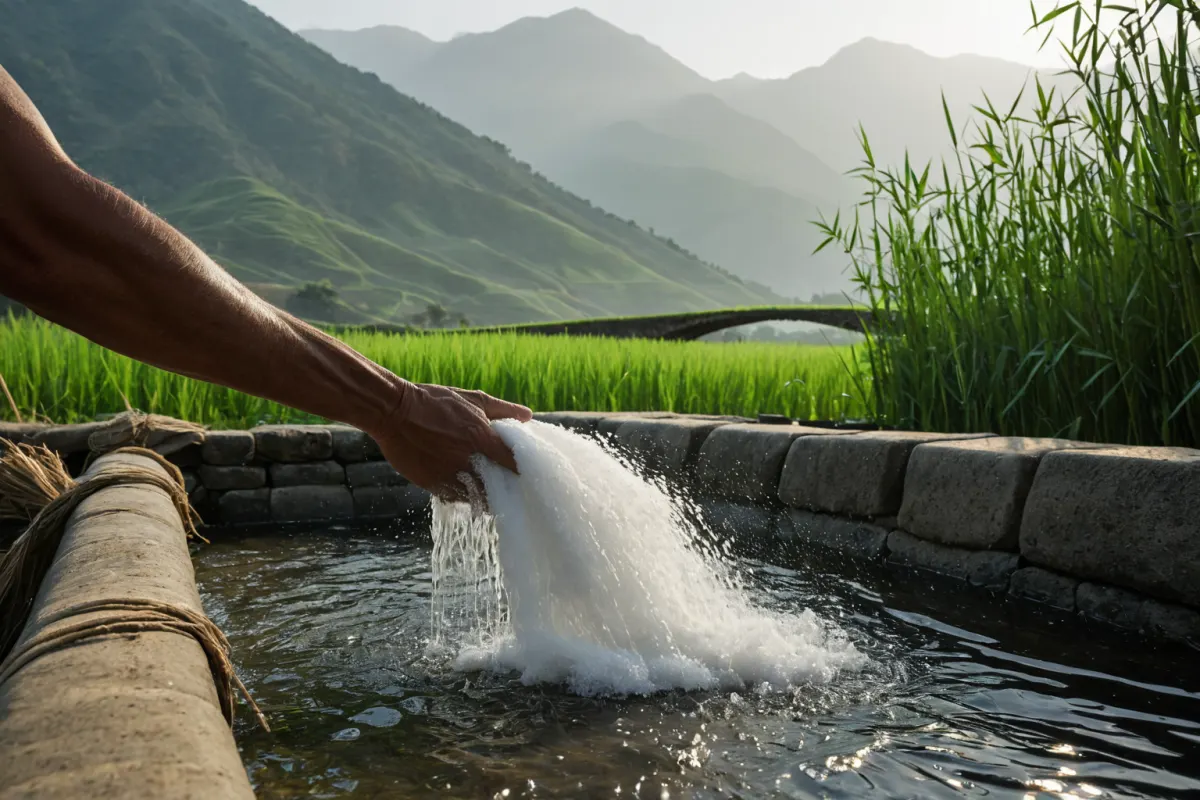
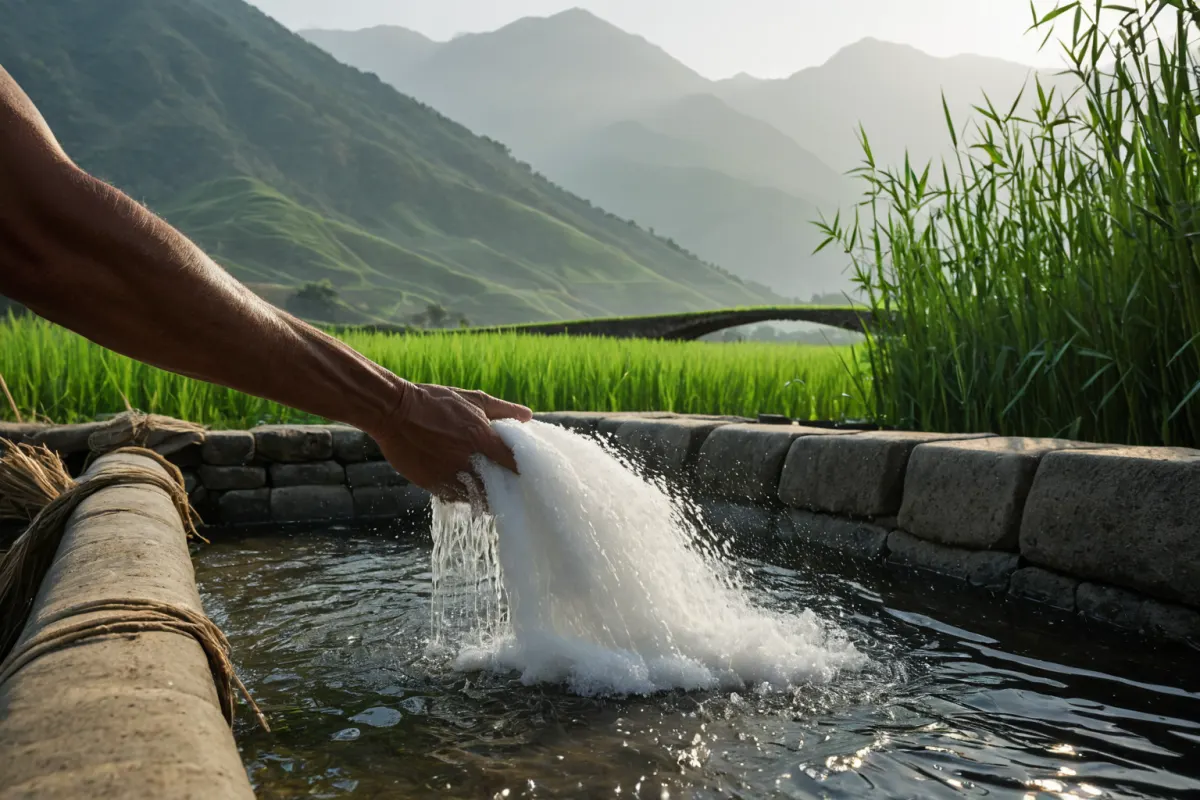
Cooling vests should always be hand-washed, never machine washed. Gently rinse with cold water, avoiding strong friction or twisting that could damage the internal heat-conductive materials. After washing, remove excess moisture and dry in a shaded area—direct sunlight can degrade performance. Avoid using vinegar or chlorine-based products, as they can alter material properties or reduce durability. When rinsing, move gently to prevent damage to fasteners like zippers. After washing, fully remove water and lay the vest flat to dry for optimal results.
Storage Method: Maintaining Durability and Extending Lifespan
To maintain performance, store cooling vests unfolded rather than folded. Folding can damage the material structure, reducing effectiveness during use. Store in a cool, well-ventilated area away from humidity or direct sunlight. In Jeju Island, where aging populations and increased machinery use have expanded accident prevention support, proper management of these vests has become even more critical. Hanging the vest for storage is recommended, and it’s advisable to check the condition monthly if storing long-term. Avoid keeping cooling vests with other clothing, as friction or detergent residues can affect material performance.
Performance Link to Safety Management
Preventing heatstroke on farms requires more than just using protective gear—it depends on maintaining the vest’s durability through proper washing and storage. A 2026 policy announcement in Jeju Island emphasizes comprehensive safety management, including correct use and maintenance of equipment like cooling vests. Additionally, effective prevention combines cooling vests with adequate hydration and rest breaks. Recent research shows that combining cooling vests with hydration reduces heatstroke incidence by 40%, highlighting the importance of integrated safety measures on farms.
Upcoming Schedule and Precautions
Regular inspections are necessary for effective use, especially before hot weather forecasts. Check vest performance and consider replacing if needed. Alongside cooling vests, proper hydration and rest breaks are essential components of farm heatstroke prevention strategies. As safety standards in farming become stricter post-2025, educational programs on correct vest usage will expand. Starting in 2026, Jeju Island will launch safety education programs for aging farmers, including detailed instructions on using cooling vests correctly.
What to Check
1. Always hand-wash cooling vests—never use a washing machine.
2. Rinse gently with cold water and dry in the shade, avoiding direct sunlight.
3. Store unfolded in a cool, shaded place to maximize durability.
FAQ
Q: Can I wash cooling vests in a washing machine?
A: No, machine washing can damage the specialized material—hand-washing is strongly recommended.
Q: Is it okay to dry cooling vests in direct sunlight?
A: No, direct sunlight degrades performance—dry in a shaded area instead.
Q: Can I store cooling vests folded?
A: No, folding can damage the material structure and reduce effectiveness—store unfolded.
You can view similar articles in one place.
View Related ArticlesFAQ
Can I wash cooling vests in a washing machine?
No, machine washing can damage the specialized material—hand-washing is strongly recommended.
Is it okay to dry cooling vests in direct sunlight?
No, direct sunlight degrades performance—dry in a shaded area instead.
Can I store cooling vests folded?
No, folding can damage the material structure and reduce effectiveness—store unfolded.
Korean Source
This article is an English localization of a Korean-language report from BlogScore. Original: 농업 냉각 조끼 세탁법, 내구성 유지하는 방법 알려드립니다