
How to Verify the Facts Behind the U.S. Drone Misidentification Incident
How to Verify the Facts Behind the U.S. Drone Misidentification Incident
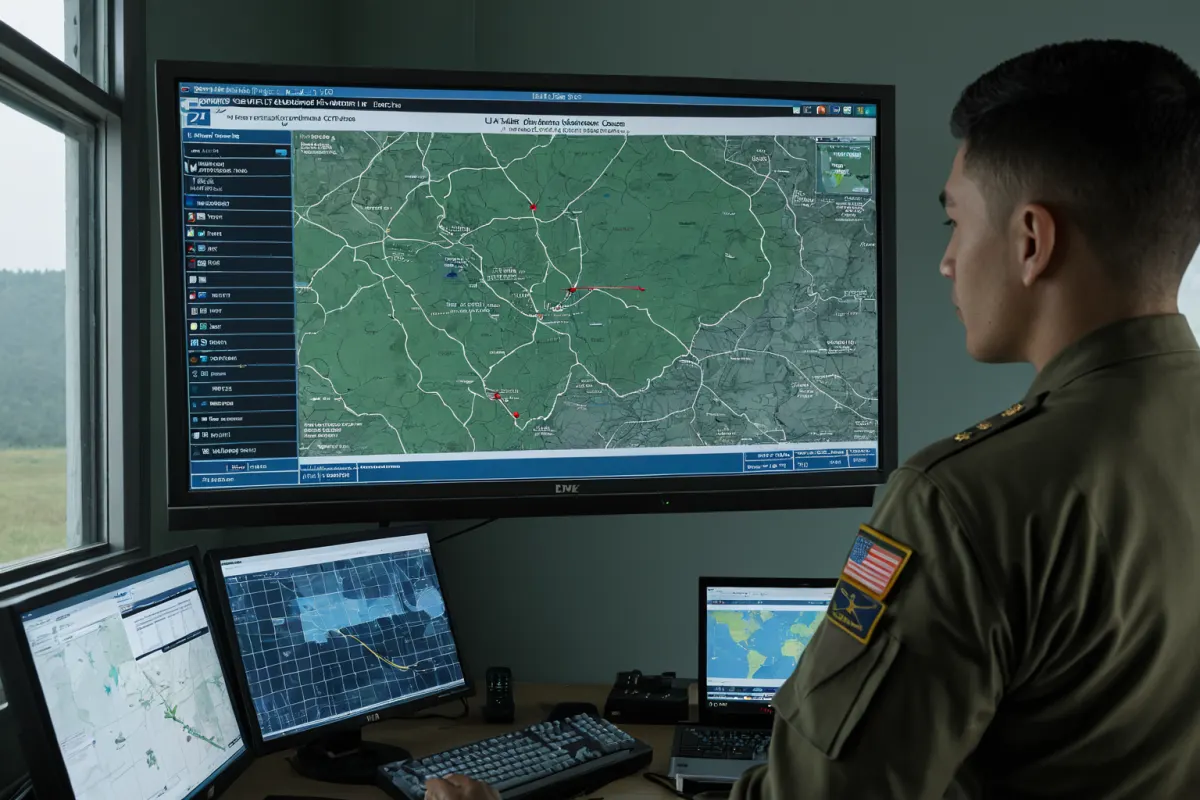
On July 31, 2026, the U.S. military notified South Korean forces via text message about an unmanned aerial vehicle (UAV) flight plan. However, a South Korean official failed to report this notice, leading to a near-miss on August 2 during joint military exercises when U.S. drones were mistakenly identified as North Korean aircraft. The Joint Chiefs of Staff confirmed the facts in an official statement on August 3.
Confirmed Key Facts
The U.S. military sent a text message to South Korea regarding UAV flight plans, which was verified by both Yonhap News and the Joint Chiefs' announcement. However, due to a reporting oversight by South Korean officials, the U.S. drones were misidentified as North Korean aircraft during joint exercises. This is confirmed in the August 3 Joint Chiefs statement and Yonhap News article.
South Korea's military mistakenly identified participating U.S. UAVs as 'cranes' (a term used for identifying aircraft), triggering a warning alert due to a reporting oversight by the Ministry of Defense and a failure to load live ammunition in the GP (Ground Position) system. On August 3, General Han Gi-seong, commander of the 1st Army Corps, was placed on administrative leave as part of official measures.
Incident Timeline: Communication Errors and Information Breakdown
On July 31, 2026, the U.S. military notified South Korea via text about UAV flight plans. However, this message was not delivered to the relevant South Korean official, resulting in a missed report. This failure stemmed from the U.S. military's habitual non-compliance with standard procedures for notifying South Korea of UAV flights near border areas, as reported by News Tomato.
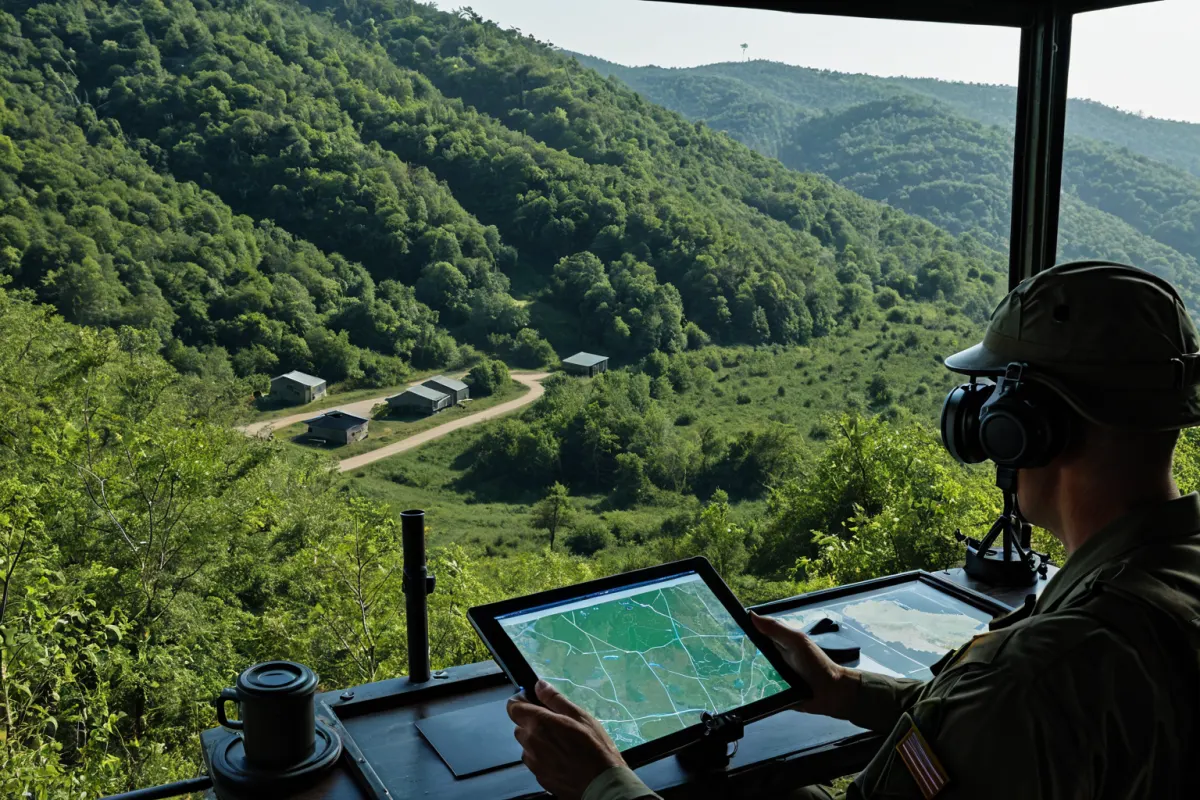
During joint exercises on August 2, South Korea's forces misidentified an object flying near the Military Demarcation Line (MDL) as a 'crane' and issued a warning alert. This was due to U.S. drones participating in the exercise but being misidentified because of the communication failure. MBC News referred to this incident as the 'UAV Communication Breakdown.'
The Joint Chiefs conducted on-site verification on August 2 and began reviewing approval and notification procedures. Yonhap News reported that the U.S. military had not consistently followed standard procedures for UAV flights near border areas, contributing to South Korea's misidentification of U.S. drones as North Korean aircraft.
Root Cause Investigation: Communication Procedures and Information Sharing System Failures
The notification from the U.S. military about UAV flight plans and South Korea's reporting oversight were not simple errors but revealed structural flaws in the U.S.-South Korean military communication system. Yonhap News analyzed that a 'systemic failure in information sharing between relevant units' and 'communication path errors' contributed to the incident.
The U.S. military had habitually failed to follow standard procedures for notifying South Korea of UAV flights near border areas, as confirmed by News Tomato. This was the result of inconsistent practices on the U.S. side combined with inadequate management of communication channels by South Korean forces.
The Ministry of Defense placed General Han Gi-seong under administrative leave due to a reporting oversight and failure to load live ammunition in the GP system. This measure was officially announced on August 3, emphasizing the seriousness of the incident.
Response and Safety Measures: Procedure Improvements and Precautions
The Joint Chiefs have reviewed approval and notification procedures following the misidentification incident and committed to improving U.S.-South Korean military communication systems. This was confirmed in the August 3 Joint Chiefs announcement, aimed at enhancing the efficiency of information sharing.
South Korea's military is implementing additional training and improving alert systems to prevent misidentifying U.S. drones as 'cranes' during exercises. MBC News reported that these measures were necessary for a swift response by the military.
The Ministry of Defense has emphasized the need for strict adherence to U.S.-South Korean military communication procedures moving forward, with plans to improve information sharing systems to prevent recurrence. These efforts are documented in both Yonhap and News Tomato articles, aimed at enhancing trust in military cooperation.
Verified Information: Sources and Procedures
The text message notification about U.S. UAV flight plans was sent on July 31, verified by the Joint Chiefs' announcement and Yonhap News. The reporting oversight by South Korean officials became evident during the joint exercises on August 2.
South Korea's misidentification of 'cranes' was due to U.S. drones participating in training, confirmed by Ministry of Defense reports and MBC News. General Han Gi-seong's administrative leave was officially announced on August 3.
The failure of the U.S. military to follow standard procedures for notifying South Korea about UAV flights near border areas was reported by News Tomato, highlighting structural issues in U.S.-South Korean military cooperation.
FAQ: Questions About the U.S. Drone Misidentification Incident
When did the U.S. military notify South Korea about UAV flight plans?
The U.S. military notified South Korean forces via text message on July 31, 2026, which was confirmed by both the Joint Chiefs' announcement and Yonhap News.
What were the specific circumstances of the misidentification incident caused by a reporting oversight?
During joint exercises on August 2, South Korean forces mistakenly identified an object flying near the Military Demarcation Line as a 'crane,' triggering a warning alert. This was due to U.S. drones participating in the exercise but being misidentified because of the missed report. The U.S. drone was mistaken for a North Korean aircraft.
What actions did South Korea take?
The Joint Chiefs conducted on-site verification and reviewed approval/notification procedures on August 2, and General Han Gi-seong was placed under administrative leave on August 3. The Ministry of Defense has committed to improving information sharing systems to prevent recurrence.
Conclusion: Reliable Information Sharing Is Essential
The U.S. drone misidentification incident revealed flaws in U.S.-South Korean military communication procedures and information sharing systems. This was not a simple error but a result of systemic issues. The Joint Chiefs' actions and improved procedural compliance by the U.S. military are crucial, confirming that reliable information-sharing mechanisms are essential for future U.S.-South Korea military cooperation.
The Ministry of Defense has committed to improving communication procedures and information sharing systems following this incident. This is expected to enhance trust in U.S.-South Korean military cooperation and prevent similar misidentification incidents.
This incident demonstrates that the problem was not merely a communication error but a systemic issue requiring strengthened speed and accuracy in information sharing within military collaboration. Therefore, South Korea and the U.S. must further strengthen their information-sharing mechanisms to ensure reliable communication in future joint operations.
You can view more articles on similar topics at once.
View Related ArticlesFAQ
When did the U.S. military notify South Korea about UAV flight plans?
The U.S. military notified South Korean forces via text message on July 31, 2026, which was confirmed by both the Joint Chiefs' announcement and Yonhap News.
What were the specific circumstances of the misidentification incident caused by a reporting oversight?
During joint exercises on August 2, South Korean forces mistakenly identified an object flying near the Military Demarcation Line as a 'crane,' triggering a warning alert. This was due to U.S. drones participating in the exercise but being misidentified because of the missed report. The U.S. drone was mistaken for a North Korean aircraft.
What actions did South Korea take?
The Joint Chiefs conducted on-site verification and reviewed approval/notification procedures on August 2, and General Han Gi-seong was placed under administrative leave on August 3. The Ministry of Defense has committed to improving information sharing systems to prevent recurrence.
Korean Source
This article is an English localization of a Korean-language report from BlogScore. Original: 미국 무인기 오인 소동의 정확한 사실 확인 방법